
Reviewed · MONARCH BUTTERFLY TOURS
7 Day-Monarch Butterfly Ecofriendly Tour in Mexico
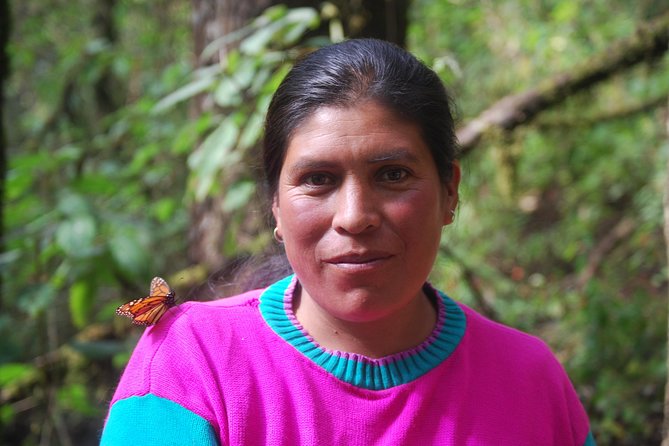
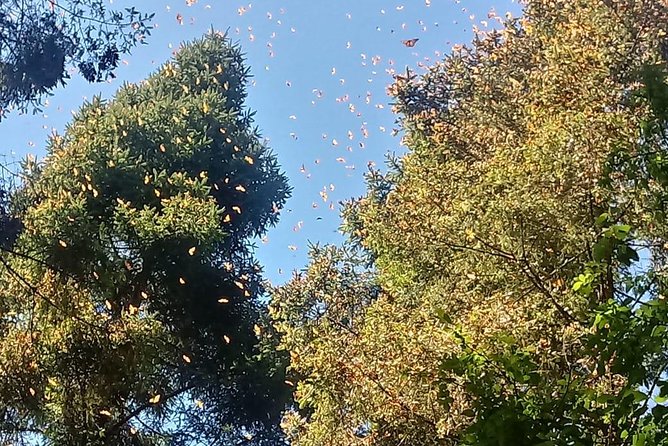
The main event is almost too strange to picture: thousands of orange-and-black monarchs clustered in high mountain forests, then lifting into the sun like living confetti. This seven-day small-group tour takes you from Mexico City to two sanctuaries near Valle de Bravo, with horses carrying you much of the way uphill.
I like the smart mix of nature and culture. You get the National Museum of Anthropology at the start, then time in a mountain town rather than seven straight days on a bus. I also like the small maximum of 10 people, included entrance fees, breakfasts, guide, vehicle, and airport transfers. The trade-off is real: the sanctuary rides and walks are strenuous, and the long road transfers can be uncomfortable for tall people.
In This Review
- Key points
- Why the monarchs are worth the mountain effort
- Day 1: A gentle start in Mexico City
- Day 2: Aztec history, then the road to Valle de Bravo
- Day 3: Piedra Herrada and the first monarch colony
- Day 4: Capulin and a tougher horse ride
- Day 5: Valle de Bravo without a packed schedule
- Day 6: Back to Mexico City and time for more history
- Day 7: A simple airport departure
- What the $2,695 price buys you
- Physical demands, altitude, and what to pack
- Who will get the most from this tour
- Should you book the Monarch Butterfly Ecofriendly Tour?
- FAQ
- How long is the monarch butterfly tour?
- Where does the tour begin and end?
- How many people can join the tour?
- Which butterfly sanctuaries are included?
- Are horse rides included at the sanctuaries?
- What meals are included?
- Is the National Museum of Anthropology part of the tour?
- Is the tour suitable for people with limited fitness?
Key points
- Two very different sanctuaries: Piedra Herrada feels more remote, while Capulin offers access to the Los Tres Gobernadores area.
- Horse rides into the mountains: You ride 30 to 45 minutes at one site, with a longer, steeper ride at the other.
- A strong culture-and-nature pairing: The Anthropology Museum and Mexico City touring add useful context before the butterfly visits.
- Free time in Valle de Bravo: You can choose lake activities such as sailing, water-skiing, or kayaking.
- Guides can shape the trip: Clemente and Naara are praised for clear English, cultural knowledge, translation, and extra sightseeing.
- Plan for altitude and rough trails: The sanctuaries reach about 10,800 feet, and a moderate fitness level is required.
Why the monarchs are worth the mountain effort

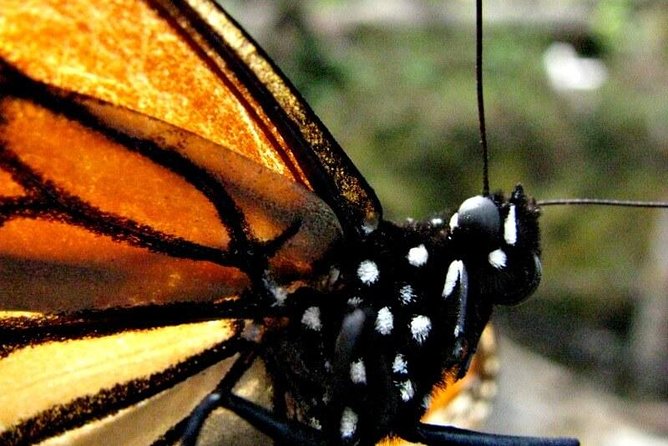
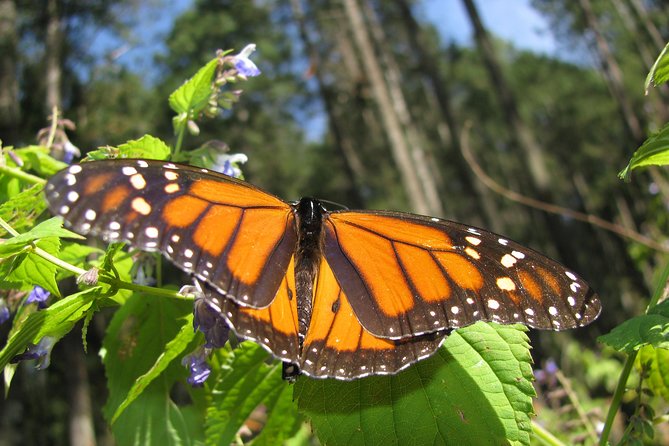
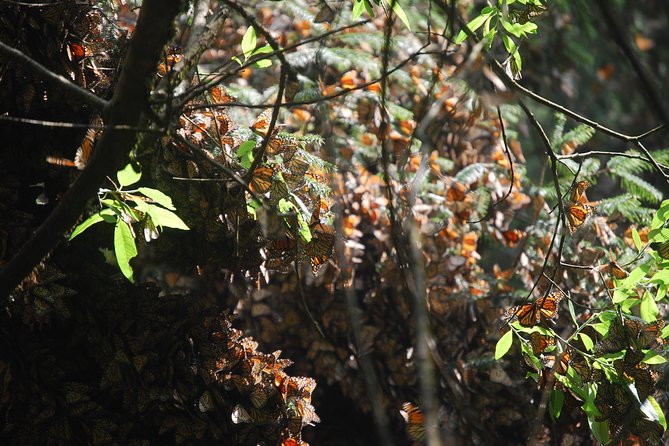
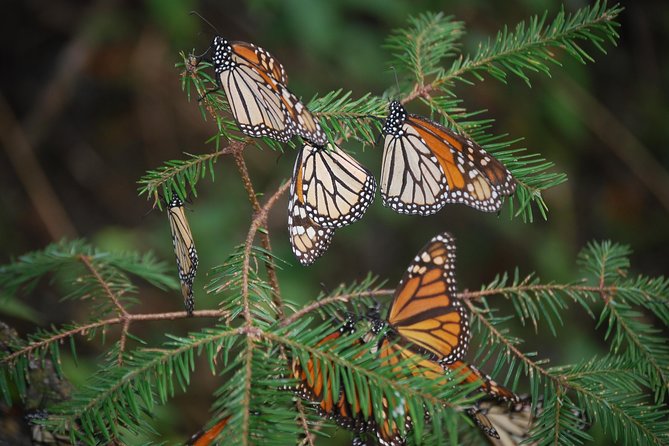
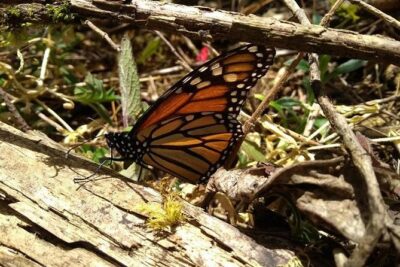
Monarchs travel thousands of miles to spend winter in Mexico’s high forests. This tour places you near their winter colonies at a time when they gather in astonishing numbers. The sight depends on weather, too. Cool or cloudy conditions can leave the butterflies still and quiet. When the sun comes out, they warm their wings and begin to move.
That change is part of the magic. You may see branches thick with resting butterflies, then watch clouds of them loosen and drift above the trees. The experience is not a quick roadside stop. You are going into mountain country, at altitude, on trails that can be steep, uneven, and tiring.
The tour gives you two chances to see the colonies. That matters because mountain weather is unpredictable, and the two sanctuaries offer different settings. Piedra Herrada is described as the wilder visit, with a more remote feel. Capulin has its own appeal, especially the broad prairie area known as Los Tres Gobernadores and the visible change in vegetation as you climb.
More monarch butterfly trips:
- Butterfly Monarch Tour from Mexico City
★ 5.0 · 53 reviews - Mexico City: Monarch Butterfly Sanctuary Day Tour
★ 4.6 · 33 reviews - Monarch Butterfly Sanctuary Private Tour from Mexico City
★ 4.0 · 25 reviews
Day 1: A gentle start in Mexico City
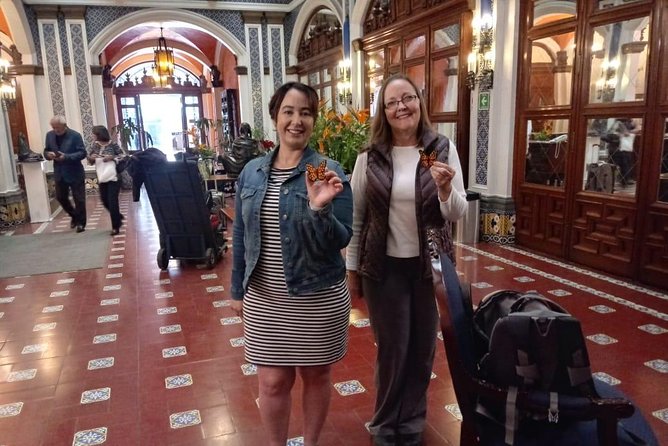
Your tour begins at Benito Juárez International Airport, where a naturalist guide meets you and takes you to the Majestic hotel. The transfer and airport pickup are included, a useful feature after an international flight.
There is a briefing at the hotel covering the coming activities, safety, and facts about monarchs. This first day is not packed with sightseeing, which is sensible. You have time to settle in, adjust to Mexico City, and meet the guide before the early mountain work begins.
The Majestic hotel has a convenient central location, but do not book this tour expecting a polished luxury hotel at both ends. The Mexico City property is clean and well placed, yet some rooms are dated, and food and English service have received mixed marks. The Catedral hotel used later in the trip is also praised for helpful staff and a good location.
Day 2: Aztec history, then the road to Valle de Bravo
The National Museum of Anthropology is a strong choice for your first full day. Its 23 exhibition halls cover the civilizations of Mexico, and the Aztec Sun Stone is the famous centerpiece. Even a short visit gives you a better frame for the rest of the trip. You are not just passing through Mexico’s countryside to see butterflies. You are also learning about the people and cultures connected to this part of the country.
After the museum, the group drives to Valle de Bravo. The stated day can run about 12 hours, so this is a full day with a long transfer. Valle de Bravo is a mountain town built around a lake, with restaurants, hotels, equestrian facilities, and water sports. The change from Mexico City is substantial: the pace slows, the air feels different, and the next few days focus on outdoor activity.
You stay at Mesón de las Leyendas for several nights. The hotel is described as charming and picturesque, with good breakfasts and attentive staff. Plumbing problems have occurred, and the property may not always offer dinner service when private events are taking place. Check with your guide about nearby meals rather than assuming the hotel restaurant will be open.
Day 3: Piedra Herrada and the first monarch colony
Piedra Herrada is the first sanctuary visit. Horses take you most of the way up the mountain, reducing the amount of walking but not removing the physical challenge. You still need to be comfortable mounting a horse, sitting in a saddle, and walking at altitude once you reach the colony.
The ride can last roughly 30 to 45 minutes. The final approach may include hiking, and the altitude can be tough if you are not used to it. One person had to stop partway at about 10,800 feet, though the butterflies were already visible. That is a useful reminder: you do not need to race to the highest point to have a worthwhile sighting.
Piedra Herrada is appealing because it feels less developed and more secluded than some other monarch sites. The reward is a stronger sense of being in the forest with the insects rather than in a tightly managed viewing area. Horses are part of the local ecotourism system, and the tour uses them as practical mountain transport.
Take your time. Guides have allowed people to pause while waiting for clouds to clear and sunlight to reach the butterflies. This is not a place where rushing improves the experience. Warm layers, water, sturdy shoes, and patience will help more than a packed schedule.
A completely different day out, same corner of Mexico City:
- Teotihuacan, Guadalupe Shrine & Tlatelolco Day Tour with Lunch
★ 5.0 · 11,603 reviews - Xochimilco, Coyoacan and Frida Kahlo with Optional Lunch
★ 4.5 · 7,320 reviews - Balloon flight + Breakfast in cave + Pyramids + Pick up CDMX.
★ 5.0 · 6,335 reviews - Teotihuacan pyramids morning or afternoon without tourist traps
★ 5.0 · 6,186 reviews
Day 4: Capulin and a tougher horse ride
Capulin Sanctuary brings a different kind of mountain day. The route to the colony is longer and steeper than the first sanctuary visit. At times, the horse ride up and down can take about two hours each way, and the trail includes more aggressive climbing.
The saddles have been uncomfortable for some riders, so small preparations can make a big difference. Padded bicycle shorts and cycling gloves are practical ideas if you are sensitive to saddle pressure or hand strain. You should also be honest with yourself about riding ability and stamina. This is not a gentle pony ride around a flat park.
The payoff is the Los Tres Gobernadores region, a broad prairie area where monarch colonies gather. The changing vegetation as you move through the mountain zone adds interest for anyone who enjoys plants and wildlife, not just butterflies. Once you reach the colony, the walking section may be shorter than expected, but getting there is the hard part.
Both sanctuary days are guided. Guides such as Clemente and Naara have been praised for explaining monarch behavior, Mexican culture, and local safety in clear English. A good guide also helps the group move at a sensible pace, translates when needed, and points out the best moments for photographs without turning the visit into a rushed photo stop.
Day 5: Valle de Bravo without a packed schedule
The free day is one of the tour’s best ideas, but also its least structured part. Valle de Bravo’s lake is the focus. You can choose sailing, water-skiing, or kayaking, or simply spend time around town and enjoy a slower morning.
The tour does not include meals beyond breakfast, and optional lake activities are not listed as included. That gives you freedom, but you should expect to pay separately for what you choose. If you speak little Spanish, arranging activities independently may take extra effort. Ask the guide for help early in the day.
A good guide may also add informal stops. Clemente, for example, arranged a visit to a local farm where milkweed had been planted to attract monarchs, followed by a boat ride on the lake. He also helped arrange paragliding for part of the group. These extras are not promised, so do not book the tour expecting them, but they show how much value an active guide can add to an open day.
There is one fair criticism of the free day: some people may prefer a second organized butterfly stop or a guided walk through the town. The bus is available, but it may sit unused. If your main purpose is monarch photography, ask before departure if another sanctuary visit can be arranged.
Day 6: Back to Mexico City and time for more history
You have a relaxed morning before returning to Mexico City. The drive is long, with the day listed at about 12 hours, so keep your expectations modest. This is mainly a transfer day, although a strong guide can turn it into more.
The listed stop is the Metropolitan Cathedral of the Assumption in the city center. Guides have also added walking tours around the Plaza Mayor, the National Palace murals by Diego Rivera, the archaeological site beneath the central area, and a Mexican art museum. These additions depend on timing and the guide, but they fit the trip well. After two days in the mountains, Mexico City’s grand civic and religious spaces make the return feel worthwhile.
The Catedral hotel is convenient for sightseeing and airport access. Staff have been praised for being helpful, and the location makes it easier to see central Mexico City if time allows. If your return flight is early, your guide may arrange a very early airport transfer. One guide collected a group before dawn and helped with the airport process.
Day 7: A simple airport departure
The final day is a transfer to Benito Juárez International Airport. Since the trip starts and finishes in Mexico City, you avoid arranging separate transport between cities and the airport.
Tell the operator your flight details at booking and confirm the pickup time with the guide. Airport help is especially useful if you are not comfortable handling Spanish on your own. The included transfer is part of the tour’s practical value, not just a small convenience.
What the $2,695 price buys you
At $2,695 per person, this is a serious purchase. The price includes six nights of accommodation, six breakfasts, a professional guide, an air-conditioned vehicle, all listed entrance fees, and airport pickup and drop-off. It also includes a single supplement, so the quoted total is designed for one person traveling alone rather than assuming room sharing.
The value depends on how much help you want. You are paying for a seven-day framework that connects Mexico City, Valle de Bravo, two mountain sanctuaries, transport, hotels, and a guide who can translate and adjust the plan. Organizing those pieces independently would require arranging intercity transport, sanctuary access, horse rides, lodging, and airport transfers yourself.
Food is not bundled beyond breakfast. Lunches, dinners, drinks, and alcoholic beverages are extra. That is a drawback for anyone who prefers a fully packaged tour, but it gives you a chance to choose local restaurants and control your daily spending.
The small group size matters. With no more than 10 people, the guide can usually give more attention to walking pace, photography, language needs, and practical questions than on a large coach tour. Just remember that the vehicle itself may still feel tight. Leather seats and a good-looking bus do not guarantee comfortable legroom. Tall people have reported that the seat backs reclined but did not adjust upright, with very little space for their legs.
Physical demands, altitude, and what to pack
You need moderate physical fitness for this tour. The horse does much of the uphill work, but you still face steep trails, mountain altitude, mounting and dismounting, and walking near the colonies. Capulin is the harder day, and the altitude can affect you even if you are fit at sea level.
Bring:
- Sturdy walking shoes with good grip
- Warm layers for cool mountain mornings
- Water and sun protection
- Padded shorts and gloves for the longer horse ride
- A camera with enough battery and storage
- Any needed dietary information, given to the operator at booking
You should tell the operator about dietary needs in advance. Meals are otherwise your responsibility, and hotel restaurant hours may vary. Also, conditions near the Valle de Bravo hotel have included road construction, mud, and poor lighting. That work may be finished, but sensible footwear and a flashlight on your phone are still useful.
Who will get the most from this tour
I would choose this trip if monarchs are your main reason for visiting Mexico and you also want a guided introduction to Mexico City. It suits people who value expert explanation, included transport, and a small group more than a completely flexible independent trip.
It is also a good fit for solo visitors. The single supplement makes the price clearer, and the guide-led structure removes much of the stress of arriving, transferring, and reaching remote sanctuaries.
I would hesitate if you have serious mobility, breathing, or balance issues. The horses help, but they do not turn the sanctuary visits into easy outings. I would also hesitate if you dislike long road journeys, uneven seating, or having lunches and dinners left open.
The best time depends on the butterfly season, but February has produced especially strong sightings. The exact spectacle can change with temperature and sunlight, so no tour can promise that every colony will be active when you arrive. The two-sanctuary plan improves your chances and gives you two distinct mountain settings.
Should you book the Monarch Butterfly Ecofriendly Tour?
Book it if you want the monarch experience handled from airport to airport, with cultural stops and a guide who can add local insight. The strongest parts are the two sanctuaries, the chance to see the butterflies react to sunlight, the small group, and the guides’ ability to explain more than the insects alone.
Do not book it expecting a luxury package or an easy nature walk. You will pay extra for most meals and optional activities, and Capulin can be a demanding ride. For an active person who sees the butterflies as the central goal, the combination of access, transport, and expert support makes the $2,695 price reasonable. For a casual wildlife sighting, a shorter tour would be a better match.
FAQ
How long is the monarch butterfly tour?
The tour lasts approximately seven days and includes six nights of accommodation.
Where does the tour begin and end?
It begins and ends in Mexico City, with pickup and drop-off at Benito Juárez International Airport included.
How many people can join the tour?
The maximum group size is 10 people.
Which butterfly sanctuaries are included?
You visit Piedra Herrada Sanctuary and Capulin Sanctuary, both in the mountain region near Valle de Bravo.
Are horse rides included at the sanctuaries?
The itinerary includes horse transport to the butterfly areas at both sanctuaries. The rides can be steep and physically demanding, especially at Capulin.
What meals are included?
Six breakfasts are included. Other food and drinks, including alcoholic drinks, are not included.
Is the National Museum of Anthropology part of the tour?
Yes. The tour visits the museum in Mexico City on day two, with admission included.
Is the tour suitable for people with limited fitness?
The tour requires a moderate physical fitness level. Mountain rides, steep trails, altitude, and walking near the sanctuaries can be challenging.
Just added around Mexico City
- Mexico City: Hop-on Hop-off City Tour by Turibus 2-Day Pass★ 4.0 · 10 reviews
- Anthropology Museum, Chapultepec Castle & Cable Car Tour★ 4.5 · 10 reviews
- Multi-Variety Mole Class in a Condesa home or art gallery rooftop★ 5.0 · 10 reviews
- PRIVATE TOUR Colonial Town Taxco and Cuernavaca from CDMX.★ 5.0 · 10 reviews
- El Centro Street Food Walking Tour★ 5.0 · 10 reviews
- Private Round-Trip Transportation to Teotihuacan Pyramids★ 5.0 · 10 reviews
- Teotihuacan and My Grandma’s Food Tour★ 5.0 · 10 reviews
- Private Walking Tour Legends and Events Historic Center CDMX★ 4.8 · 10 reviews
Monarch Butterfly Tours, compared.
Monarch Butterfly Sanctuary Private Tour from Mexico City
Read our review →
Monarch Butterflies, Sierra Chincua & Angangueo
Read our review →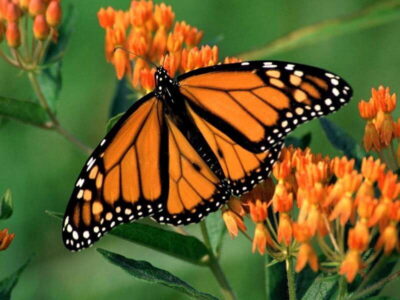
Monarch Butterfly Sanctuary Tour from Mexico City
Read our review →
Monarch Butterfly Sanctuary Day Trip from Mexico City
Read our review →
Monarch Butterfly Tour Mexico: Sierra Chuincua and Magic Town
Read our review →Browse the lists this tour appears in