
Reviewed · BASILICA OF GUADALUPE TOURS
Basilica of Our Lady of Guadalupe Visit
The most useful thing about this visit is that it treats Guadalupe as a whole sacred complex, not just a quick stop at the modern basilica. You move from the old church and hilltop chapel to the well chapel, museum, and main shrine, so the story unfolds in place.
I like the small maximum of 13 people, which leaves room for questions and a gentler pace. I also like the guides’ strong command of the site, especially Alejandro and Efrain, who explain the apparitions, art, Mexican history, and the meaning of each building in clear English. The main drawback is timing: the experience is offered on weekends from 10 a.m. to 2 p.m., and the complex can still be crowded.
In This Review
- Key points at a glance
- Why Guadalupe deserves more than a quick photo
- Starting at the Old Basilica
- The first parish and the Well Chapel
- Climbing to Capilla del Cerrito
- An hour with the Basilica Museum
- Paying respects at the New Basilica
- What the guides add to the morning
- Is the $98 price fair?
- Timing, comfort, and who should book
- Should you book the Guadalupe visit?
- FAQ
- How long does the Basilica of Our Lady of Guadalupe visit last?
- What language is the tour offered in?
- How many people can join the tour?
- Where does the tour begin?
- Where does the tour end?
- Which sites are included?
- Is museum admission included?
- Is bottled water provided?
- Can I cancel for a full refund?
Key points at a glance
- Six important stops in four hours: See the old Basilica, first Indian parish, two chapels, museum, and new Basilica.
- A guide changes the visit: You get context for the apparitions, architecture, paintings, and place of Guadalupe in Mexican culture.
- Small groups matter: The group limit is 13, with some departures becoming private tours when bookings are light.
- A thoughtful museum visit: The Basilica Museum receives a full hour, giving you time with its religious art collection.
- Good for many interests: This suits pilgrims, art lovers, first-time visitors, and anyone curious about Mexico City’s past.
- Plan for walking: A moderate level of fitness is requested, and the route includes the top of Tepeyac Hill.
Why Guadalupe deserves more than a quick photo
The Basilica of Our Lady of Guadalupe is one of Mexico City’s most important religious and cultural sites. For many people, it is a place of prayer and pilgrimage. For others, it is a way to understand how faith, national identity, art, politics, and local history have shaped Mexico.
You can visit on your own, but the complex is easy to underestimate. The large modern Basilica draws the eye, yet several older buildings nearby explain how devotion to the Virgin developed over time. Without a guide, you may see attractive chapels and paintings without understanding why they were built or how they relate to the apparitions.
This tour gives you a clear route through the site. You hear the story of the Virgin of Guadalupe while standing in the places connected with it, including the chapel at the top of Tepeyac Hill and the Well Chapel. That physical connection is the main reason to choose a guided visit.
I would recommend it most strongly if this is your first time at Guadalupe. It also works well for a religious pilgrimage, since the schedule leaves time to pay your respects at the new Basilica and, according to one Spanish-language account, may allow participation in Mass when circumstances permit. The supplied information does not promise Mass, so treat that as a possible part of the visit rather than a guaranteed feature.
More trips out to the Basilica of Guadalupe:
- Teotihuacan, Guadalupe Shrine & Tlatelolco Day Tour with Lunch
★ 5.0 · 11,603 reviews - Mexico City: Teotihuacan, Tlatelolco & Guadalupe Shrine Tour
★ 4.6 · 3,773 reviews - Mexico City: Teotihuacan, Tlatelolco & Basilica of Guadalupe
★ 4.7 · 975 reviews
Starting at the Old Basilica
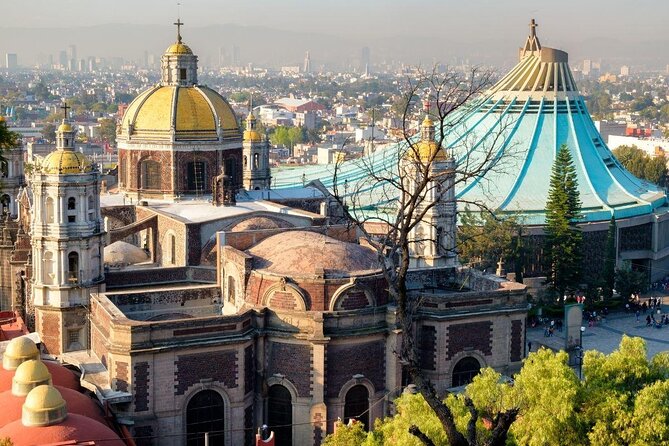
The meeting point is the atrium of the Expiatory Temple to Christ the King, also called the Templo Expiatorio a Cristo Rey. This is the Old Basilica, where the tour begins with the story of the Virgin’s apparitions.
You spend about 30 minutes here. That is enough time for an introduction to the site and its religious importance without using up the morning before you reach the smaller chapels. The guide’s explanation is the key feature. Alejandro, Efrain, Silvia, Mariana, and Alejandra Paredes Carrera are among the guides associated with this experience, and the strongest praise centers on clear explanations and an ability to answer questions.
The old church also gives you an early lesson in the changing role of Guadalupe. The tour is not limited to devotional details. Guides have explained the site’s connection to Mexico City, cultural changes, politics, and the country’s wider story. That broader view helps you understand why Guadalupe matters even if you are not Catholic.
The Old Basilica is also a practical starting point. You begin with the main story, then add detail as you visit the buildings connected with it. I prefer this order to wandering between structures without a map of the subject.
The first parish and the Well Chapel
The second stop is the Antigua Parroquia de Indios, visited for about 15 minutes. This was the Virgin’s first temple, dating from the 16th century.
Fifteen minutes is brief, but appropriate for a small historic church within a larger morning route. The guide can point out what makes this building important rather than treating it as another stop for a quick photograph. The age of the parish gives you a sense of how early the Guadalupe tradition took root.
Next comes Capilla del Pocito, the Well Chapel, for another 15 minutes. This chapel is connected with one of the Virgin’s apparitions and adds a different setting to the story. The change from a large basilica to a smaller chapel helps you see how the complex grew around specific places tied to the tradition.
These two stops may be the easiest to rush past on your own. I would pay attention to the guide’s explanation here, since the value is less about the size of the buildings and more about their place in the sequence of events.
The short visits also mean you need to be ready to keep moving. This is not a leisurely half-day with long pauses at every doorway. It is a guided circuit with a steady pace, although guides have adjusted the route for rest breaks, photographs, shopping, or other needs when possible.
Climbing to Capilla del Cerrito
Capilla del Cerrito is the chapel at the top of Tepeyac Hill and is associated with the Virgin’s first apparition. You spend about 15 minutes at this stop.
This is one of the most meaningful points on the route because it links the story to a specific place rather than leaving it as an abstract account inside a church. The hilltop position also changes your view of the complex and gives the visit a stronger sense of place.
The practical point is that the tour requests a moderate level of physical fitness. The route includes several buildings and the chapel at the top of the hill, so it is not ideal if you need a completely flat, seated visit. Reviews describe Alejandro arranging wheelchair service for a guest with a disability, and guides have shown patience with rest stops, but you should discuss mobility needs when booking rather than assume every service is included.
Take comfortable shoes and water. One bottle of water is included, but snacks are not, so eat beforehand or plan for a purchase during the day. The tour ends back at the starting point, which makes it easier to collect anything you leave there or continue with your own plans afterward.
A completely different day out, same corner of Mexico City:
- Xochimilco, Coyoacan and Frida Kahlo with Optional Lunch
★ 4.5 · 7,320 reviews - Balloon flight + Breakfast in cave + Pyramids + Pick up CDMX.
★ 5.0 · 6,335 reviews - Teotihuacan pyramids morning or afternoon without tourist traps
★ 5.0 · 6,186 reviews - Teotihuacan Early Access Guided Tour with optional Lunch
★ 4.5 · 6,138 reviews
An hour with the Basilica Museum
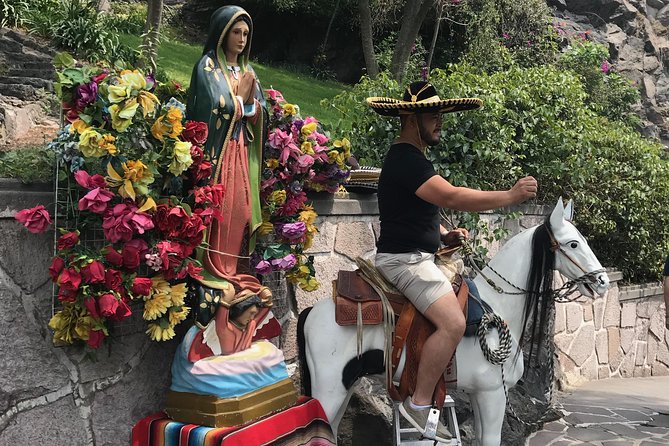
The Museo de la Basílica de Guadalupe receives the longest scheduled visit, about one hour. Admission is included.
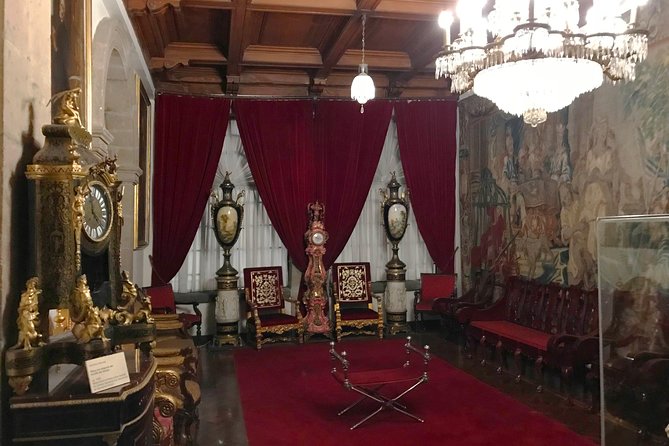
That hour is well spent. The museum is described as a striking religious art gallery, and it gives you a chance to look beyond the buildings themselves. Paintings and religious objects can reveal how the Virgin has been represented across different periods, and a guide can help you notice details that are easy to miss in a quick walk-through.
I especially value the museum because it slows the route down. The earlier chapels are short visits, while the museum gives you time to consider the visual side of Guadalupe. Guides have been praised for their love of art and for using images to make the story easier to follow.
The museum also makes the tour useful for people who are interested in art or Mexican culture but are not visiting as pilgrims. You can listen to the religious explanations while also asking about artistic choices, historical changes, and the way Guadalupe has shaped public life.
An hour is enough for a substantial introduction, but not for every object in detail. If you are a serious art enthusiast, you may want additional time on another visit. For most people, the guide’s selection of the most important works will make the collection easier to appreciate.
Paying respects at the New Basilica
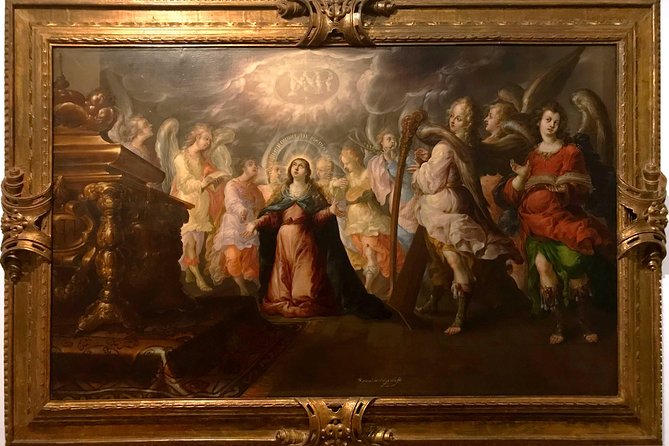
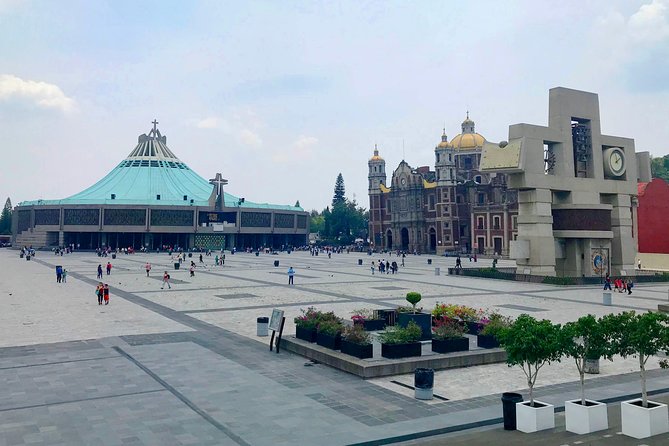
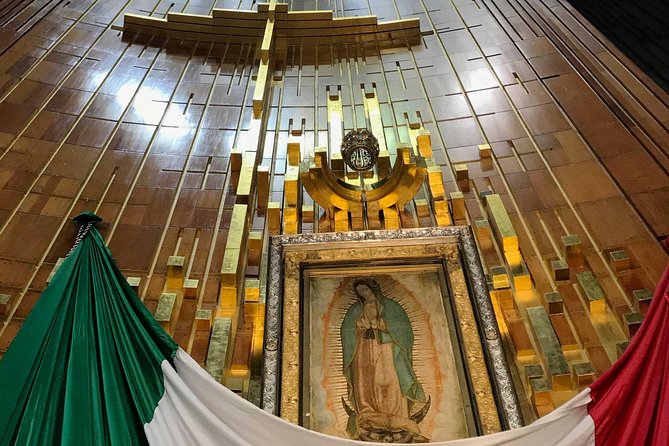
The final stop is the Basilica de Santa Maria de Guadalupe, the modern Basilica. You spend about 30 minutes here and have time to pay your respects to the Virgin.
This is the building most people picture when they hear Basilica of Guadalupe. Its large interior handles the site’s many visitors and gives the tour a fitting final stop after the older churches and chapels. By this point, you understand more about what you are seeing, so the modern building carries more meaning than it would at the start.
The guide also helps you approach the visit with respect. This is an active religious site, not simply a museum or sightseeing attraction. You may see people praying, attending services, or making a pilgrimage, so you should follow the guide’s instructions and keep your voice and photography appropriate.
Crowds are the main consideration. One account notes that starting early helps avoid heavier crowds, but the advertised schedule begins at 10 a.m., and the complex can still be busy. The four-hour structure helps because you keep moving rather than spending the whole visit in one crowded area.
What the guides add to the morning
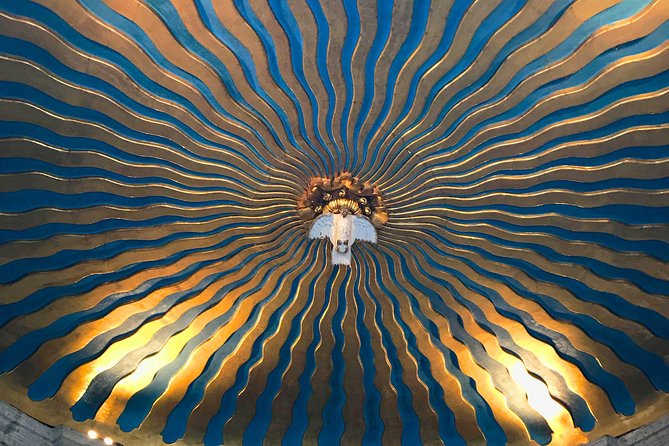
The guide is the reason to pay for this experience instead of simply arriving at the complex. The entrance fees for several stops are free, and the modern Basilica itself does not require an admission ticket. You are paying mainly for interpretation, organization, English-language support, and a small-group format.
Alejandro receives especially strong praise for explaining the apparitions and the surrounding area in a calm, detailed way. Efrain is described as friendly and attentive, with a willingness to adjust for restrooms, shops, and breaks. Mariana has helped with last-minute changes and offered practical suggestions about food and later plans. Silvia has used pictures to clarify the story, while Alejandra Paredes Carrera has led Spanish-speaking visitors through the churches, chapels, and museum.
Guides are not assigned by name in advance in the information provided, so you should not book expecting a specific person unless the operator confirms it. Still, the repeated pattern is clear: this is designed as an explanation-led visit, not a simple escort from one building to another.
The small group limit also matters. A maximum of 13 people is far easier to manage than a large coach group, especially in religious buildings where space and quiet matter. Some departures have become private tours when only one booking was made, but that cannot be promised.
Is the $98 price fair?
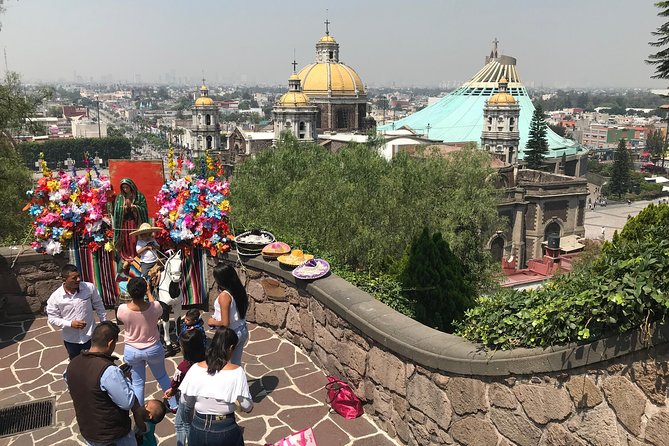
At $98 per person, this is not the cheapest way to see the Basilica complex. Many of the buildings on the route have no admission charge, and you can reach the area by public transportation.
The value comes from the four-hour structure and the guide’s attention. You cover six locations, receive an English-speaking explanation, spend a full hour in the museum, and avoid having to work out the order and meaning of the complex yourself. Bottled water and facility fees are included, though snacks and souvenirs are extra.
I think the price makes sense for first-time visitors who want a clear, informed introduction, especially those who would struggle with Spanish explanations or have limited time in Mexico City. It is less compelling for repeat visitors who already know the story, have their own research, or prefer to move at their own pace.
A private tour would normally cost more, so a small group of up to 13 offers a useful middle ground. You get personal attention without automatically paying a private-tour rate. If your booking becomes private, the experience may feel especially flexible, but again, that depends on the day.
Timing, comfort, and who should book
The activity lasts about four hours and is offered in English. The listed operating period runs from February 10, 2021, through March 7, 2027, with departures on Saturday and Sunday from 10 a.m. to 2 p.m.
The meeting point is at the Expiatory Temple to Christ the King in the Atrio de las Americas, in Gustavo A. Madero. The area is near public transportation, which is helpful, but you should allow enough time to reach the meeting point since the tour does not include a ride from your hotel.
Wear comfortable shoes and be prepared for a moderate amount of walking. The route includes the top of Tepeyac Hill, several religious buildings, and museum time. Bring patience as well as water, since active worship and crowds can affect how quickly you move.
The experience suits:
- First-time visitors who want the story explained in context
- Religious pilgrims who want to visit the important chapels and basilicas
- Families who benefit from a guide who can adjust the pace
- Art lovers interested in religious painting and objects
- English-speaking visitors who want more than a self-guided walk
It may not suit you if you want a quiet private visit, dislike fixed routes, or have difficulty walking without confirmed assistance. The operator offers free cancellation up to 24 hours before the start time. Changes or cancellations inside that window are not accepted, and poor weather can lead to a new date or full refund.
Should you book the Guadalupe visit?
Book it if you want to understand the Basilica complex rather than simply see the famous image of the Virgin. The route is well planned, the museum gets the time it deserves, and guides such as Alejandro and Efrain have shown the patience and subject knowledge needed to make a sacred site readable to outsiders.
The $98 price is easiest to justify when you value English explanations, a small group, and a well-organized half-day. I would choose it for a first visit, a pilgrimage, or a family outing where questions and rest breaks matter.
Skip it if you are comfortable researching the apparitions on your own, need a fully flexible schedule, or plan to spend only a few minutes at the Basilica. For everyone else, this is a thoughtful way to see the six main parts of Guadalupe and leave with a much clearer sense of why the site matters.
FAQ
How long does the Basilica of Our Lady of Guadalupe visit last?
The experience lasts approximately four hours, from 10 a.m. to 2 p.m. on the listed Saturday and Sunday departures.
What language is the tour offered in?
The tour is offered in English.
How many people can join the tour?
The maximum group size is 13 people. Some departures may become private if only one booking is made, but this is not guaranteed.
Where does the tour begin?
It begins at the Expiatory Temple to Christ the King, in the Atrio de las Americas in Gustavo A. Madero, Mexico City.
Where does the tour end?
The activity ends back at the meeting point.
Which sites are included?
The route includes the Old Basilica, Antigua Parroquia de Indios, Capilla del Pocito, Capilla del Cerrito, the Basilica Museum, and the New Basilica of Santa Maria de Guadalupe.
Is museum admission included?
Yes. Admission to the Basilica Museum is included. The other listed stops have no admission ticket charge.
Is bottled water provided?
Yes. Bottled water and landing and facility fees are included. Snacks and souvenirs are not included.
Can I cancel for a full refund?
Yes, if you cancel at least 24 hours before the experience starts. Cancellations or changes made less than 24 hours before the start time are not accepted for a refund. If poor weather causes the activity to be canceled, you will be offered another date or a full refund.
Just added around Mexico City
- Mexico City: Hop-on Hop-off City Tour by Turibus 2-Day Pass★ 4.0 · 10 reviews
- Anthropology Museum, Chapultepec Castle & Cable Car Tour★ 4.5 · 10 reviews
- Multi-Variety Mole Class in a Condesa home or art gallery rooftop★ 5.0 · 10 reviews
- PRIVATE TOUR Colonial Town Taxco and Cuernavaca from CDMX.★ 5.0 · 10 reviews
- El Centro Street Food Walking Tour★ 5.0 · 10 reviews
- Private Round-Trip Transportation to Teotihuacan Pyramids★ 5.0 · 10 reviews
- Teotihuacan and My Grandma’s Food Tour★ 5.0 · 10 reviews
- Private Walking Tour Legends and Events Historic Center CDMX★ 4.8 · 10 reviews
Basilica of Guadalupe Tours, compared.
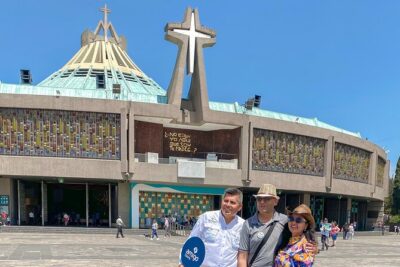
Teotihuacan, Guadalupe Shrine & Tlatelolco Day Tour with Lunch
Read our review →
Teotihuacan, Tlatelolco & Guadalupe Shrine Tour
Read our review →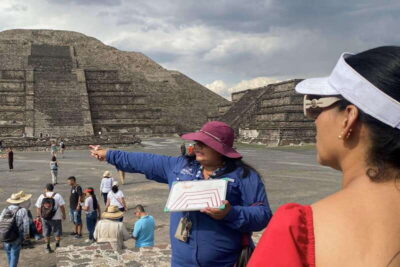
Teotihuacan, Tlatelolco & Basilica of Guadalupe
Read our review →
Private Tour: Teotihuacan and Guadalupe Shrine
Read our review →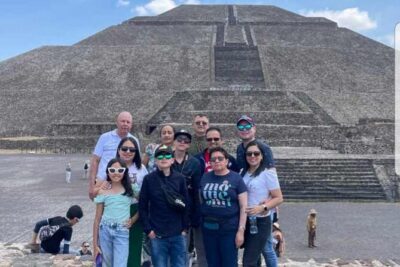
Teotihuacan Tour with Basilica of Guadalupe & Tlatelolco
Read our review →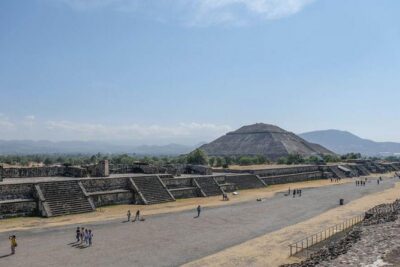
Teotihuacan, Shrine of Guadalupe & Tlatelolco Day Tour
Read our review →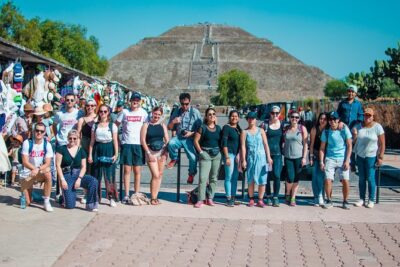
Pyramids of Teotihuacan, Guadalupe Shrine & Tlatelolco Tour
Read our review →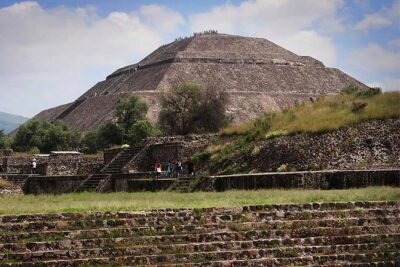
Teotihuacan & Basilica Guadalupe Tour with lunch
Read our review →Browse the lists this tour appears in