
Reviewed · MEXICO CITY
Bean to Beverage: Roast and grind cacao into chocolate
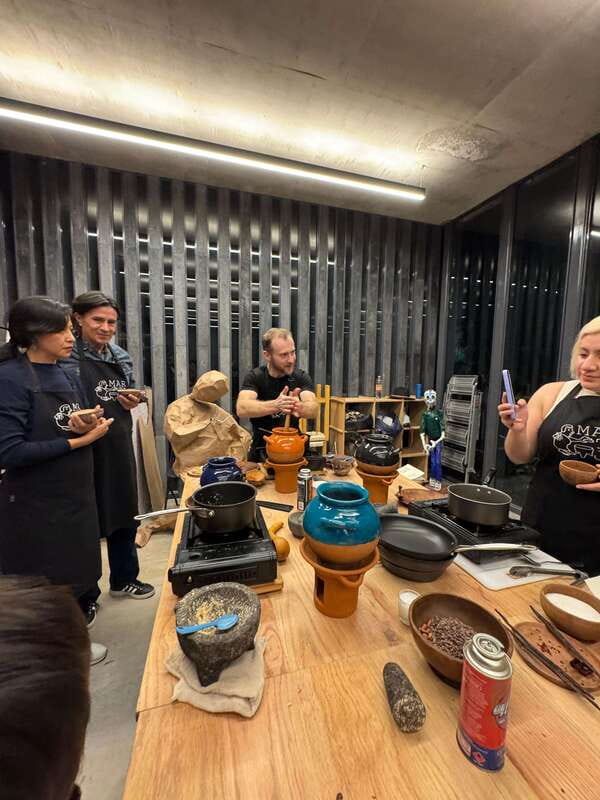
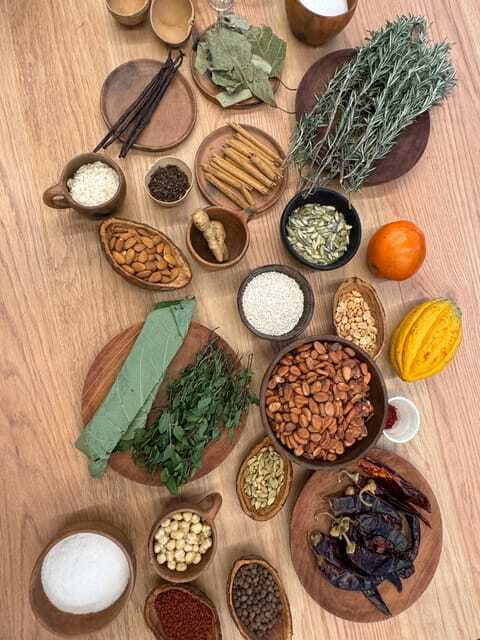
Cacao changes character before it ever becomes a chocolate bar. In this three-hour class at Jim’s Condesa home, you roast beans, crush them on a metate, and turn them into hot chocolate in the old Mesoamerican way. Then you build six drinks with ingredients such as chile, achiote, and avocado leaf.
I like the hands-on work, especially the metate grinding, and I like the way the class connects food with Maya and Aztec customs rather than treating chocolate as a modern sweet. Jim also has a warm, relaxed teaching style, and families with children as young as eight have found plenty to do.
The main drawback is that this is a home-based class in a building without an elevator. There are also two cats in the house, so anyone with serious allergies should plan carefully. At $115 per person, it is best value for people who want an intimate food lesson, not a quick tasting.
In This Review
- Key points to know before booking
- Cacao comes first, not the sugar
- Roasting beans at Jim’s Condesa home
- Grinding cacao the Maya and Aztec way
- Six cups, six chances to experiment
- From pre-Hispanic drink to modern favorite
- A relaxed table finish with dessert
- Who gets the most from this class
- Is $115 a fair price?
- Practical details that can affect your day
- Should you book Bean to Beverage?
- FAQ
- Where does the Bean to Beverage class take place?
- How long does the experience last?
- What languages are available?
- How many hot chocolate drinks will I prepare?
- Which traditional ingredients might I use?
- Is dessert included?
- Can I cancel or pay later?
Key points to know before booking
- You make six hot chocolate drinks: The class moves beyond one standard cup and lets you test different combinations of Mesoamerican ingredients.
- You use a real metate: Roasting and grinding the cacao by hand gives you a feel for the work behind the drink.
- Jim leads the class: He teaches in English or Spanish and brings strong knowledge of pre-Columbian food traditions.
- The setting is a Condesa home: Expect a small, personal cooking class rather than a large commercial studio.
- Families can take part: The class has worked well for families with children and teenagers.
- Dessert is included: Your drinks are served with a sweet accompaniment on artisanal serveware.
Cacao comes first, not the sugar
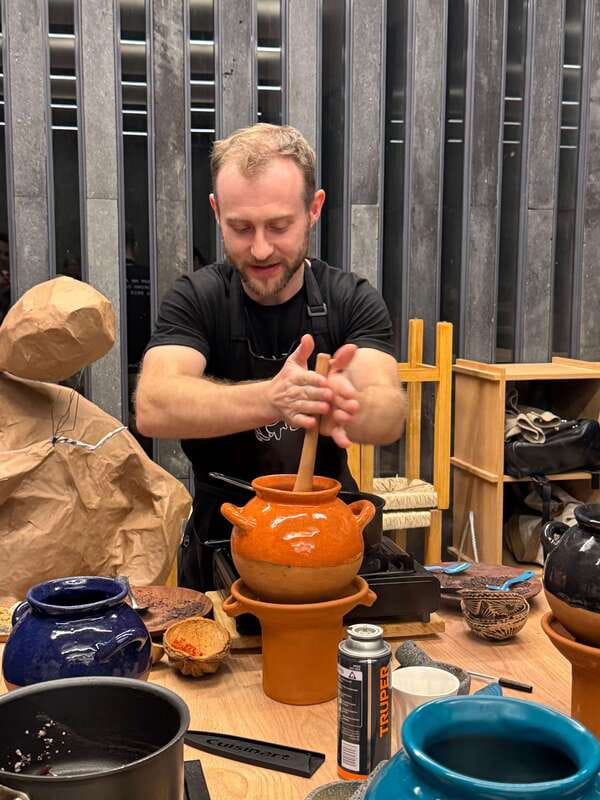
Many chocolate activities begin with a polished truffle or a glossy bar. This one starts much earlier. You meet cacao as a roasted bean, then follow it through the basic steps that turn it into a drink.
That simple choice gives the class its purpose. You do not just hear that cacao mattered in ancient Mesoamerica. You handle it, smell it after roasting, and work it into a paste with a stone tool. The process takes time and effort, which helps you understand why cacao was treated as a prized foodstuff.
Jim begins with the story of cacao in the Maya and Aztec worlds. The lesson focuses on its use during the pre-Hispanic period and on the ingredients people used to season the drink. He also explains how later international influences brought in things such as sugar and additional spices.
I like this approach because the historical talk stays tied to what is on the table. You learn a point, then taste or prepare something that makes the point clearer. That is far more useful than a long lecture with no connection to the food in front of you.
A few more Mexico City half-days to weigh up
- Mexico City: MUCHO Museum of Chocolate Entrance Ticket
★ 4.6 · 91 reviews - Cacao Chronicles: A Mexican Chocolate Tasting
★ 5.0 · 14 reviews - Magic Teotihuacan and Chocolate
★ 5.0 · 4 reviews
Roasting beans at Jim’s Condesa home
The class takes place in a private home in Condesa, giving the afternoon a domestic feel from the start. You put on an apron and work in the cooking area with Jim and his assistant. The setting is informal and relaxed, which suits a class built around touch, smell, and experimentation.
The first practical stage is roasting the cacao beans. This is where the raw material begins to take on the familiar aroma you associate with chocolate. You can see that the drink is not simply a powder mixed with hot water. There is a chain of small tasks behind it.
The class does not present the work as a race. That matters because the value is in learning the method. You get time to see how the beans change and to ask questions about the ingredients and the traditions tied to them.
If you are hoping to produce a refined confection, reset your expectations. This is a beverage workshop, not a pastry class or a bean-to-bar factory tour. The focus is the drink, the old tools, and the flavor choices that follow.
Grinding cacao the Maya and Aztec way
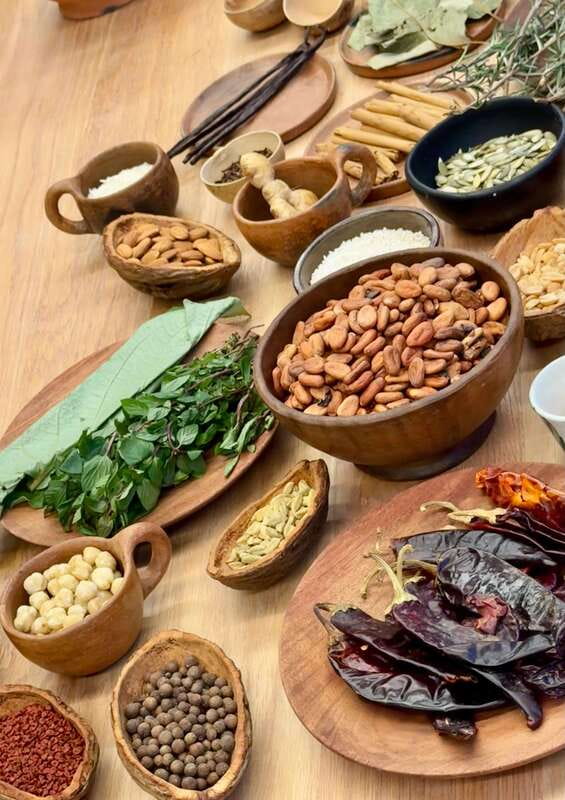
After roasting, you grind the cacao on a metate. This traditional stone tool is one of the most memorable parts of the class. It gives you a direct sense of the physical work involved in preparing cacao before modern kitchen equipment made the job easier.
The movement is simple to describe but more demanding to perform. You work the beans against the stone until they become suitable for the drink. That tactile step turns the history lesson into something you can feel in your arms and see on the surface of the metate.
I especially like this part for families and older children. It is active without being frantic, and it gives young participants a clear task. Parents do not have to settle for watching from the side. Everyone can take part in the preparation.
The class also gives you room to compare the cacao before and after grinding. This helps you notice texture and aroma instead of rushing straight to sweetness. If you normally think of hot chocolate as a packet, the metate provides a useful change of scale.
Six cups, six chances to experiment
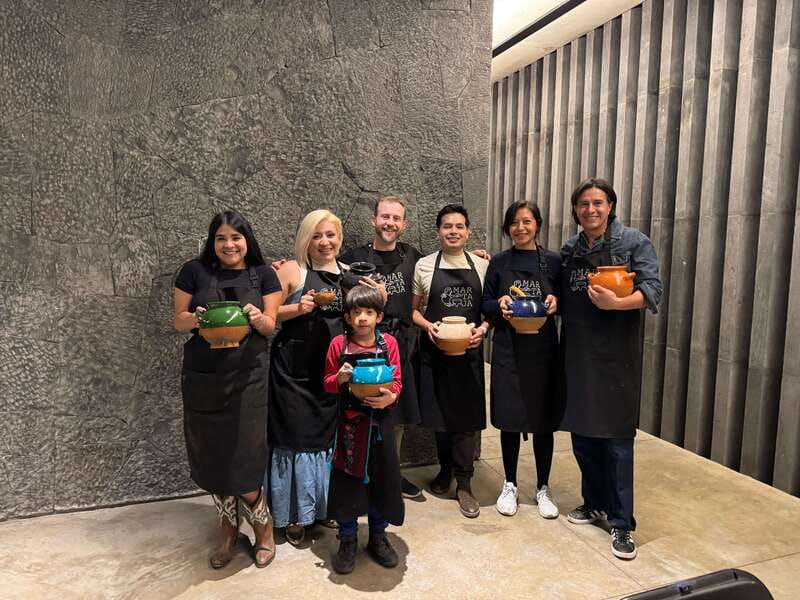
The class includes all the ingredients needed to prepare six different hot chocolate drinks. That does not mean six identical servings. You get to build different combinations and see how small additions alter the drink.
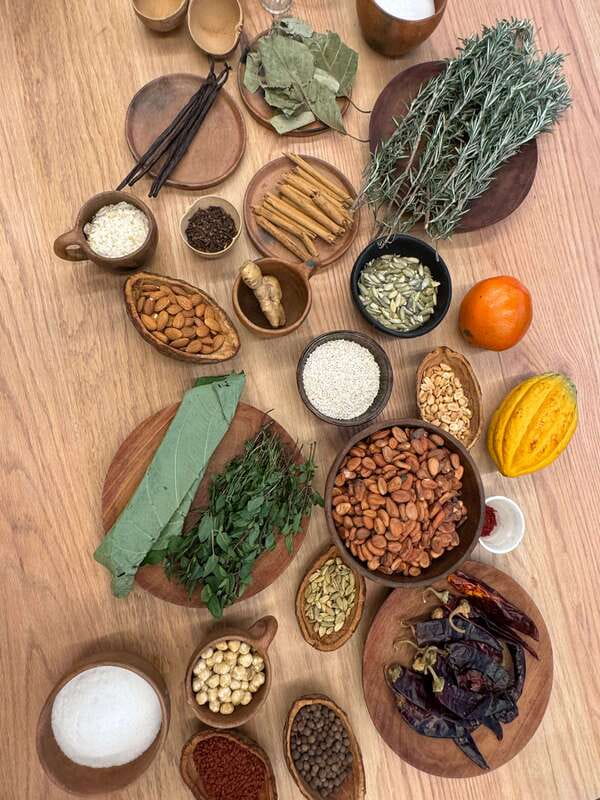
The ingredient list includes chile, achiote, and avocado leaf. These are not decorative extras. They bring heat, color, aroma, and savory notes that can shift the balance of the cacao. Jim encourages creative combinations, so you are not locked into one prescribed recipe.
Chile is the easiest ingredient to understand, but the others make the class more distinctive. Achiote is a familiar part of many Mexican food traditions, while avocado leaf adds an aromatic note that you may not expect in a sweet drink. The point is not to find one correct flavor. It is to notice how cacao can carry more than sugar and cream.
This is also where the workshop becomes personal. You can compare your choices with the people in your group and decide which combinations work for you. A private booking gives your party more freedom to set the pace, while a small group adds the fun of seeing how other people make their drinks.
Do not expect every cup to suit your taste. Some combinations may feel unusual, especially if you prefer very sweet, gentle hot chocolate. That is part of the value. You are testing the range of the ingredient rather than being served a single safe recipe.
A completely different day out, same corner of Mexico City:
- Teotihuacan, Guadalupe Shrine & Tlatelolco Day Tour with Lunch
★ 5.0 · 11,603 reviews - Xochimilco, Coyoacan and Frida Kahlo with Optional Lunch
★ 4.5 · 7,320 reviews - Balloon flight + Breakfast in cave + Pyramids + Pick up CDMX.
★ 5.0 · 6,335 reviews - Teotihuacan pyramids morning or afternoon without tourist traps
★ 5.0 · 6,186 reviews
From pre-Hispanic drink to modern favorite
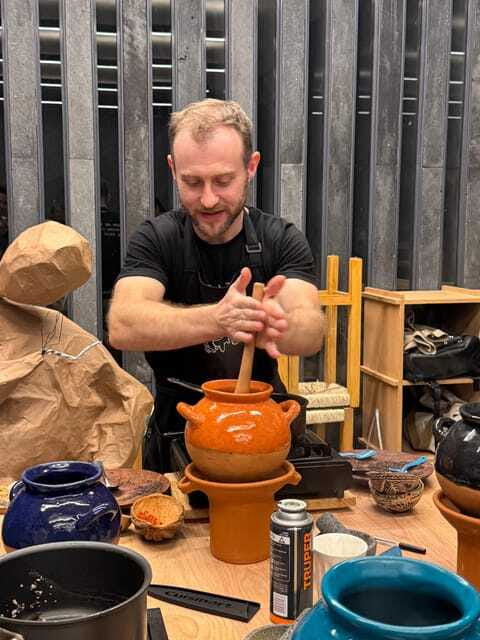
The historical thread continues as you taste. Jim explains the place of cacao in Maya and Aztec food culture, then connects those traditions with the later additions that shaped the hot chocolate familiar to many people today.
This makes the workshop useful for anyone interested in how food changes across cultures. Cacao did not arrive in its modern form all at once. The class presents the drink as a product of older local practices and later outside influences, with spices and sugar changing the way people prepared and enjoyed it.
The lesson is strongest when you keep your attention on the ingredients. You are not asked to memorize a long list of dates. Instead, you can taste how a drink built from cacao, chile, achiote, and avocado leaf differs from the sweet café version common in many places.
Jim also offers cooking classes focused on mole and tamales. Those are separate activities, but the mention is useful if you want to build a food-focused stay in Mexico City around the same host. The chocolate class itself remains centered on drinks and dessert.
A relaxed table finish with dessert
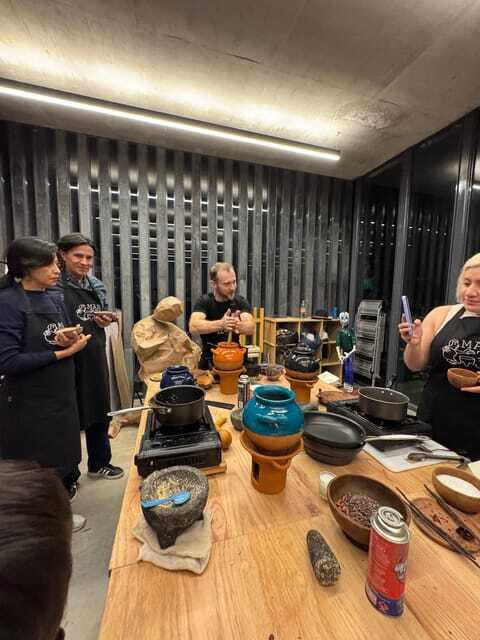
After the preparation, you sit down to enjoy the drinks. The table is set with artisanal serveware, which gives the final tasting a more considered feel than simply drinking at the kitchen counter.
You receive dessert alongside the beverages. This is a small but important part of the price. After working through six drink combinations, you have something sweet to pair with them and a proper pause at the end of the class.
The dessert also helps you compare the drinks in a new way. A flavor that seems strong on its own may work better beside a sweet bite. You can take your time and talk through the combinations rather than gulping down a single cup before moving on.
The experience has earned a perfect five-star rating from seven published bookings, with particular praise for Jim’s teaching, his welcoming manner, and the way he keeps children involved. The strongest pattern is clear: people appreciate the full path from bean to drink, not just the final tasting.
Who gets the most from this class
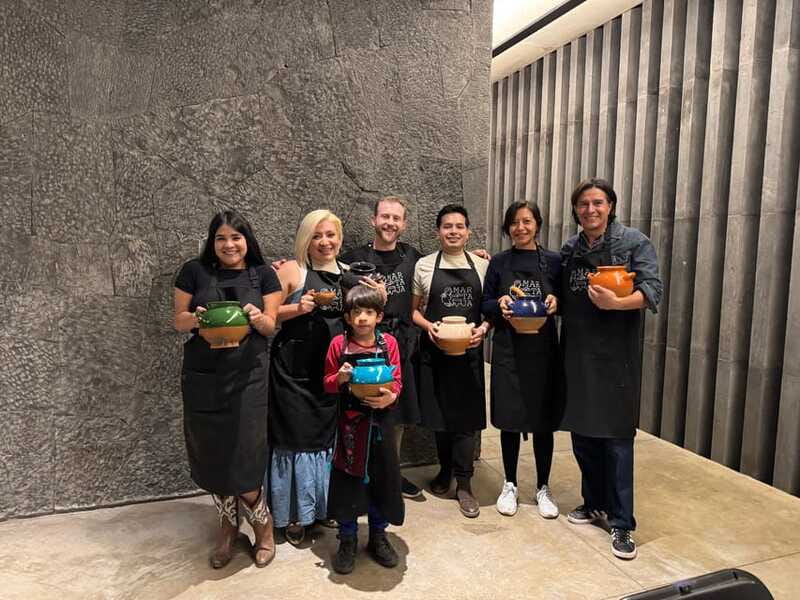
I would recommend this to people who enjoy food with a story attached to it. You will get more from the class if you are curious about traditional tools, unusual flavor combinations, and the way ingredients move across cultures.
Families are another good fit. Children and teenagers can roast, grind, mix, and taste, while adults get the cultural background. The class has worked well for families with children around eight to ten years old, which is a useful guide when planning activities for a mixed-age day.
Couples and small groups can enjoy the relaxed setting too. A private or small-group option gives you a more direct exchange with Jim and more control over how much you experiment. English and Spanish instruction make it accessible to a broad range of visitors.
I would be less inclined to recommend it if you want a fast, polished food stop between major sights. Three hours is a fair amount of time, and the process is the point. You should be happy spending an afternoon on one ingredient.
Is $115 a fair price?
At $115 per person, this is not a bargain snack. You are paying for three hours of instruction, six drinks, ingredients, a dessert, and a small-group or private setting in a home. The price makes more sense for people who value access and participation rather than quantity.
The six-drink format helps. You are not paying for one cup of hot chocolate and a short talk. You prepare the cacao yourself, try several combinations, and get a dessert at the end. The class also gives you context that would be difficult to gain from ordering a drink at a café.
Still, compare prices before you commit. The same class may cost less when booked directly through the Martaja website than through another booking channel. Check the direct price and the conditions carefully, since the difference can affect the value.
For a family, the total can rise quickly. On the other hand, this may replace several smaller food stops and gives everyone a shared activity. If your group includes children who need to stay active, the metate work and flavor testing are more engaging than a standard museum talk.
Practical details that can affect your day
The class lasts three hours, and starting times depend on availability. Leave enough room in your schedule so you are not rushing to the next reservation. The meeting point can vary by the option you book, so check the exact details before setting out.
The home building does not have an elevator. Wheelchair users have taken part before, but you should confirm the specific access needs for your booking in advance. The setting is not a purpose-built accessible cooking school.
There are two cats in the house. Allergy medication is available, and the animals are kept out of the cooking area, but this may not be enough for someone with a serious allergy. Contact the host about dietary requirements after booking. Many needs can be accommodated, but strict kosher preparation is not available.
Cancellation is flexible up to 24 hours before the activity for a full refund. You can also reserve now and pay later, which helps if your Mexico City plans are still shifting. Those policies reduce the risk, but they do not change the need to check the meeting point and access details.
Should you book Bean to Beverage?
Book it if you want a personal, hands-on look at cacao and you are willing to spend three hours on the process. Jim’s teaching, the Maya and Aztec context, the metate grinding, and the six flavor combinations give this class more substance than a simple chocolate tasting.
It is especially suitable for families, curious food lovers, and anyone who prefers a small home setting to a large group activity. I would also choose it for a second or third day in Mexico City, when you want to connect local food with the wider story of the city.
Skip it if you need a low-cost activity, dislike experimental flavors, or have serious cat allergies. Before booking, compare the direct Martaja price and confirm the building access. For everyone else, this is a thoughtful way to spend an afternoon turning an ancient food tradition into something you can taste and make yourself.
FAQ
Where does the Bean to Beverage class take place?
The class takes place at a beautiful home in Condesa, Mexico City. The exact meeting point may vary according to the option booked.
How long does the experience last?
The workshop lasts three hours. Starting times depend on availability.
What languages are available?
The class is offered in English and Spanish.
How many hot chocolate drinks will I prepare?
You will prepare six different hot chocolate drinks using the included ingredients.
Which traditional ingredients might I use?
The class includes ingredients such as chile, achiote, and avocado leaf. These can be combined with the cacao to create different flavors.
Is dessert included?
Yes. A dessert is served with the handmade hot chocolate drinks.
Can I cancel or pay later?
You can cancel up to 24 hours in advance for a full refund. A reserve now and pay later option is also available.
Just added around Mexico City
- Ticket to Frida Kahlo Museum (Blue House)★ 5.0 · 3 reviews
- Valle de Bravo: Forest Hiking Adventure★ 4.4 · 3 reviews
- La Roma Private Art Tour★ 5.0 · 3 reviews
- Private Transportation: Pickup and Drop-Off★ 5.0 · 3 reviews
- Chapultepec Castle and Anthropology Tour, starting from CDMX★ 5.0 · 3 reviews
- Mexico City: Relaxing or Decontracting Massage Experience★ 5.0 · 3 reviews
- Grutas de Tulantongo★ 3.0 · 3 reviews
- Mexico City: Local Walking Tour with Mezcal & Wrestling Show★ 5.0 · 3 reviews