
Reviewed · SAN MIGUEL DE ALLENDE TRIPS
Colonial Treasures: San Miguel de Allende, Guanajuato, Zacatecas and Guadalajara
Mexico’s colonial heart is spread across several states, and this 10-day road tour gives you a broad look at it without asking you to arrange every hotel, transfer, and city visit yourself. You’ll see pink-stone churches, silver-mining towns, independence landmarks, craft markets, museums, and grand central plazas from Mexico City west to Guadalajara and back.
I like two things right away: the route covers an impressive number of major cities, and the price includes nine breakfasts, airport transfers, a bilingual guide, and mostly four-star lodging. The small advertised group size of eight should also make the long drives easier than a large coach trip.
The catch is pace. Several days involve four to eight hours of sightseeing plus a long road transfer, and the published schedule has a confusing repeat of Pátzcuaro and an unclear Tequila section. English service can also be uneven, so you should confirm the language arrangements before paying.
In This Review
- Key points to know before booking
- What the $1,405 price really buys you
- Arrival in Mexico City and the road to Querétaro
- San Miguel de Allende, with little room for wandering
- Dolores Hidalgo and the independence story
- Guanajuato’s alleys, theaters, and underground roads
- Zacatecas, silver, and high-altitude walking
- Guadalajara and the question of Tequila
- Pátzcuaro and the Purepecha craft tradition
- Morelia’s pink stone and sweet market
- The Mexico City finale
- Guides, language, and the small-group reality
- Who should book it
- FAQ
- How long is the tour?
- Where does the tour begin?
- What cities and towns are included?
- Are hotels included?
- Are breakfasts included?
- Is airport transportation included?
- Is the tour conducted in English?
- How many people can join the tour?
- What is excluded from the price?
Key points to know before booking
- Eight cities and historic towns in 10 days: You visit Querétaro, San Miguel de Allende, Dolores Hidalgo, Guanajuato, Zacatecas, Guadalajara, Pátzcuaro, Morelia, and Mexico City.
- A road trip, not a relaxed city holiday: Several transfers take hours, and late arrivals can leave little free time.
- Nine breakfasts and nine hotel nights are included: Lodging is four-star outside Mexico City, with five-star options available only there.
- The guide makes or breaks the experience: The service is bilingual, but English fluency and the amount of English commentary may vary.
- Some excellent sights are only touched briefly: Guanajuato, Zacatecas, and San Miguel de Allende deserve more time than this schedule allows.
- Check the middle of the itinerary: The Tequila, Vicente Fernández ranch, Pátzcuaro, and Morelia arrangements should be confirmed in writing.
What the $1,405 price really buys you
At $1,405 per person, this tour costs about $140 per day before you account for the included hotels, breakfasts, airport transfers, and guide. That can be fair value for someone who wants a ready-made route through central and western Mexico.
The real saving is effort. You do not need to book nine nights, work out intercity transport, or decide how to connect places that are not always easy to link by public transportation. You also get a bilingual guide and planned visits in each city.
Still, the price does not cover lunch, dinner, drinks, or anything not specified. You should budget for meals during long driving days, entrance costs that may not be included at every stop, and personal purchases in craft markets.
The value drops if you want long visits in each historic center. This is a sampling tour. You see a lot, but you often move on just as a city begins to feel familiar.
More San Miguel de Allende trips:
- San Miguel de Allende Tour from Mexico City
★ 4.5 · 407 reviews - Private Historical Tour in San Miguel de Allende and Guanajuato
★ 5.0 · 27 reviews - Private Transfers To San Miguel de Allende
★ 3.5 · 21 reviews
Arrival in Mexico City and the road to Querétaro
Day one is simple. After landing at Benito Juárez International Airport, you receive a shared transfer to the hotel. The listed transfer time is about two hours, so allow for traffic and the airport arrival process.
The next morning begins at 9 a.m. That start time is manageable, but it affects the whole route. Leaving later means you may reach the next city in the afternoon, when only a short visit remains.
Querétaro is a strong opening stop. Its historic center has colonial mansions, pedestrian lanes, small plazas, and the famous aqueduct. The Convent of the Crosses adds a religious and architectural layer to the visit.
The city’s Historic Monuments Zone received UNESCO World Heritage status in 1996. You should think of Querétaro as a well-preserved urban center rather than a single must-see monument. Four hours gives you a useful introduction, though not enough for a slow museum day.
San Miguel de Allende, with little room for wandering
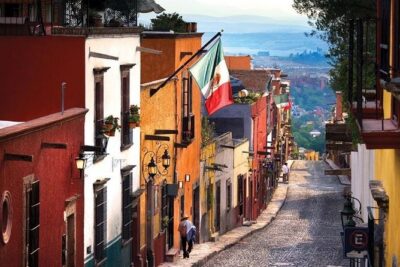
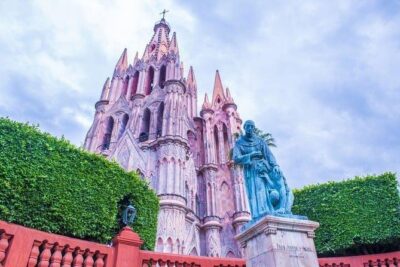
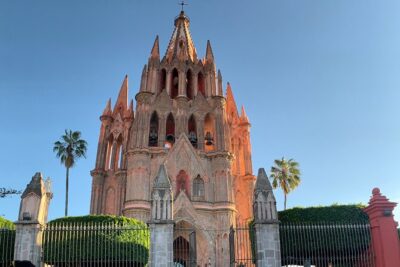
San Miguel de Allende is one of the most appealing stops on the route. The Parroquia de San Miguel Arcángel, with its pink neo-Gothic façade, gives the main square its familiar profile. The Holy House Chapel is also included.
You’ll have time for handicraft shops, restaurants, and bars, but the schedule may not give you much of it. Hotel location matters here. If your lodging is far from the center, a shuttle transfer or hotel change can eat into your free afternoon.
This is one place where I would want the hotel name before departure. San Miguel works best when you can step out and walk. A distant hotel is less convenient, especially when the route already gives you only a short stay.
Dolores Hidalgo and the independence story
Dolores Hidalgo is a brief stop with national importance. In 1810, Father Miguel Hidalgo began Mexico’s War of Independence here, making the town a useful link between grand colonial buildings and the country’s political birth.
You also visit the parish church and encounter the legacy of José Alfredo Jiménez, a major Mexican songwriter who was born here. The appeal is cultural and historical rather than monumental.
The drawback is clear: four hours for this town and the surrounding transfer can feel like a lot if your priority is time in Guanajuato or San Miguel. If you enjoy Mexico’s independence story, Dolores earns its place. If you mainly want art, architecture, and relaxed meals, this is one of the stops you may find too short and too compressed.
A completely different day out, same corner of Mexico City:
- Teotihuacan, Guadalupe Shrine & Tlatelolco Day Tour with Lunch
★ 5.0 · 11,603 reviews - Xochimilco, Coyoacan and Frida Kahlo with Optional Lunch
★ 4.5 · 7,320 reviews - Balloon flight + Breakfast in cave + Pyramids + Pick up CDMX.
★ 5.0 · 6,335 reviews - Teotihuacan pyramids morning or afternoon without tourist traps
★ 5.0 · 6,186 reviews
Guanajuato’s alleys, theaters, and underground roads
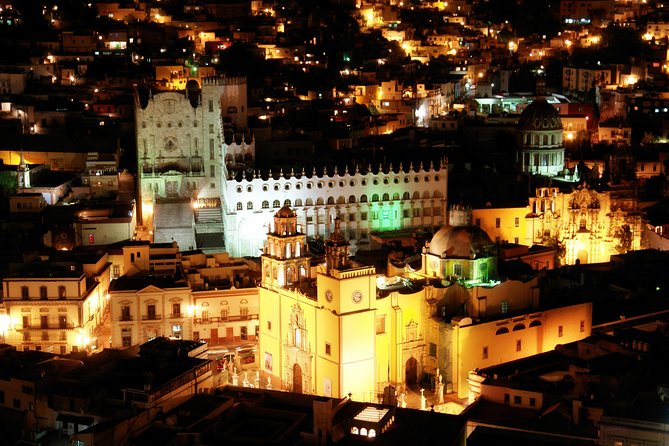
Guanajuato is one of the strongest parts of the route. Its colonial center climbs through narrow lanes and plazas, while subterranean roads run below the city. The layout is unusual even by Mexican standards, and a guided introduction helps you understand how the streets fit together.
The planned sights include the University of Guanajuato, Juárez Theater, Don Quixote Museum, Mummy Museum, Kissing Alley, Diego Rivera’s house, the Alhóndiga de Granaditas, and the Regional Museum of Guanajuato.
That list is far too long for a proper visit in one afternoon. Some stops may amount to seeing a façade or exterior rather than entering and exploring. If the Don Quixote Museum, Diego Rivera’s house, or the Mummy Museum matters to you, ask exactly which admissions are included and how much time is allotted.
I would rather see fewer places well here. Guanajuato rewards wandering, and a rigid checklist can miss the city’s best quality: the pleasure of turning down a lane and finding a small plaza or steep staircase.
Zacatecas, silver, and high-altitude walking
Zacatecas is a dramatic change. At roughly 8,100 feet above sea level, it is Mexico’s second-highest city, and the altitude can make walking feel harder than expected. Take the first afternoon slowly and drink water, especially during warm weather.
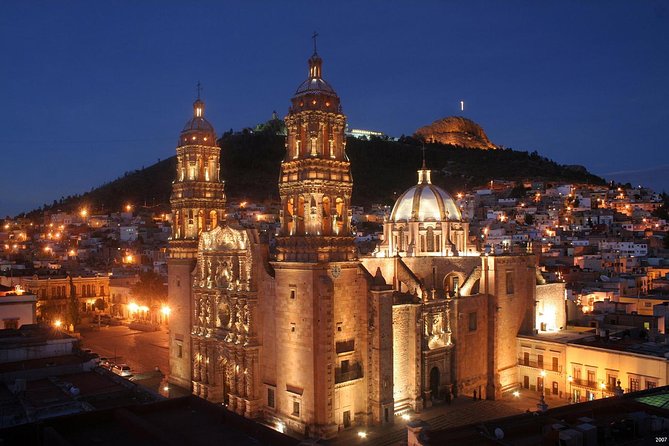
The cathedral anchors the historic center with elaborate Mexican Baroque detail. Colonial religious and civic buildings fill the surrounding streets, giving Zacatecas a strong visual identity.
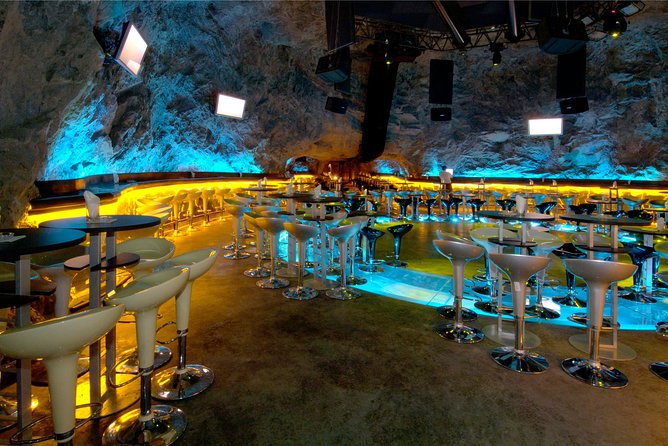
The tour also includes Mina El Edén, reached by aerial cable car. The mine adds a look at the silver economy that shaped the city, but it may not suit everyone. An underground visit can be tiring, and the mine portion may be conducted by a separate Spanish-speaking guide rather than your own bilingual guide.
The city deserves more than a quick cathedral visit and a mine excursion. If you have a choice, ask whether the mine can be exchanged for extra time in the historic center or one of Zacatecas’s museums. The city is home to important museums, including collections associated with the Coronel brothers, though they are not part of the stated schedule.
Guadalajara and the question of Tequila
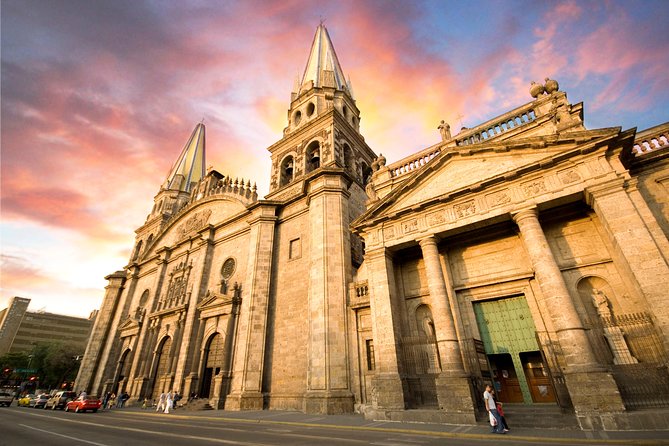
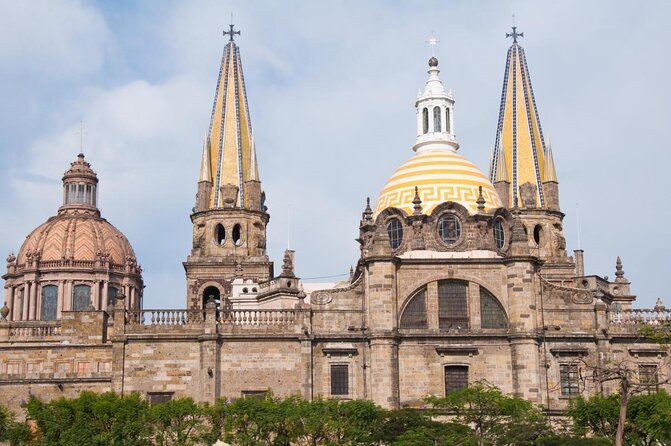
Guadalajara brings a different mood and scale. The city is associated with tequila and mariachi, and the historic center includes Plaza Tapatía, Guadalajara Cathedral, the Government Palace, and the Degollado Theater.
Six hours is enough for a solid orientation, but not enough to explore the city’s museums, markets, and neighborhoods at a leisurely pace. I would make the Orozco murals a priority if you care about Mexican muralism, but they are not listed among the included visits. Confirm whether there is free time for them or whether you must arrange a separate visit.
The next day is the least clear part of the schedule. It is labeled Tequila, but the description focuses first on Vicente Fernández’s ranch and the Tres Potrillos souvenir store, then describes a continuation to Pátzcuaro. The plan for visiting a tequila producer is not clearly explained.
That matters because Tequila is not just a passing label. If you expect a distillery tour or tasting, ask for the exact name, duration, and inclusions. If the ranch visit is your main interest, confirm how much access is allowed. The description says you may see only as far inside the ranch as the guards permit, along with the artist’s tomb.
Pátzcuaro and the Purepecha craft tradition
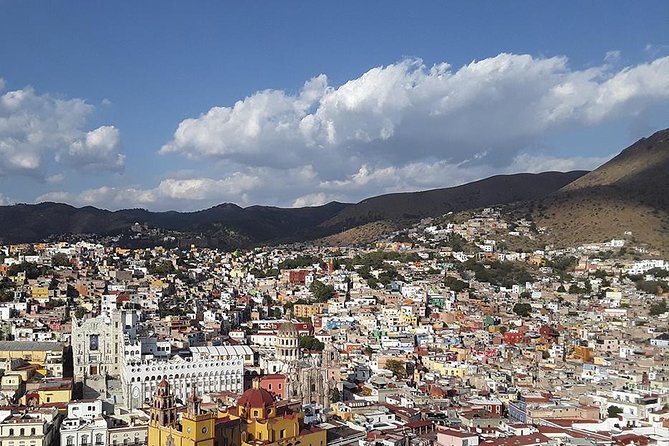
Pátzcuaro is listed on both day six and day seven, so you should clarify how many nights and how much sightseeing are actually planned there. The town sits beside Lake Pátzcuaro and is known for colonial buildings, Purepecha craftwork, and local customs.
The Basilica of Our Lady of Health and the House of the Eleven Patios are the main named sights. The latter is tied to local crafts, including woodwork, wrought iron, basketry, and embroidery. The central portals offer places to eat and sit with typical music nearby.
Janitzio Island is also named, but the schedule does not clearly say that a boat trip or island visit is included. Do not assume it is part of the day. Ask before you count it among your planned experiences.
Pátzcuaro is the kind of place that benefits from unhurried time. A short stop gives you the church, square, and craft shops, but not necessarily the lake area and island.
Morelia’s pink stone and sweet market
Morelia is another major strength. The city’s colonial buildings use pink cantera stone, and the historic center includes the cathedral, Plaza de Armas, Government Palace, Clavijero Palace, and the Guadalupe Temple at the San Diego Convent.
The aqueduct adds a memorable architectural view, while the Mercado de Dulces offers a lighter stop. You can browse candied coconut, sweetened fruits and vegetables, and local handicrafts. It is a good place to buy something small that reflects the region without spending much.
Four hours gives you a useful introduction to Morelia before the return drive to Mexico City. The timing is tight, so keep shopping focused and wear comfortable shoes.
The Mexico City finale
The final full day covers the historic center and several major sights. You visit the National Palace and Diego Rivera’s murals, Constitution Square, the Aztec Templo Mayor, and the Metropolitan Cathedral.
This is a valuable finish because Mexico City puts the colonial period beside the earlier Aztec capital. The Templo Mayor and cathedral are not isolated attractions. Together, they show the layers of power, religion, and urban life that shaped the capital.
The tour continues to Chapultepec Park and Zona Rosa, with restaurants and shops. Six hours can cover the main points, but Mexico City is too large to reduce to one day. If you have extra time before or after the tour, add it here rather than trying to squeeze more stops into the road itinerary.
Your final morning includes a shared transfer to the airport. Check the departure time carefully, since Mexico City traffic can be slow.
Guides, language, and the small-group reality
The service is described as English and bilingual, with a maximum of eight people. That is a good format for a route involving long drives and many city walks.
The guide names connected with this program include Roberto, Fabrizio, and Umberto. Roberto received especially strong praise for clear, engaging city explanations. Fabrizio was described as pleasant but difficult to understand in English, while Umberto tried to help but often had to speak mainly Spanish when most of the group preferred Spanish.
That is the key language issue. Bilingual does not always mean equal time in both languages. If you need English commentary, ask whether the guide will conduct the tour primarily in English or simply provide information in both languages when possible.
On long drives, useful narration may come in bursts rather than continuously. Bring water, headphones, and something to read. Music in the van has also been an issue for some people, so it is reasonable to ask for a quieter ride.
Who should book it
Book this tour if you want a broad first look at colonial Mexico, prefer having hotels and transfers arranged, and are comfortable with long road days. It suits people who value variety more than deep exploration of one city.
It is less suitable if you want slow mornings, independent museum visits, or guaranteed English commentary at every stop. You should also avoid booking without clarification if Tequila, Janitzio Island, the Orozco murals, or Zacatecas museums are central to your plans.
The 3.6 rating reflects a real tradeoff: the cities are excellent, the hotels and included breakfasts add value, and the route is ambitious. But the schedule can feel rushed, hotel changes can cause delays, and guide quality matters greatly.
Before booking, confirm the guide language, exact hotels, the Tequila plan, the two Pátzcuaro entries, and which museums or interiors are included. If those answers suit you, this can be a practical way to connect Mexico’s colonial cities in one organized trip.
FAQ
How long is the tour?
The tour lasts approximately 10 days and includes nine nights of accommodation.
Where does the tour begin?
It begins with pickup after your arrival at Benito Juárez International Airport in Mexico City.
What cities and towns are included?
The route includes Querétaro, San Miguel de Allende, Dolores Hidalgo, Guanajuato, Zacatecas, Guadalajara, Pátzcuaro, Morelia, and Mexico City.
Are hotels included?
Yes. Nine nights of accommodation are included. Hotels outside Mexico City are four-star, while five-star options are available only in Mexico City.
Are breakfasts included?
Yes. Nine breakfasts are included.
Is airport transportation included?
Yes. Shared transfers from the airport to the hotel and from the hotel to the airport are included.
Is the tour conducted in English?
The service is offered in English and uses a local bilingual guide. English ability and the amount of English commentary can vary, so confirm the language arrangements before booking.
How many people can join the tour?
The activity has a maximum group size of eight people, and at least two people are required per booking.
What is excluded from the price?
Food and drinks are excluded unless specifically stated. The cancellation terms allow a full refund when you cancel at least six full days before the start time.
Just added around Mexico City
- Ticket to Frida Kahlo Museum (Blue House)★ 5.0 · 3 reviews
- Valle de Bravo: Forest Hiking Adventure★ 4.4 · 3 reviews
- Chapultepec Castle and Anthropology Tour, starting from CDMX★ 5.0 · 3 reviews
- La Roma Private Art Tour★ 5.0 · 3 reviews
- Private Transportation: Pickup and Drop-Off★ 5.0 · 3 reviews
- Mexico City: Relaxing or Decontracting Massage Experience★ 5.0 · 3 reviews
- Grutas de Tulantongo★ 3.0 · 3 reviews
- Mexico City: Local Walking Tour with Mezcal & Wrestling Show★ 5.0 · 3 reviews
San Miguel de Allende Trips, compared.
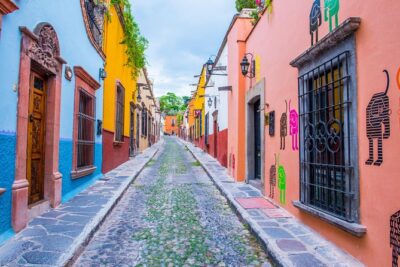

Private Historical Tour in San Miguel de Allende and Guanajuato
Read our review →
Private Transportation from Mexico City to San Miguel de Allende
Read our review →
Browse the lists this tour appears in