
Reviewed · CUERNAVACA DAY TRIPS
Cuernavaca: Museo Robert Brady Entrance Tickets
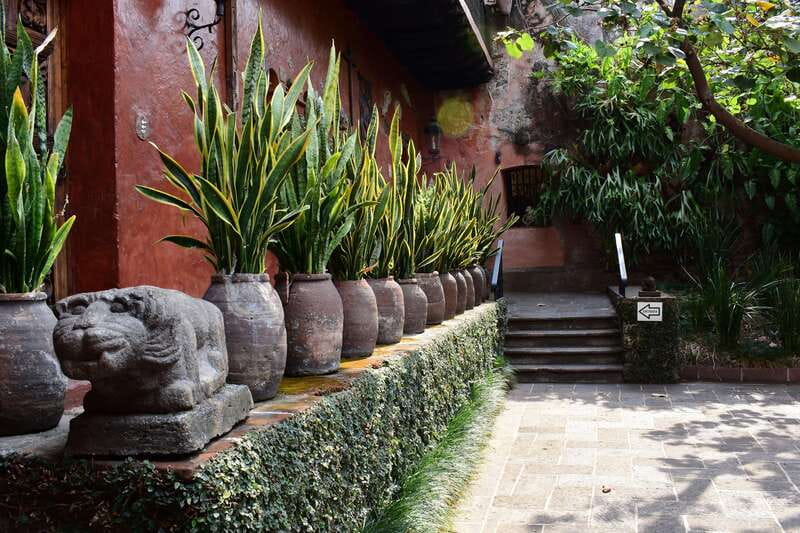
The Robert Brady Museum is not just a room full of paintings. It is an artist’s home turned house museum, set inside part of a 16th-century Franciscan convent behind Cuernavaca Cathedral. I like the way the building and collection work together, and I like the sheer range, from Mexican colonial furniture and pre-Hispanic figures to art from Africa, India, Oceania, and the Far East. The only real drawback is that your ticket does not include a guided tour, so you need to take your time and make sense of Brady’s world on your own.
At about $3.81 per person, this is an easy-value stop for anyone interested in art, design, or unusual historic homes. Plan around your visit to the cathedral and central Cuernavaca, since there is no parking, no re-entry, and no wheelchair access.
In This Review
- Key points to know before you go
- Why Robert Brady’s house is worth your time
- Entering Casa de la Torre behind Cuernavaca Cathedral
- The collection, from pre-Hispanic figures to modern painting
- Famous artists to look for inside the house
- Robert Brady’s personal vision of art and life
- How long to spend and how to plan the visit
- Is the low ticket price good value?
- Who will enjoy this museum most
- Small practical details that can shape the visit
- Should you book the Robert Brady Museum?
- FAQ
- Where is the Robert Brady Museum located?
- What does the entrance ticket include?
- Is a guided tour included?
- How many works are in the museum?
- Can I enter the museum again later the same day?
- Are students, teachers, and INAPAM visitors eligible to buy tickets online?
- Is the museum wheelchair accessible?
Key points to know before you go
- A 16th-century setting: Casa de la Torre occupies part of a former Franciscan convent behind Cuernavaca Cathedral.
- More than 1,300 objects: The collection covers Mexican art, colonial furniture, pre-Hispanic figures, and works from several world regions.
- Major Mexican names: Look for works connected with Rufino Tamayo, Frida Kahlo, and Miguel Covarrubias.
- A personal home, not a neutral gallery: Robert Brady arranged the rooms to express his own taste and way of seeing the world.
- A low-cost cultural stop: The modest entrance price makes this a strong choice for a short Cuernavaca visit.
- Plan for practical limits: Food, drinks, backpacks, luggage, flash photography, selfie sticks, and strollers are not allowed.
Why Robert Brady’s house is worth your time
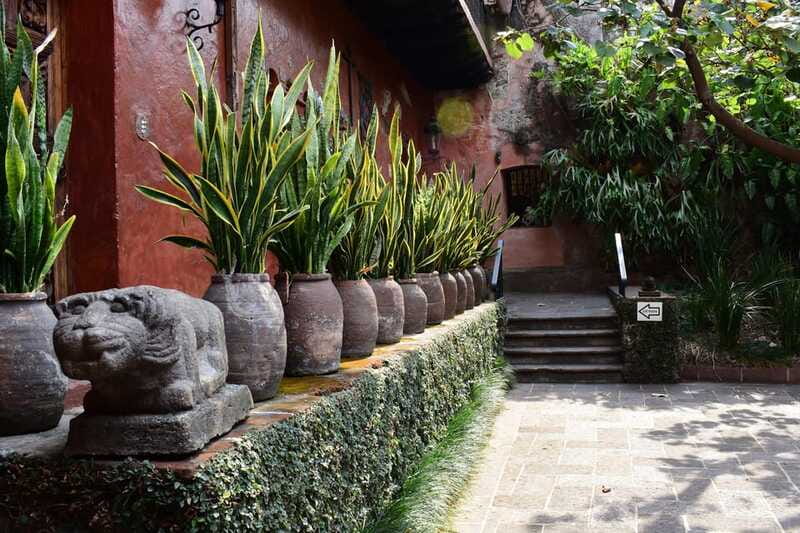
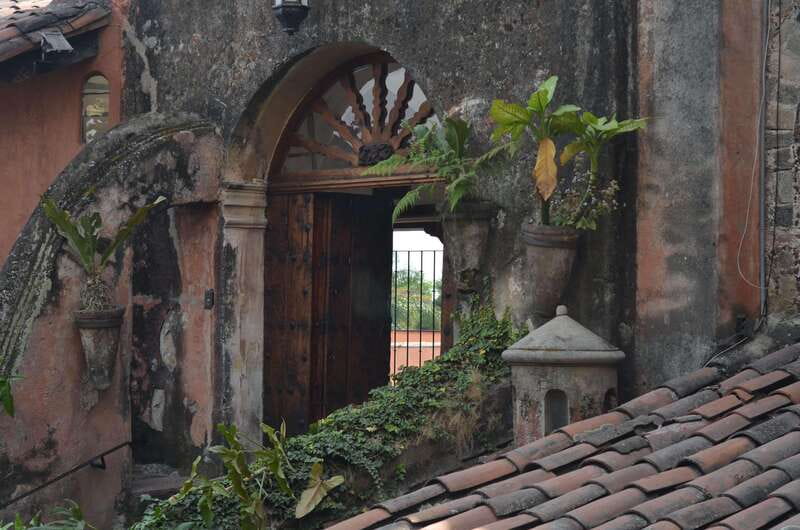
The strongest reason to visit is the unusual setting. You are not entering a modern museum designed to keep art at a polite distance. You are entering Casa de la Torre, a section of a 16th-century Franciscan convent that Robert Brady made into his home.
Brady was an American artist and collector who lived there for more than two decades. Born in 1928, he died in 1986, but the house preserves the way he brought art and objects together during his life. Each room reflects a personal choice rather than a strict museum category.
That matters because the collection feels connected to daily life. Furniture, paintings, decorative objects, and older pieces share the same rooms. Instead of moving from one isolated display to another, you get a sense of how a collector might actually live among the things he loved.
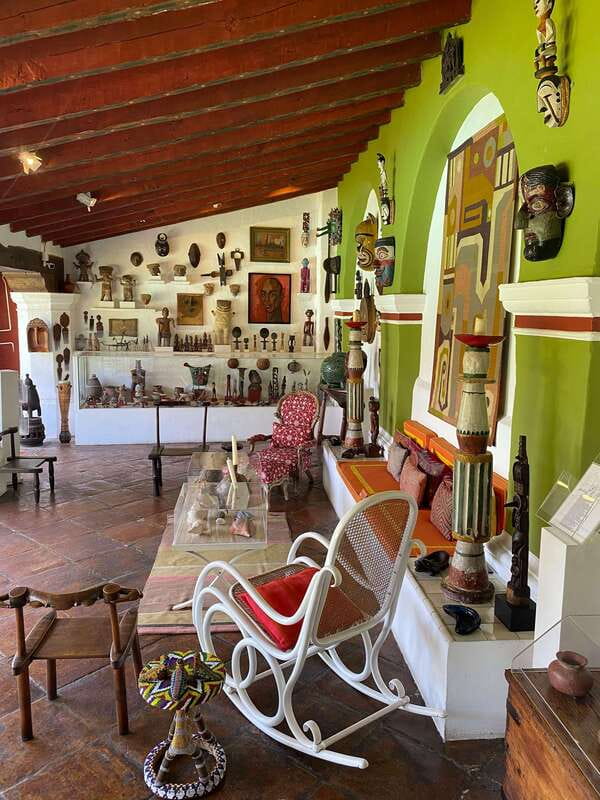
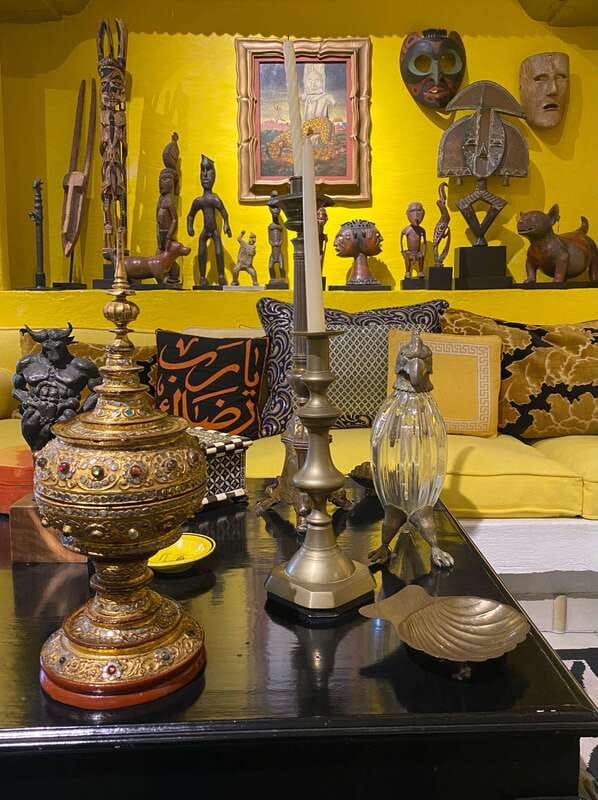
I especially like the mix of local and international material. Mexican colonial furniture and pre-Hispanic figures give the house a clear connection to Mexico, while objects from Africa, the Americas, Oceania, India, and the Far East widen the story. The result is not a simple survey of one art movement. It is a portrait of curiosity.
More Cuernavaca day trips:
- Taxco, Cuernavaca & Pre-Hispanic Mine optional visit
★ 4.5 · 597 reviews - Mexico City: Taxco & Cuernavaca Tour with Pre-Hispanic Mine
★ 4.6 · 271 reviews - From Mexico City: 10-Hour Cuernavaca and Taxco Tour
★ 4.0 · 133 reviews
Entering Casa de la Torre behind Cuernavaca Cathedral
The museum’s location makes it a natural addition to a central Cuernavaca day. Casa de la Torre sits behind the cathedral, so you can pair the museum with a look at the historic religious center without arranging extra transport between sights.
The building itself deserves attention before you focus on the art. Its convent origins give the visit a sense of age and place that a standard gallery could not provide. The house has been adapted for museum use, but its identity as a historic residence remains central.
You should expect a visit that rewards slow looking. Brady’s choices are spread through the house, and the point is not only to identify famous artists. Notice how the rooms bring together objects from different places and periods. A colonial piece may sit near a painting or decorative work from another part of the world, creating the kind of visual conversation Brady wanted.
Because there is no guided tour included, you set the pace. That is good news if you prefer to linger over a painting or move quickly through familiar material. It is less helpful if you want a clear explanation of every room, object, and period.
The collection, from pre-Hispanic figures to modern painting
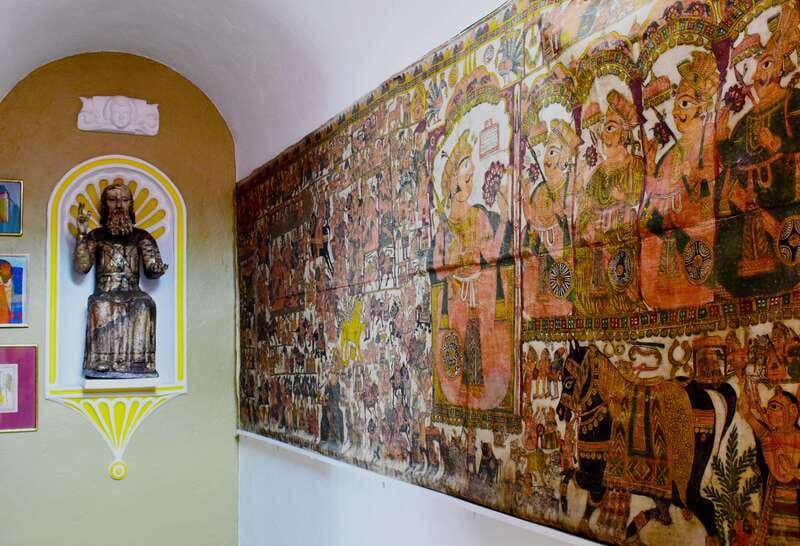
The museum contains more than 1,300 pieces, so you should not expect a quick glance at a handful of highlights. The range is the main attraction.
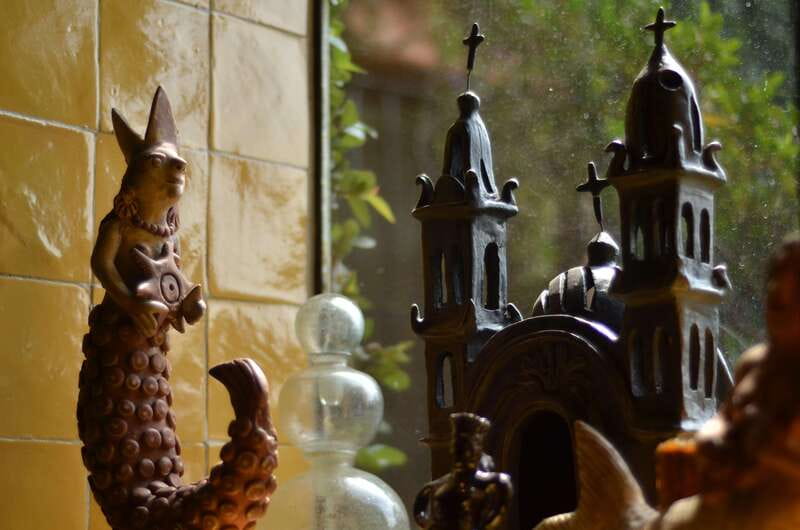
Mexican material provides one important thread. Mexican colonial furniture adds a sense of domestic history, while pre-Hispanic figures connect the collection to cultures that existed long before the convent and Brady’s house. These objects help ground the museum in Mexico rather than making it feel like an imported private collection.
Then the scope widens. Art from Africa, the Americas, Oceania, India, and the Far East appears within the same house. You may find the variety exciting, but it can also feel less orderly than a museum arranged by country or century. That is part of the bargain. Brady collected according to his own eye, not according to a textbook plan.
The best approach is to accept the house as a personal visual world. Look for links in color, shape, craft, and mood. Ask yourself why Brady placed one object beside another. You may not get a formal answer from a guide, but the arrangement invites you to think like a collector.
Famous artists to look for inside the house
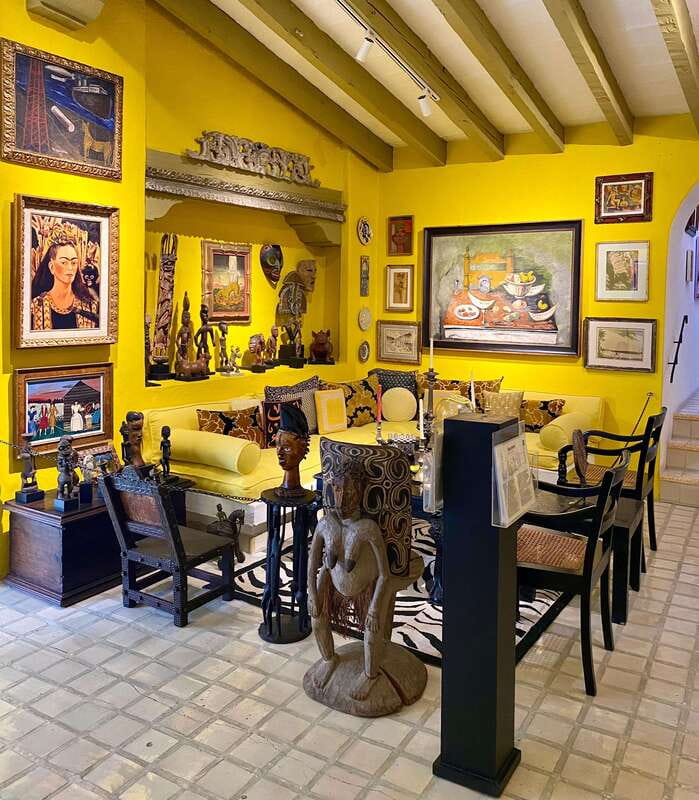
The collection includes important works by several well-known artists. The names specifically associated with the museum include Rufino Tamayo, Frida Kahlo, Miguel Covarrubias, Maurice Prendergast, Marsden Hartley, and Graham Sutherland.
For many people, Frida Kahlo and Rufino Tamayo will be the main draw. Their presence gives the museum real weight for visitors who want to see major Mexican art within a broader setting. Still, do not treat the visit as a checklist of famous names. The museum’s appeal comes from the relationship between the artists’ work and the house around it.
Miguel Covarrubias adds another important Mexican connection. Maurice Prendergast, Marsden Hartley, and Graham Sutherland broaden the collection beyond Mexico and show how far Brady’s interests reached.
The information available does not specify which individual works are on display in each room, so I would avoid arriving with a strict must-see list. Come ready to look at the whole setting. A painting that is less familiar to you may make more sense when seen beside the furniture and objects Brady selected.
A few more Mexico City half-days to weigh up
- Lucha Libre Tickets & Tacos & Beer & Mezcal – BEST NIGHT EVER!
★ 5.0 · 1,077 reviews - Frida Kahlo VIP [Museum Tickets Included] Bike, Markets & Churros
★ 5.0 · 1,072 reviews - Frida Kahlo VIP [Museum Tickets Included] Walk, Markets & Churros
★ 5.0 · 982 reviews - Mexico City: Frida Kahlo Museum Entry Ticket w/Digital Guide
★ 4.5 · 683 reviews
Robert Brady’s personal vision of art and life
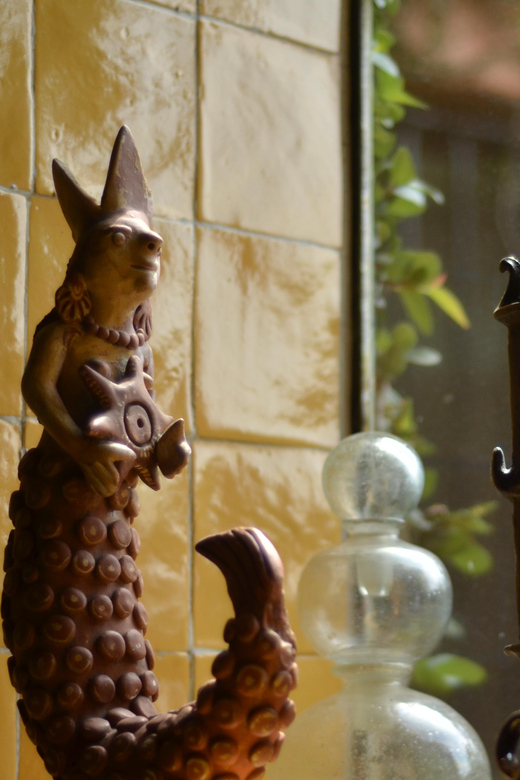
Robert Brady did more than acquire attractive objects. He designed the house around his own view of life, and that personal hand is one of the museum’s most interesting features.
You can think of the visit as part art collection, part interior portrait. The rooms show how Brady wanted art to function in a home. His choices were not hidden behind a curator’s neutral presentation. The house became a setting where painting, furniture, sculpture, and decorative objects could share space.
That approach makes the museum feel intimate, but it also asks something from you. You need to pay attention to arrangement and atmosphere, not just labels. If you prefer galleries with a clean timeline and detailed wall text, this may feel less direct. If you enjoy seeing how one person lived with art, it is a strong fit.
The house also became a meeting place for cultural and artistic figures. Names connected with Brady’s circle include Josephine Baker, Rufino Tamayo, Octavio Paz, Peggy Guggenheim, and Tamara de Lempicka. You should not expect those people to be present, of course, but their connection gives the house added cultural context.
How long to spend and how to plan the visit
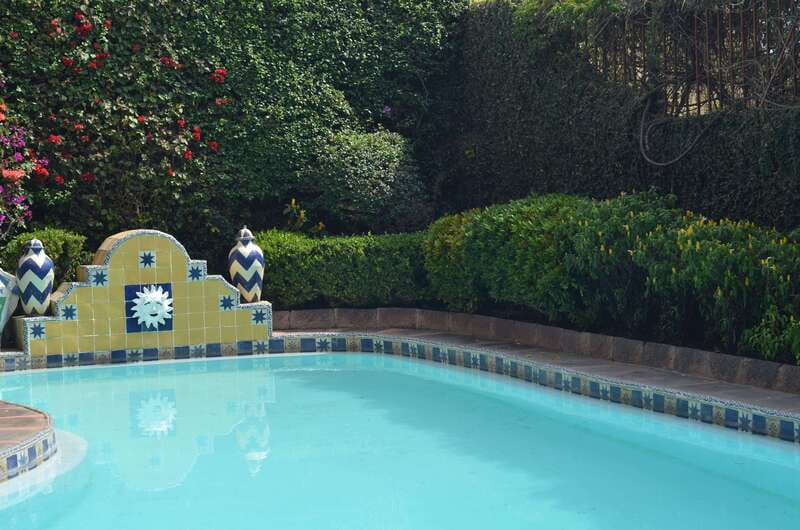
The ticket is valid for one day, but no fixed visit length is provided. That flexibility lets you decide how much attention to give the collection. I would avoid squeezing it into a rushed schedule, especially if you enjoy art museums where the setting matters as much as individual works.
The museum is well suited to a flexible Cuernavaca day. Visit the cathedral area, enter the museum, and then continue with other central sights. Since re-entry is not included, make sure you are ready to see the house before leaving. This is a small detail, but it matters if you are planning to break the visit into two short stops.
You also need to leave large items behind. Luggage, large bags, backpacks, food, drinks, chewing gum, selfie sticks, and non-folding strollers are not allowed. Flash photography is also prohibited. Baby strollers are not allowed, and assistance dogs are the exception to the general pet rule.
There is no parking at the museum. If you are arriving by car, treat this as a central walking stop rather than a drive-up attraction. Wheelchair access is not available, so visitors who require step-free access should take that limitation seriously before booking.
Is the low ticket price good value?
At $3.81 per person, the admission price is modest for the amount of material on view. You are paying to enter a historic house with more than 1,300 objects and works linked to internationally known artists. Even a shorter visit can make sense at this price, especially if you are already in the cathedral area.
The value is strongest for independent visitors. Since a guided tour is not included, the low price covers access rather than a full interpretive program. If you want room-by-room commentary, compare this entry ticket with the separate guided-tour option before booking.
The ticket also does not include re-entry. That means the best value comes when you can give the museum one focused visit instead of treating it as a place to pop in and out. Students, teachers, and INAPAM visitors should buy directly at the museum ticket office so valid credentials can be checked. The online price should not be assumed to cover those reduced categories.
You can cancel up to 24 hours before the visit for a full refund, and the reserve-now, pay-later option gives you some flexibility while planning. Those terms are useful if your Cuernavaca schedule is still shifting.
Who will enjoy this museum most
I would choose this experience if you like historic interiors, private collections, Mexican art, or museums that feel different from standard public galleries. It also suits anyone who wants a cultural stop with a manageable price and a central location.
Art students, teachers, design fans, and visitors with an interest in collecting will have plenty to examine. The mix of cultures makes it a good choice if you want more than a single-country art display. Fans of Frida Kahlo or Rufino Tamayo will have an obvious reason to come, though the house offers more than those names.
Families should note the restrictions on strollers, food, drinks, and backpacks. Visitors with mobility needs should also plan carefully because wheelchair access is not available.
I would be more cautious if you need a guided explanation to enjoy a museum. This ticket does not include one. You can still have a rewarding visit, but you will need to read what is provided, observe the rooms closely, and accept that Brady’s personal arrangement may not follow a simple story.
Small practical details that can shape the visit
The museum is a place for careful looking, not casual snacking. Eat and drink before entering, since food and drinks are prohibited. Keep your camera use discreet and leave the flash off.
Pack light. Large bags, luggage, and backpacks are not allowed, and there is no parking. If you are moving around Cuernavaca with shopping bags or day-trip gear, plan where those items will go before you arrive.
Do not count on leaving and returning later. Re-entry is not included, so build one complete visit into your day. The free-cancellation window of 24 hours gives you some room to adjust plans if needed.
One small caution comes from the wider visitor experience around the area: do not assume every nearby refreshment stop will be a highlight. A hot chocolate served at a cafe received a poor personal assessment, so I would keep expectations modest and choose drinks based on convenience rather than treating them as part of the museum experience.
Should you book the Robert Brady Museum?
Yes, if you want an affordable and unusual art stop in Cuernavaca. The combination of a 16th-century convent setting, Robert Brady’s former home, more than 1,300 objects, and works by artists such as Frida Kahlo and Rufino Tamayo gives the visit real substance.
Book it as an independent museum visit, not as a guided cultural tour. Allow enough time to look beyond the famous names, carry only what the museum permits, and plan around the lack of parking and wheelchair access.
If those limits work for you, the price is hard to argue with. The museum’s greatest strength is its personal character: you are seeing art arranged through one collector’s eyes, in the house where he lived with it for more than twenty years.
FAQ
Where is the Robert Brady Museum located?
It is located behind Cuernavaca Cathedral in Casa de la Torre, a section of a 16th-century Franciscan convent.
What does the entrance ticket include?
The ticket includes entry to Museo Robert Brady.
Is a guided tour included?
No. A guided tour is not included with this entrance ticket.
How many works are in the museum?
The museum collection contains more than 1,300 pieces, including art and objects from Mexico, Africa, the Americas, Oceania, India, and the Far East.
Can I enter the museum again later the same day?
No. Re-entry to the facilities is not included.
Are students, teachers, and INAPAM visitors eligible to buy tickets online?
Those tickets must be purchased directly at the museum ticket office so valid credentials can be checked.
Is the museum wheelchair accessible?
No. Wheelchair accessibility is not available.
Just added around Mexico City
- Ticket to Frida Kahlo Museum (Blue House)★ 5.0 · 3 reviews
- Valle de Bravo: Forest Hiking Adventure★ 4.4 · 3 reviews
- Chapultepec Castle and Anthropology Tour, starting from CDMX★ 5.0 · 3 reviews
- La Roma Private Art Tour★ 5.0 · 3 reviews
- Private Transportation: Pickup and Drop-Off★ 5.0 · 3 reviews
- Mexico City: Relaxing or Decontracting Massage Experience★ 5.0 · 3 reviews
- Grutas de Tulantongo★ 3.0 · 3 reviews
- Mexico City: Local Walking Tour with Mezcal & Wrestling Show★ 5.0 · 3 reviews
Cuernavaca Day Trips, compared.
Taxco, Cuernavaca & Pre-Hispanic Mine optional visit
Read our review →

6-Night Best of Central Mexico Tour: Teotihuacan Pyramids, Taxco, Cuernavaca and Puebla from Mexico City
Read our review →
Small Group: The Magical Colonial Towns of Taxco and Cuernavaca
Read our review →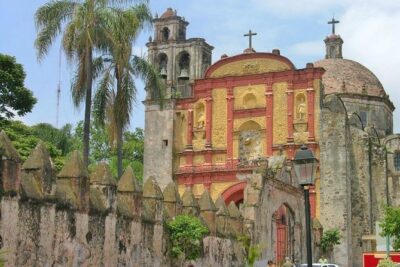
Browse the lists this tour appears in