Reviewed · FOOD
Eat and Explore Local Markets in Mexico City
Mexico City’s markets are not tidy displays made for tourists. They are working places where tortillas are made, produce changes hands, families shop, and curious food stalls sit beside herbs, toys, religious goods, and unusual remedies. This four-hour market tour gives you a way into that busy world without having to figure out the huge markets alone.
I especially like the generous food sampling and the guides’ care with the group. Ivan, Orson, Aremi, Dara, Denisse, and other guides are praised for clear English, local knowledge, humor, and patience. I also like that the tour uses the subway and bus, giving you a useful introduction to getting around central Mexico City. The main drawback is the walking: the route can cover more than three miles, and crowded market lanes may feel tiring or stressful.
In This Review
- Key points to know before you book
- Why these markets are best seen with a guide
- La Merced: breakfast in one of Mexico City’s great food markets
- Mercado Sonora: the market of spells, remedies, and folk belief
- Mercado de San Juan: Mexico City’s specialty food stop
- The food is plentiful, varied, and sometimes daring
- Walking, public transport, and crowded lanes
- The guides make the difference
- Who will get the most from this morning
- Is the tour good value?
- Should you book Eat and Explore Local Markets in Mexico City?
- FAQ
- How long does the market tour last?
- What time does the tour begin?
- Where does the tour begin?
- Which markets are included?
- What food is included?
- Is mezcal included?
- Where does the tour finish?
- How many people can join the tour?
Key points to know before you book
- Three very different markets: La Merced brings food and daily commerce, Mercado Sonora brings folk religion and witchcraft goods, and San Juan focuses on gourmet ingredients.
- A full breakfast is included: Expect quesadillas, tlacoyos, gorditas, tamales, coffee or tea, plus mole and fruit tastings.
- The food keeps coming: You may sample tacos, sweets, unusual fruit, edible insects, exotic meats, and mezcal with strange additions such as scorpions or tarantula.
- Small groups help: The maximum group size is 10, making it easier to stay together in crowded aisles and ask questions.
- Come ready to walk: The morning includes markets, public transportation, food stops, and standing in busy spaces.
- The final stop is Mercado de San Juan: The tour ends with a mezcal tasting, putting you near the historic center and other places you can visit afterward.
Why these markets are best seen with a guide
I like markets, but Mexico City’s central markets can be a lot to handle on a first visit. La Merced is enormous, and its lanes are designed for people who already know where they are going. Mercado Sonora has its own logic, while San Juan feels more like a specialist food hall than a standard neighborhood market.
A guide gives you more than directions. You get an explanation of what you are seeing, help choosing safe food stops, and someone to keep the group moving through tight spaces. Guides have also helped participants make purchases, answer questions about unfamiliar ingredients, and adjust the pace when someone needed a rest.
The tour is offered in English and begins at 9 a.m. near the Museo de la Ciudad in the historic center. The group can include up to 10 people, though some departures have been much smaller. That matters here. A group of four or six can move through narrow aisles far more easily than a large crowd.
The morning combines walking with subway and bus rides. The public transport is not just a way to get from one market to the next. It gives you a quick lesson in city movement and helps you understand how central neighborhoods connect.
More food tours in Mexico City:
- Historic Center Food Tour in Mexico City
★ 5.0 · 1,263 reviews - Polanco Food Tour: The Bestselling Food Adventure in Mexico City
★ 5.0 · 881 reviews - Colonia Roma Food Tour
★ 5.0 · 838 reviews
La Merced: breakfast in one of Mexico City’s great food markets
The first stop takes about two hours, and it is the heart of the food side of the experience. La Merced is one of Mexico City’s oldest and most traditional markets, with a constant flow of shoppers, vendors, carts, produce, prepared food, and household goods.
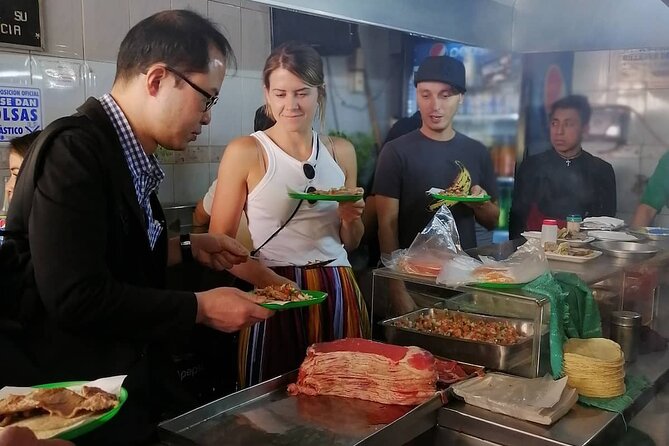
I would arrive hungry. Breakfast includes quesadillas, tlacoyos, gorditas, and coffee or tea. Depending on the stop and the group, you may also try tacos and tamales. The point is not to order one dish and move on. Your guide builds a series of tastings so you can compare textures, fillings, sauces, and regional styles.
Mole is another major part of the morning. You taste different moles, along with Mexican fruits and other local ingredients. This is useful because mole can mean much more than one familiar sauce. A guide can explain the differences as you taste instead of leaving you to guess from a row of containers.
The food is served in places selected by the guide, which is reassuring if you are cautious about street food. Guides have carried hand sanitizer, disposable spoons, tissues, and a small trash bag for the group. Clean restroom breaks have also been part of the practical care offered during the morning.
That does not mean you should ignore your own limits. Tell the guide about allergies, dietary needs, or foods you cannot eat before sampling begins. One gluten-free participant received thoughtful attention, but the supplied details do not promise a special menu for every restriction.
La Merced also gives you the clearest look at ordinary city life. You may see vendors preparing food from scratch, workers moving quickly through the aisles, and shoppers buying ingredients for home kitchens. One guide even arranged a stop at a local tortilla factory when a participant wanted a closer look.
Mercado Sonora: the market of spells, remedies, and folk belief
The visit to Mercado Sonora lasts about 30 minutes. This is the most unusual stop and also the one most likely to divide opinion.
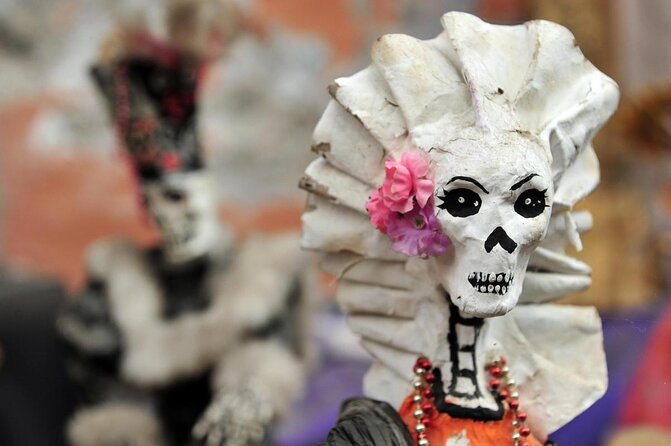
Mercado Sonora is widely known for witchcraft and folk-religion goods. You might find herbs, ritual objects, charms, animal-related products, religious items, and materials connected with spells and spiritual practices. The tour gives you a guided look at a side of Mexico City that many first-time visitors would miss.
I find this stop valuable because it adds cultural range to a food tour. Mexico City is not only tacos and museums. Its markets also reflect popular beliefs, private worries, healing traditions, and the ways people seek help or protection.
The setting can feel intense, especially if you are not used to the subject matter. One participant felt this market could be skipped, and that is a fair point. If your main goal is food, this half-hour may seem less rewarding than extra time at La Merced or San Juan. If you enjoy unusual cultural sites, it may be the most memorable part of the morning.
Your guide’s role matters here. The best approach is to explain what you are seeing without mocking it or treating it as a staged attraction. Guides such as Orson and Dara have been praised for making visitors feel at ease while showing areas they would not likely enter alone.
Mercado de San Juan: Mexico City’s specialty food stop
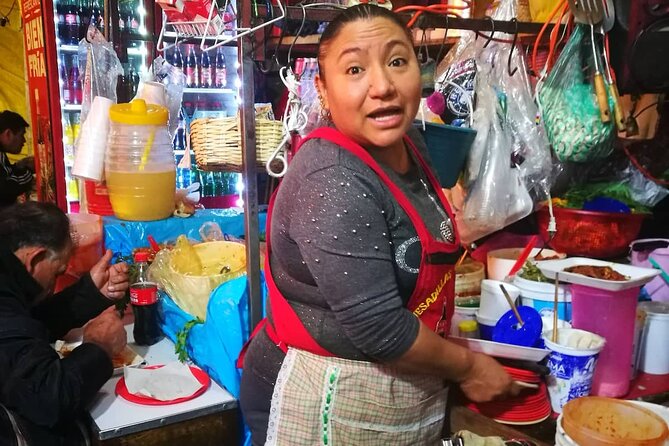
The final market visit takes about an hour and ends the tour. Mercado de San Juan is known as the city’s gourmet market, with special ingredients, unusual meats, and edible insects associated with Mexican cooking.
This is where the food becomes more adventurous. You may encounter insects, exotic meats, and mezcal flavored or infused with unexpected ingredients. Past tastings have included scorpions, wasps, and tarantula-infused mezcal. You are not required to eat anything that makes you uneasy, but the guide can explain what is being offered and let you decide how far you want to go.
For many people, the mezcal tasting is the grand finale. The experience includes alcoholic beverages and mezcal tasting, and the samples can range from traditional pours to unusual combinations. One useful detail from the guide is that Mexico City is not always the cheapest place to buy mezcal. If you want to purchase a bottle, ask about prices and regional options rather than assuming every bottle is a bargain.
San Juan is also a practical shopping stop. You might find ingredients, snacks, sweets, or food products to take home, although the tour is not primarily a shopping excursion. The guide can help you understand what you are seeing and may assist if you want to make a purchase.
The tour ends at Mercado de San Juan Pugibet on Calle de Ernesto Pugibet. From there, you can walk toward a craft market or the historic center, or arrange an Uber pickup. This makes the finish convenient if you want to continue sightseeing instead of returning to the starting point.
A completely different day out, same corner of Mexico City:
- Teotihuacan, Guadalupe Shrine & Tlatelolco Day Tour with Lunch
★ 5.0 · 11,603 reviews - Xochimilco, Coyoacan and Frida Kahlo with Optional Lunch
★ 4.5 · 7,320 reviews - Balloon flight + Breakfast in cave + Pyramids + Pick up CDMX.
★ 5.0 · 6,335 reviews - Teotihuacan pyramids morning or afternoon without tourist traps
★ 5.0 · 6,186 reviews
The food is plentiful, varied, and sometimes daring
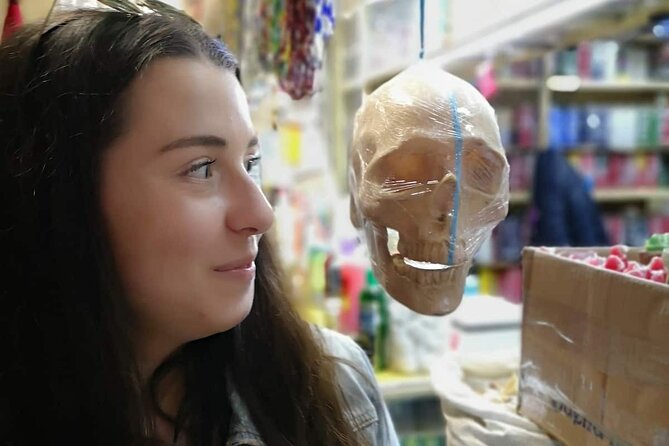
The strongest part of this experience is the range of tasting opportunities. You are not limited to one breakfast plate. Across the morning, you can sample:
- Quesadillas, tlacoyos, gorditas, tacos, and tamales
- Several kinds of mole
- Mexican fruits and local sweets
- Coffee, tea, and other local drinks
- Edible insects and unusual ingredients
- Mezcal, including specialty samples
The combination lets you choose your own level of adventure. I would be happy with the breakfast alone, but the insects and unusual mezcal make the experience more distinctive. You can try a small portion, ask questions, and move on without turning the tour into an eating contest.
The food has also been described as plentiful, so do not eat a large breakfast before meeting the group. Wear clothes that are comfortable around sauces and busy food stalls. Bring water if you prefer more than the supplied bottled water, though one bottle is included.
The guides’ preparation is a real benefit. Shared tastings work better when there are clean spoons, hand sanitizer, tissues, and clear instructions about what you are eating. That attention does not remove every risk associated with unfamiliar food, but it makes the experience feel organized rather than improvised.
Walking, public transport, and crowded lanes

The advertised duration is about four hours. The three market visits add up to roughly three and a half hours, with the remaining time used for transport and moving between stops.
The route can involve more than three miles of walking. I would not call it a difficult hike, but it is an active morning with prolonged standing, crowded aisles, stairs or transit movement, and little chance to sit whenever you wish.
This tour has worked well for older participants because guides have stopped for rests and adjusted their pace. One guide was especially patient with a participant recovering from knee replacement, and another took care with a senior parent. Still, you should mention mobility concerns at booking and understand that markets are not always easy spaces for wheelchairs or walkers.
Keep your phone and wallet secure. The crowded setting creates opportunities for pickpocketing, and one person in a group experienced a brief attempt to take a phone. The incident was quickly handled, but it is a useful reminder to use a zipped bag and avoid keeping valuables in open pockets.
The public transport portion adds value, especially if Mexico City is new to you. You learn how to move with a local guide rather than spending the morning inside a tour vehicle. It also means you should expect normal city crowds and allow yourself some flexibility.
The guides make the difference
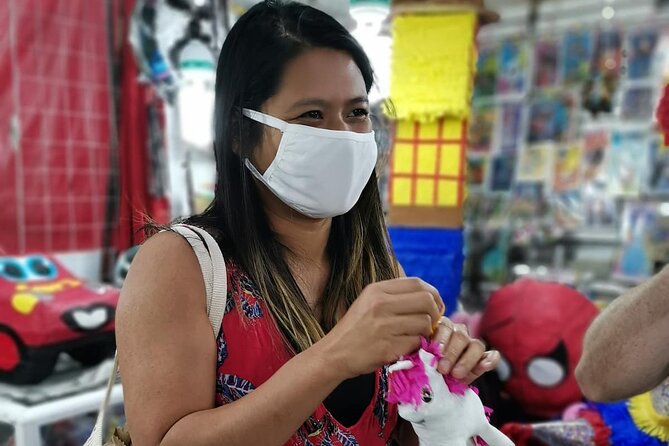
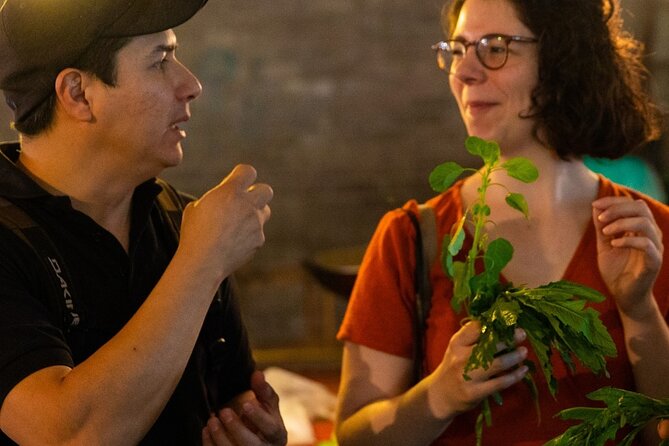
The experience appears to use several guides, including Ivan, Orson, Aremi, Dara, Denisse, and Aremy. Names are not always assigned in advance, but the strongest praise centers on the guides’ warmth, humor, organization, and ability to explain local life in clear English.
Ivan has been singled out for keeping groups safe, answering questions, adapting stops, and making the morning fun. Orson has been praised for historical context and careful preparation. Aremi and Dara have received similar praise for leading groups through packed market lanes and making first-time visitors comfortable.
That human element is important. A market tour can easily become a list of food samples with little meaning. Here, the guide connects the meal to daily routines, history, beliefs, ingredients, and city life. You leave with more than a full stomach. You have a better idea of how the markets work and how to approach them on your own.
The small-group limit of 10 supports that style. You can ask about an ingredient, pause for a photograph, or request help with a purchase without shouting across a large group. Assistants may also help keep everyone together on busy streets and public transport.
Who will get the most from this morning
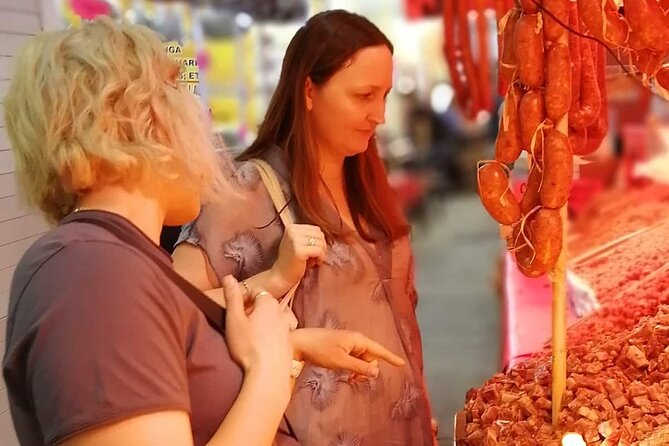
I would recommend this tour if you want food and culture in the same experience. It suits a first or second day in Mexico City because the guide gives you early orientation, introduces public transport, and helps you understand what you are seeing for the rest of your trip.
It is also a good match for adventurous eaters who want to try insects, unusual mezcal, local fruit, and several forms of traditional food. Curious shoppers will have chances to look at ingredients, souvenirs, toys, keepsakes, and market goods.
You may want to choose another activity if you dislike crowded places, cannot walk for several hours, or want a quiet sit-down food tour. Mercado Sonora may not appeal to everyone, and the route is more active than the phrase breakfast tour might suggest.
The 4.9 rating from 83 reviews and 96 percent recommendation rate point to a consistently strong experience, especially for the guides and the amount of food included. I would treat those figures as encouragement, not a guarantee that every departure will feel identical. The guide assigned to your group, the group size, and your comfort with busy markets will shape the morning.
Is the tour good value?
No price is provided here, so I cannot judge the exact cost. I can judge what you receive for the fee: a four-hour guided route, three markets, a substantial breakfast, multiple tastings, bottled water, mezcal, public transport guidance, and help navigating places that can be confusing on your own.
That is a strong package if you plan to eat your way through Mexico City and want context with the food. You are also paying for access and confidence. A guide who knows where to stop, how to keep the group together, and how to explain unfamiliar products can save time and prevent a disorganized morning.
The value is weaker if you only want a quick look at one market or if you will not eat much. In that case, you may prefer visiting a market independently and spending your money on a single meal. For most food-focused visitors, though, the variety makes the four hours worthwhile.
Should you book Eat and Explore Local Markets in Mexico City?
I would book it if you want a hands-on introduction to Mexico City’s food markets, especially early in your stay. You get breakfast, sweets, fruit, mole, insects, mezcal, transport practice, and cultural context in one compact morning.
Go with an open mind, a light breakfast, comfortable shoes, and a secure bag. Tell the guide about dietary or mobility concerns, take rests when needed, and remember that you can decline any tasting. If crowded markets and adventurous food sound appealing, this is one of the most useful ways to get beyond the city’s polished center and see how local commerce really works.
FAQ
How long does the market tour last?
The experience lasts approximately four hours.
What time does the tour begin?
The tour starts at 9 a.m.
Where does the tour begin?
The meeting point is the Museo de la Ciudad in Mexico City’s historic center, Centro, 06060 Mexico City, CDMX.
Which markets are included?
The tour visits La Merced, Mercado Sonora, and Mercado de San Juan.
What food is included?
Included food includes quesadillas, tlacoyos, gorditas, coffee or tea, mole tastings, and Mexican fruit. The route also includes other tastings such as tacos and tamales.
Is mezcal included?
Yes. Alcoholic beverages and a mezcal tasting are included at the end of the tour in Mercado de San Juan.
Where does the tour finish?
The tour ends at Mercado de San Juan Pugibet, 2a Calle de Ernesto Pugibet 21, Colonia Centro, Centro, Cuauhtémoc, Mexico City.
How many people can join the tour?
The maximum group size is 10 travelers. The experience is offered in English and is near public transportation.
Just added around Mexico City
- Mexico City: Hop-on Hop-off City Tour by Turibus 2-Day Pass★ 4.0 · 10 reviews
- Anthropology Museum, Chapultepec Castle & Cable Car Tour★ 4.5 · 10 reviews
- Multi-Variety Mole Class in a Condesa home or art gallery rooftop★ 5.0 · 10 reviews
- PRIVATE TOUR Colonial Town Taxco and Cuernavaca from CDMX.★ 5.0 · 10 reviews
- El Centro Street Food Walking Tour★ 5.0 · 10 reviews
- Private Round-Trip Transportation to Teotihuacan Pyramids★ 5.0 · 10 reviews
- Teotihuacan and My Grandma’s Food Tour★ 5.0 · 10 reviews
- Private Walking Tour Legends and Events Historic Center CDMX★ 4.8 · 10 reviews
Food, compared.
Polanco Food Tour: The Bestselling Food Adventure in Mexico City
Read our review →
Mexico City Historical Centre Food Tour with 7 Authentic Tastings
Read our review →
Mexico City Boat Tour Food and Unlimited Drinks Priority Boarding
Read our review →
Mexican Cooking Class with Food Market Visit in Mexico City
Read our review →
Local Foodie Adventure in Mexico: +10 dishes with Sherpa Tours
Read our review →