Reviewed · TOURS
EXCLUSIVE TOUR Luis Barragán Casa Ortega – small groups
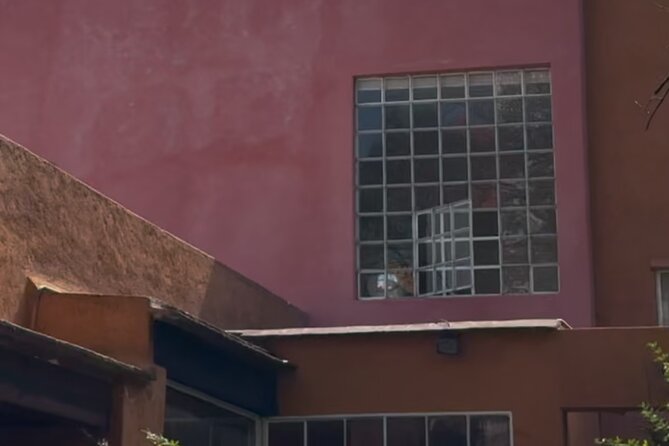
Casa Ortega gives you a rare look at Luis Barragán’s work in a house that still feels personal and lived-in. Next door to Casa Estudio Luis Barragán, this former home combines thick stone walls, wood panels, quiet courtyards, and carefully controlled light. I like the small groups of up to eight and the chance to see details that are easy to miss without a guide.
I also like the guides’ clear passion for Barragán. Daniel has explained each room in polished English, while Isaac has drawn attention to the house’s wood beams, fireplaces, furniture, and gardens. The main consideration is access: the tour costs $115.96 per person, lasts only about two hours, and has extremely limited availability.
In This Review
- Key points at a glance
- Entering Casa Ortega on Gral. Francisco Ramírez
- Why Casa Ortega matters in Barragán’s work
- The rooms: wood, stone, and controlled light
- The gardens and courtyards as outdoor rooms
- What a small group changes
- Is $115.96 a fair price?
- Timing, access, and practical planning
- Who will get the most from Casa Ortega?
- Should you book the Casa Ortega visit?
- FAQ
- Where does the Casa Ortega tour start and end?
- How long does the Casa Ortega visit last?
- How large is the tour group?
- Is the tour offered in English?
- Is admission included in the price?
- Can I cancel for a full refund?
Key points at a glance
- A rare Barragán house visit: Casa Ortega is a lesser-known work beside the famous Casa Estudio Luis Barragán.
- Small groups matter: No more than eight people are allowed, and some departures may feel almost private.
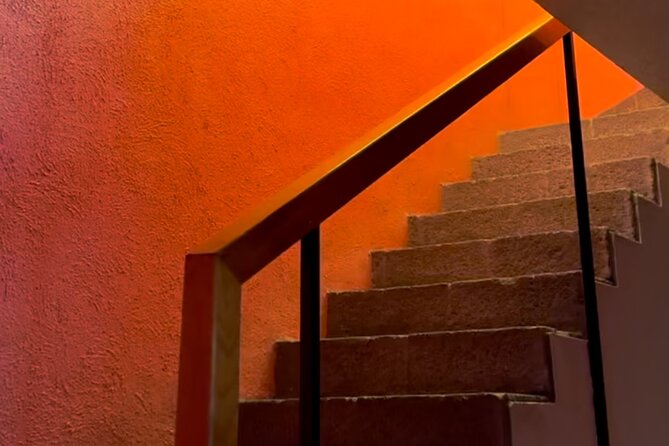
- Look for the light: The tour explains how Barragán uses shadow, color, texture, and open space.
- Gardens are part of the design: Courtyards and planted spaces are treated as rooms, not decoration.
- English guidance is included: Guides named Daniel, Alex, and Isaac have led visits in clear English.
- Plan ahead: The tour is often booked 29 days before the date, and cancellation is free until 24 hours before departure.
Entering Casa Ortega on Gral. Francisco Ramírez
The meeting point is Gral. Francisco Ramírez 22 in the Daniel Garza area of Miguel Hidalgo, Mexico City. The activity begins and ends at this address, so you do not need to arrange a separate return transfer.
Casa Ortega sits next to Casa Estudio Luis Barragán, but the experience is not simply an add-on visit to the more famous house. You are coming to see a separate work, one that helps explain how Barragán handled domestic space, privacy, and the transition between rooms and gardens.
The address is near public transportation, which helps, though the tour does not include transportation from your hotel. Give yourself enough time to reach the meeting point. A late arrival could be difficult because access is tightly controlled and the group is small.
The house is currently occupied and preserved by a Mexican architect who is a descendant of the original owner. That detail changes the mood. You are not walking through a stripped-out museum with every personal trace removed. You are seeing a place connected to its original story, with a current owner who understands architecture and Barragán’s importance.
At one point, the owner may briefly meet the group in his studio. This is not presented as a guaranteed private conversation, but it can add a memorable human touch to the visit.
Other Mexico City days people book alongside this one:
- Teotihuacan, Guadalupe Shrine & Tlatelolco Day Tour with Lunch
★ 5.0 · 11,603 reviews - Xochimilco, Coyoacan and Frida Kahlo with Optional Lunch
★ 4.5 · 7,320 reviews - Balloon flight + Breakfast in cave + Pyramids + Pick up CDMX.
★ 5.0 · 6,335 reviews
Why Casa Ortega matters in Barragán’s work
Luis Barragán is known for turning simple forms into powerful spaces. His buildings often use plain walls, strong colors, water, gardens, and carefully framed views. At Casa Ortega, the interest is not in decoration piled on top of architecture. It is in how the house directs your attention.
The design brings together traditional Mexican ideas and mid-century modern forms. You might notice thick stone walls beside metal-framed windows, large wooden furniture beside straight stucco fireplaces, and heavy ceiling beams that appear to float over the rooms.
This mixture is useful to understand. Barragán was not copying a single style. He was working with local materials and familiar Mexican architectural ideas while also using the clean lines and open planning associated with modernism.
The house is also a lesson in restraint. A wall may be mostly blank, yet its color and position can make it feel like the main feature of a room. A narrow opening can control what you see next. A dark passage can make a bright courtyard feel stronger.
Without explanation, you may simply notice that Casa Ortega feels calm. With a good guide, you begin to see why. Daniel, Alex, and Isaac have each been praised for explaining the historical background and design choices in clear English. The guide’s role is important here because many of Barragán’s best effects are quiet rather than showy.
The rooms: wood, stone, and controlled light
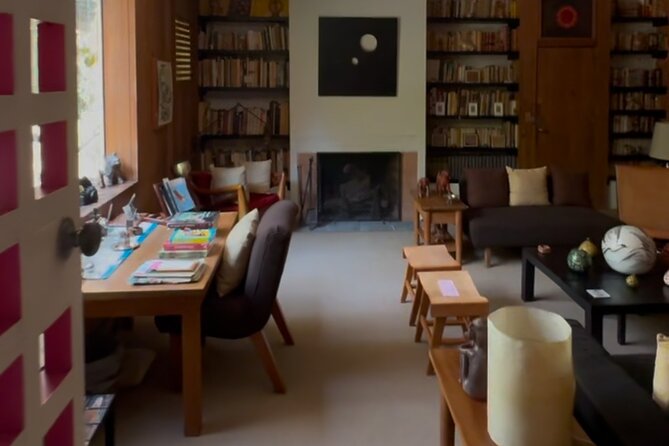
The interior is where Casa Ortega reveals its strongest character. Expect a sequence of rooms and spaces rather than a rapid march through a checklist of objects.
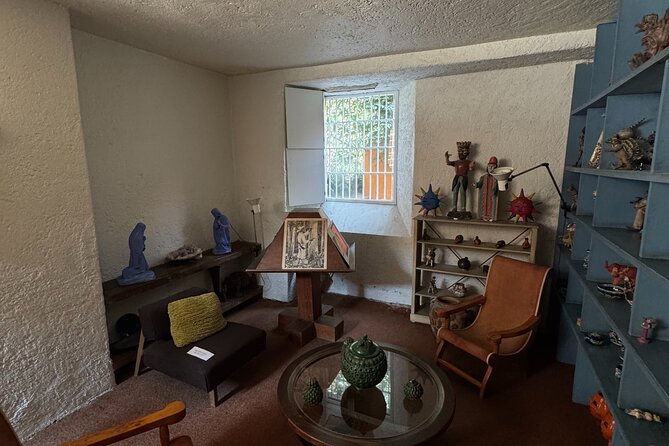
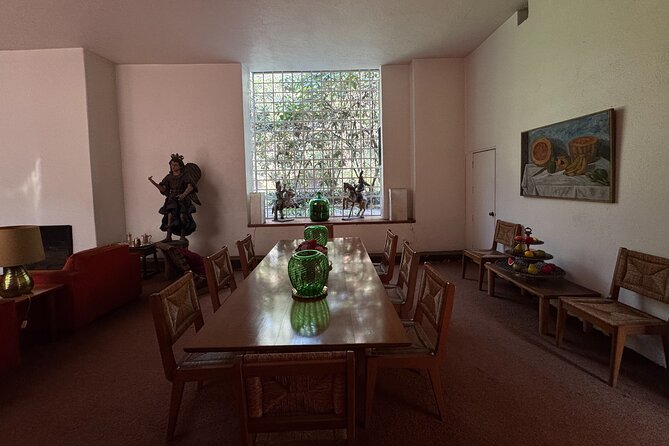
One detail worth watching is the use of wood. Wood appears in wall panels, ceiling beams, and large furniture pieces. It softens the hard surfaces of stone and stucco without making the rooms feel fussy.
The ceiling beams are especially striking. Their placement gives the rooms a strong horizontal line, while the thick walls and fireplaces provide weight below. The result is a careful balance between heaviness and openness.
The fireplaces are described as straight stucco forms that seem to push upward toward the ceiling. You do not need to be an architecture expert to appreciate the effect. The fireplaces are practical objects, but their shape also helps organize the room.
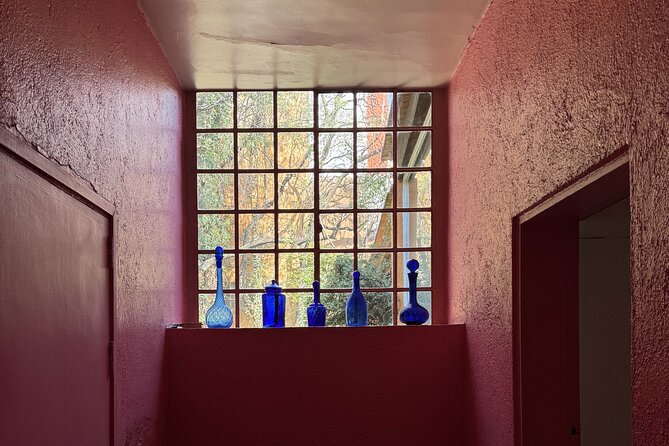
Light is the main actor. Metal-framed windows bring in brightness, while deep walls and darker areas hold it back. The contrast creates a slow change in mood as you move through the house.
This is why I would not rush the visit. You are paying for access to the building, but the guide helps you understand how to look at it. Pause before moving on. Notice where a window ends, how a wall blocks a view, and how a room changes when it opens toward the garden.
Furniture also deserves attention. The visit can include modernist pieces that work with the architecture rather than compete with it. The furniture is large and deliberate, matching the scale of the walls and beams.
A drawback is that the available description does not promise a detailed list of every room or furnishing before you arrive. If you want a catalog-style museum visit, Casa Ortega may feel less predictable. Its appeal is the total arrangement of space, material, and light.
The gardens and courtyards as outdoor rooms
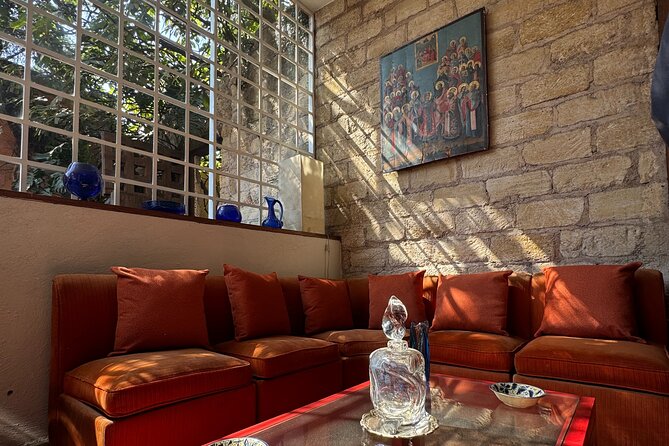
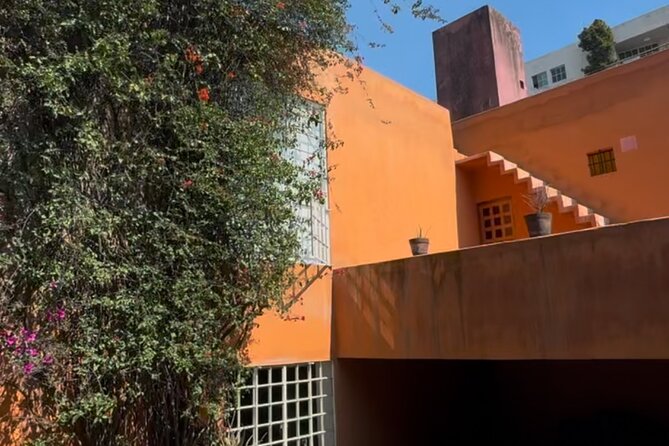
The gardens may be the most peaceful part of the visit. Barragán treated outdoor areas as part of the house’s structure, not as leftover space around it.
Expect courtyards, trees, and several places designed simply for sitting or being still. The planting is not described as a formal botanical display. Instead, the gardens work with the walls, openings, and changing light.
Isaac’s explanation of the garden spaces can help you see how the house moves outward. A courtyard may give a room breathing space. A tree may interrupt a hard wall. A patch of shadow may make a sunlit surface look more intense.
The gardens also show Barragán’s interest in privacy. Thick walls and enclosed outdoor areas can create a sense of separation from city life. You are still in Mexico City, but the house turns inward and gives you quieter views.
I like that the visit does not treat the garden as a quick photo stop. The outdoor spaces are part of the architectural lesson. If you enjoy gardens, modern design, or places that reward slow observation, this section may be worth as much as the rooms themselves.
Photography may not capture the full effect. A picture can show a pink or ocher wall, a tree, or a beam of sunlight, but it cannot fully show how the spaces unfold as you move. Listen to the guide, then take your own time to look.
A completely different day out, same corner of Mexico City:
- Teotihuacan pyramids morning or afternoon without tourist traps
★ 5.0 · 6,186 reviews - Teotihuacan Early Access Guided Tour with optional Lunch
★ 4.5 · 6,138 reviews - Balloon flight + pick up in CDMX + Breakfast in Cave + Pyramids
★ 5.0 · 5,651 reviews - Balloon Flight + Cave Breakfast + Pick Up from CDMX or We Fly
★ 5.0 · 4,410 reviews
What a small group changes
The maximum group size is eight people. That is a real advantage in a house where scale and quiet matter.
A large group would make it harder to hear explanations in smaller rooms. It could also crowd the courtyards and make the visit feel like a standard sightseeing stop. With fewer people, you have a better chance to see the guide’s pointing, ask a question, and pause without blocking a line of people behind you.
One party had the house almost to itself and described the visit as feeling private. You should not assume every departure will be completely private, but the group limit makes that kind of experience possible.
The guide also matters more in a small setting. Daniel has been praised for explaining the intention behind every room and garden space. Alex has been described as a strong source of architectural background. Isaac’s enthusiasm for Barragán and modernist furniture has helped visitors notice materials and details they might otherwise pass over.
The guide assigned to your date may differ. The important point is that English-language guidance is part of the experience, not an optional extra.
Is $115.96 a fair price?
At $115.96 per person, this is not a casual budget stop. You are paying for admission to a place with very limited access, a small group, and about two hours of guided attention.
The value depends on your interests. If you like architecture, design, gardens, or carefully made domestic spaces, the cost can make sense. Casa Ortega is not a general Mexico City sightseeing tour, and it does not cover many attractions. It gives you focused access to one house.
A larger group tour at a lower price might offer more city coverage, but it would not provide the same quiet or close attention. Here, the small number of participants is a major part of what you are buying.
The price is harder to justify if you have little interest in modern architecture or if you prefer active tours with lots of stops. The pace is thoughtful, and the reward comes from noticing small design decisions rather than checking off famous sights.
Because the tour is booked around 29 days in advance on average, I would not leave it until the last minute. The experience has very limited access, and suitable dates may be scarce.
Timing, access, and practical planning
The advertised duration is one to two hours, with two hours as the stated tour length. That makes it easy to fit into a day in Mexico City, but you should not expect a half-day architectural program.
The tour is offered in English and includes admission. It uses a mobile ticket, so keep the booking information available on your phone.
Most people can participate, and service animals are allowed. The meeting point is near public transportation. No special physical requirements are listed, but the available details do not explain every surface, stair, or interior condition, so you may want to ask the provider if you have specific mobility concerns.
Confirmation is normally sent when you book. If you book within seven days of the visit, confirmation can take up to 48 hours and depends on availability. That makes early booking useful for more than convenience.
You can cancel for a full refund up to 24 hours before the local start time. Cancellations or changes inside that window are not accepted for a refund. The activity also requires good weather and a minimum number of participants. If poor weather or low enrollment cancels the tour, you are offered another date or experience, or a full refund.
Who will get the most from Casa Ortega?
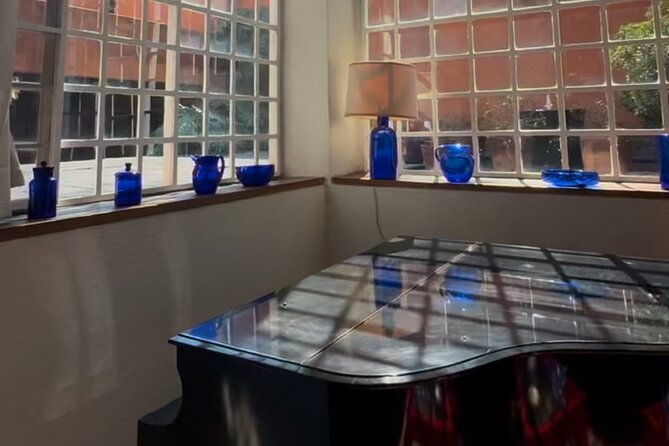
I would choose this visit if you want to understand how architecture creates mood. It suits people who like to look closely at walls, windows, furniture, courtyards, and gardens rather than rush from sight to sight.
It is especially good for:
- Architecture and interior design enthusiasts
- Visitors already interested in Luis Barragán
- People who enjoy modernist furniture and Mexican design
- Garden lovers who appreciate enclosed courtyards
- English-speaking visitors who want guided interpretation
- Anyone who prefers small groups to crowded sightseeing
You do not need formal training in architecture. The guide’s job is to give meaning to the forms and materials, so you can enjoy the house even if terms such as modernism or spatial composition are new to you.
I would be less quick to recommend it if your Mexico City schedule is packed and you are choosing between many major sights. The tour takes you to one private architectural setting and does not provide a broad overview of the city.
Should you book the Casa Ortega visit?
Book it if Casa Estudio Luis Barragán has caught your attention, or if you want a quieter and more intimate look at Mexican modern architecture. The combination of limited access, a group capped at eight, English guidance, and a preserved home gives the visit a special focus.
The strongest reason to go is the way the guide helps you read the house. Daniel, Alex, and Isaac have each brought attention to the light, furniture, walls, gardens, and historical setting. That support matters because Casa Ortega’s power lies in relationships between spaces, not in a long list of famous objects.
Skip it if the $115.96 price feels too high for a two-hour activity or if architecture is not a priority. For the right audience, though, this is a thoughtful use of part of a Mexico City day, with enough quiet to let Barragán’s ideas take hold.
FAQ
Where does the Casa Ortega tour start and end?
It starts at Gral. Francisco Ramírez 22, Ampliación Daniel Garza, Daniel Garza al Poniente, Miguel Hidalgo, 11840 Ciudad de México. The activity ends back at the same meeting point.
How long does the Casa Ortega visit last?
The tour lasts approximately one to two hours, with two hours listed as the expected duration.
How large is the tour group?
The activity allows a maximum of eight participants, making it a semi-private small-group visit.
Is the tour offered in English?
Yes. The experience is offered in English, and guides including Daniel, Alex, and Isaac have led visits in English.
Is admission included in the price?
Yes. The admission ticket is included in the listed price of $115.96 per person.
Can I cancel for a full refund?
Yes. You can cancel at least 24 hours before the local start time for a full refund. Cancellations or changes made less than 24 hours before the start are not refunded.
Just added around Mexico City
- Ticket to Frida Kahlo Museum (Blue House)★ 5.0 · 3 reviews
- Valle de Bravo: Forest Hiking Adventure★ 4.4 · 3 reviews
- Chapultepec Castle and Anthropology Tour, starting from CDMX★ 5.0 · 3 reviews
- La Roma Private Art Tour★ 5.0 · 3 reviews
- Private Transportation: Pickup and Drop-Off★ 5.0 · 3 reviews
- Mexico City: Relaxing or Decontracting Massage Experience★ 5.0 · 3 reviews
- Grutas de Tulantongo★ 3.0 · 3 reviews
- Mexico City: Local Walking Tour with Mezcal & Wrestling Show★ 5.0 · 3 reviews
Tours, compared.
Teotihuacan, Guadalupe Shrine & Tlatelolco Day Tour with Lunch
Read our review →
Teotihuacan Early Access Guided Tour with optional Lunch
Read our review →
Teotihuacan, Tlatelolco & Guadalupe Shrine Tour
Read our review →
Xochimilco, Coyoacan, Frida Kahlo Museum & Murals Tour
Read our review →
Hot Air Balloon Flight with Breakfast Cave and Pyramids Tour
Read our review →