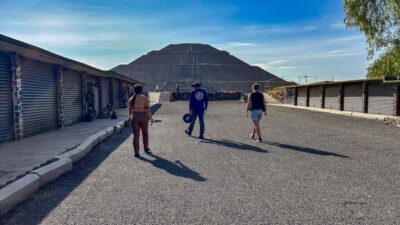
Reviewed · TOURS
Iztapalapa: Cable Car Tour and Urban Art From the Heights
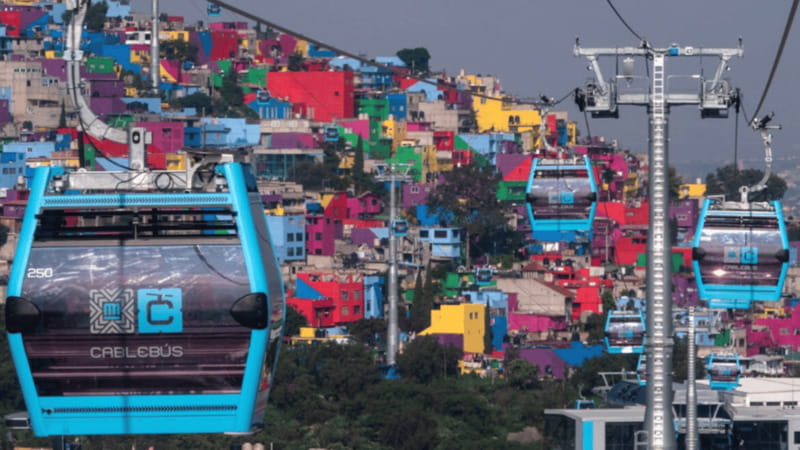
Mexico City looks different from an Iztapalapa Cablebús cabin. Instead of passing streets at ground level, you glide above rooftops, painted walls, tangled lanes, and distant volcanoes. This is a practical way to see a part of the city that most sightseeing routes skip, while learning how public transport connects outlying communities.
I like the rooftop murals, which turn an ordinary commute into an open-air art show. I also like the way the tour teaches you to use Mexico City’s metro, something that can seem daunting at first. The main consideration is time: much of the four hours is spent getting to and from Iztapalapa, so visitors who already know the metro may find the transport explanation longer than needed.
The tour is led by an English- or Spanish-speaking guide, with names such as Eduardo, Benjamin, Oscar, Alexia, Gabi, and Thomas appearing among the regular guides. Guides explain the murals, the Cablebús system, local music, and Iztapalapa’s growth. Bring cash for snacks or a 15-peso gordita, and wear practical, discreet clothing rather than sandals, shorts, or a short skirt.
In This Review
- Key points at a glance
- Starting at Bellas Artes, then heading east
- The Cablebús ride over Iztapalapa
- Reading the murals from above
- A short guided look at Iztapalapa
- The park, mountains, and city views
- Tortillas, local food, and optional gorditas
- What the four-hour schedule really feels like
- Why the small group matters
- Clothing, cash, and who should skip it
- Is $24 a fair price?
- Should you book the Iztapalapa Cablebús tour?
- FAQ
- Where does the Iztapalapa Cablebús tour meet?
- How long does the tour last?
- What languages are available?
- What does the $24 price include?
- Are meals and drinks included?
- Is the tour suitable for someone who does not know the Mexico City metro?
- How large is the group?
- What should I wear and bring?
- Can people with vertigo or motion sickness join?
Key points at a glance
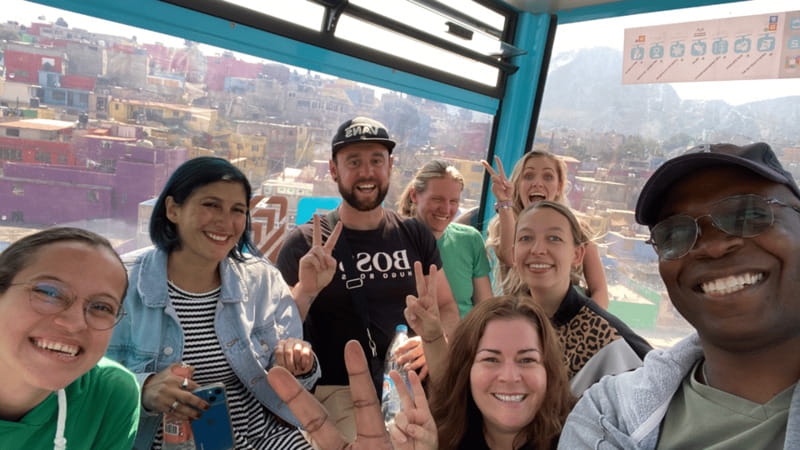
- The Cablebús view: Ride high above Iztapalapa for broad views of homes, streets, murals, and surrounding mountains.
- A metro lesson included: Your guide helps you handle Mexico City’s large subway system, useful if you plan to keep using public transport.
- Art with local meaning: The murals are not just colorful backdrops. You hear how they relate to the neighborhood and daily commuters.
- A local food connection: Make tortillas and learn why this simple food is central to Mexican meals and culture.
- Small group format: The group is limited to nine people, making it easier to stay together in stations and ask questions.
- Good value at $24: The price covers the transport card, metro rides, Cablebús rides, guide, educational material, and tortillas.
Starting at Bellas Artes, then heading east
Your meeting point is the Parisian entrance of the Bellas Artes subway station, on the left side of the palace. Look for a guide in a green shirt carrying a green umbrella. This detail matters because Bellas Artes has several entrances, and one person specifically found the meeting point hard to identify.
The first leg takes about 45 minutes by metro. That may sound like a long prelude, but it sets the tone for the tour. You are not being driven straight to a viewpoint. You are using the same public transport that millions of residents use, with a guide showing you how stations, transfers, and routes work.
If you are new to Mexico City’s metro, this is useful training. The system is large, and a guide can help you avoid getting turned around. Several guides, including Benjamin, Eduardo, and Oscar, have been praised for helping people gain confidence with public transport.
If you already live with a familiar subway system, as some visitors from London do, the explanations may feel repetitive. You can treat this part as a chance to ask about the city rather than simply a lesson in ticketing and platforms.
The public transport card is included, as are the metro and Cablebús rides. That makes the $24 fee more attractive than a tour price that covers only a guide and sightseeing. You are paying for a moving city lesson, not just a viewpoint.
Other Mexico City days people book alongside this one:
- Teotihuacan, Guadalupe Shrine & Tlatelolco Day Tour with Lunch
★ 5.0 · 11,603 reviews - Xochimilco, Coyoacan and Frida Kahlo with Optional Lunch
★ 4.5 · 7,320 reviews - Balloon flight + Breakfast in cave + Pyramids + Pick up CDMX.
★ 5.0 · 6,335 reviews
The Cablebús ride over Iztapalapa
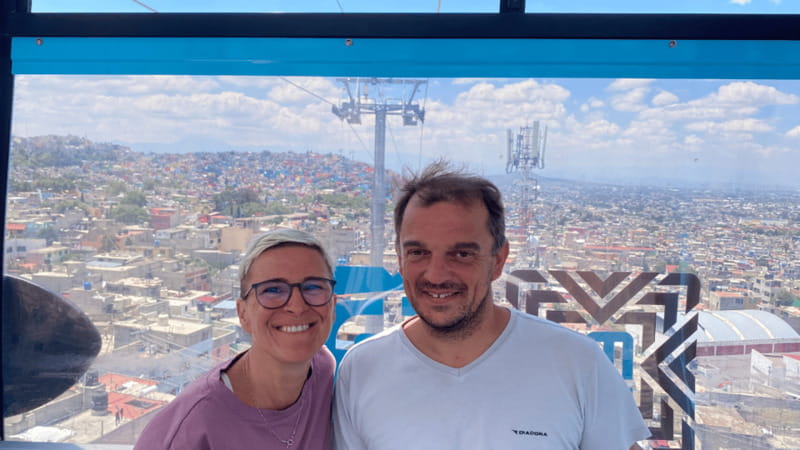
The Cablebús portion lasts about 40 minutes on the outbound journey, followed by another ride of roughly 25 minutes on the way back. The cabins give you a high view over the area, with streets and buildings arranged below in patterns that are difficult to understand from ground level.
You will see the practical side of the system as well as the scenery. The cable car links communities that might otherwise face long ground journeys, and the tour explains how transport has helped connect areas farther from the historic center.
The view is not polished or designed for sightseeing. You see everyday housing, rooftops, narrow streets, painted facades, and the dense spread of Mexico City. That is the point. I find this kind of view more useful than a single grand lookout because it helps you understand how the city actually works.
On clear days, the surrounding mountains and volcanoes add a dramatic backdrop. Weather will affect what you see, so do not book this solely for a perfect volcano panorama. The urban view remains the main attraction, and the murals can be just as interesting when distant peaks are hazy.
Some people may feel uneasy at height or on moving transport. Motion sickness prevention is recommended, and the activity is not suitable for people with vertigo or a strong tendency toward motion sickness. The operator also lists respiratory issues and altitude sickness among concerns, so consider your comfort before booking.
Reading the murals from above
The urban art is best understood with the guide’s explanation. From the cabin, you see large paintings on rooftops and walls that would be easy to miss from a passing metro or street. The elevated angle changes the scale: a mural that might seem ordinary at street level can become a broad image designed for commuters looking down from the cable car.
Guides explain the history and cultural meaning of the paintings. Alexia, in particular, has been praised for describing how the murals affect the daily ride. That is an important detail. The art is not presented as decoration placed for outsiders. It is part of the visual experience of residents who use the Cablebús every day.
The painted buildings also give you a better sense of Iztapalapa’s identity. You are looking at a neighborhood shaped by growth, transport needs, local pride, and community projects. The tour is strongest when it connects the art to those larger subjects.
Bring a phone or camera if you want photographs, but expect the moving cabin and reflections to make some shots tricky. You will get unusual images, not necessarily perfect postcard photos. The best photographs may come during slower portions of the ride or at the scenic stop.
A short guided look at Iztapalapa
After the main Cablebús ride, you spend about 20 minutes on a guided visit in Iztapalapa, followed by a 15-minute photo stop. The walking is limited, which makes this a good choice if you want to explore beyond central Mexico City without committing to a long walking route.
The neighborhood discussion covers Iztapalapa’s history, growth, and the challenges it has faced over time. The goal is not to reduce the area to a problem story. A good guide, such as Eduardo or Thomas, gives you the context to see a working community with its own traditions, transport patterns, food, music, and public art.
The tour also introduces local musical styles, including cumbia, sonidero, and urban rock. This is a small but worthwhile detail. Music helps you understand the atmosphere and social life of a neighborhood in a way that statistics and dates cannot.
The exact balance between talking, photographs, and moving through the area may depend on the guide and the day. The published schedule allows only a short visit, so do not expect a full neighborhood walk or a museum-style art tour.
A completely different day out, same corner of Mexico City:
- Teotihuacan pyramids morning or afternoon without tourist traps
★ 5.0 · 6,186 reviews - Teotihuacan Early Access Guided Tour with optional Lunch
★ 4.5 · 6,138 reviews - Balloon flight + pick up in CDMX + Breakfast in Cave + Pyramids
★ 5.0 · 5,651 reviews - Balloon Flight + Cave Breakfast + Pick Up from CDMX or We Fly
★ 5.0 · 4,410 reviews
The park, mountains, and city views
A local park provides another view of the city and the volcanoes in the distance. This stop gives you a break from the transport and a chance to look outward across the broad spread of Mexico City.
The park is valuable because it puts the Cablebús route into geographical context. From the cabin, you see the city passing below. From the park, you can understand the larger relationship between the neighborhood, the city, and the mountains around it.
This is also the point where the tour’s pace may feel relaxed. You have time for photographs and conversation, but the visit is not long. If you want a slow afternoon in a park, this is not that kind of outing. It is a compact stop within a transport-focused tour.
Tortillas, local food, and optional gorditas
The tortilla activity adds a hands-on piece to what could otherwise be a sightseeing ride. You learn about the importance of tortillas in the Mexican diet and get to make them yourself. Tortillas are everyday food, but their role in meals, family life, and local cooking makes them a useful doorway into Mexican culture.
The activity includes tortillas, but meals and drinks are not included. The tour may also take you through a local market or near food stalls, where you can buy typical snacks. A gordita costs 15 pesos, so keep small cash handy. Past outings have also included local food and drinks, but you should treat those as optional purchases rather than part of the $24 package.
This is one area where the tour can become more personal. Instead of just hearing about Iztapalapa, you get a chance to taste something connected to the area. You also have the freedom to skip extra food if you are not hungry or have dietary concerns.
Because the schedule is fixed, this is not a full food tour. Come for the transport, murals, and local context first. Think of the tortilla activity and market stop as added texture.
What the four-hour schedule really feels like
The full outing lasts about four hours:
- About 45 minutes by metro from Bellas Artes
- About 40 minutes on the Cablebús
- Around 20 minutes of guided time in Iztapalapa
- About 15 minutes for photographs
- Around 30 minutes of scenic views and commentary
- About 25 minutes on the return Cablebús ride
- About 40 minutes back by metro
The timing shows why the experience feels more like a city orientation than a conventional attraction. You spend more time in transit than at any one stop, but the transport itself is the sightseeing.
The schedule also explains the tour’s strongest benefit. You see how people move through Mexico City, how the cable car connects distant communities, and how the city changes as you move east. You do not simply arrive at a neighborhood, take a few pictures, and leave.
The tradeoff is limited free time. You will not have hours to shop, wander, or explore every mural on foot. If you want a tightly planned introduction to an unfamiliar part of the city, this works well. If you prefer to set your own pace, the fixed schedule may feel restrictive.
Why the small group matters
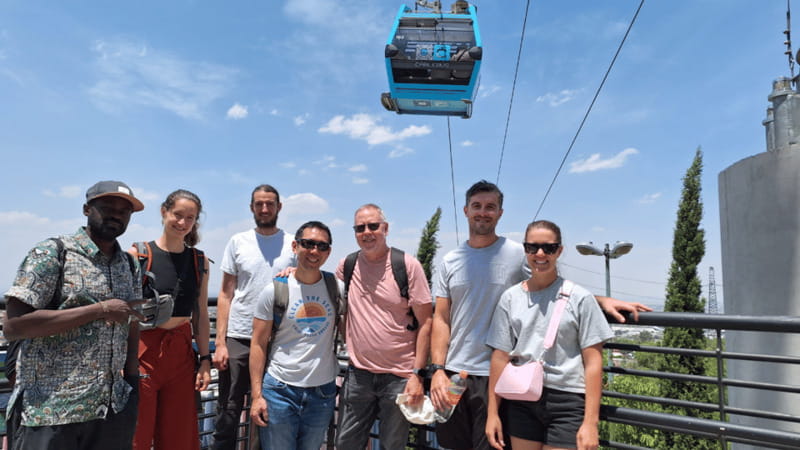
The group is limited to nine people. That is a useful size for a subway and cable car outing, where it is easy for someone to miss a turn, board the wrong train, or get separated at a busy station.
A small group also gives you more room to ask about the murals, local music, public transport, or food. Guides such as Benjamin, Oscar, and Gabi have received strong praise for their warmth and clear explanations. The experience depends heavily on the guide, so the quality of the commentary may vary by departure, but the named guides have established a strong pattern of friendly, careful hosting.
The small group does not mean private touring. You still follow a shared schedule and use public transport with other passengers. That is part of the experience, not a flaw, but it is worth knowing before you book.
Clothing, cash, and who should skip it
Wear comfortable closed shoes. The activity asks you to avoid high heels, sandals, flip-flops, shorts, short skirts, sleeveless shirts, and flashy clothing. Discreet clothing is recommended, along with leaving jewelry and large bags at your accommodation.
The restrictions are stricter than you may expect. Oversize luggage, drones, bikes, skateboards, scooters, large strollers, non-folding wheelchairs, drinks, alcohol, and smoking in the vehicle are not allowed. Unaccompanied minors cannot join, and children under five are not considered suitable for the activity.
Leave a WhatsApp number with the correct country code so the guide can contact you. Bring cash for food. Sunglasses and hats are specifically discouraged, so plan for that when deciding what to wear.
The tour is not suitable for people over 220 pounds, or 100 kilograms, according to the activity information. It is also not suitable for people with vertigo, respiratory issues, altitude sickness, or strong motion sickness. These points are not minor fine print when the main feature involves extended cable car travel.
Free cancellation is available up to 24 hours before departure, and you can reserve now and pay later. Starting times vary, so check the available schedule when booking.
Is $24 a fair price?
At $24 per person, the tour offers solid value if you plan to use Mexico City’s public transport during your stay. The fee includes the transport card, all listed metro and Cablebús rides, a guide, educational material, and the tortilla activity.
The price also covers something difficult to arrange alone: a clear introduction to Iztapalapa with the route already organized. You could ride the Cablebús independently for less, but you would miss the explanations about the murals, neighborhood development, music, and transport connections. You would also need to work out the metro route yourself.
The value is lower if you only want a quick cable car ride. A large share of the outing involves metro travel and explanations, and food is extra. Visitors already comfortable with city subways may prefer a shorter independent trip.
For a first or second day in Mexico City, I see the fee as especially worthwhile. Learning the metro early can make the rest of your stay easier, and the Cablebús gives you a view that is difficult to reproduce from central tourist areas.
Should you book the Iztapalapa Cablebús tour?
Book this if you want to see a working side of Mexico City, learn to use the metro, and understand public art from the people and places around it. It suits curious adults, repeat visitors looking beyond the historic center, and anyone interested in urban transport, local food, and community art.
Skip it if you dislike public transport, feel uneasy at height, need a slow and accessible route, or want a full food tour or long neighborhood walk. The four-hour schedule has a lot of transit, and the stop in Iztapalapa is relatively brief.
My practical advice is to book early in your Mexico City stay if you are unsure about the metro. Guides such as Benjamin, Eduardo, Oscar, and Gabi can help you get your bearings, and that skill may be worth as much as the cable car view. Bring cash, meet carefully at the Parisian Bellas Artes entrance, and expect an informative outing rather than a polished sightseeing show.
FAQ
Where does the Iztapalapa Cablebús tour meet?
Meet at the Parisian entrance of the Bellas Artes subway station, on the left side of the Palace of Fine Arts. Guides wear a green shirt and carry a green umbrella.
How long does the tour last?
The activity lasts about four hours, including the metro journey from Bellas Artes, the Cablebús rides, time in Iztapalapa, the scenic stop, and the return trip.
What languages are available?
The live guide is available in English or Spanish. Some content may be presented in its original language.
What does the $24 price include?
The price includes a public transport card, metro and Cablebús rides, tortillas, an expert guide, and educational resources.
Are meals and drinks included?
No. Meals and drinks are not included. You should bring cash for typical snacks, and gorditas cost 15 pesos.
Is the tour suitable for someone who does not know the Mexico City metro?
Yes. The guide explains and accompanies you on the metro, making the activity useful for people who want more confidence using public transport.
How large is the group?
The tour is a small-group activity limited to nine participants.
What should I wear and bring?
Wear comfortable shoes and discreet clothing. Bring cash and motion sickness prevention if needed. Avoid sandals, flip-flops, shorts, short skirts, sleeveless shirts, and high heels.
Can people with vertigo or motion sickness join?
The activity is not suitable for people with vertigo or motion sickness. It is also listed as unsuitable for people with respiratory issues, altitude sickness, or a body weight over 220 pounds, or 100 kilograms.
Just added around Mexico City
- Mexico City: Hop-on Hop-off City Tour by Turibus 2-Day Pass★ 4.0 · 10 reviews
- Anthropology Museum, Chapultepec Castle & Cable Car Tour★ 4.5 · 10 reviews
- Multi-Variety Mole Class in a Condesa home or art gallery rooftop★ 5.0 · 10 reviews
- PRIVATE TOUR Colonial Town Taxco and Cuernavaca from CDMX.★ 5.0 · 10 reviews
- El Centro Street Food Walking Tour★ 5.0 · 10 reviews
- Private Round-Trip Transportation to Teotihuacan Pyramids★ 5.0 · 10 reviews
- Teotihuacan and My Grandma’s Food Tour★ 5.0 · 10 reviews
- Private Walking Tour Legends and Events Historic Center CDMX★ 4.8 · 10 reviews
Tours, compared.
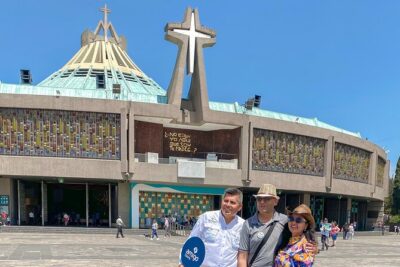
Teotihuacan, Guadalupe Shrine & Tlatelolco Day Tour with Lunch
Read our review →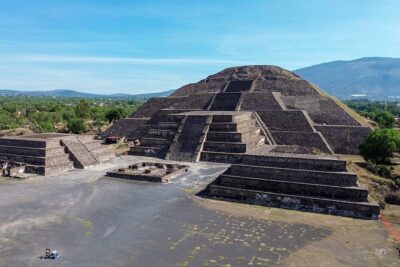
Teotihuacan Early Access Guided Tour with optional Lunch
Read our review →
Teotihuacan, Tlatelolco & Guadalupe Shrine Tour
Read our review →
Xochimilco, Coyoacan, Frida Kahlo Museum & Murals Tour
Read our review →
Hot Air Balloon Flight with Breakfast Cave and Pyramids Tour
Read our review →