
Reviewed · WORKSHOPS
Tortilla Class and Workshop in Mexico
The best part of this Mexico City class is that it takes you behind the tortilla. You will hear why Mexican corn matters, grind heirloom kernels on a volcanic-stone metate, cook your own tortilla, and finish it with Oaxaca cheese and molcajete salsa. I like the hands-on work and the clear link between food, farming, and Mexican culture. The small group, capped at eight, also gives Clara and Ariane room to help.
I especially like that you compare corn prepared in three ways: ground by hand on the metate, made from masa from a mill, and made from Maseca harina. That makes the lesson practical rather than abstract. The main drawback is the price, $95.31 per person, for about 90 minutes and one main dish. It makes the most sense if you want a focused food lesson, not simply a quick snack.
In This Review
- Key points at a glance
- Why this tortilla class is about more than lunch
- Meeting Clara at Catita Pan y Café
- The corn lesson before the cooking starts
- Nixtamal turns corn into something usable
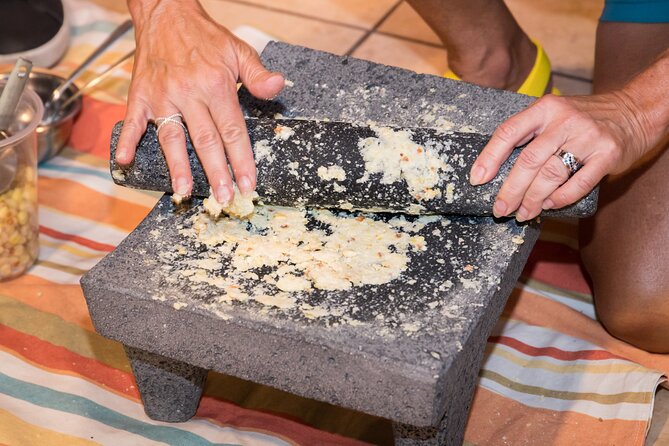
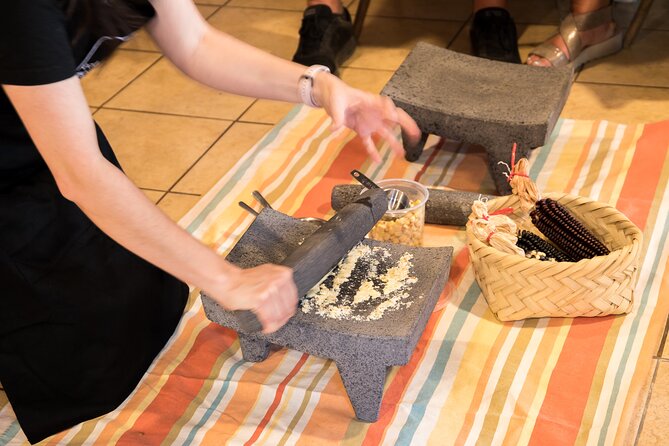
- Grinding heirloom corn on the metate
- Shaping the tortilla and working the comal
- Turning your tortilla into a quesadilla
- Making salsa in the molcajete
- What Clara and Ariane add to the hour and a half
- Is $95.31 a fair price?
- Who will get the most from this class?
- Small drawbacks to consider before booking
- My recommendation for booking
- FAQ
- Where does the tortilla class meet?
- What time does the class start?
- How long does the activity last?
- What language is the class offered in?
- How many people can join the class?
- What food do I make?
- Is transportation included?
- Can I cancel for a full refund?
Key points at a glance
- Heirloom corn takes center stage: Learn why older Mexican corn strains matter and why some are disappearing.
- You use a real metate: Grind corn by hand on an ancestral volcanic-rock stone before shaping your tortilla.
- Nixtamal is explained clearly: See how this essential corn process affects the way tortillas are made and eaten.
- Your meal is part of the lesson: Cook the tortilla on a comal, fill it with Oaxaca cheese, and add salsa from your own molcajete.
- Clara leads with warmth and skill: Clara is named as the main teacher, with Ariane also leading the class at times.
- Small and easy to reach: Meet at Catita Pan y Café at 5:00 pm, near public transportation, with no private transfer required.
Why this tortilla class is about more than lunch
A tortilla can look simple. In Mexico, it is anything but. The corn variety, the way it is treated, the way it is ground, and the heat of the comal all affect the final result.
This class begins with a short talk about Mexican corn and the loss of heirloom strains. That opening gives the cooking a purpose. You are not just pressing dough into a circle. You are learning why handmade tortillas can differ from the mass-produced versions sold in many shops.
I like this approach because it gives you something useful to take home. After the class, you should have a better sense of what high-quality tortilla making involves and why nixtamal matters. The goal is not to turn you into a professional cook in 90 minutes. It is to help you pay attention to one of Mexico’s most important foods.
The subject may appeal most to home cooks, but you do not need strong kitchen skills. The class is also suited to anyone curious about corn, traditional tools, or Mexican foodways. Families can enjoy it too. Children aged 9 and 12 were reported to have liked the grinding and watching the tortillas cook, while adults gained the cultural and food background.
A few more Mexico City half-days to weigh up
- Mexican Cooking Class with Food Market Visit in Mexico City
★ 5.0 · 506 reviews - Essence of Mexico: Authentic Mexican Cooking Class & Market Tour
★ 5.0 · 289 reviews - Mexican Cooking Class & Cocktails in Mexico City
★ 5.0 · 134 reviews
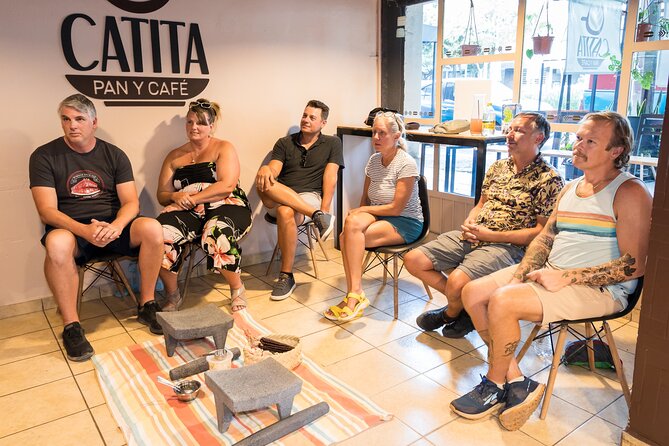
Meeting Clara at Catita Pan y Café
Your class begins at Catita Pan y Café, at C. Dr. José María Vértiz 997 in Narvarte Poniente, Benito Juárez. The start time is 5:00 pm, and the class ends back at the same meeting point.
That central meeting arrangement keeps things simple. You do not need to arrange a private car, and private transportation is not included anyway. The location is near public transportation, so check your route before setting out and allow enough time to arrive for the 5:00 pm start.
The café setting should suit a food lesson. You are meeting in a place connected with eating rather than at a large tour office. Still, the supplied details do not promise a full café visit or a separate meal, so treat the quesadilla you make as the included food portion.
The group limit of eight is important. Metate grinding and tortilla shaping require some attention from the teacher. In a large class, these steps could become a quick demonstration with little chance to try them yourself. Here, Clara can guide each person more directly, and Ariane may also help lead the session.
The corn lesson before the cooking starts
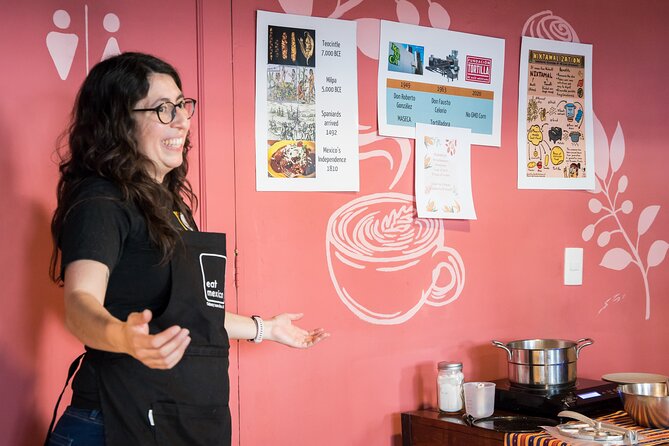
The first teaching section is a short lecture on Mexican corn. It covers the importance of corn in Mexican culture and the problem of heirloom strains disappearing.
This is a smart way to begin. If you start with tools and ingredients alone, you may remember the activity but miss its meaning. By explaining the corn first, the class gives context to every later step.
You will also learn why many everyday tortillas lack the quality and nutritional content associated with older, handmade versions. The class focuses on how the production method affects what you eat. That makes the lesson useful when you shop for tortillas later in your trip or back home.
I would not expect an academic lecture. The session is described as short and engaging, which suits the 90-minute format. You get enough background to understand the process without losing the pleasure of cooking.
The topic also gives you a sharper eye for Mexican menus. A tortilla is not just a wrapper for a filling. The flavor and texture can reflect the corn itself and the work involved in preparing it.
Nixtamal turns corn into something usable
Next comes nixtamal, the process used to transform corn before it becomes masa and then a tortilla. It is an essential part of the class, not a side note.
The activity information does not give the exact ingredients or timing used in the nixtamal step, so you should expect an explanation and demonstration rather than a complete multi-day preparation. The important point is that you learn why corn needs this treatment and how it fits into traditional tortilla making.
This section adds real value for home cooks. Recipes often tell you to buy masa or harina and move on. Here, you see the stage that comes before shaping. That helps explain why a tortilla made from properly treated corn can taste and feel different from one made with a more basic commercial product.
The lesson also connects food quality with agricultural choices. Heirloom corn is not presented as a decorative idea. It is part of a larger discussion about what varieties survive, how food is processed, and what gets lost when speed and convenience take over.
A completely different day out, same corner of Mexico City:
- Teotihuacan, Guadalupe Shrine & Tlatelolco Day Tour with Lunch
★ 5.0 · 11,603 reviews - Xochimilco, Coyoacan and Frida Kahlo with Optional Lunch
★ 4.5 · 7,320 reviews - Balloon flight + Breakfast in cave + Pyramids + Pick up CDMX.
★ 5.0 · 6,335 reviews - Teotihuacan pyramids morning or afternoon without tourist traps
★ 5.0 · 6,186 reviews
Grinding heirloom corn on the metate
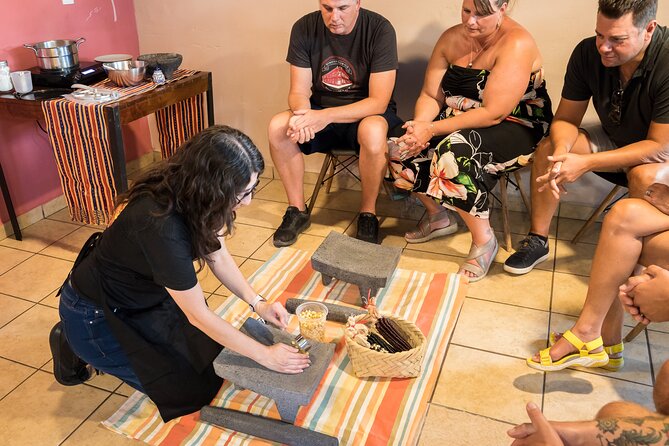
The most distinctive physical task is grinding heirloom corn on the metate. This is an ancestral grinding stone made from volcanic rock, and you get to use it yourself.
The metate is not just a prop for photographs. Your effort changes the texture of the corn. Grinding by hand also slows the process down enough for you to understand the work behind a handmade tortilla.
This is likely the class highlight for many people. It is tactile, unfamiliar, and closely tied to the food you eat at the end. You are not watching a teacher do every step while standing safely on the sidelines. You take part in turning the corn into the base for your meal.
There is a practical limitation. Grinding on a stone takes effort, and the process is less quick than using a modern mill or packaged harina. That is precisely the lesson. The class lets you compare the hand-ground result with masa from a mill and Maseca harina, showing how different shortcuts affect the finished food.
The comparison is especially useful if you cook Mexican food at home. You will not leave with a full tortilla factory in your kitchen, but you will understand why the ingredients and method matter. The hand-ground tortilla was described as the clear favorite in the tasting, which gives you a direct reason to care about the technique.
Shaping the tortilla and working the comal
Once the corn has become masa, you shape your own tortilla. The details do not specify whether a tortilla press is used, so the focus is best understood as learning the shaping process rather than mastering one particular tool.
This is where a little patience helps. A tortilla needs to be thin enough to cook well but sturdy enough to hold its filling. Your result may not look perfectly round on the first attempt, and that is part of the fun. Handmade food has fingerprints in it, quite literally.
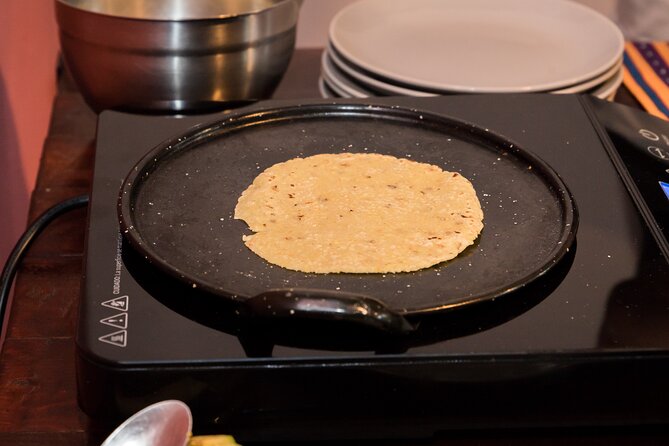
You then cook the tortilla on a comal, the traditional flat cooking surface used for tortillas. Watching the raw masa change on the hot surface gives the class a satisfying payoff. The food moves from stone, to dough, to cooked tortilla in a short sequence that you can follow with your hands.
The comal step also helps you understand why timing matters. A tortilla can go from soft and fresh to too dry if handled poorly. The class gives you a chance to see the cooking stage instead of receiving a finished tortilla without explanation.
For children, this may be the most exciting moment. The grinding takes work, but the comal provides visible results. You get to watch your own tortilla cook and then eat it soon after.
Turning your tortilla into a quesadilla
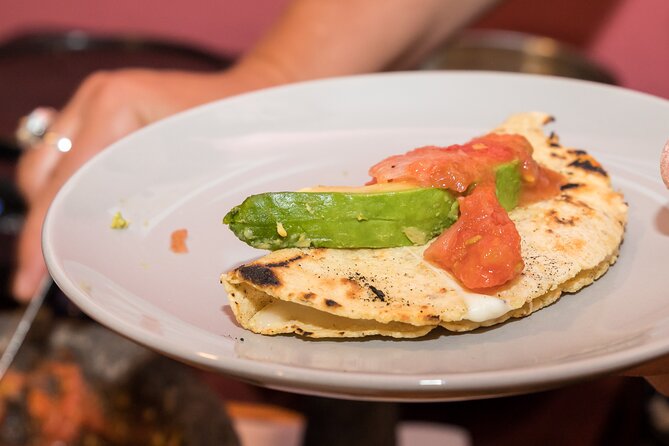
Your finished tortilla becomes a quesadilla with fresh Oaxaca cheese. This is the included food portion, along with the salsa you prepare.
The dish is modest, but it fits the class perfectly. You are eating the result of your own work rather than being served a separate restaurant plate. Oaxaca cheese also gives the quesadilla a distinctly Mexican character, with a texture suited to melting.
I like that the menu stays narrow. A longer meal could sound more generous, but it would leave less time for the corn lesson and hands-on work. Here, the quesadilla is a tasty test of what you have learned.
Do keep your expectations in the right place. This is not a multi-course cooking school or a full dinner. The included food is listed as snacks, with the quesadilla you make. If you arrive hungry, you may want to plan another meal before or after the activity, since the class does not promise a larger spread.
Still, the simple format has an advantage. You can focus on the tortilla itself. The cheese and salsa add flavor, but they do not hide the corn.
Making salsa in the molcajete
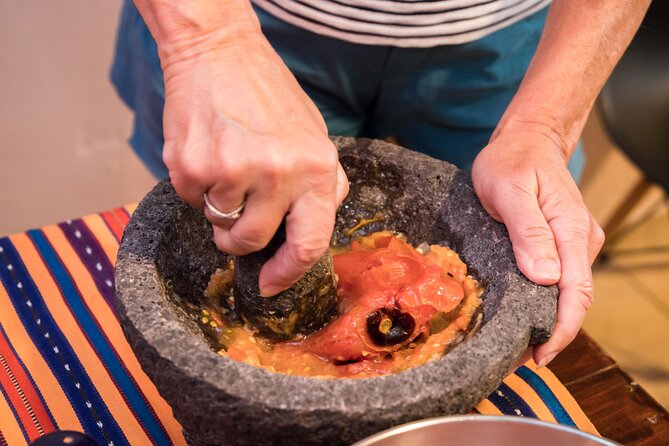
The final food task is preparing salsa in a molcajete. Like the metate, the molcajete is a traditional stone tool, but it is used for crushing and mixing ingredients rather than grinding corn for the tortilla.
This gives you a second chance to work with an old kitchen tool. The salsa becomes more than a topping. It completes the connection between traditional tools and a dish you can eat immediately.
The exact salsa ingredients are not provided, so do not assume a particular chile, tomato, or spice level. Clara can explain the preparation during the session, and the small group should make it easier to ask about flavors or technique.
The salsa also gives the quesadilla a fresh contrast. Oaxaca cheese brings richness, while the salsa adds the seasoning that turns a plain tortilla and cheese into a finished snack. You make both parts yourself, which makes the final bite feel earned.
What Clara and Ariane add to the hour and a half
Clara is the teacher most clearly associated with the class. She is described as warm, engaging, kind, and passionate about corn and cooking. Ariane also led one session with Clara, so you may meet both guides depending on the date.
That matters because this activity depends on teaching, not just equipment. A metate on a table is interesting for a minute. A guide who can explain why it matters, help you use it, and connect it to the tortilla makes the experience worthwhile.
The class seems particularly strong in its balance between explanation and action. You listen to the corn lesson, learn about nixtamal, grind the kernels, shape the tortilla, cook it, and prepare salsa. There is little room for dead time in a 90-minute session.
You should also feel free to ask questions. Clara is specifically described as willing to answer them and attentive to the people in the class. That is useful for home cooks who want more than a cultural talk. You can ask about the corn, the tools, or the way the tortilla changes through each stage.
Is $95.31 a fair price?
At $95.31 per person, this is not a cheap way to get a quesadilla. It is a premium price for a short activity, especially since alcohol and transportation are not included.
The value depends on what you want. If you measure the cost against the food alone, it is poor value. If you are paying for a local culinary guide, a small group, access to traditional tools, cultural context, and a hands-on lesson, the price is easier to justify.
The group limit of eight helps. You are paying for an interactive class rather than a mass demonstration. The metate and molcajete work also require participation, and the class gives you several distinct stages in a compact format.
I would book it for a food-focused afternoon in Mexico City, especially if you care about ingredients and traditional cooking methods. I would skip it if you want a long market tour, a large dinner, or several different Mexican dishes.
The activity is offered in English, which makes the corn and nixtamal explanations accessible if you do not speak Spanish. A mobile ticket is accepted, and confirmation arrives at booking. Those are small conveniences, but they reduce the usual friction around a short scheduled class.
Who will get the most from this class?
This is a strong match for home cooks who want to understand Mexican food rather than simply eat it. You will get the most from the session if you enjoy learning how ingredients are grown, processed, and prepared.
It also fits curious first-time visitors who want a food activity with cultural substance. The class is focused, so it will not take over your day. The 5:00 pm start lets you spend the earlier part of the day elsewhere in Mexico City, then end with a handmade snack.
Families should consider it too. The children who took part enjoyed grinding the corn and watching the tortilla cook, while the adults had enough background to stay interested. The eight-person limit is helpful when children need extra guidance.
Couples and small groups can also enjoy the shared rhythm of the class. You work with the same core ingredients, then sit down to eat the result while chatting with the host and the rest of the group.
Small drawbacks to consider before booking
The biggest concern is the short length. Ninety minutes is enough for an introduction, but not enough to explore every part of Mexican corn culture or practice tortilla making repeatedly.
The food selection is also limited. You make one quesadilla and one salsa, with no alcohol included. That is fine if you view the meal as the final exercise. It may disappoint you if you expect a full cooking course with several dishes.
The class ends where it starts, which is convenient but means there is no neighborhood walk or separate restaurant stop built into the activity. You will need to arrange your own transport to and from Catita Pan y Café.
Finally, the focus is narrow by design. This is about corn, tortillas, salsa, and traditional tools. That focus is its strength, but anyone hoping to learn mole, tacos, tamales, or a broad range of Mexican recipes should choose a different class.
My recommendation for booking
I recommend this tortilla workshop if you want a small, hands-on lesson with a clear subject. The strongest reasons to book are the metate grinding, the nixtamal explanation, the comparison between hand-ground corn, mill masa, and Maseca harina, and Clara’s warm teaching style.
I would also recommend it for families with school-age children, home cooks, and visitors who want a food experience that says something about Mexico beyond the plate. The class gives you a useful way to think about corn for the rest of your trip.
I would not choose it as your only Mexican food activity if you want a large meal or broad cooking coverage. At $95.31, it asks you to value the lesson as much as the quesadilla.
For the right person, that is a fair trade. You leave with a better understanding of what makes a tortilla good, why nixtamal matters, and why the work behind a simple food deserves attention.
FAQ
Where does the tortilla class meet?
The class meets at Catita Pan y Café, C. Dr. José María Vértiz 997, Narvarte Poniente, Benito Juárez, 03020 Ciudad de México, CDMX, Mexico.
What time does the class start?
The scheduled start time is 5:00 pm.
How long does the activity last?
The class lasts approximately 1 hour and 30 minutes.
What language is the class offered in?
The activity is offered in English.
How many people can join the class?
The maximum group size is eight people.
What food do I make?
You make a tortilla, cook it on a comal, and turn it into a quesadilla with fresh Oaxaca cheese. You also prepare salsa in a molcajete.
Is transportation included?
No. Private transportation is not included. The meeting point is near public transportation, and the activity ends back at that same location.
Can I cancel for a full refund?
Yes. You can cancel at least 24 hours before the local start time for a full refund. Cancellations or changes made less than 24 hours before the start time are not accepted for a refund.
Just added around Mexico City
- Ticket to Frida Kahlo Museum (Blue House)★ 5.0 · 3 reviews
- Valle de Bravo: Forest Hiking Adventure★ 4.4 · 3 reviews
- Chapultepec Castle and Anthropology Tour, starting from CDMX★ 5.0 · 3 reviews
- La Roma Private Art Tour★ 5.0 · 3 reviews
- Private Transportation: Pickup and Drop-Off★ 5.0 · 3 reviews
- Mexico City: Relaxing or Decontracting Massage Experience★ 5.0 · 3 reviews
- Grutas de Tulantongo★ 3.0 · 3 reviews
- Mexico City: Local Walking Tour with Mezcal & Wrestling Show★ 5.0 · 3 reviews
Workshops, compared.
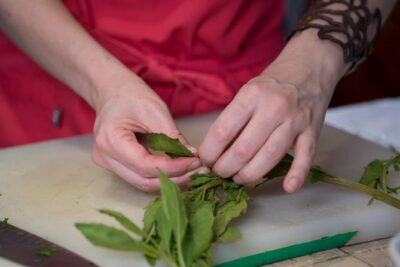
Mexican Cooking Class with Food Market Visit in Mexico City
Read our review →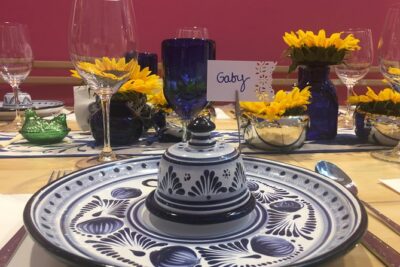
Essence of Mexico: Authentic Mexican Cooking Class & Market Tour
Read our review →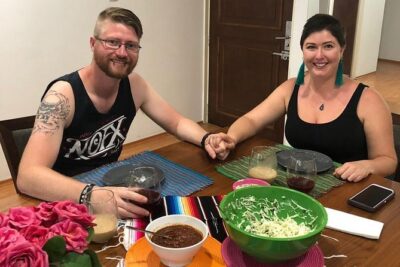
Mexican Cooking Class & Cocktails in Mexico City
Read our review →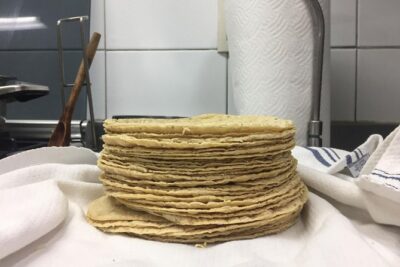
Private Mexican Cooking Class with Gastronomic Historian, Lucia
Read our review →
3h Cooking Class in Mexico City: 8 Recipes & Bottomless Drinks
Read our review →
Private San Angel Tour & Cooking Class in Mexico City with Lucia
Read our review →Browse the lists this tour appears in