
Reviewed · VOLCANO HIKES & CLIMBS
Trekking Through The Volcanoes
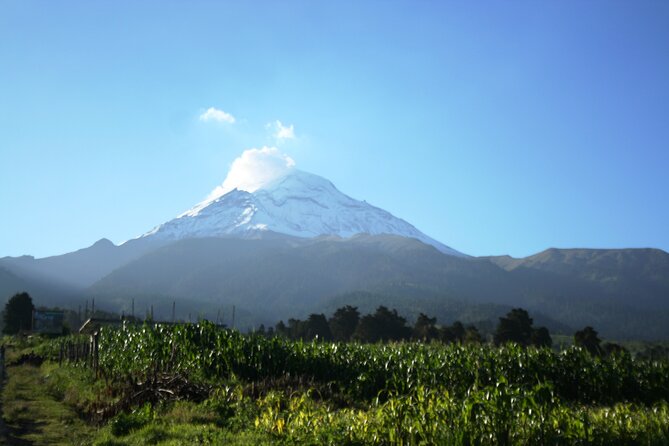
Between Mexico’s Sleeping Woman volcano, Iztaccíhuatl, and smoking Popocatépetl, this is a serious day in the mountains rather than a quick viewpoint stop. You walk through forest, open high country, and rocky trails near Paso de Cortés, with the active volcano’s fumarole often visible when the weather cooperates.
I like the small-group format, capped at 13 people, and the fact that poles, a backpack, trail food, and private transport are included. I also like the ending: a proper Mexican meal of tacos and quesadillas at a traditional market, not a boxed lunch eaten beside the van.
The catch is altitude. Much of the route sits around 3,500 to nearly 4,000 meters, or roughly 11,800 to 13,000 feet, and the 9 to 13 kilometer walk can feel hard even when the trail is not technical. A long drive, winding roads, dust, and occasional quiet guiding are other things to weigh before booking.
In This Review
- Key points to know before you book
- Why this volcano trek is different from a Mexico City day trip
- The 7:00 a.m. pickup and the road to Paso de Cortés
- Paso de Cortés and the forest route toward Iztaccíhuatl
- Cerro Altzomoni and the view of smoking Popocatépetl
- Amalacaxco Ravine, ash, and the waterfall section
- Returning to Paso de Cortés and the final road section
- A full pack of trail food, then tacos and quesadillas
- The guides can make or break the day
- Who should book this 9-hour mountain day
- What to pack for the volcanoes
- Should you book Trekking Through the Volcanoes?
- FAQ
- Where does the tour start?
- Where does the activity end?
- How long does the experience last?
- How far do you walk?
- How high does the route go?
- What food and equipment are included?
- Can I cancel for a full refund?
Key points to know before you book
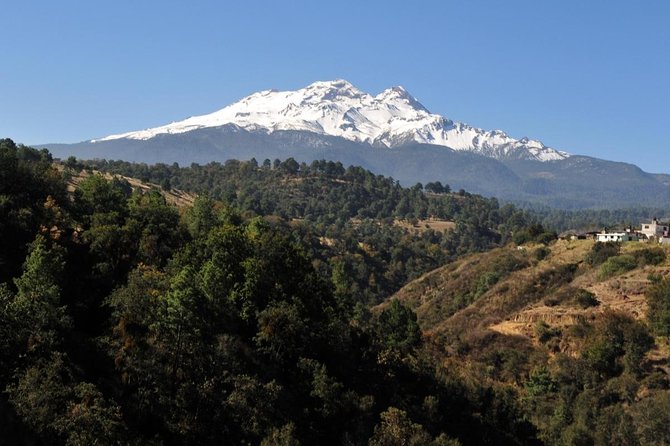
- You trek between two major volcanoes: Iztaccíhuatl rises ahead of you while active Popocatépetl may show a plume or fumarole.
- The route is high, not a summit climb: Expect roughly 300 to 400 meters of ascent, with the exact walk varying between about 9 and 13 kilometers.
- Carlos, Bernardo, Alan, and other guides have led this outing: Guide quality can shape the day, with some guides offering detailed explanations and others giving less commentary.
- Your food is unusually generous: Water, an energy drink, fruit snacks, peanuts, chocolate or energy bars, and a sandwich are carried in your supplied backpack, followed by tacos and quesadillas.
- The trip takes most of the day: Pickup is at 7:00 a.m. in Condesa, the drive takes about two hours each way, and the whole outing can run beyond 10 hours.
- Weather and altitude decide the experience: Clear skies bring huge views, but clouds or rain can hide the volcanoes and make the trail colder, slicker, or dustier.
Why this volcano trek is different from a Mexico City day trip
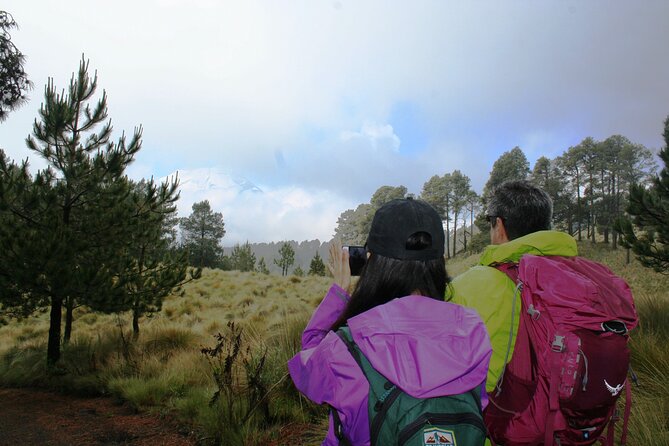
Mexico City gives you museums, markets, and grand plazas. This excursion gives you a full day of pine woods, volcanic ash, high meadows, glaciated peaks, and wide mountain views. It is a useful choice if you want to leave the city behind without signing up for a multi-day expedition or a summit attempt.
The route stays on the lower parts of the volcanoes. You are not climbing to either summit. That distinction matters. Iztaccíhuatl and Popocatépetl are enormous mountains, but this outing is built around seeing them from their shared mountain park, not conquering them.
The special appeal is the contrast. Iztaccíhuatl often appears as a pale, jagged mass ahead of the trail, while Popocatépetl is active and may show smoke or a fumarole. On a clear day, you get both volcanoes in one outing, along with forests and open slopes that feel far removed from Mexico City.
The tour has earned a 4.8 rating from 96 reviews, with 95 percent recommending it. That is a strong record, but the score should not make you underestimate the walking. The most consistent praise goes to the scenery, the guides who manage the group well, and the food. The most useful warnings concern altitude, distance, dusty paths, and uneven guide commentary.
More volcano hikes within reach of Mexico City:
- Nevado De Toluca: Reach the Summit with Professionals
★ 4.8 · 250 reviews - Iztaccihuatl Volcano Hike with an Alpinist
★ 4.0 · 244 reviews - Mexico City: Guided Volcano Trek with Lunch
★ 4.7 · 242 reviews
The 7:00 a.m. pickup and the road to Paso de Cortés
The day begins at Av. Vicente Suárez 38 in Colonia Condesa. Pickup is early because the national park is about two hours from Mexico City, and the outing needs enough daylight for the trek and the meal afterward.
Private transportation is included. The van has been described as comfortable, though taller people may prefer a front seat. The road is winding, so if you are prone to motion sickness, bring the medicine you normally use. A restroom stop is made during the drive, but trailhead facilities are limited or absent. Carry toilet paper and some cash for bathroom access.
The drive is not a minor detail. With roughly two hours each way, you spend about four hours in transit, plus five or more hours walking and eating. Some days finish just over 10 hours after pickup. That makes this a full-day commitment, not a casual half-day escape.
Once you reach Iztaccíhuatl and Popocatépetl National Park, the guides sort out the walking gear and explain the route. You receive trekking poles and a backpack containing your food and drinks. The guides carry safety equipment.
The supplied equipment is valuable because it keeps you from having to rent or pack every item yourself. Still, poles and snacks do not replace proper clothing or shoes. Bring sturdy hiking footwear, layered clothing, sun protection, and a warm outer layer. Morning temperatures can be around 8 degrees Celsius, and wind can make the high country feel colder. Later, under sun and exertion, you may want to remove layers.
Paso de Cortés and the forest route toward Iztaccíhuatl
The walk starts at Paso de Cortés, a mountain pass between the two volcanoes. The first section leads through forest with Iztaccíhuatl in front of you. This is a good opening because the trees give the walk texture and shade before the route reaches more exposed ground.
The trail includes dirt roads, rocky stretches, gentle valleys, and some steeper uphill sections. It is not described as technically difficult, but high altitude changes the effort. A slope that would feel easy at sea level can leave you breathing hard here.
The pace is intended to suit a mixed group. Guides such as Bernardo, Carlos, and Alberto have been praised for stopping often, checking on people, and letting slower walkers take their time. One guide even gave an exhausted participant a lift near the end rather than forcing him to complete the final stretch on foot.
That kind of care matters more than a fast pace. You should expect the group to stay together, though the speed can vary by day. If you are very fit, parts of the walk may feel easy. If you are only used to short urban walks, the elevation and distance may surprise you.
The forest is also where the guide can add the most value. Carlos, Bernardo, Alan, Sergio, and other guides have been praised for explaining flora, fauna, geography, and the volcanoes. But guide commentary is not perfectly consistent. Some departures have included plenty of explanation, while others have involved little more than leading the group and answering questions. If you want more context, ask questions as you walk.
Cerro Altzomoni and the view of smoking Popocatépetl
The route climbs toward Cerro Altzomoni for one of the day’s best viewpoints. From here, Popocatépetl is the main attraction. It is an active volcano, and you may see its fumarole if the air is clear and activity is visible.
The view is the reason to accept the early start and long drive. You are not looking at the volcano from a distant city rooftop. You are walking in its high mountain setting, with Iztaccíhuatl nearby and the slopes spreading out below.
Clear weather is never guaranteed. Rainy-season clouds can cover the peaks, and even on a good day the weather can change quickly. That does not make the outing pointless, since the forest, open country, waterfall, and volcanic terrain remain worthwhile, but your expectations should be realistic.
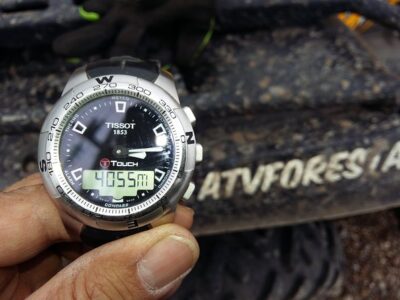
The high point of the walk is also where altitude becomes most noticeable. The route has been described as beginning around 3,500 meters and reaching close to 4,000 meters, with approximately 300 to 400 meters of elevation gain. Other descriptions put parts of the hike nearer 10,000 feet, so conditions and route choices appear to vary. In every case, you are hiking much higher than Mexico City.
Spend your energy steadily. Use the poles on climbs and descents, drink before you feel thirsty, and tell the guide if you feel unwell. Good fitness helps, but altitude affects people differently. Several people who had already spent days acclimatizing in Mexico City found the walk manageable, while others found the thin air the hardest part.
A few more Mexico City half-days to weigh up
- From Mexico City: Hike Iztaccihuatl Volcano with an Alpinist
★ 4.3 · 155 reviews - Hiking Excursion to the Iztaccíhuatl Volcano from Puebla
★ 5.0 · 74 reviews - Hike at Nevado de Toluca Volcano
★ 5.0 · 69 reviews - 3 Hour Private Hike: Mountain Nevado Toluca from Mexico City
★ 5.0 · 59 reviews
Amalacaxco Ravine, ash, and the waterfall section
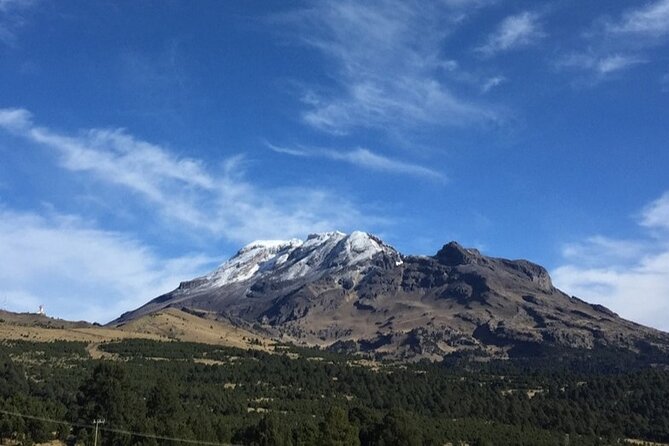
After Cerro Altzomoni, the route descends toward Amalacaxco Ravine. This section brings a change in scenery and may show more plant life and, possibly, wildlife. The ground can be dusty, and some walkers have found the volcanic ash irritating when it gets kicked into the air.
A light face covering or bandana can help with dust. You should also expect dirty shoes and trousers. This is a mountain trail, not a groomed park path.
One of the memorable features is a waterfall or glacial stream. In cold conditions, icicles can form around the falling water and nearby plants. That detail gives the middle of the hike a welcome surprise, especially after the long uphill section.
The descent is not automatically easy. Loose rock and slippery ground can make downhill walking harder on knees and ankles than the climb. Trekking poles are useful here, and sturdy shoes with good grip are more important than fashionable hiking clothes.
The longer route is usually about 13 kilometers, while some departures offer a shorter 9 kilometer option. The longer loop gives you more time in the remote mountain setting and has been singled out as a favorite part of the day. If the guide offers a choice, consider the long route only if your breathing and legs feel good at altitude.
Returning to Paso de Cortés and the final road section
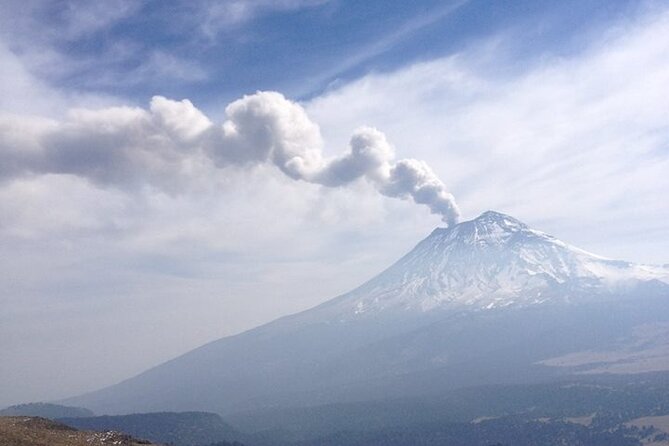
The trail eventually returns to Paso de Cortés. Most of the walking is scenic, quiet, and away from heavy foot traffic. A weekday departure may feel especially peaceful, with very few other groups on the trail.
There is one important qualification. One route description includes a final four-kilometer stretch on a road with cars. That part is less pleasant than the forest and mountain sections, so ask the guide at the start how much road walking is planned that day.
Other route accounts describe the trail as mostly a dirt road. These details may seem contradictory, but they point to the same practical truth: this is a natural mountain route, not a single polished hiking path. You may walk on forest tracks, dirt roads, rocky ground, and exposed volcanic ash.
The group returns to the van before heading down from the park. The guides continue to monitor the pace, but you should not count on a silent, private hike. With a group of up to 13, the day includes some social time and waiting at rest stops.
A full pack of trail food, then tacos and quesadillas
The included food is one of the tour’s strongest practical features. Your backpack includes a liter of water, a 600 milliliter energy drink, a chocolate energy bar, peanuts, fruit snacks, and a sandwich or similar packed food. The exact combination may vary, but you are given enough supplies for the walk rather than being expected to buy food on the mountain.
That matters because there are no regular trail cafés or dependable facilities along the route. Eat small amounts as you go, especially before uphill sections, and do not save all your water for the end.
The second meal comes after the hike at a traditional market or roadside Mexican eatery. Tacos and quesadillas are included, with fillings such as squash flower available on some days. It is a satisfying finish after five hours of mountain walking, and a better taste of local food than a standard sandwich stop.
The meal is also part of the value. At $133.34 per person, you are paying for transport, guide service, gear, trail supplies, and lunch. A self-organized visit would need transport to the park, park logistics, food, and equipment. The price is not cheap, but it is reasonable if you value a guided route and do not have a rental car or hiking gear.
The guides can make or break the day
The company is México Travesías. Guides named in the feedback include Carlos, Bernardo, Alan, Sergio, Alberto, Salva, and Johannes. Carlos and Bernardo receive especially strong praise for warmth, route knowledge, explanations, and careful attention to people who were struggling.
Guide style can vary. Some guides explain the volcanoes, plants, animals, and geography as they walk. Others provide less commentary and act mainly as route leaders and safety support. That is the clearest soft spot in an otherwise well-liked outing.
You can improve your experience by asking direct questions. Ask what you are seeing, how the volcanoes formed, how active Popocatépetl is that day, and which route option is planned. A quiet guide may become much more engaging with an interested group.
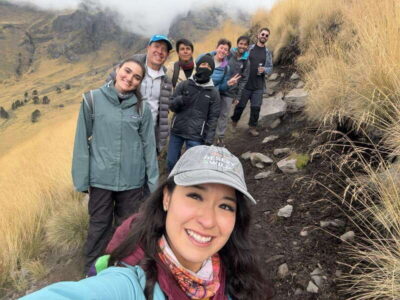
The small group is a real advantage. A maximum of 13 makes it easier to hear instructions and get help with pacing. It also gives the guide a better chance to notice altitude problems. The group size may not feel tiny, especially if everyone stays together, but it is more personal than a large coach tour.
Who should book this 9-hour mountain day
I would choose this trek if you want substantial time in nature and are comfortable with a long walking day. You do not need mountaineering skills, and the route is not a summit climb, but you should be able to handle sustained uphill walking, uneven ground, and 9 to 13 kilometers at high altitude.
It suits:
- Hikers with above-average fitness
- People who want volcano views without a multi-day climb
- Visitors who appreciate a guide, transport, equipment, and food in one package
- Anyone looking for a quiet break from Mexico City
- Families with older children who can manage a long, high-altitude walk
I would think twice if you dislike winding drives, struggle with altitude, want a short scenic stop, or need a guaranteed clear view. You should also be comfortable with basic trail conditions, dust, changing temperatures, and limited facilities.
Service animals are allowed, and the experience is described as suitable for most people who can participate in the walk. That does not remove the need to judge your own fitness. The route has steep sections, and altitude can turn a moderate trail into a strenuous one.
What to pack for the volcanoes
Wear layers. A fleece, trousers, and a warm jacket make sense early in the day, while lighter clothing may feel better once the sun is out. Bring hiking boots or sturdy shoes, sunglasses, a hat, sunscreen, and a bandana or face covering for ash and dust.
The company supplies trekking poles, a backpack, water, an energy drink, snacks, and lunch. You still need personal essentials, including any medication, extra toilet paper, and cash for restrooms. A rain jacket may be useful in unsettled weather, though clothing needs vary by season.
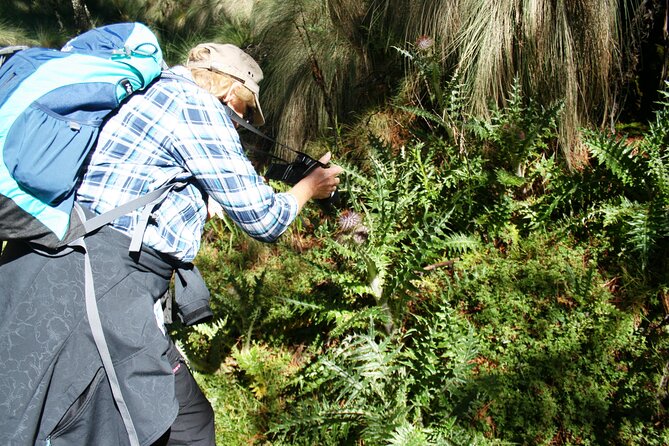
Keep your phone or camera accessible. The best views can appear suddenly between trees or at a ridge, and the waterfall section offers another good photo stop. Do not let photography replace steady hydration and attention to the trail.
Should you book Trekking Through the Volcanoes?
Book it if the idea of walking between Iztaccíhuatl and active Popocatépetl excites you more than the thought of spending four hours in a van. The scenery, high mountain setting, included equipment, generous food, and attentive guides such as Carlos and Bernardo make this a strong value for a full day outside Mexico City.
Skip it if you want an easy stroll or a guaranteed volcano view. The altitude is the key issue, not technical difficulty. Prepare for thin air, dust, cold mornings, slippery ground, and a possible road section near the end. Cancel at least 24 hours before departure for a full refund. If poor weather or too few bookings cancel the outing, you are offered another date or a full refund.
FAQ
Where does the tour start?
It starts at Av. Vicente Suárez 38, Colonia Condesa, Cuauhtémoc, Mexico City, at 7:00 a.m.
Where does the activity end?
The activity ends back at the same meeting point in Mexico City.
How long does the experience last?
The advertised duration is about nine hours, though the full day can run just over 10 hours when driving, hiking, and lunch are included.
How far do you walk?
The route may be about 9 or 13 kilometers, depending on the option used that day. Some descriptions also note roughly five hours of actual hiking.
How high does the route go?
The walk begins around 3,500 meters and may reach close to 4,000 meters. Some descriptions place parts of the route around 13,000 feet.
What food and equipment are included?
You receive trekking poles, a backpack, water, an energy drink, a chocolate or energy bar, peanuts, fruit snacks, and a packed sandwich or similar food. A traditional lunch of tacos and quesadillas is served afterward.
Can I cancel for a full refund?
Yes. Cancel at least 24 hours before the local start time for a full refund. Cancellations or changes made within 24 hours are not refunded. If weather or minimum group size causes the company to cancel, you can choose another date or receive a full refund.
Just added around Mexico City
- Mexico City: Hop-on Hop-off City Tour by Turibus 2-Day Pass★ 4.0 · 10 reviews
- Anthropology Museum, Chapultepec Castle & Cable Car Tour★ 4.5 · 10 reviews
- Multi-Variety Mole Class in a Condesa home or art gallery rooftop★ 5.0 · 10 reviews
- PRIVATE TOUR Colonial Town Taxco and Cuernavaca from CDMX.★ 5.0 · 10 reviews
- Private Round-Trip Transportation to Teotihuacan Pyramids★ 5.0 · 10 reviews
- Teotihuacan and My Grandma’s Food Tour★ 5.0 · 10 reviews
- El Centro Street Food Walking Tour★ 5.0 · 10 reviews
- Private Walking Tour Legends and Events Historic Center CDMX★ 4.8 · 10 reviews
Volcano Hikes & Climbs, compared.
Nevado De Toluca: Reach the Summit with Professionals
Read our review →
2 Volcanos – Special 2 pax, 3 -4 hr ride. Reserve Only 1 pax
Read our review →
Mountaineering to the Nevado de Toluca (altitude 4680m)
Read our review →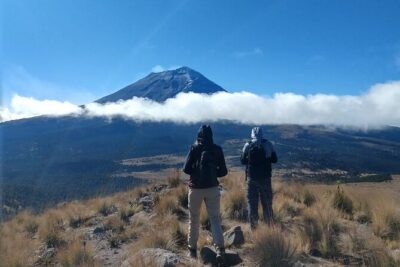
Hiking Excursion to the Iztaccíhuatl Volcano from Puebla
Read our review →
Browse the lists this tour appears in