
Reviewed · MEZCAL & TEQUILA TASTINGS
Unique cablecar experience, pulque tasting &unbeatable views
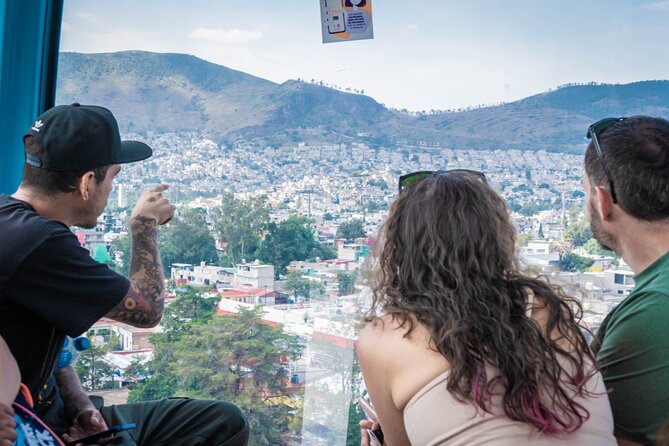
Mexico City’s Cablebús is not just a sightseeing ride. It is public transport, a window into steep hillside neighborhoods, and your route to a mountain overlook that few first-time visitors find alone. You’ll ride above colorful homes, street art, busy roads, and the old Volkswagen taxis that still work the hills.
I especially like the mix of ordinary city life and high views, plus the chance to taste pulque where it is served locally. Guides such as Erick, Alex, and Marcos add useful context and make the complicated transfer from cable car to car, trail, and pulquería manageable.
This is not a polished sightseeing loop. The short mountain walk can be steep, rocky, and uneven, and the car transfer may feel rough. The pulque stop is a local setting, not a tourist-designed tasting room, so you should be comfortable with a little uncertainty.
In This Review
- Key points to know before you go
- Why this Cablebús trip feels different
- Meeting at Cablebús Indios Verdes
- Riding above Cuautepec for about 45 minutes
- Cuautepec, a barrio with a long past
- The car ride toward the upper slopes
- A short hike with a big payoff
- Pulque at a local pulquería
- What the $35 price gets you
- Safety, comfort, and who should go
- Should you book this northern Mexico City adventure?
- FAQ
- Where does the tour begin?
- Where does the tour end?
- How long does the experience last?
- What language is the tour offered in?
- How many people can join?
- Is pulque included in the experience?
- Is there a hike?
- Can I cancel for a full refund?
Key points to know before you go
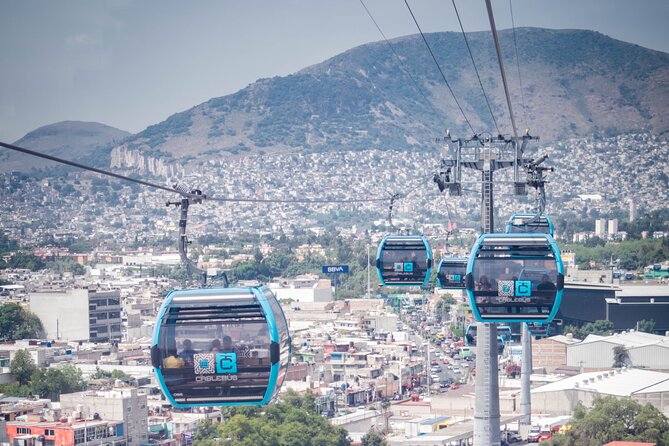
- Ride two Cablebús sections through northern Mexico City and the hillside barrio of Cuautepec.
- See Cuautepec from above and on foot, including steep roads, colorful houses, and areas shaped by difficult terrain.
- Continue by car and hike uphill toward a natural reserve near the highest point of the outing.
- Taste pulque, a traditional agave drink, at a local pulquería.
- Expect a small group, with a maximum of nine people and English-language guiding.
- Wear proper shoes, since the final walk may be steep and rocky.
Why this Cablebús trip feels different
Most Mexico City sightseeing keeps you near the historic center, museums, grand avenues, and well-worn food districts. This outing heads north from Indios Verdes, into the outer reaches of the city and toward Cuautepec.
That change matters. The Cablebús is part of daily life for people living on the hills. It links high neighborhoods with lower transport connections, making a difficult commute more practical. From the cabin, you get a moving view of how the city grows up slopes that would be hard to climb every day.
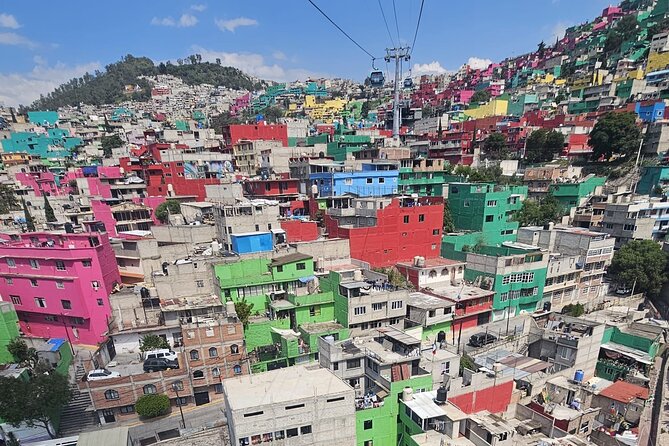
You will see houses packed across steep ground, narrow roads, bright walls, and street art. The view is not arranged for visitors. You might see a Volkswagen Beetle taxi working its way up a hill, children heading through the neighborhood, or residents using the same cable car you are riding.
Your guide helps explain what you are seeing. Erick is the guide most often associated with this experience, while Alex and Marcos have also led outings. The guiding style described by the experience is conversational, with time for questions about transportation, local neighborhoods, and the area’s past.
The small group size is a real advantage. With no more than nine people, it is easier to hear the guide inside the Cablebús and easier to adjust the pace during the walk. It also makes the outing feel less like a procession and more like a friend showing you a part of town you would not have reached on your own.
More mezcal and tequila tastings:
- Lucha Libre Tickets & Tacos & Beer & Mezcal – BEST NIGHT EVER!
★ 5.0 · 1,077 reviews - Lucha Libre Tour and Mezcal Tasting in Mexico City
★ 5.0 · 519 reviews - Mexico City: Tequila and Mezcal Museum Tour with Tasting
★ 4.8 · 301 reviews
Meeting at Cablebús Indios Verdes
The meeting point is at Cablebús Indios Verdes, at Residencial Zacatenco in Gustavo A. Madero. The tour ends at the same meeting point, which makes planning simpler than an outing that leaves you in a different part of the city.
You need to make your own way there unless you arrange a pickup. Hotel pickup has been offered for an extra fee, described as reasonable by people who used it. That option can be useful if you are staying in the city center and want to avoid working out the route before an early start.
The meeting area is near public transportation. One useful detail from the experience is that people have reached the Cablebús by bus and Metro connections, including Line 3 at Indios Verdes. Give yourself time to arrive. Mexico City transit can take longer than a map suggests, and you do not want to begin the morning hurried.
The tour uses a mobile ticket, and confirmation normally arrives at booking. If you book within one day of departure, confirmation may take longer because it depends on availability.
Riding above Cuautepec for about 45 minutes
The first major part of the outing is the Cablebús ride. It lasts about 45 minutes and includes admission.
The scale may surprise you. This is a substantial urban cable car system, not a short ride built only for sightseeing. As the cabin moves over the hills, you get a broad view of roads, homes, walls, small businesses, and neighborhoods that are difficult to understand from street level.
The ride also gives you time to settle into the day. You are not rushing from one monument to another. Instead, the city opens gradually below you. The guide points out how the neighborhoods developed and how the cable system helps people move from the hills toward lower transport links.
You will make a transfer after several stops, then continue through the system. That transfer is part of the experience. It shows you how the network works for residents, rather than giving you a short out-and-back ride in a single cabin.
The view changes as you go higher. At first, you may focus on the city’s density and traffic. Farther along, the steep slopes become more obvious. Roads twist upward, houses sit in challenging positions, and the urban edge begins to meet open ground.
Weather will affect what you see. On a clear morning, the high views can reach across Mexico City and into the State of Mexico. Clouds or haze may soften the panorama, but the ride remains worthwhile for the close look at the neighborhoods.
Cuautepec, a barrio with a long past
The next stop is Cuautepec, where the tour spends roughly 45 minutes. The area’s history reaches back to around 2000 B.C., and Chichimeca and Toltec groups established communities in the region. Small artifacts were found in the early 1900s, adding another layer to a place many visitors know only as a distant hillside district.
The value here is not a formal archaeological visit. You are seeing a living neighborhood shaped by older settlement and modern growth. The streets carry plenty of energy, but they can also feel steep, crowded, and rough underfoot.
Look closely at the way homes fit the hills. Some roads climb sharply, while buildings rise wherever the slope allows. The Cablebús has changed the practical connection between these neighborhoods and the rest of the city, but it has not erased the older feel of the streets.
This is a good part of the day for questions. Ask about the cable system, local commuting, the barrio’s growth, and the visible mix of older and newer construction. A good guide makes the view easier to read.
You should also keep your expectations realistic. Cuautepec is not presented as a preserved historic quarter, and there is no promise of a set list of monuments. The attraction is the chance to observe daily life and the physical reality of a city built into hills.
More food tours in Mexico City:
- Historic Center Food Tour in Mexico City
★ 5.0 · 1,263 reviews - Polanco Food Tour: The Bestselling Food Adventure in Mexico City
★ 5.0 · 881 reviews - Colonia Roma Food Tour
★ 5.0 · 838 reviews - Mexico City Historical Centre Food Tour with 7 Authentic Tastings
★ 5.0 · 723 reviews
The car ride toward the upper slopes
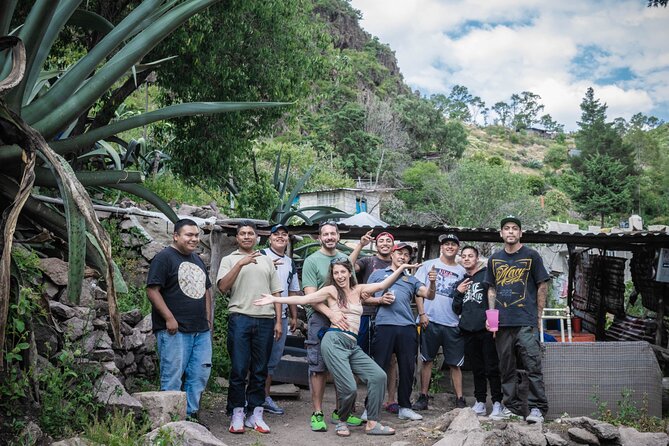
After Cuautepec, the tour continues by car toward the highest part of the route. The vehicles may include older Volkswagen Beetles used as local taxis, a memorable detail that gives the transfer a very local character.
The ride can be fun, but it may not be smooth. You will be going up steep roads, and the condition of the cars can vary. One person found the vehicles uncomfortable and unsafe, while most of the available feedback described the ride as an enjoyable and well-managed part of the outing.
That difference is worth taking seriously. If you need a modern, roomy vehicle or dislike rough hill roads, this section may test your patience. If you enjoy seeing how local transport works and can accept an old car on steep streets, it adds much more character than a standard tourist van.
The guide manages the transfer and keeps the group together. Erick is often praised for being attentive and careful, which matters once you leave the simple Cablebús route and begin changing vehicles.
A short hike with a big payoff
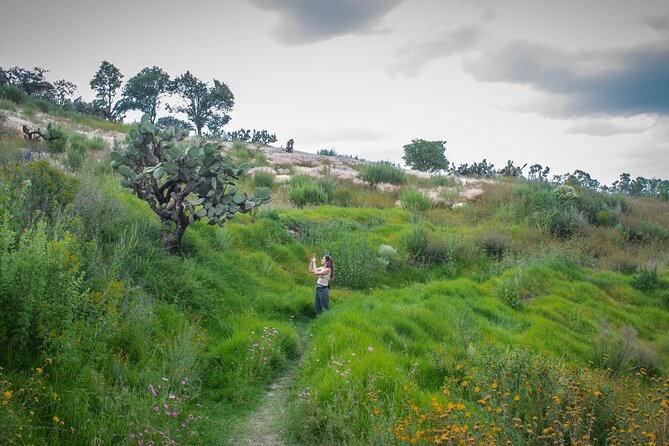
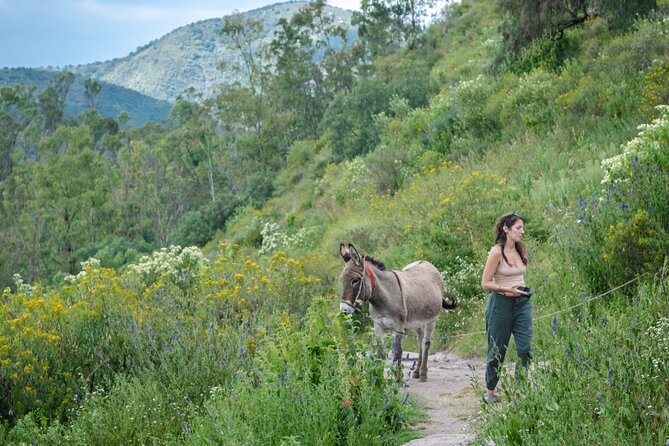
The final walk leads toward a natural reserve sometimes called Mexico City’s last lung. It takes about 30 minutes as part of the listed schedule, though the complete outing can run closer to three hours and may stretch longer depending on the group.
Do not read short hike as easy stroll. The path has been described as steep, rocky, and uneven. One family member chose not to continue and the guide adjusted the plan rather than forcing the issue. That is useful to know if you have limited mobility, dislike rough ground, or are traveling with a child who tires quickly.
Wear comfortable walking shoes with a solid sole. Sunscreen is sensible, and comfortable clothes will serve you better than city shoes or restrictive outfits. You are heading uphill, sometimes at around 2,800 meters, so take your time and drink water.
The reward is the view. From the upper slopes, Mexico City spreads below you while the State of Mexico reaches beyond it. You get both open countryside and dense urban growth in one frame, a sharp contrast to the enclosed Cablebús cabins and narrow neighborhood streets.
The view also helps explain the city’s scale. From street level, Mexico City can feel like a series of separate districts. From the mountain, the connections become clearer. You see where the hills end, where the city presses upward, and why cable transport matters here.
Pulque at a local pulquería
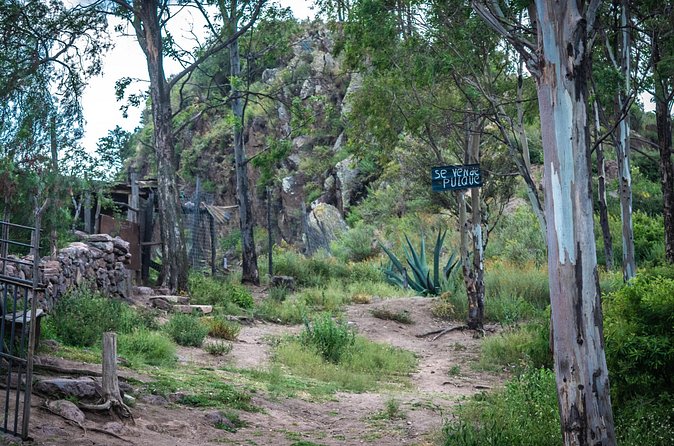
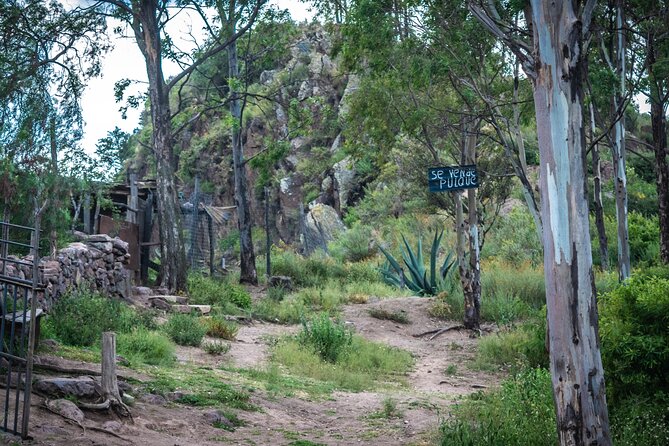
Pulque is one of the outing’s most distinctive features. It is a traditional drink made from agave, and the stop gives you a chance to try it in a setting connected to local life rather than a hotel bar or a formal tasting room.
The pulquería is described as a small local place where you can interact with people from the area. That is part of the charm, but it also means conditions may be basic. The experience is social and informal, not designed to meet every visitor’s idea of hygiene or comfort.
If you have never tried pulque, expect a drink unlike tequila or mezcal. The flavor and texture may take some getting used to. You can sample it, decide it is not for you, and still enjoy the cultural value of seeing where it fits into local life.
One important caution: a person became ill later in the day and suspected the pulque, though there was no definite proof. If your stomach is sensitive, you may prefer to take only a small taste or skip the drink. The tour’s local setting is a strength for many people, but it also calls for common sense.
Food may be part of some outings, with accounts of simple family cooking, tacos, a local market meal, or churros. It is not clear that a full meal is guaranteed every time, so bring a little cash if you want to buy food along the way. Treat those stops as possible extras, not the main reason to book.
What the $35 price gets you
At $35 per person, this is a reasonable price for an experience that combines public transportation, guiding, a mountain transfer, a walk, and a pulque stop. You are paying for access and local knowledge as much as for movement from one place to another.
The Cablebús itself is inexpensive public transport. The value comes from understanding where to go, how to make the transfer, how to continue into the hills, and how to return without wasting time. A solo visitor could try to copy the route, but finding the upper trail and a local pulquería would be much harder.
The small group also improves the value. You can ask questions and receive help during the transport changes. The guide may also adjust the pace or make a different plan if someone cannot manage the hike.
Do not book this expecting a luxury excursion. The price does not buy private comfort, a polished vehicle, or a tightly controlled food tasting. It buys an unusual half-day look at Mexico City with a guide who knows how to connect the pieces.
The tour is booked, on average, about 12 days before departure. That suggests you should reserve ahead if your schedule is fixed, especially since the group is capped at nine people.
Safety, comfort, and who should go
I would recommend this most to curious, active visitors who have already seen the main central sights and want a more ordinary side of Mexico City. It also suits solo visitors, couples, and families with older children who enjoy public transport and do not need every stop to be polished.
You should be comfortable with:
- A small group moving through busy public areas
- An older car on steep roads
- A short but demanding uphill walk
- Uneven ground
- A local pulquería with basic conditions
- Plans that may adjust to the group
Most people can participate, and service animals are allowed. Still, the terrain makes this a poor choice for anyone who cannot safely walk on a steep, rocky path. The guide may adapt the plan, but the mountain view and pulque stop depend on reaching the upper area.
The experience has a strong safety advantage in having a guide who knows the route. You are not left to work out the transfer from Cablebús to car to trail by yourself. At the same time, you remain in a real urban district, not a controlled attraction. Keep normal city awareness, stay with the group, and follow the guide’s instructions.
Free cancellation is available if you cancel at least 24 hours before the start time. Cancellations within 24 hours are not refunded, and late changes are not accepted.
Should you book this northern Mexico City adventure?
Book it if you want public transport, hillside neighborhoods, local stories, and a mountain view in one compact outing. The Cablebús ride is the opening act, not the whole show. The best parts come from seeing Cuautepec at street level, riding upward in a local taxi, walking toward the reserve, and trying pulque in an ordinary neighborhood setting.
Skip it if you want a soft, predictable tour with a modern vehicle, flat paths, and a formal tasting room. The old cars, rough trail, and basic pulquería are central to the experience, not minor flaws that can be removed.
For most suitable visitors, the $35 cost is fair. You get a difficult-to-recreate route, a small group, and a guide such as Erick, Alex, or Marcos to explain what you are seeing. Wear good shoes, allow extra time, and approach the day with flexibility. That is the right way to enjoy this unusual view of Mexico City.
FAQ
Where does the tour begin?
It begins at Cablebús Indios Verdes, at Residencial Zacatenco in Gustavo A. Madero, Mexico City.
Where does the tour end?
The activity ends back at the Cablebús Indios Verdes meeting point.
How long does the experience last?
The listed duration is approximately 2 to 3 hours. Individual outings may take longer depending on the pace of the group and the transport connections.
What language is the tour offered in?
The tour is offered in English.
How many people can join?
The maximum group size is nine people.
Is pulque included in the experience?
Pulque tasting is part of the experience. The stop takes place at a local pulquería, where the drink is served in an informal setting.
Is there a hike?
Yes. The route includes a short uphill walk toward a mountain lookout and natural reserve. The path may be steep, rocky, and uneven.
Can I cancel for a full refund?
Yes, if you cancel at least 24 hours before the local start time. Cancellations or changes made within 24 hours are not accepted and are not refunded.
Just added around Mexico City
- Mexico City: Hop-on Hop-off City Tour by Turibus 2-Day Pass★ 4.0 · 10 reviews
- Anthropology Museum, Chapultepec Castle & Cable Car Tour★ 4.5 · 10 reviews
- Multi-Variety Mole Class in a Condesa home or art gallery rooftop★ 5.0 · 10 reviews
- PRIVATE TOUR Colonial Town Taxco and Cuernavaca from CDMX.★ 5.0 · 10 reviews
- El Centro Street Food Walking Tour★ 5.0 · 10 reviews
- Private Round-Trip Transportation to Teotihuacan Pyramids★ 5.0 · 10 reviews
- Teotihuacan and My Grandma’s Food Tour★ 5.0 · 10 reviews
- Teotihuacan Pyramids Tour from Mexico City★ 5.0 · 10 reviews
Mezcal & Tequila Tastings, compared.

Lucha Libre Tickets & Tacos & Beer & Mezcal – BEST NIGHT EVER!
Read our review →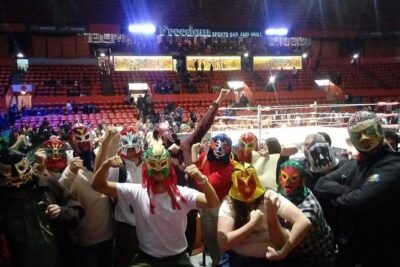
Lucha Libre Tour and Mezcal Tasting in Mexico City
Read our review →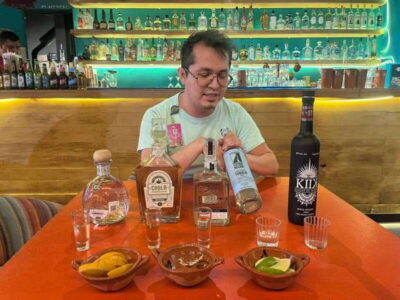
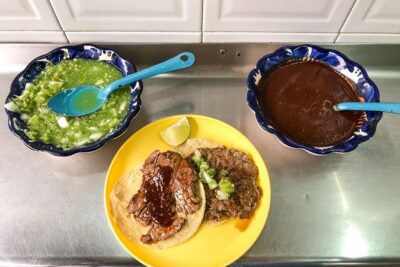

Xochimilco: Tequila tasting (unlimited) and cultural party on a boat
Read our review →
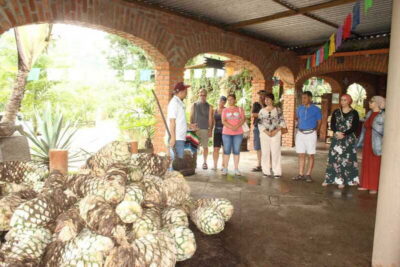
Puerto Vallarta: City Tour, Tequila and Coffee Factory Tour
Read our review →
3-Hour Night Tacos and Mezcal Crawl in Mexico with Guide
Read our review →Browse the lists this tour appears in