
Reviewed · MEXICAN COOKING CLASSES
Baking Delicious Traditional Mexican Bread
Mexico City has plenty of food tours, but this one puts your hands in the dough. You begin at San Cosme Market, walk through the San Rafael neighborhood, and finish in Verónica’s home baking conchas or pan de muerto with Oaxacan chocolate.
I like the mix of neighborhood life and kitchen time. I also like the tiny group, capped at six people, which should make it easier to ask questions and work at the counter. The main thing to consider is the price: at $70 per person, this is more than a simple cooking class, so its value depends on how much you enjoy the market walk and local stories as well as the baking.
In This Review
- Key points to know before booking
- San Cosme Market is more than a meeting point
- A short walk through San Rafael
- Verónica’s home kitchen and the bread lesson
- Oaxacan chocolate gives the lesson its finishing touch
- The recipes are the lasting souvenir
- Is $70 a fair price?
- Who will enjoy this best?
- Timing, meeting point, and cancellation
- Should you book this San Rafael baking class?
- FAQ
- Where does the baking activity start and end?
- How long does the activity last?
- How many people can join the experience?
- Is the activity offered in English?
- What kind of bread will I make?
- Is transportation included?
- Can I cancel for a full refund?
Key points to know before booking
- San Cosme Market sets the tone: You start with a visit to one of Mexico City’s emblematic markets and shop for ingredients before baking.
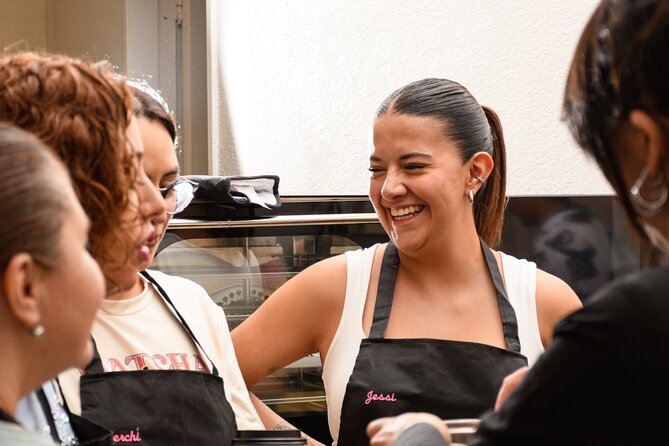
- Verónica leads the class: She teaches in English and guides you through traditional Mexican bread in a warm, home-style setting.
- Two classic breads are possible: You may prepare conchas or pan de muerto, depending on the class focus.
- Oaxacan chocolate comes with the bread: The chocolate is brought directly from Oaxaca and prepared to pair with the fresh baking.
- The walking route has cultural stops: You pass a Michelin-starred taqueria, the Opera House, and the architects’ colony connected with Remedios Varo.
- Small groups keep it personal: The maximum is six people, and the entire activity lasts about two and a half hours.
San Cosme Market is more than a meeting point
The activity begins at Mercado de San Cosme, at C. Gabino Barreda 18 in the San Rafael neighborhood. This matters because you are not dropped straight into a generic classroom. You begin in a working Mexico City market, where food is bought, discussed, and prepared as part of daily life.
The market portion also gives the baking lesson a useful beginning. Instead of treating Mexican bread as an isolated recipe, you get a sense of the ingredients and local food culture before heading to the kitchen. The market is where you shop for what you need, then carry that connection into the hands-on part of the afternoon.
I like this order. A cooking lesson can feel detached from place if all you see is a counter and a bowl. Here, the market gives the bread a neighborhood setting. You should still keep your expectations measured: the tour information does not promise a long market exploration or a full food crawl. The market is one part of a two-and-a-half-hour outing, not the whole day.
The meeting point is near public transportation, which is helpful in a city where traffic can make a short trip feel long. You will need to arrange your own way to the market and back, since private transportation is not included. The activity ends at the same meeting point, so you do not have to work out a separate return location.
More Mexican cooking classes:
- Mexican Cooking Class with Food Market Visit in Mexico City
★ 5.0 · 506 reviews - Essence of Mexico: Authentic Mexican Cooking Class & Market Tour
★ 5.0 · 289 reviews - Mexican Cooking Class & Cocktails in Mexico City
★ 5.0 · 134 reviews
A short walk through San Rafael
After the market, Verónica takes you through San Rafael. This neighborhood walk is an important part of the experience because it adds context without requiring a separate sightseeing tour.
One stop is a taqueria described as the only taqueria in all of Mexico with a Michelin star. That is a striking claim, and it gives the walk a clear food focus. You are not simply hearing about Mexican cuisine in the abstract. You are passing a place recognized at the highest level of restaurant dining while also seeing how tacos fit into the city’s wider food culture.
The taqueria is a stop on the route, not a full meal included in the price. Snacks are included, but the details do not say that a taco tasting or complete lunch is part of the activity. If you are hungry, plan accordingly rather than assuming the taqueria stop covers your meal.
The route also includes the Opera House, presented as one of Mexico’s important cinemas. The name can sound confusing in English, so it is worth treating this as a cultural landmark on the walk rather than expecting a performance or a theater program. The details do not say that you enter for a show, so do not book this expecting live entertainment.
You will also enter what is called the colony of architects, an area associated with notable creative figures, including the surrealist painter Remedios Varo. This gives the neighborhood walk a more artistic side. The route moves from market food to tacos, cinema, architecture, and painting before arriving at the baking lesson.
That range is one of the tour’s better features. It helps you see San Rafael as a lived-in part of Mexico City, not just a backdrop for a cooking class. At the same time, the walking portion is described in broad terms, so the depth will depend on the pace and conversation during your particular visit.
Verónica’s home kitchen and the bread lesson
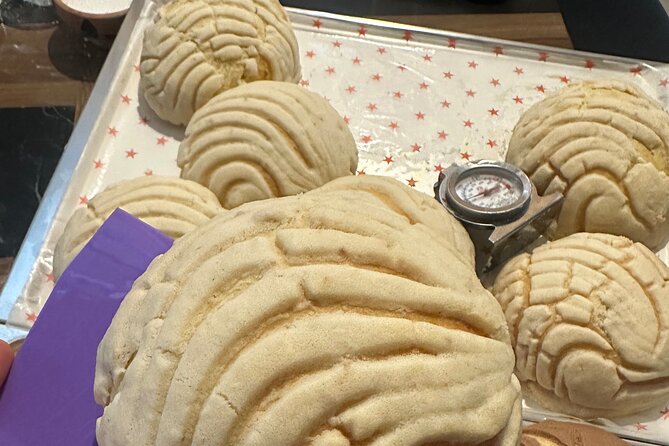
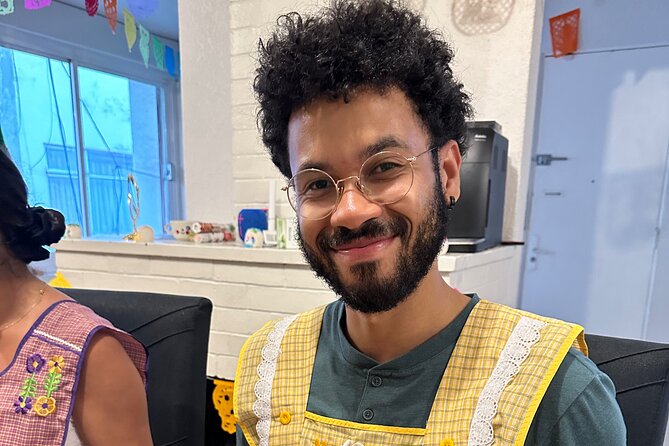
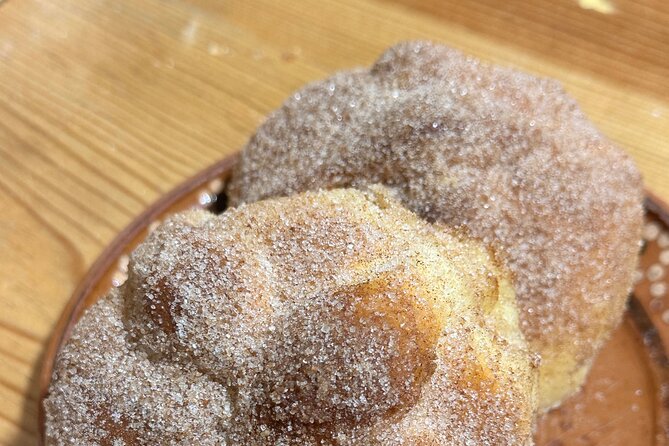
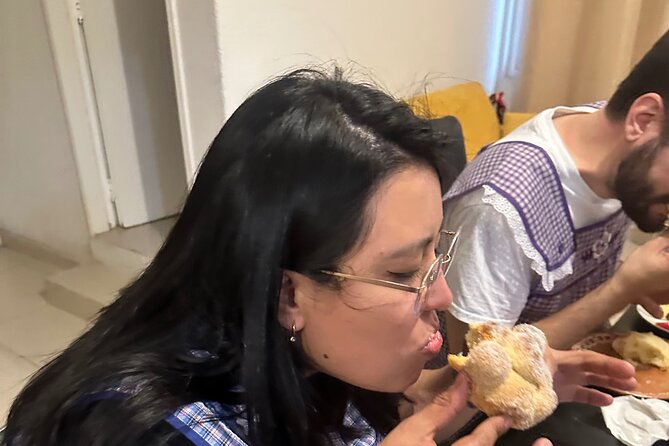
The heart of the activity takes place when you arrive at Verónica’s home. Here you prepare traditional Mexican bread, with conchas or pan de muerto named as the main possibilities.
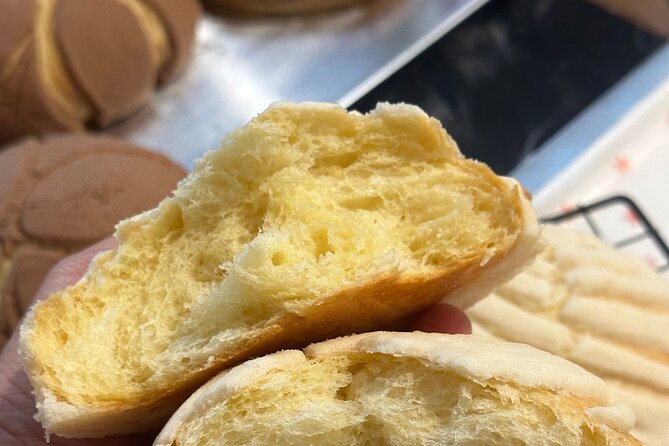
A concha is the familiar sweet bread with a shell-like topping. Pan de muerto is closely tied to the Day of the Dead season and is known for its distinctive shape and soft, sweet dough. The important point for you is that this is a real preparation session, not a demonstration where you only watch someone else work.
The class is suitable for different skill levels. A parent or experienced baker will likely find useful details in the process, while a first-time baker can take part without needing advanced technique. One especially helpful detail is that the pan de muerto process was described as easier and faster than expected. That makes this a good choice if you want a practical recipe rather than a long, technical pastry workshop.
You should expect to mix, shape, and prepare the bread with kitchen equipment supplied as part of the activity. The exact recipes and steps are not listed in advance, so the lesson is best understood as guided instruction rather than a fixed professional baking syllabus. Verónica’s role is central. She is described as warm, friendly, and easy to follow, with a teaching style that keeps the class moving.
That relaxed tone could be a real benefit. Baking with a guide in a home kitchen tends to feel less formal than working in a culinary school. It also makes the class a good fit for families, couples, and anyone who prefers conversation with their food lesson.
The small group limit helps here. With no more than six people, you are less likely to spend the entire class waiting for access to the ingredients or equipment. A small class also gives you a better chance to ask about the bread, the neighborhood, or how to repeat the recipe at home.
Oaxacan chocolate gives the lesson its finishing touch
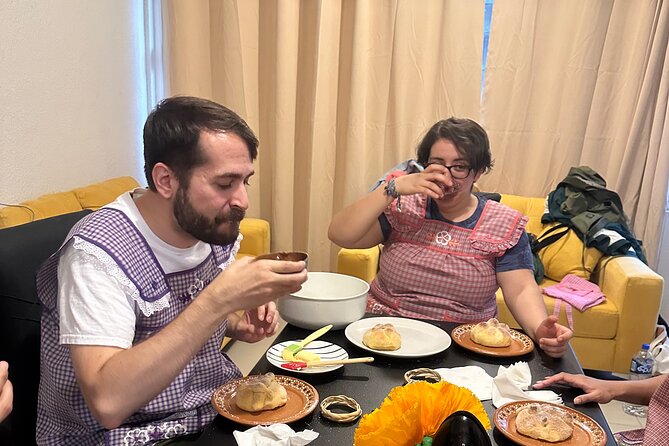
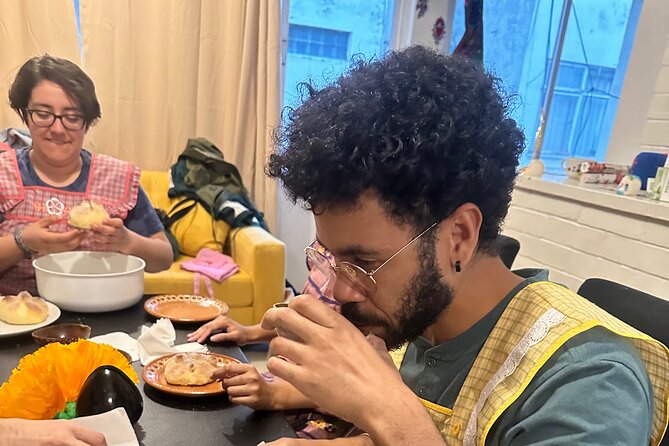
The bread is paired with hot chocolate made from Oaxacan chocolate brought directly from Oaxaca. This is not just a drink added at the end. It gives you a second traditional flavor to prepare and compare with the bread.
The pairing makes sense. Sweet bread has a soft, rich texture, while Oaxacan chocolate brings a different layer of flavor and warmth. Preparing the chocolate yourself also turns the final snack into another hands-on part of the class rather than a standard cup of coffee served without explanation.
Coffee and tea are included too, along with snacks. The supplied information does not promise a full meal, so you should think of the food as a substantial tasting and baking session, not breakfast or lunch replacement.
I particularly like the way the bread and chocolate work together as a lesson in texture. You are not only taking home baked goods. You are learning how two familiar Mexican foods can be served together, and why a regional ingredient such as Oaxacan chocolate changes the character of the meal.
A completely different day out, same corner of Mexico City:
- Teotihuacan, Guadalupe Shrine & Tlatelolco Day Tour with Lunch
★ 5.0 · 11,603 reviews - Xochimilco, Coyoacan and Frida Kahlo with Optional Lunch
★ 4.5 · 7,320 reviews - Balloon flight + Breakfast in cave + Pyramids + Pick up CDMX.
★ 5.0 · 6,335 reviews - Teotihuacan pyramids morning or afternoon without tourist traps
★ 5.0 · 6,186 reviews
The recipes are the lasting souvenir
At the end, you take the recipes home. That adds real value to the $70 price because the class does not end when you leave the kitchen.
A food tour can be enjoyable but difficult to repeat. You remember a taste, perhaps take a photo, and move on. Here, you receive instructions that let you make the bread and chocolate again. That matters most if you already bake, want a family activity after returning home, or hope to recreate a Mexico City meal for friends.
The recipes also make the class more useful for a short visit. You do not need to buy a long list of ingredients or commit to another cooking session. You spend one afternoon learning the method, then decide later how often to use it.
The information does not specify the format of the recipes, so you should not assume they include professional measurements, substitutions, or a complete guide to every variation. Still, having the recipes is a worthwhile part of the package, especially when combined with the chance to practice under Verónica’s direction.
Is $70 a fair price?
At $70 per person, this is not the cheapest way to eat in Mexico City. You could visit San Cosme Market on your own for very little, and the tour price does not include private transportation or a full meal at the Michelin-starred taqueria.
The value comes from combining several elements in one small-group outing:
- A guided market visit
- A neighborhood walk in San Rafael
- A stop connected with Mexico’s Michelin-recognized taco scene
- Cultural landmarks such as the Opera House and the architects’ colony
- A hands-on bread class
- Oaxacan chocolate preparation
- Snacks, coffee or tea, kitchen equipment, and recipes
If you want only a cooking lesson, $70 may feel high. If you want only a market visit, it is also more than you need to spend. But if you want food, local context, and a personal lesson in one booking, the price is easier to justify.
The maximum of six people is another factor in the value. You are paying for a more personal format rather than a large class. For a family with a teenager, that can make the afternoon feel more engaging. The activity has already worked well for a grandparent and teenage granddaughter, and the format suits people who want to learn together instead of splitting up for different attractions.
Who will enjoy this best?
I would recommend this to anyone who likes to understand a place through food but does not want a rigid culinary course. The mix of walking and baking keeps the afternoon varied, and the recipes give you something useful to take home.
It should also suit:
- First-time bakers who want clear guidance
- Families with older children or teenagers
- Couples looking for a low-key food activity
- Visitors interested in Mexican bread and regional chocolate
- People staying near public transportation
- English-speaking visitors who prefer a small group
You may want to choose another activity if you want a full meal, a long guided tour of Mexico City, or a formal visit inside a theater or museum. The cultural stops add flavor to the outing, but the bread lesson remains the main event.
The seasonal detail also matters. Pan de muerto has a strong connection with Day of the Dead, so that option may feel especially fitting during that period. Conchas offer a more everyday Mexican bakery experience and may be the better choice if you want a classic sweet bread to repeat at home. The exact bread prepared should be confirmed when booking if you have a firm preference.
Timing, meeting point, and cancellation
Plan for about two hours and thirty minutes from start to finish. Since the route includes a market, neighborhood stops, and a home baking lesson, you will get more from it if you arrive ready to move between locations and then spend focused time in the kitchen.
The activity starts and ends at Mercado de San Cosme, C. Gabino Barreda 18, San Rafael, Cuauhtémoc, Mexico City. It is offered in English and includes a mobile ticket. Public transportation is nearby, but private transportation is not provided.
Confirmation is received at the time of booking. You can cancel for a full refund if you do so at least 24 hours before the local start time. Cancellations or changes made inside that 24-hour window are not accepted for a refund.
Should you book this San Rafael baking class?
Book it if you want a small, personal food outing that links Mexico City neighborhood life with a practical kitchen lesson. The strongest parts are the market beginning, Verónica’s friendly instruction, the chance to make conchas or pan de muerto yourself, and the Oaxacan chocolate served with the finished bread.
Think twice if you are mainly looking for a cheap meal or a major sightseeing tour. The taqueria and cultural landmarks are supporting stops, not the full focus, and you pay $70 for the complete combination.
For most food-minded visitors, the recipes tip the balance. You get a local market, a walk through San Rafael, a home baking session, and a way to repeat the experience after returning home. That is a good afternoon in Mexico City, especially if you would rather make something than simply watch it being made.
FAQ
Where does the baking activity start and end?
It starts and ends at Mercado de San Cosme, located at C. Gabino Barreda 18 in San Rafael, Cuauhtémoc, Mexico City.
How long does the activity last?
The activity lasts approximately two hours and thirty minutes.
How many people can join the experience?
The group has a maximum of six participants.
Is the activity offered in English?
Yes. The activity is offered in English.
What kind of bread will I make?
The class includes traditional Mexican bread, with conchas or pan de muerto listed as the possible preparations.
Is transportation included?
Private transportation is not included. The meeting point is near public transportation.
Can I cancel for a full refund?
Yes. You can receive a full refund if you cancel at least 24 hours before the experience start time. Cancellations or changes made less than 24 hours before the start time are not accepted for a refund.
Just added around Mexico City
- Ticket to Frida Kahlo Museum (Blue House)★ 5.0 · 3 reviews
- Valle de Bravo: Forest Hiking Adventure★ 4.4 · 3 reviews
- Chapultepec Castle and Anthropology Tour, starting from CDMX★ 5.0 · 3 reviews
- La Roma Private Art Tour★ 5.0 · 3 reviews
- Private Transportation: Pickup and Drop-Off★ 5.0 · 3 reviews
- Mexico City: Relaxing or Decontracting Massage Experience★ 5.0 · 3 reviews
- Grutas de Tulantongo★ 3.0 · 3 reviews
- Mexico City: Local Walking Tour with Mezcal & Wrestling Show★ 5.0 · 3 reviews
Mexican Cooking Classes, compared.
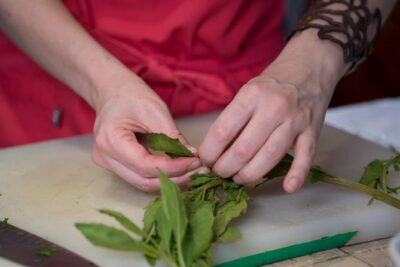
Mexican Cooking Class with Food Market Visit in Mexico City
Read our review →
Essence of Mexico: Authentic Mexican Cooking Class & Market Tour
Read our review →
Mexican Cooking Class & Cocktails in Mexico City
Read our review →
Private Mexican Cooking Class with Gastronomic Historian, Lucia
Read our review →
3h Cooking Class in Mexico City: 8 Recipes & Bottomless Drinks
Read our review →Browse the lists this tour appears in