
Reviewed · CUERNAVACA DAY TRIPS
Cuernavaca: Museo Robert Brady Guided Tour
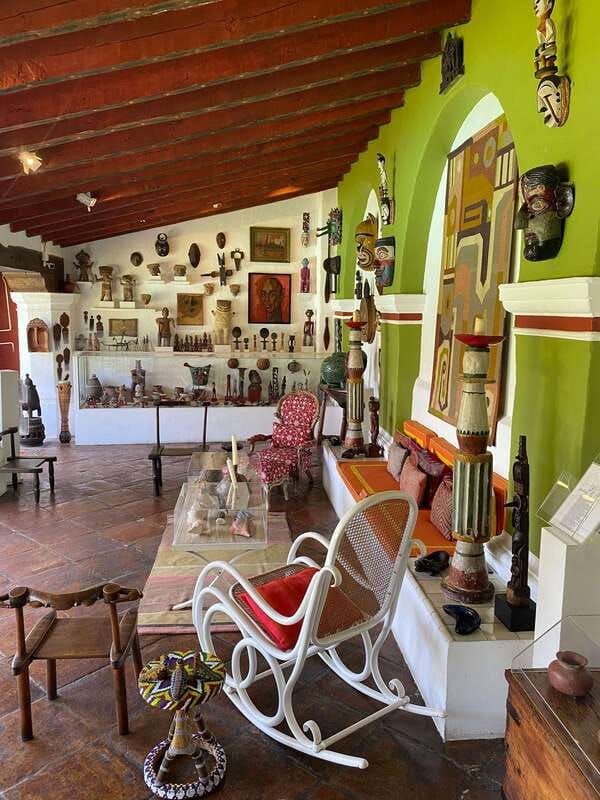
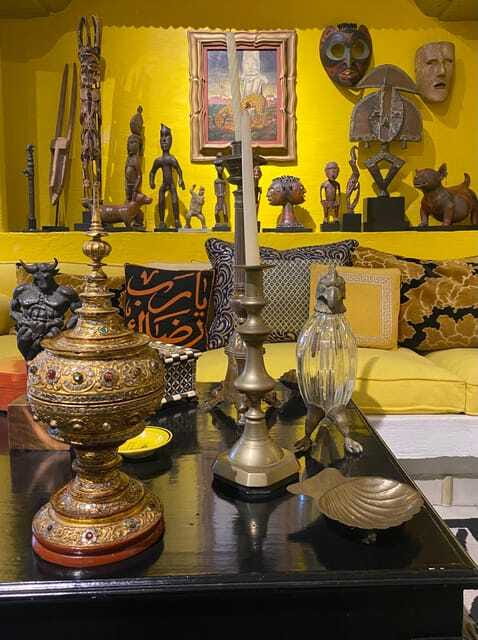
Museo Robert Brady is not a white-walled gallery with neat labels and a straight path from room to room. It is a 16th-century house museum behind Cuernavaca Cathedral, filled with more than 1,300 objects that Robert Brady selected and arranged as part of his own life. I like the setting, and I like that a guide can explain pieces that otherwise have no written label.
The tour’s biggest strength is the guide’s command of the collection. Sergio has handled detailed questions in Spanish, while other guides have identified the history and artists behind paintings, furniture, and decorative pieces. The main drawback is practical: no parking or wheelchair access, and backpacks, food, flash photography, selfie sticks, pets, and baby strollers are not allowed.
In This Review
- Key points
- Entering Casa de la Torre behind the cathedral
- Robert Brady’s collecting life in Cuernavaca
- Why a guide is especially useful here
- The collection, from Mexico to the Far East
- A 1.5-hour route with no wasted museum time
- What the $20 price means for value
- Practical rules before you arrive
- Who will enjoy this museum most
- Should you book the Museo Robert Brady tour?
- FAQ
- Where is Museo Robert Brady located?
- How long does the guided tour last?
- What languages are available?
- Is this a private tour?
- What is included in the price?
- How many pieces are in the museum?
- What types of art can I see?
- Which artists are represented?
- Is parking available?
- Is the museum wheelchair accessible?
- What items are not permitted inside?
- Can I return to the museum after leaving?
- Can I cancel the booking?
- Do I need to pay at the time of booking?
Key points
- A house behind Cuernavaca Cathedral: Enter Casa de la Torre, part of a former 16th-century Franciscan convent.
- More than 1,300 objects: See Mexican colonial furniture, pre-Hispanic figures, and art from Africa, the Americas, Oceania, India, and the Far East.
- Works by major artists: The collection includes Rufino Tamayo, Frida Kahlo, Miguel Covarrubias, Maurice Prendergast, Marsden Hartley, and Graham Sutherland.
- A guide makes the difference: Since the pieces are not marked like a standard gallery display, a live guide supplies the names, stories, and context.
- A private 1.5-hour visit: Tours run in English or Spanish and are offered in the morning, afternoon, and evening.
- Plan for a light visit: There is no re-entry, and large personal items cannot come inside.
Entering Casa de la Torre behind the cathedral
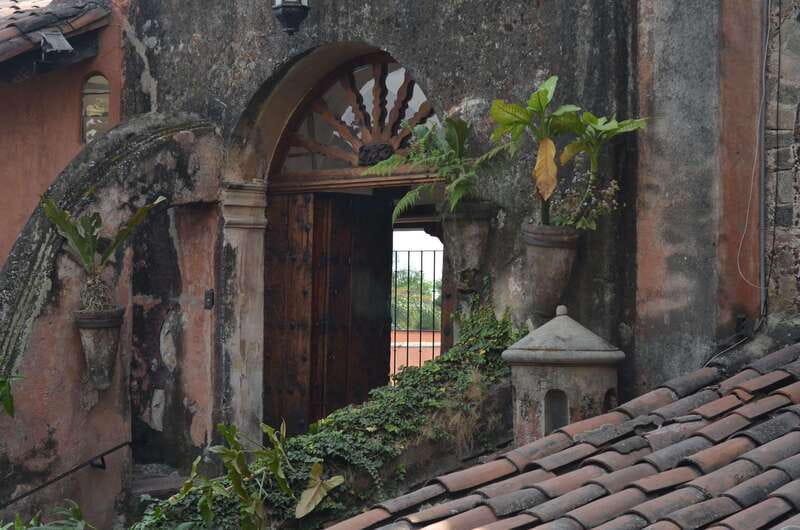
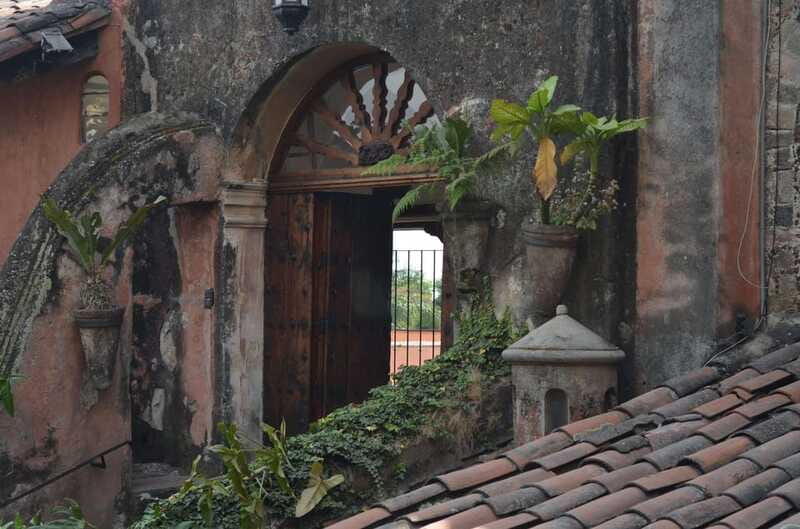
Your visit begins downtown, behind Cuernavaca Cathedral, at Casa de la Torre. The location matters. You are not entering a modern museum built to display an old collection. You are entering a historic house that became the setting for Robert Brady’s personal vision.
The house was created in a section of a 16th-century Franciscan convent. That gives the tour two subjects from the start: the building itself and the collection inside it. The rooms, walls, furniture, and objects are meant to be seen together, not treated as separate exhibits.
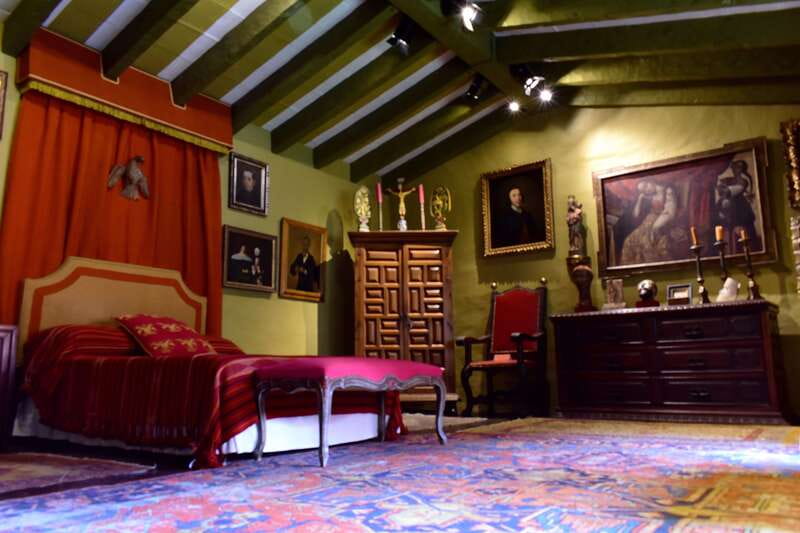
I like this kind of museum because it asks you to look at more than a painting’s frame. Brady designed each corner of the house with care, so the arrangement is part of the experience. The setting can also make the visit less straightforward than a typical gallery. You may not always know where to look first, which is one reason the guide matters so much.
The museum is one of Cuernavaca’s most important cultural spaces, but the tone is personal rather than institutional. You are seeing a home shaped by one collector’s taste, travels, and friendships.
More Cuernavaca day trips:
- Taxco, Cuernavaca & Pre-Hispanic Mine optional visit
★ 4.5 · 597 reviews - Mexico City: Taxco & Cuernavaca Tour with Pre-Hispanic Mine
★ 4.6 · 271 reviews - From Mexico City: 10-Hour Cuernavaca and Taxco Tour
★ 4.0 · 133 reviews
Robert Brady’s collecting life in Cuernavaca
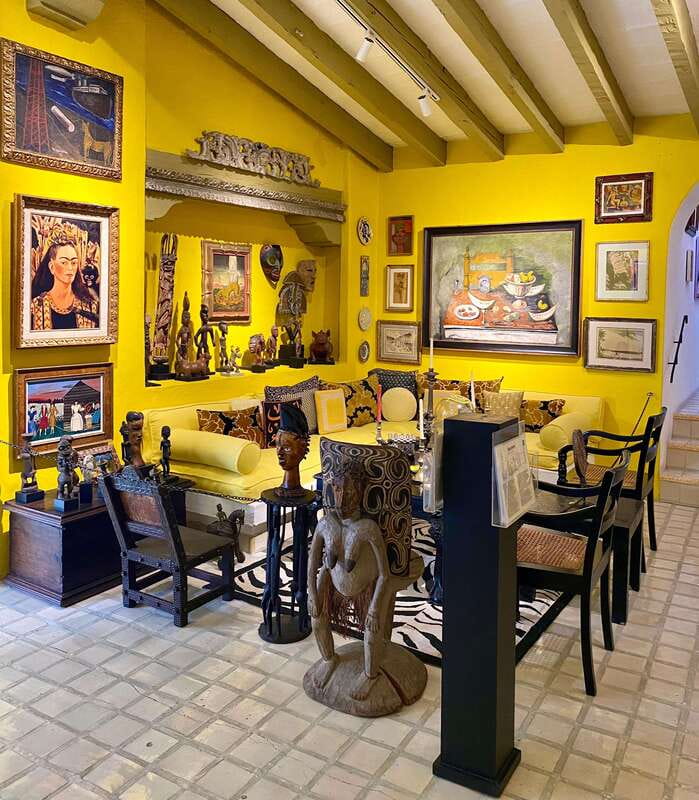
Robert Brady was an American artist and collector who lived in this house for more than two decades. During his life, he traveled widely to build his private collection, bringing together work from many parts of the world.
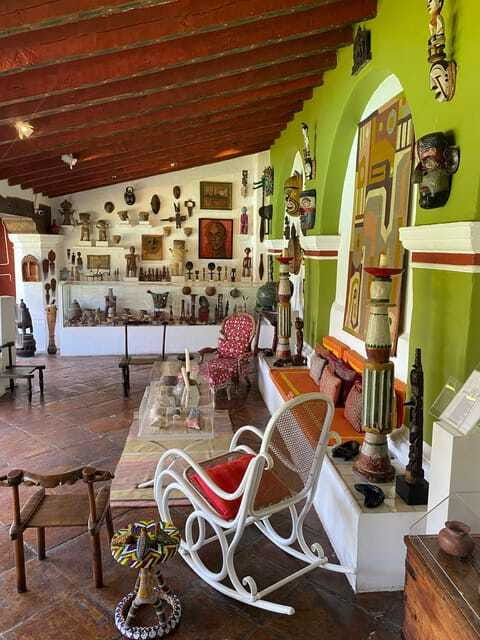
That range is the museum’s central appeal. In one visit, you can encounter Mexican colonial furniture, pre-Hispanic figures, and objects connected to Africa, the Americas, Oceania, India, and the Far East. The collection does not follow a single national school or period, so you should expect variety rather than a tightly organized art-history lesson.
I find the personal angle useful here. Brady was not simply storing objects. He arranged them in a home that expressed his view of how art and daily life could share the same rooms. The result is more intimate than a large public collection, though it may feel less orderly if you prefer clear sections and detailed wall text.
The house also hosted notable cultural and artistic figures, including Josephine Baker, Rufino Tamayo, Octavio Paz, Peggy Guggenheim, and Tamara de Lempicka. That detail gives the building added character, but the focus remains on the collection and the way Brady lived with it.
Why a guide is especially useful here
Many museum tours add context. At Museo Robert Brady, the guide fills a more basic need: identifying what you are looking at. The pieces are not marked in the usual way, so you cannot count on a label beside every painting, chair, figure, or decorative object.
That makes a guided visit a sensible choice if you want more than a quick look around. A guide can tell you which artist created a work, explain why it belongs in Brady’s collection, and connect it to the house around it. The strongest feedback about this tour centers on that exact service. Guides have known the history and artist information for the art and furniture, and they have answered detailed questions rather than giving only a prepared speech.
Sergio is one guide specifically associated with the experience. His Spanish-language tour has included careful answers to visitor questions and added information that made the visit more rewarding. The tour is also available in English, so you can choose the language that lets you ask the most precise questions.
A private group format helps here. You are not sharing the guide’s attention with a large crowd, and the 1.5-hour schedule gives enough time for explanations without turning the visit into an all-day commitment. If you see an artist or object that catches your eye, this is the moment to ask about it.
The collection, from Mexico to the Far East
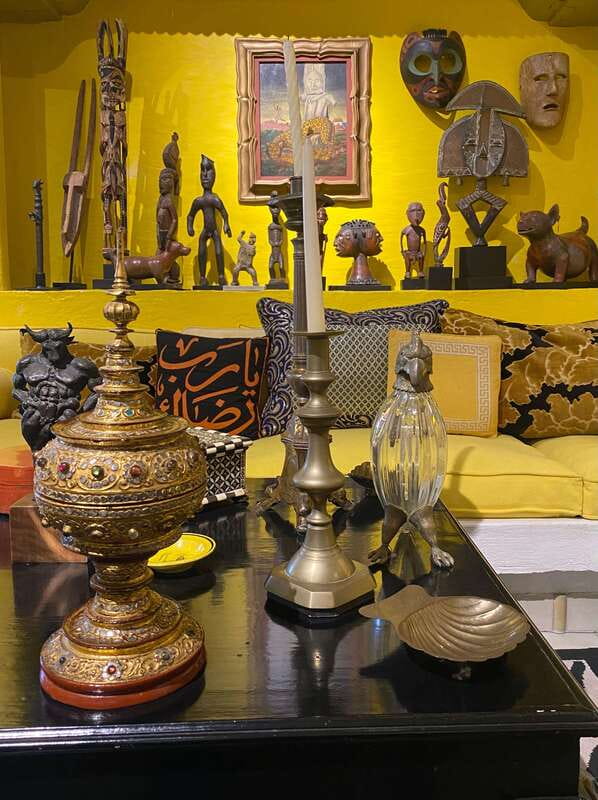
The collection covers a wide geographic range, and that is where the museum can surprise you. Mexican art and furniture are central, but they are shown alongside objects from Africa, the Americas, Oceania, India, and the Far East.
The Mexican material includes colonial furniture and pre-Hispanic figures. These pieces connect the house to Mexico’s long artistic past, while the international objects reflect Brady’s collecting travels and broad interests. You are not simply moving through a Mexican art museum or a European-style historic home. You are seeing both at once, filtered through one person’s choices.
The paintings provide another clear reason to take the tour. Brady collected works by Rufino Tamayo, Frida Kahlo, Miguel Covarrubias, Maurice Prendergast, Marsden Hartley, and Graham Sutherland. The supplied information does not specify which works are on display in each room, so do not arrive expecting a fixed checklist of individual masterpieces. Instead, expect to see named artists within a larger collection of paintings and applied arts.
I would give yourself time to compare the high-profile names with the less familiar objects. The point is not only to locate a famous painting. Brady’s eye appears in the relationship between a major artwork, a piece of furniture, and the room around them.
A few more Mexico City half-days to weigh up
- Teotihuacan Early Access Guided Tour with optional Lunch
★ 4.5 · 6,138 reviews - Anthropology Museum Guided Tour
★ 4.5 · 1,035 reviews - Mexico City: Anthropology Museum Guided Visit
★ 4.4 · 708 reviews - Mexico City: Frida Kahlo Museum Entry Ticket w/Digital Guide
★ 4.5 · 683 reviews
A 1.5-hour route with no wasted museum time
The tour lasts about 90 minutes. That is a useful length for a downtown Cuernavaca stop, especially if you are combining the museum with the cathedral and nearby sights.
The exact room-by-room route is not provided, so the tour should not be treated as a guaranteed sequence of named galleries. You will explore the house and its collection with the guide, moving through a historic setting rather than following a clearly described modern itinerary.
The time is long enough to cover the house’s background, Brady’s life, and a broad selection of objects. It is also short enough for you to stay focused. Because the display is dense and the works are not individually marked, a self-guided visit could leave you spending time guessing at names and dates. The guided format uses those 90 minutes more efficiently.
Tours are usually available in the morning, afternoon, and evening. That flexibility helps you fit the museum around your day, but it is still wise to choose a time when you can concentrate. This is a place for looking closely and asking questions, not racing through before another appointment.
The entrance ticket is included, along with the guided tour. Re-entry is not included, so plan to see the collection in one visit. If you tend to leave museums for coffee and return later, this is not the right setup.
What the $20 price means for value
The listed price is $20 per group up to one person. Because the experience is described as a private group tour, the value comes from direct access to a guide rather than from a long activity or transportation service.
For a solo visitor, the price buys a focused 1.5-hour explanation of a collection that can be difficult to read on your own. That is a fair reason to consider it, particularly if you care about artists, furniture, collecting, or historic houses. You are also paying for entrance tickets, so there is no separate museum admission listed within the activity.
The value is less obvious if you only want to walk through quickly and take in the rooms visually. In that case, the guide’s detailed explanations may be more than you need. But the lack of labels makes this tour more useful than a standard visit for anyone who wants to understand what is in front of them.
Free cancellation up to 24 hours before the visit adds flexibility, and you can reserve now and pay later. Those policies do not change the museum experience itself, but they reduce the risk of fixing your day too far in advance.
Practical rules before you arrive
There is no parking available at the museum. Since the house is downtown and located behind Cuernavaca Cathedral, plan your arrival around that fact rather than expecting an on-site parking space.
The museum does not allow backpacks, food, flash photography, selfie sticks, baby strollers, or pets. Assistance dogs are allowed. The bag rule is particularly important because a backpack is a common choice for a day in town. Travel light or arrange another place for it before you arrive.
Flash photography is not allowed, so your visit depends on looking carefully rather than documenting every room. The information does not specify the full photography policy, so you should follow the staff’s instructions once inside.
There is no wheelchair accessibility available. That is a major consideration for anyone who needs step-free access or has limited mobility. Baby strollers are also not allowed, which makes the tour less convenient for families with very young children.
English and Spanish are available. The private format is best for couples, solo visitors, families with older children, or small groups who want to ask questions at their own pace.
Who will enjoy this museum most
I would recommend the tour to you if you enjoy historic houses, collector museums, Mexican art, or international applied arts. It is also a strong choice if you recognize names such as Frida Kahlo, Rufino Tamayo, or Miguel Covarrubias and want more context around their work.
You will get the most from it if you ask questions. Since the pieces are not marked, the guide’s explanations are not a minor extra. They are a central part of the visit.
The tour is less suitable if you need wheelchair access, want to bring a stroller, or plan to carry a backpack inside. It may also disappoint you if you prefer a museum with a simple chronological layout and extensive written labels.
I like the balance of scale and content. Ninety minutes gives you a real look at the house without demanding a whole morning, while the international collection gives the visit more range than its compact setting suggests.
Should you book the Museo Robert Brady tour?
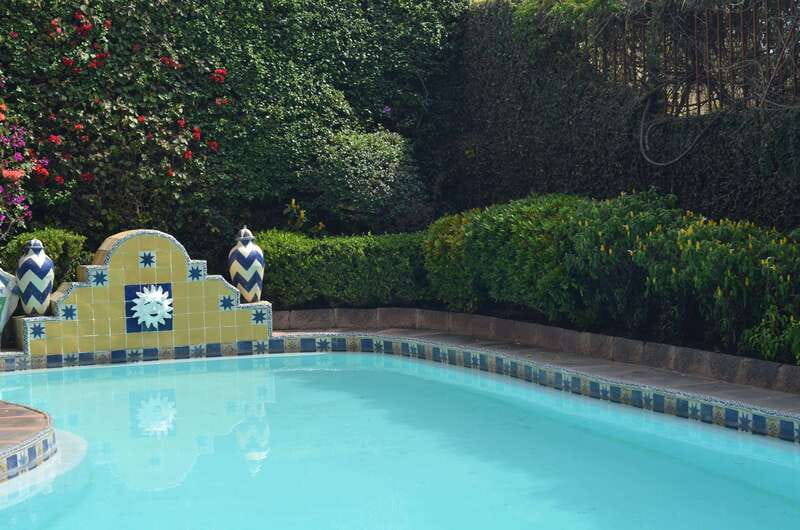
Book it if you want to understand the objects, not merely see them. The private guide, included admission, and 1.5-hour length make the $20 price reasonable for a solo visitor who values context and questions.
The strongest reason to choose this experience is the unusual house setting combined with a collection that cannot be read easily through labels. Sergio and the other English- and Spanish-speaking guides can supply the names, stories, and artist details that turn a room full of objects into a coherent visit.
Skip it if access limitations are a problem, if you need parking, or if you prefer a short self-guided stop. For most art-minded visitors spending time in downtown Cuernavaca, though, this is a focused and worthwhile way to see one of the city’s most distinctive cultural spaces.
FAQ
Where is Museo Robert Brady located?
Museo Robert Brady is in downtown Cuernavaca, behind Cuernavaca Cathedral, inside Casa de la Torre.
How long does the guided tour last?
The tour lasts 1.5 hours.
What languages are available?
The live guide is available in English or Spanish.
Is this a private tour?
Yes. The activity is offered for a private group.
What is included in the price?
The guided tour and entrance tickets are included.
How many pieces are in the museum?
The collection contains more than 1,300 pieces.
What types of art can I see?
You can see Mexican colonial furniture, pre-Hispanic figures, and art from Africa, the Americas, Oceania, India, and the Far East.
Which artists are represented?
The collection includes works by Rufino Tamayo, Frida Kahlo, Miguel Covarrubias, Maurice Prendergast, Marsden Hartley, and Graham Sutherland.
Is parking available?
No. Parking is not available at the museum.
Is the museum wheelchair accessible?
No wheelchair accessibility is available. Baby strollers are also not allowed.
What items are not permitted inside?
Backpacks, food, flash photography, selfie sticks, pets, and baby strollers are not allowed. Assistance dogs are permitted.
Can I return to the museum after leaving?
No. Re-entry to the facilities is not included.
Can I cancel the booking?
You can cancel up to 24 hours in advance for a full refund.
Do I need to pay at the time of booking?
You can reserve now and pay later, so you do not have to pay anything today.
Just added around Mexico City
- Ticket to Frida Kahlo Museum (Blue House)★ 5.0 · 3 reviews
- Valle de Bravo: Forest Hiking Adventure★ 4.4 · 3 reviews
- Chapultepec Castle and Anthropology Tour, starting from CDMX★ 5.0 · 3 reviews
- La Roma Private Art Tour★ 5.0 · 3 reviews
- Private Transportation: Pickup and Drop-Off★ 5.0 · 3 reviews
- Mexico City: Relaxing or Decontracting Massage Experience★ 5.0 · 3 reviews
- Grutas de Tulantongo★ 3.0 · 3 reviews
- Mexico City: Local Walking Tour with Mezcal & Wrestling Show★ 5.0 · 3 reviews
Cuernavaca Day Trips, compared.
Taxco, Cuernavaca & Pre-Hispanic Mine optional visit
Read our review →

6-Night Best of Central Mexico Tour: Teotihuacan Pyramids, Taxco, Cuernavaca and Puebla from Mexico City
Read our review →
Small Group: The Magical Colonial Towns of Taxco and Cuernavaca
Read our review →
Browse the lists this tour appears in