
Reviewed · ANTHROPOLOGY MUSEUM TOURS
Anthropology Museum Guided Tour
Mexico City’s National Museum of Anthropology is so large and full of objects that a first visit can feel like opening ten history books at once. This English-language guided tour gives you a route through the main pre-Columbian galleries, from Olmec stone heads to Maya artifacts and the famous Aztec Stone of the Sun.
I like two things right away: the $39 price includes admission, and the morning schedule leaves your afternoon free for Chapultepec, the historic center, or a long lunch. I also like that guides such as Alan, Ligia, Antonio, and Leonardo have been praised for building a clear story instead of simply pointing at display cases.
The catch is organization. Some tours have been praised as polished and absorbing, while others have suffered from late starts, unclear meeting arrangements, large groups, or guides whose English was difficult to follow. Arrive early, confirm your guide, and understand that the quality depends heavily on who leads your group.
In This Review
- Key points to know before booking
- Why this museum deserves a guided visit
- Meeting at Reforma and getting started
- The museum’s grand central story
- Olmec heads and the oldest layers of the visit
- Maya tombs, Chichen Itza, and regional variety
- The Stone of the Sun and Aztec Mexico
- What two and a half hours really gives you
- Group size, guide quality, and the real weak point
- Is $39 good value?
- Practical details that affect your visit
- Who should book this guided visit?
- Should you book it?
- FAQ
- How long does the Anthropology Museum Guided Tour last?
- What is included in the $39 price?
- Is the tour offered in English?
- Where does the tour begin and end?
- Can I bring a backpack or drinks inside?
- What happens if I need to cancel?
Key points to know before booking
- The Stone of the Sun anchors the visit: You get useful context for the object often called the Aztec Calendar, rather than just a quick photo stop.
- Olmec and Maya collections come into focus: Giant heads, tomb reconstructions, and Chichen Itza treasures are easier to understand with a guide.
- Admission is included in the $39 fee: You do not need to buy a separate museum ticket.
- The museum is huge: Two and a half hours gives you a strong introduction, not enough time for every gallery.
- Morning timing is practical: You finish with much of the day left for other Mexico City sights.
- Punctuality matters: The group may leave without late arrivals, and catching up can be difficult or impossible.
Why this museum deserves a guided visit
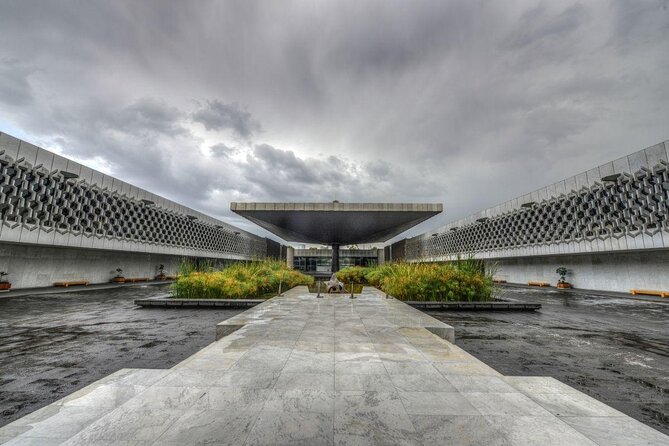
The National Museum of Anthropology is not a small collection you can casually browse in an hour. Its ground-floor galleries cover the major civilizations found in present-day Mexico, along with cultures from areas that were once part of Mexico and are now in the southwestern United States.
That range is the museum’s great strength and its main challenge. You move between different regions, time periods, building styles, belief systems, and artistic traditions. Without a basic timeline, it is easy to confuse Teotihuacan with Tenochtitlan, or assume that Maya and Aztec cultures existed in the same place and period.
A good guide gives you the framework first. One particularly effective approach described in the tour’s feedback begins with geography, then builds toward individual cultures and objects. That order matters. Once you know where the major cities were and how the periods relate to one another, the displays stop looking like disconnected stone, pottery, jewelry, and weapons.
I would not book this simply to move faster through the museum. I would book it to understand what you are seeing. The museum’s labels do not always provide enough context in English, and much of the written information is in Spanish. Even if you speak Spanish, the size of the collection can make a spoken introduction worthwhile.
More visits to the Anthropology Museum:
- Chapultepec Castle & Anthropology Museum Tour
★ 4.5 · 1,348 reviews - Mexico City: Anthropology Museum Guided Visit
★ 4.4 · 708 reviews - Mexico City: Chapultepec Castle and Anthropology Museum Tour
★ 4.5 · 637 reviews
Meeting at Reforma and getting started
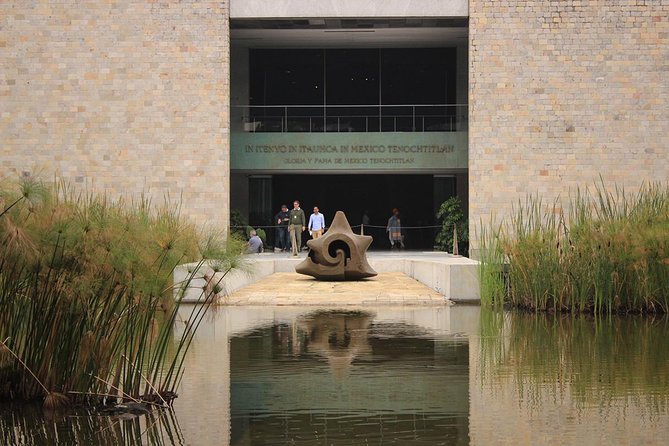
The meeting point is outside the museum at Av. Paseo de la Reforma in Chapultepec, in the Polanco area. The tour ends back at the museum, so you are not tied to a separate return transfer or a distant drop-off point.
The practical issue is finding the correct person. One lower-rated experience began with confusion about where to wait and which guide’s name to look for. Another group had to leave an entrance queue to meet the guide and then return to the back of the line. That is an avoidable nuisance, especially at a major museum where several tour groups may be gathering.
I suggest arriving well before the scheduled time. Mexico City traffic can be slow, and one late couple who arrived ten minutes after the meeting time found that the group had already gone. The operator explained that the tour could not wait or be rejoined once it had departed.
That policy may feel strict, but it is common for a timed group visit. The fair warning is simple: do not cut it close. Have the meeting point open on your phone, look for the guide before joining any museum queue, and allow extra time for traffic.
The tour is offered in English and uses audio equipment on at least some departures. The equipment can help in a large gallery, though one poor experience involved sound equipment and a guide whose English was hard to understand. If you have trouble hearing, move close to the guide and ask for clarification early rather than waiting until the group has crossed several rooms.
The museum’s grand central story
The museum presents more than archaeological objects. It was created as an ideological, scientific, and political project, and its design connects Mexico’s ancient civilizations with contemporary national identity.
A central model showing the former Aztec capital of Tenochtitlan is especially helpful. Modern Mexico City occupies much of the same central area, so the model gives you a visual link between the ancient city and the metropolis outside the museum doors.
This is one of the moments when a guide can make a major difference. A model is easy to glance at and forget. With a clear explanation of the city’s location and layout, you begin to understand why the Aztec capital was such a powerful center and how its setting relates to present-day Mexico City.
The museum also includes visiting exhibitions, usually about major cultures from other parts of the world. The guided route focuses on the permanent archaeological collections, so do not assume your 2.5 hours will cover every temporary show or every upstairs room.
Olmec heads and the oldest layers of the visit
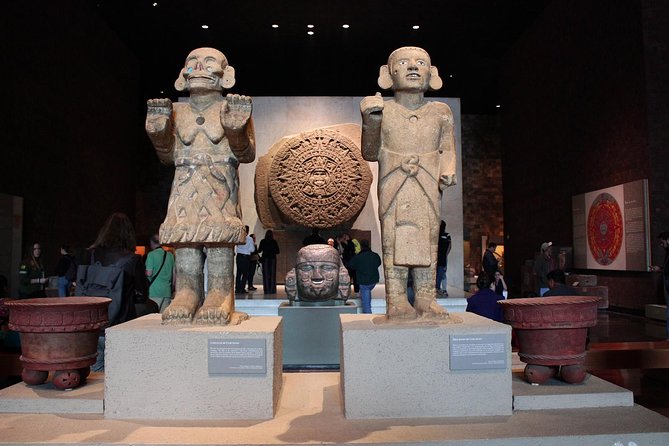
The giant Olmec heads are among the museum’s most arresting objects. Made from enormous stone blocks and linked to finds in the jungles of Tabasco and Veracruz, they immediately show the scale and skill of early Mesoamerican societies.
Their size makes them memorable, but size alone does not explain why they matter. A guide can help you place the Olmec civilization within the wider story of Mesoamerica and explain why these heads are more than impressive photographs.
This is also where a strong guide’s teaching style becomes clear. Several highly praised guides used maps, personal photographs, drawings, or a binder of visual examples to explain how buildings were constructed and how different cultures related to one another. Those extra visual aids are useful because archaeological displays often require imagination.
The quality is not uniform. One lower-rated tour was described as a nonstop lecture with little time for questions. Another guide was said to spend too much time managing the crowd and too little time explaining the objects. I would pay attention to whether your guide establishes a timeline and invites questions at the start. That usually tells you how the rest of the visit will feel.
More museums and galleries in Mexico City:
- CDMX: Xochimilco, Coyoacan, Frida Kahlo Museum & Murals Tour
★ 4.4 · 3,025 reviews - Frida Kahlo VIP [Museum Tickets Included] Bike, Markets & Churros
★ 5.0 · 1,072 reviews - Frida Kahlo VIP [Museum Tickets Included] Walk, Markets & Churros
★ 5.0 · 982 reviews - EXCLUSIVE TOUR Frida Kahlo Museum – SMALL GROUPS
★ 5.0 · 901 reviews
Maya tombs, Chichen Itza, and regional variety
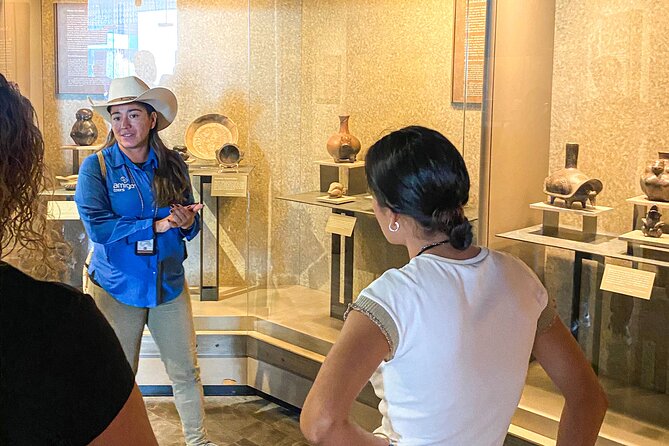
The Maya material adds another major layer to the museum. You may see reconstructions of Maya tombs and treasures associated with the Sacred Cenote at Chichen Itza.
These displays help you see that Mesoamerica was not one single culture. The Maya world covered different regions and cities, with its own architecture, religious practices, writing traditions, and political centers. A good explanation should distinguish those features instead of treating Maya, Olmec, Toltec, and Aztec as interchangeable labels.
This part of the tour is particularly valuable if your Mexico itinerary includes Yucatan or other Maya sites. A museum introduction can give you a useful base before you stand in front of a ruined temple or ceremonial court.
At the same time, the route can become confusing if the guide jumps between civilizations without marking the changes. One disappointing tour reportedly moved from Teotihuacan to Tenochtitlan and then across regions without using the available maps to clarify either location. If the chronology starts to blur, ask the guide to place the culture on a timeline. That is a reasonable request on a history-focused tour.
The Stone of the Sun and Aztec Mexico
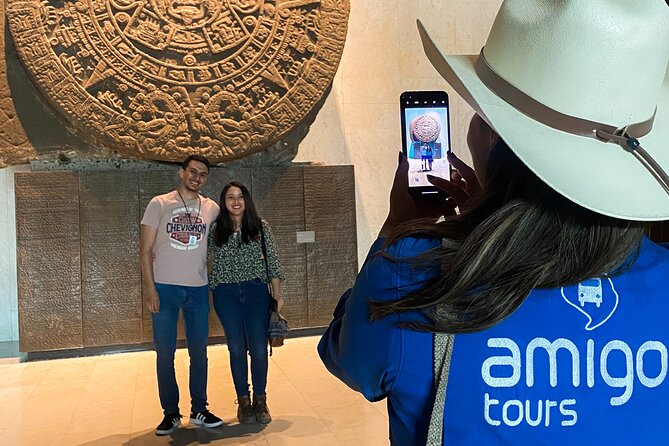
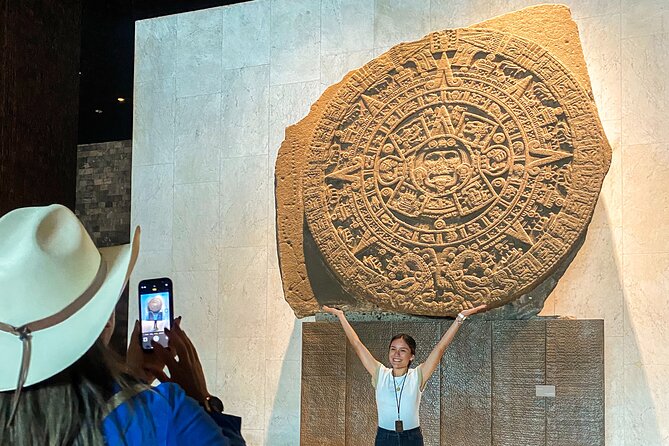
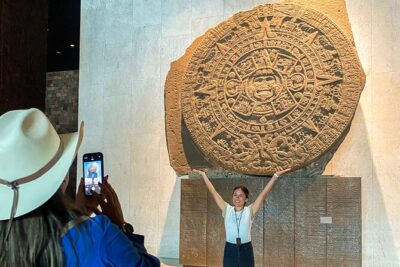
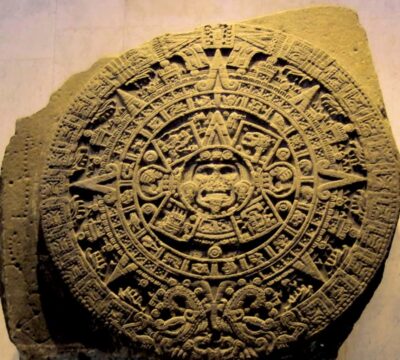
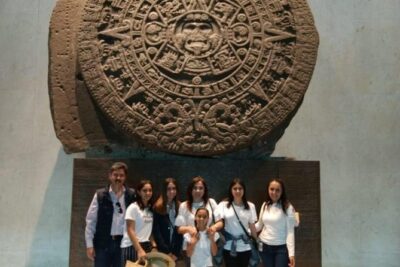
The Stone of the Sun is the museum’s signature object. It is often called the Aztec Calendar, though that nickname can oversimplify what you are seeing. The stone deserves more than a quick stop for a photograph, and this is one of the clearest reasons to take a guided visit.
Your guide should explain the imagery, the stone’s place in Aztec thought, and the difference between its popular name and its wider meaning. You do not need a specialist lecture, but you do need enough context to read the carved symbols as part of a belief system rather than as a mysterious giant disk.
The model of Tenochtitlan complements this gallery. Together, the model and the stone help connect city planning, ritual, power, and daily life. This is where a well-structured tour can turn a famous object into part of a larger story.
Guides Alan and Antonio received especially warm praise for making the history easy to follow and bringing the objects to life. Leonardo was also praised for linking interesting facts to the museum’s route while handling the large building well. These names are useful to note, but you cannot normally choose the guide in advance, so treat them as examples of the best possible experience rather than a guarantee.
What two and a half hours really gives you
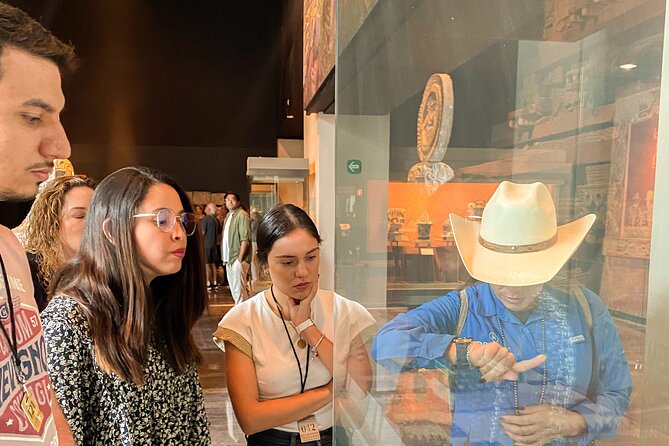
The listed duration is about two hours and thirty minutes. That is a sensible length for a guided introduction, but it is not a complete museum visit.
You can expect the guide to select key rooms and major objects rather than cover every permanent gallery. The route may include the Olmec, Maya, Teotihuacan, Toltec, and Aztec material, with explanations of geography, chronology, religion, architecture, and political life.
Some guides add time for independent looking in each room. That can be helpful because you get a chance to examine objects without a running commentary. It can also feel inefficient if the guide gives you free time, then explains objects you have already passed or read about. The best version of this format uses independent time deliberately, then gathers the group for a focused explanation.
You should plan to return on your own if the museum is a top priority. A morning tour can provide the essential structure, then you can revisit the galleries that interested you most. The size of the museum makes that a better plan than trying to see everything in one tightly managed group.
Group size, guide quality, and the real weak point
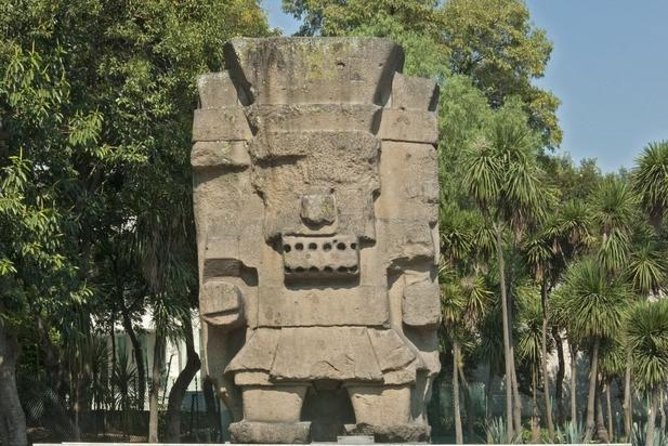
The stated maximum is 25 people. That is not a private tour, and it is not always the same as a small-group experience in the intimate sense.
A group of 20 to 25 can work in a quiet room with reliable headsets and a guide who controls the pace. It becomes harder near famous objects, in crowded galleries, or when people spread out to read labels. Several low-rated experiences focused on crowd management, long ticket handling, or poor communication.
Guide quality is the biggest variable. The strongest accounts praise clear teaching, patience, warmth, and the ability to answer questions in both English and Spanish. Guides named Alan, Alexa, Genovanna, Hector, Ligia, Lili, Antonio, and Leonardo were praised in different experiences, with Alan, Ligia, Antonio, and Leonardo receiving especially strong comments for clarity and depth.
The weaker accounts raise real concerns about English fluency, audio quality, pacing, and one-way delivery. A guide may know the subject but still struggle to explain it to an English-speaking group. That distinction matters. You are paying for interpretation, not simply for someone to escort you past the exhibits.
The overall rating of 4.5 from more than 1,000 ratings suggests that many departures work well, but the uneven individual comments show why expectations should be realistic. This is a shared tour with a variable human element, not a guaranteed private lecture by an archaeologist.
Is $39 good value?
At $39 per person, the price is reasonable if you want a guided introduction and would otherwise need to buy admission separately. The included professional guide is the main value, not just the ticket.
I would consider it good value for a first-time visitor who wants the major cultures explained in English. You receive a route, basic chronology, and access to someone who can answer questions. That can save you from spending much of your visit trying to work out what you are looking at.
The value drops if the start is disorganized or if the guide is difficult to understand. A poor two-and-a-half-hour tour can feel worse than visiting alone, especially for a museum where you can move at your own pace.
Group discounts are available, and mobile tickets make booking easier. Food and drinks are not included, but that is not a major issue for a museum tour of this length. You will need to plan refreshments before or after, since food and drinks cannot be taken inside.
Practical details that affect your visit
Do not bring a backpack. The rules state that food, drinks, and backpacks are not allowed, while a handbag is permitted. This is worth sorting out before you arrive, particularly if you are coming from a morning of sightseeing with a day bag.
The museum is near public transportation, and the fixed meeting point makes it easy to combine with other parts of Chapultepec. Since the activity returns to the meeting point, you can continue to another nearby plan afterward.
Most people can take part, but the supplied information does not promise a fully accessible route for every need. If you have a specific mobility or access concern, confirm directly before booking.
Free cancellation is available up to 24 hours before the start time. After that cutoff, the amount paid is not refunded, and changes made within 24 hours are not accepted. That policy makes early booking fairly low risk, but it also makes last-minute traffic problems more costly.
Who should book this guided visit?
I would recommend it to first-time Mexico City visitors who care about archaeology, history, or the connection between ancient cultures and modern Mexico. It is also a good fit if you prefer learning through a spoken explanation and want the main galleries organized for you.
Families can benefit when the guide uses drawings, maps, and stories rather than relying on labels. Solo visitors and couples may also appreciate having a route through such a large museum.
You may prefer to visit independently if you read Spanish comfortably, already know Mesoamerican history, or want to spend long stretches with one collection. Independent entry gives you more control over timing and lets you avoid the risk of a guide whose pace or English does not suit you.
Should you book it?
Book this tour if you want a strong introduction to the National Museum of Anthropology and accept that the guide will determine much of the experience. The museum itself is essential, and the best guides turn a huge collection into a clear story about Olmec, Maya, Teotihuacan, Toltec, and Aztec cultures.
I would book an early departure, arrive well ahead of time, carry only a handbag, and plan a return visit if the museum matters to you. At $39, the tour is worth considering for the admission and expert interpretation, but do not expect a private experience or a guaranteed guide from the highly praised list.
FAQ
How long does the Anthropology Museum Guided Tour last?
The tour lasts approximately 2 hours and 30 minutes. It covers selected highlights rather than every gallery in the museum.
What is included in the $39 price?
The price includes entrance to the National Museum of Anthropology and a professional guide. Food and drinks are not included.
Is the tour offered in English?
Yes. The tour is offered in English. Audio equipment may be used during the visit, but guide clarity and communication can vary.
Where does the tour begin and end?
The tour begins at the National Museum of Anthropology on Av. Paseo de la Reforma in Chapultepec, Mexico City. It ends back at the same meeting point.
Can I bring a backpack or drinks inside?
No. Food, drinks, and backpacks are not allowed. Only a handbag is permitted.
What happens if I need to cancel?
You can cancel for a full refund up to 24 hours before the experience start time. Cancellations or changes made less than 24 hours before the start time are not accepted for a refund.
Just added around Mexico City
- Mexico City: Hop-on Hop-off City Tour by Turibus 2-Day Pass★ 4.0 · 10 reviews
- Anthropology Museum, Chapultepec Castle & Cable Car Tour★ 4.5 · 10 reviews
- Multi-Variety Mole Class in a Condesa home or art gallery rooftop★ 5.0 · 10 reviews
- PRIVATE TOUR Colonial Town Taxco and Cuernavaca from CDMX.★ 5.0 · 10 reviews
- El Centro Street Food Walking Tour★ 5.0 · 10 reviews
- Private Round-Trip Transportation to Teotihuacan Pyramids★ 5.0 · 10 reviews
- Teotihuacan and My Grandma’s Food Tour★ 5.0 · 10 reviews
- Teotihuacan Pyramids Tour from Mexico City★ 5.0 · 10 reviews
Anthropology Museum Tours, compared.
Chapultepec Castle & Anthropology Museum Tour
Read our review →
Anthropology Museum Private Experience Walking Tour
Read our review →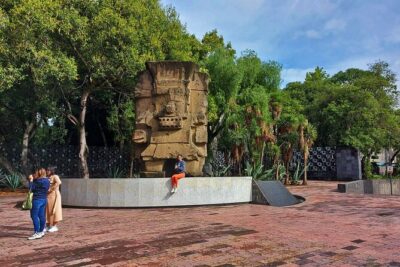
5 Hour Tour through Chapultepec, Anthropology Museum and Castle
Read our review →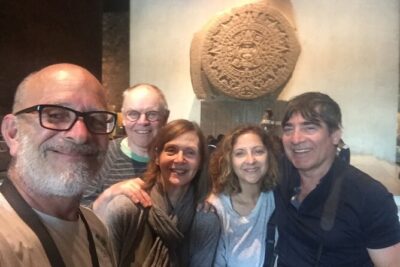
PRIVATE Tour in Chapultepec Castle and Museum of Anthropology
Read our review →
Teotihuacan & Anthropology Museum, Templo Mayor & City Tour
Read our review →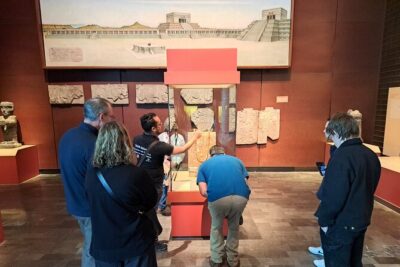
Tour Museum of Anthropology a trip to the past-Small groups
Read our review →Browse the lists this tour appears in