
Reviewed · ANTHROPOLOGY MUSEUM TOURS
Chapultepec Castle & Anthropology Museum Tour
Mexico City’s National Museum of Anthropology is so large that a first visit can feel like trying to read an entire history book in one sitting. This half-day tour gives you a clear route through its major treasures, then carries the story uphill to Chapultepec Castle, where royal rooms, murals, and city views add a very different chapter.
I like the way the tour connects Aztec and pre-Columbian culture with colonial, imperial, and modern Mexico. I also like that guides such as Leonardo, Gio, Ligia, Antonio, and Miriam are singled out for clear storytelling and strong command of the subject. The tradeoff is simple: five hours on your feet can feel rushed, especially in a large group, and the museum deserves far more time if you want to see everything.
In This Review
- Key points to know before booking
- Why these two Mexico City sights work together
- The National Museum of Anthropology in 2.5 focused hours
- Walking through the 810-hectare Chapultepec Forest
- Chapultepec Castle and its 12 historic halls
- What the guide adds to the experience
- Is $79 a fair price?
- Who should book this half-day tour?
- My verdict: book it for context, not total coverage
- FAQ
- How long does the Chapultepec Castle and Anthropology Museum tour last?
- Where does the tour begin?
- Where does the tour end?
- Are admission tickets included?
- Is the tour offered in English?
- How much walking is involved?
- Can I bring a backpack, food, or drinks?
- What is the cancellation policy?
Key points to know before booking
- Two major museums in one morning: The route covers the National Museum of Anthropology and Chapultepec Castle in about five hours.
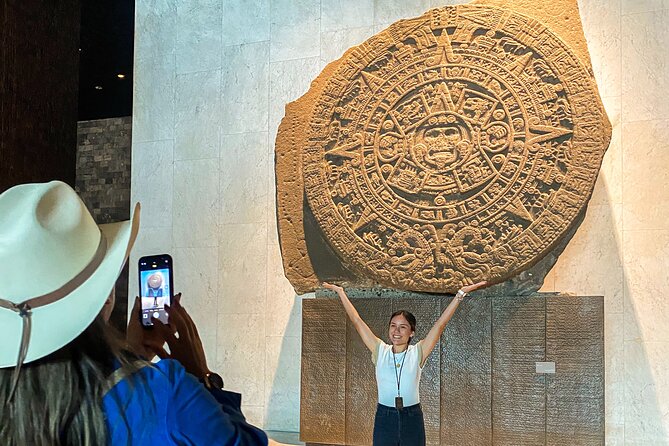
- The Aztec Stone of the Sun and Olmec heads: These famous pieces provide the main anchors for the museum visit.
- A guide helps you choose what matters: You see selected highlights instead of wandering through an enormous collection without a plan.
- Chapultepec Castle requires an uphill walk: The climb is manageable for most people, but it adds effort after several hours inside the museum.
- English guiding and mobile tickets: The tour is offered in English, with admission to both sites included.
- Private tours are available: A private upgrade can give you more room for questions and a pace better suited to your interests.
Why these two Mexico City sights work together
This tour links two places that tell Mexico’s story from different angles. The National Museum of Anthropology focuses heavily on the cultures and objects that came before and shaped Mexico. Chapultepec Castle then moves you through conquest, colonial rule, independence, empire, the presidency, and the national story that followed.
That connection is the tour’s main strength. You are not simply checking off two famous addresses. You first see the civilizations whose art and ideas form the foundation of Mexico, then visit a hilltop palace that reflects later political power.
The timing is also useful if you have only a few days in Mexico City. The experience lasts about five hours, usually ending in the afternoon, leaving the rest of the day open. You finish at the castle rather than returning to the museum, so plan the next part of your day from Chapultepec Park.
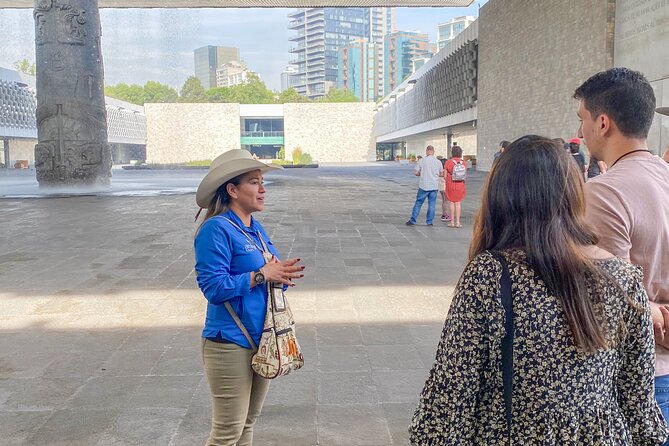
The tour begins at the National Museum of Anthropology on Paseo de la Reforma. Since the meeting point is at the museum itself, you do not spend the first part of the morning collecting people from hotels. The end point is Chapultepec Castle, also within the park, making the route fairly logical on foot.
More visits to the Anthropology Museum:
- Anthropology Museum Guided Tour
★ 4.5 · 1,035 reviews - Mexico City: Anthropology Museum Guided Visit
★ 4.4 · 708 reviews - Mexico City: Chapultepec Castle and Anthropology Museum Tour
★ 4.5 · 637 reviews
The National Museum of Anthropology in 2.5 focused hours
The museum is the heavyweight of the day. Two and a half hours is enough to see celebrated pieces and understand the broad outline of Mexico’s ancient cultures, but it is not enough for a relaxed visit to every gallery.
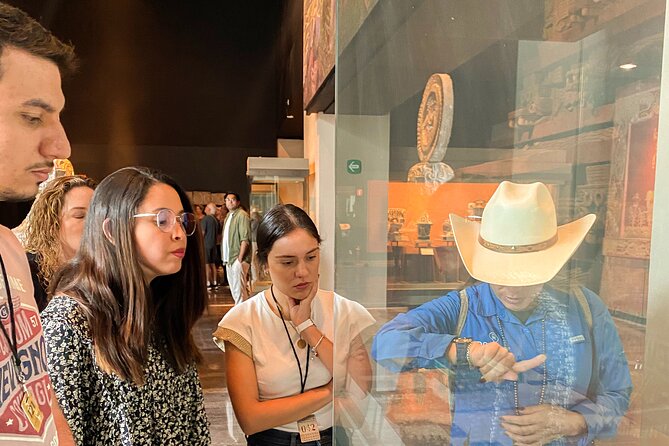
That is where a good guide earns the admission price. Instead of sending you into every room, the guide selects major exhibits and explains why they matter. You might otherwise spend your time moving from object to object without understanding the cultural regions, symbols, or historical setting behind them.
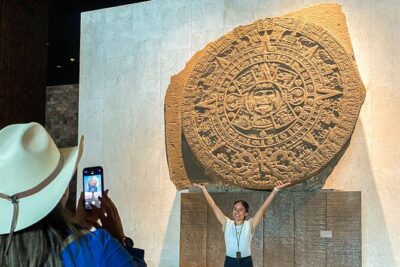
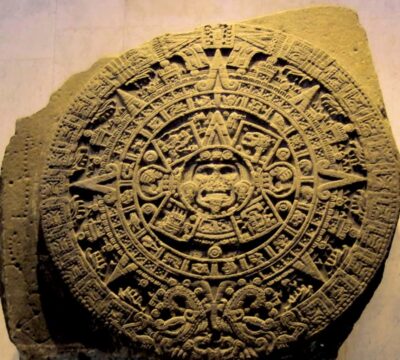
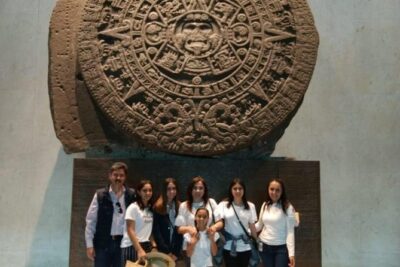
The Aztec Stone of the Sun is one of the essential stops. It is often called the Aztec calendar stone, but the meaning and purpose of the object are more complicated than that nickname suggests. Several guides, including Leonardo, have been especially effective at explaining why this famous stone remains a source of debate and fascination.
The Olmec carved heads are another major highlight. These huge stone faces were found in the tropical regions of Tabasco and Veracruz, far from Mexico City. Their scale, weight, and distinctive features make them memorable, but the guide’s explanation gives you a better sense of the distance, skill, and cultural setting involved.
The museum also introduces the different regions and indigenous groups that shaped Mexico. That matters because Mexico is not one single pre-Columbian culture. The museum presents a wide range of societies, and a guide can help you see the differences instead of letting the collection blur into one long parade of stone figures and pottery.
You will be on your feet for much of this section. The museum is vast, and the schedule favors major objects over long periods at individual displays. Some guides spend more time on small details, which can be rewarding if you enjoy close study but frustrating if your main goal is to cover more rooms.
The museum has English videos and information panels, but the short schedule may not leave you time to use all of them. If you do not read Spanish, an English-speaking guide is particularly useful because the tour provides a spoken framework rather than asking you to translate as you go.
I would not book this experience expecting a complete museum visit. Think of it as a strong introduction. You will see the best-known objects and gain enough context to return later on your own, if you have the time.
Walking through the 810-hectare Chapultepec Forest
Between the museum and castle, the setting itself becomes part of the experience. Chapultepec Forest covers about 810 hectares in Mexico City’s Miguel Hidalgo area and is described as the largest urban park of its kind in the Western Hemisphere.
The route from the museum toward the castle gives you a change of pace after the galleries. It is still an active part of the tour, though. The total walking distance is about 1.8 miles, or 3 kilometers, and the castle sits on top of Chapultepec Hill.
The uphill walk is not a technical hike, but it is worth taking seriously after two and a half hours indoors. Wear comfortable shoes and eat breakfast before you start. One useful review described the day as long but worthwhile and specifically recommended having a good breakfast, which is sensible advice since food and drinks are not included.
A short break may occur between the two sites. The exact feel of that pause can vary. One account described about 20 minutes for refreshments, with limited time because food had to be eaten on site. Do not count on a leisurely lunch during the tour. If you need a proper meal, plan it before the start or after the castle visit.
The park also helps you understand why Chapultepec has mattered for so long. This is not an isolated palace dropped into a city. The hill and forest have served as a strategic and ceremonial setting since the time of Aztec rulers.
Chapultepec Castle and its 12 historic halls
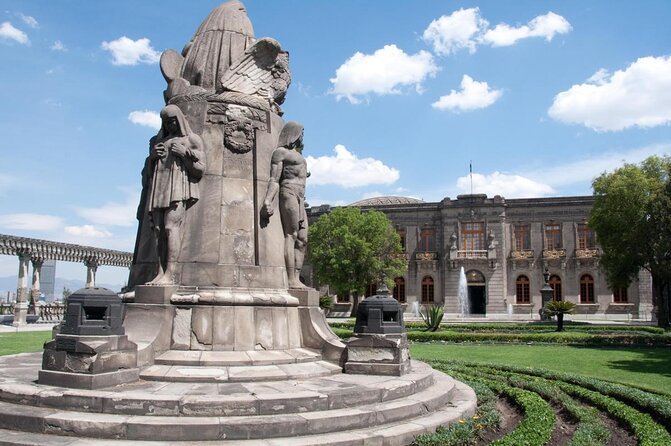
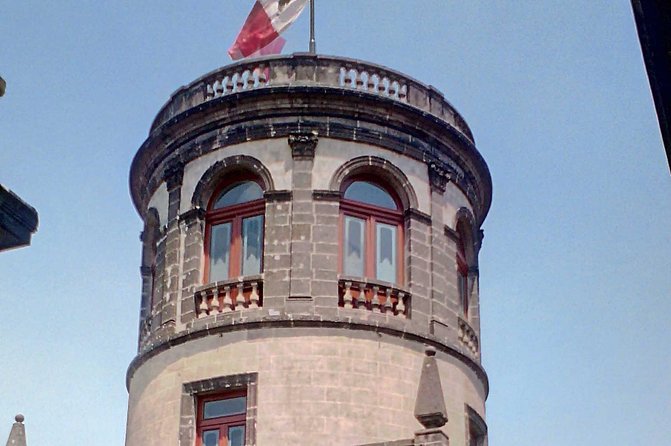
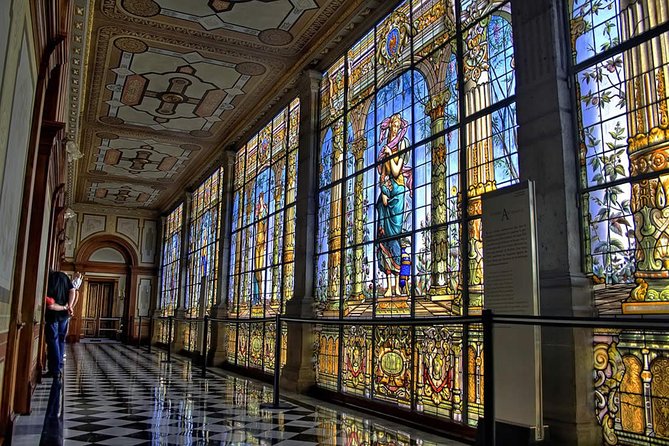
Chapultepec Castle began as a retreat for Aztec rulers. It was later partly destroyed and rebuilt as a palace for Emperor Maximilian of Habsburg. After that, it served as a residence for Mexico’s presidents before most of the building became the National History Museum.
That sequence gives the castle a layered feel. In one room, you are looking at the lifestyle of an emperor. In another, you are tracing the political changes that ended imperial rule and shaped the modern nation.
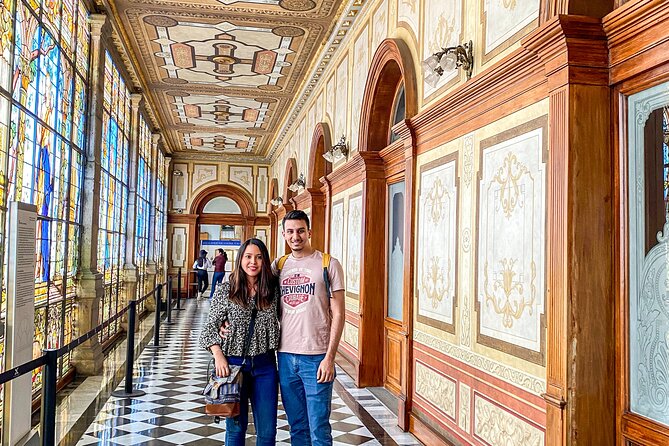
The castle’s marble staircases and royal apartments make it visually different from the Anthropology Museum. You can see how the building functioned as a palace, not just as a collection of cases and labels. The rooms provide a physical setting for the political story.
The state carriages of Maximilian and Benito Juárez are among the memorable objects. They make the conflict between empire and republican government more concrete. Instead of only hearing names and dates, you see the vehicles associated with two very different figures in Mexico’s past.
The sword connected with independence fighter José María Morelos is another notable object. It is a small, personal item compared with the museum’s enormous sculptures, but objects like this can make political history feel closer and more human.
The castle’s murals are also worth your attention. Works connected with artists such as José Clemente Orozco and John O’Gorman depict battles and key moments in Mexico’s story. Do not rush past them. Their placement and scale give the historical narrative an emotional force that a small information panel cannot match.
The 12 halls cover the pre-Columbian period, Spanish colonial rule, independence, the revolution, and later national history. A guide helps connect these periods, which is valuable because the castle’s displays can otherwise feel like separate rooms rather than one unfolding story.
The reward at the top is not only the interior. The castle is known for its views over Mexico City, and the elevated setting gives you a different sense of the capital after the enclosed museum galleries. The city view is a good final pause before the tour ends.
More ways to see Chapultepec Castle:
- 5 Hour Tour through Chapultepec, Anthropology Museum and Castle
★ 5.0 · 239 reviews - PRIVATE Tour in Chapultepec Castle and Museum of Anthropology
★ 5.0 · 144 reviews - PRIVATE Tour Chapultepec Castle
★ 5.0 · 130 reviews - Mexico City: Chapultepec Castle Skip-the-Line Ticket
★ 3.8 · 122 reviews
What the guide adds to the experience
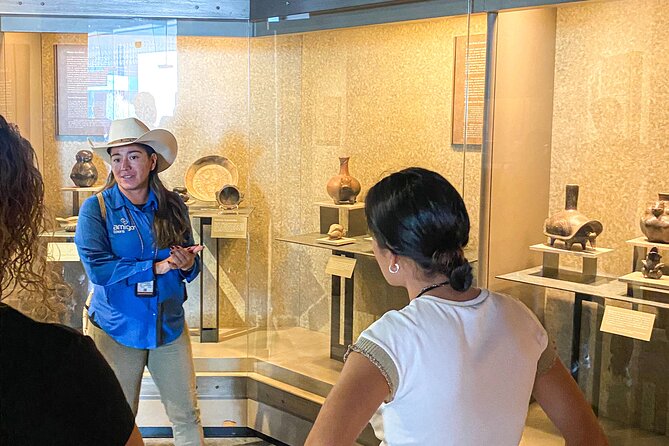
The guide is the most important variable. The sites are impressive on their own, but the quality of the explanation shapes how much you take away.
Leonardo receives especially strong praise for connecting pre-Hispanic, colonial, and modern Mexico in one continuous story. Gio is noted for making complex history clear and fun, while Ligia brings more than 20 years of experience to the subject. Antonio has been especially helpful for guests who need patient explanations or assistance reaching the castle.
Other guides named during the experience include Alicia, Lili, Marium, Nadia Sulin, Miriam, Fernando, Alan, and Jonathan. Their approaches may differ. Some focus closely on tiny details, while others move faster and cover more rooms. If you are especially interested in art, political history, or archaeology, a private option gives you a better chance to shape the discussion.
The group size can reach 25 people. That is not enormous, and headsets are used, but the tour can still feel less personal when the full group is present. One account describes a group of about 30 and found the museum pace too hurried. Another found that the guide’s accent made some explanations difficult to follow.
This is why I would arrive early and pay attention at the meeting point. The group needs to enter on time, and a late start can make an already full schedule feel longer. If you have hearing concerns, difficulty walking, or strong preferences about pace, a private tour is the safer choice.
Is $79 a fair price?
At $79 per person, the tour includes a professional English-speaking guide and admission to both the Anthropology Museum and Chapultepec Castle. Food and drinks are not included.
The value depends on what you want from the day. If your priority is to see the two headline sights and understand the main story without spending hours planning a route, the price is reasonable. You are paying for structure, interpretation, and the ability to move directly to selected highlights.
If you prefer to read every panel, watch the museum’s English videos, and spend a full day in one collection, the fixed schedule may not suit you. You could get more time by visiting independently, but you would need to organize tickets, route planning, and the historical connections yourself.
The private upgrade changes the calculation. It costs more, but it can be worthwhile for families, small groups, serious history fans, or anyone who dislikes being rushed. A private guide can spend less time on material you already understand and more time on the Aztecs, Olmecs, independence, murals, or political history, depending on your interests.
The tour is often booked about 25 days ahead, so popular dates may fill early. Free cancellation is available up to 24 hours before the start time. If poor weather causes cancellation, you are offered another date or a full refund.
Who should book this half-day tour?
I would choose this tour if you are visiting Mexico City for the first time, have limited time, or feel intimidated by the size of the Anthropology Museum. It is also a good choice if you want the major sights explained in English rather than relying on labels.
History fans will appreciate the broad sweep from pre-Columbian cultures through empire, independence, revolution, and the modern state. The tour is also useful for anyone who has visited one or both sites before but wants the objects tied together into a larger story.
I would think twice if you dislike standing, walking, or fixed group schedules. The day includes two long visits, an uphill climb, and roughly 3 kilometers of walking. The castle can be reached with elevator assistance in some circumstances, but the standard route includes the hill, so raise mobility concerns before the tour begins.
The experience is offered in English, and most people can participate, but clear communication is not guaranteed with every guide. The strongest guides are warm, patient, and articulate. The weaker experience comes when explanations are hard to understand or the group is too large for comfortable discussion.
My verdict: book it for context, not total coverage
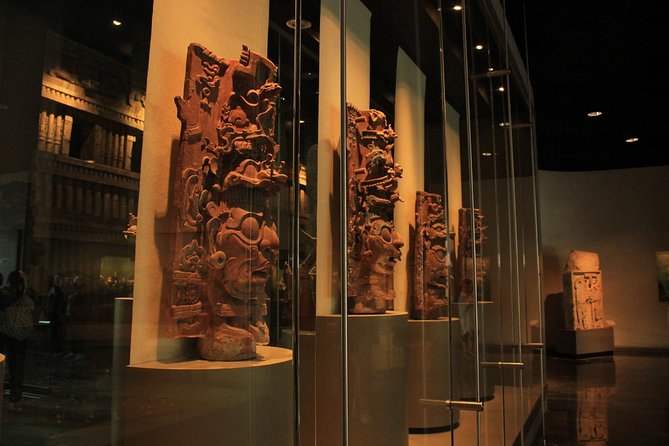
I recommend this tour for a first look at Mexico City’s two most important cultural sites. The Anthropology Museum gives you the ancient foundation, while Chapultepec Castle turns later political history into rooms, carriages, swords, murals, and views.
Book it knowing what it is: a carefully selected introduction, not a full museum day. Arrive early, wear good shoes, eat beforehand, and keep your bag small because food, drinks, and backpacks are not allowed inside. If you want a slower pace or more conversation, choose the private option.
For a short stay, $79 buys a useful framework and saves you from getting lost in two enormous institutions. For a full, unhurried study of either museum, visit separately and give each one the time it deserves.
FAQ
How long does the Chapultepec Castle and Anthropology Museum tour last?
The experience lasts approximately five hours. The Anthropology Museum portion is about two hours and 30 minutes, followed by about two hours at Chapultepec Castle, with time between the sites.
Where does the tour begin?
The tour begins at the National Museum of Anthropology, located at Av. Paseo de la Reforma, within Chapultepec Park in Mexico City.
Where does the tour end?
The tour ends at Chapultepec Castle on Av. Heroico Colegio Militar, within Chapultepec Park.
Are admission tickets included?
Yes. Admission to both the National Museum of Anthropology and Chapultepec Castle is included.
Is the tour offered in English?
Yes. The experience is offered in English with a professional guide.
How much walking is involved?
A moderate amount of walking is involved, approximately 1.8 miles or 3 kilometers. The route also includes a climb up Chapultepec Hill.
Can I bring a backpack, food, or drinks?
No. Food, drinks, and backpacks are not allowed inside. Only a handbag is permitted.
What is the cancellation policy?
You can cancel at least 24 hours before the start time for a full refund. Cancellations or changes made less than 24 hours before the start time are not refunded or accepted. If poor weather cancels the experience, you are offered another date or a full refund.
More Museums and Galleries in Mexico City
- CDMX: Xochimilco, Coyoacan, Frida Kahlo Museum & Murals Tour
★ 4.4 · 3,025 reviews - Frida Kahlo VIP [Museum Tickets Included] Bike, Markets & Churros
★ 5.0 · 1,072 reviews - Frida Kahlo VIP [Museum Tickets Included] Walk, Markets & Churros
★ 5.0 · 982 reviews - EXCLUSIVE TOUR Frida Kahlo Museum – SMALL GROUPS
★ 5.0 · 901 reviews
Just added around Mexico City
- Mexico City: Hop-on Hop-off City Tour by Turibus 2-Day Pass★ 4.0 · 10 reviews
- PRIVATE TOUR Colonial Town Taxco and Cuernavaca from CDMX.★ 5.0 · 10 reviews
- Anthropology Museum, Chapultepec Castle & Cable Car Tour★ 4.5 · 10 reviews
- Multi-Variety Mole Class in a Condesa home or art gallery rooftop★ 5.0 · 10 reviews
- El Centro Street Food Walking Tour★ 5.0 · 10 reviews
- Private Round-Trip Transportation to Teotihuacan Pyramids★ 5.0 · 10 reviews
- Teotihuacan and My Grandma’s Food Tour★ 5.0 · 10 reviews
- Private Walking Tour Legends and Events Historic Center CDMX★ 4.8 · 10 reviews
Anthropology Museum Tours, compared.
Anthropology Museum Private Experience Walking Tour
Read our review →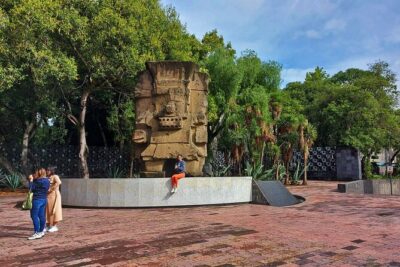
5 Hour Tour through Chapultepec, Anthropology Museum and Castle
Read our review →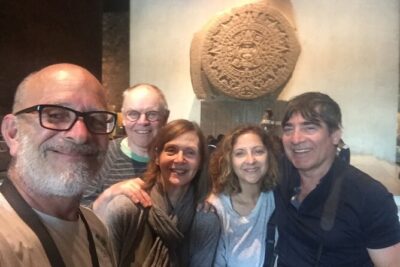
PRIVATE Tour in Chapultepec Castle and Museum of Anthropology
Read our review →
Teotihuacan & Anthropology Museum, Templo Mayor & City Tour
Read our review →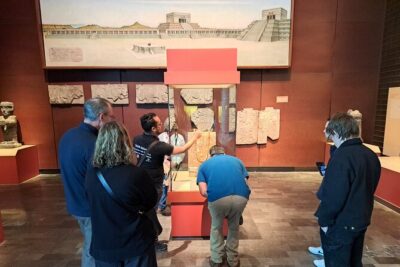
Tour Museum of Anthropology a trip to the past-Small groups
Read our review →Browse the lists this tour appears in