
Reviewed · MEXICAN COOKING CLASSES
Learn to Cook Mexican Bread
The special draw here is Pan de Muerto, the sweet Mexican bread linked with Day of the Dead. You meet at the old San Gabriel Arcángel church in Tacuba, then learn how orange, anise, and bone-shaped decorations turn basic dough into a meaningful piece of Mexican food culture. Veronica and Natalia are both named as hosts for this experience.
I like the small maximum of 10 people, which gives you a better chance to work directly with the dough and ask questions. I also like that the price includes equipment, snacks, recipes, Pan de Muerto, and high-cacao chocolate. The main drawback is simple: this class is not gluten free, and private transportation is not included.
In This Review
- Key points to know before booking
- Pan de Muerto gives this class a clear purpose
- Starting at San Gabriel Arcángel in Tacuba
- Kneading, shaping, and baking your own loaf
- Orange, anise, and high-cacao chocolate
- What the host brings to the experience
- How much value you get for $65
- Who will enjoy this three-hour class
- Practical details that can shape your day
- Is Learn to Cook Mexican Bread worth booking?
- FAQ
- Where does the bread-making experience start?
- Where does the activity end?
- How long does the cooking class last?
- What will I learn to make?
- Is hot chocolate included?
- Can I take anything home?
- Is the experience gluten free?
- What is the cancellation policy?
Key points to know before booking
- Meet at a historic Tacuba church: The class begins at Parroquia San Gabriel Arcángel, in an area with a past that reaches to before the Spanish arrival in Mexico.
- Learn the full bread-making process: You work through ingredients, kneading, shaping, decorations, and baking rather than simply watching a demonstration.
- Taste the classic pairing: Your Pan de Muerto comes with chocolate made with cacao, a natural match for the sweet bread.
- Take home practical souvenirs: You receive your own finished bread and recipes so you can try the method again.
- Expect a small group: The activity accepts no more than 10 people, though it may be conducted in more than one language at once.
- Plan around the restrictions: The activity is not gluten free, and you must arrange your own transportation to and from Tacuba.
Pan de Muerto gives this class a clear purpose
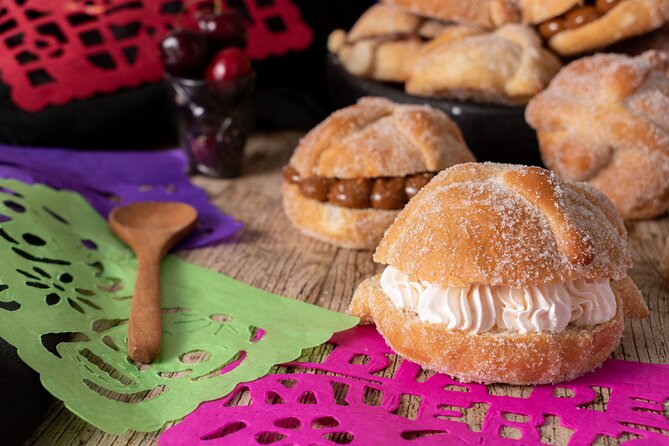
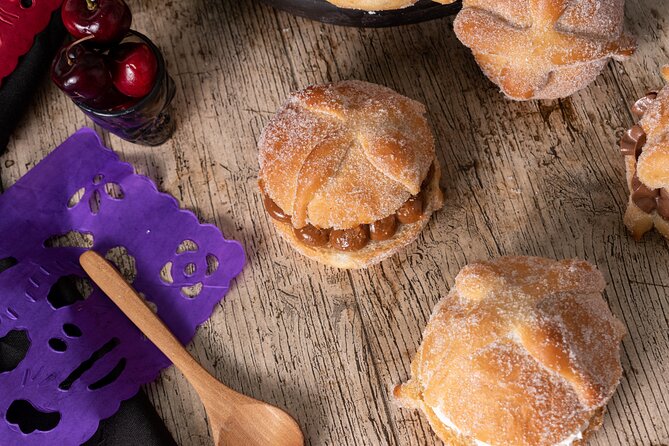
Many cooking classes teach a dish. This one teaches a food with a story attached to it. Pan de Muerto is sweet, aromatic bread made for the Day of the Dead season, and its decoration carries meaning. The round loaf and bone-shaped pieces are not random pastry design. They connect the food to remembrance and celebration.
You will learn the ingredients and methods from the beginning. That includes choosing the right components, kneading the dough, forming the loaf, adding the symbolic decorations, and baking it. This matters if you want more than a tasting. You leave with a method you can repeat, not just a pleasant memory and a few bites.
The flavor details also make the class more distinctive. Orange and anise give the bread its characteristic fragrance, while high-cacao hot chocolate adds a darker, fuller partner to the sweetness. The combination gives you a direct sense of how traditional Mexican flavors work together.
The class is also a gentle introduction to Mexican cooking. It focuses on one bread, so you do not need to absorb a long list of unrelated recipes. At the same time, the food opens a door into local customs, seasonal traditions, and everyday interaction with people in Mexico City.
More Mexican cooking classes:
- Mexican Cooking Class with Food Market Visit in Mexico City
★ 5.0 · 506 reviews - Essence of Mexico: Authentic Mexican Cooking Class & Market Tour
★ 5.0 · 289 reviews - Mexican Cooking Class & Cocktails in Mexico City
★ 5.0 · 134 reviews
Starting at San Gabriel Arcángel in Tacuba
Your meeting point is Parroquia San Gabriel Arcángel, at Calz México-Tacuba S/N in Tacuba, Miguel Hidalgo. The church sits at the heart of the neighborhood, and the site carries a past that reaches back before the Spanish arrived in the Americas.
That setting gives the class more character than a meeting room or a generic kitchen. You begin in one of Mexico City’s older areas, with the church as your fixed point, then connect the place to the food you are about to make. The experience ends back at this same meeting point, so you do not need to work out a separate return location.
You should plan your route carefully because transportation is not included. The meeting point is near public transportation, which helps, but the activity does not provide a private vehicle. A mobile ticket is available, and confirmation is normally sent at booking unless you reserve within one hour of departure. In that case, confirmation arrives as soon as possible and depends on availability.
The exact schedule can be adjusted if you need another day or time. That flexibility is useful in Mexico City, where a cooking class may need to fit around museum visits, market time, or a long cross-city journey. Ask before booking if your preferred slot is important.
Kneading, shaping, and baking your own loaf
The heart of the experience is hands-on bread making. You learn how to select ingredients, combine them, knead the dough, shape the loaf, and bake it. The class is designed to cover the full process, so you can understand how each stage affects the final bread.
Kneading is often the point where a recipe becomes real. You can see and feel how the dough changes as it develops. A demonstration alone can make baking look easy, but working with the dough yourself gives you a better sense of texture and timing. The small group limit of 10 should help keep the session personal, although the amount of individual attention will depend on the final group size and the language arrangement.
Shaping is where the bread’s identity appears. You form the main loaf and add the bone-shaped pieces associated with Pan de Muerto. Those decorations give the bread its familiar appearance and provide a useful cultural lesson without turning the class into a lecture.
The baking stage brings everything together. You can follow the transformation from prepared dough to finished bread, then take your own Pan de Muerto home. The finished loaf is the most useful souvenir here because it connects the lesson, the flavor, and the tradition in one object.
One important point: the description does not promise a private class. The maximum is 10 people, and more than one language may be used at the same time. If you need a class entirely in one language, confirm that before reserving.
Orange, anise, and high-cacao chocolate
The food served during the class is not limited to the bread you prepare. You receive Pan de Muerto, an optional filled version of Pan de Muerto, and chocolate made with cacao. The filled bread is listed as optional, so do not assume it is part of every participant’s main preparation.
The orange and anise flavors deserve attention. Orange brings a light citrus note, while anise gives the bread a more distinctive, fragrant edge. If you usually prefer plain white bread, these flavors may be the part that surprises you most. They are still approachable, but they make Pan de Muerto different from a standard sweet roll.
The hot chocolate is made with high-cacao chocolate, which should give it a stronger cocoa character than a thin, overly sweet drink. Served beside the bread, it creates a complete tasting rather than a snack added as an afterthought.
This pairing is one of the better reasons to choose the class over a basic baking lesson. You are learning a recipe, but you are also learning how that recipe is eaten and enjoyed. Food traditions make more sense when you taste the parts together.
A completely different day out, same corner of Mexico City:
- Teotihuacan, Guadalupe Shrine & Tlatelolco Day Tour with Lunch
★ 5.0 · 11,603 reviews - Xochimilco, Coyoacan and Frida Kahlo with Optional Lunch
★ 4.5 · 7,320 reviews - Balloon flight + Breakfast in cave + Pyramids + Pick up CDMX.
★ 5.0 · 6,335 reviews - Teotihuacan pyramids morning or afternoon without tourist traps
★ 5.0 · 6,186 reviews
What the host brings to the experience
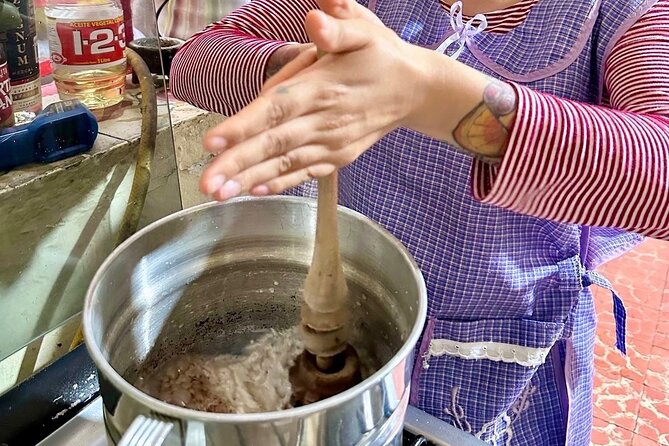
The hosts named for this activity include Veronica and Natalia. Veronica is described as warm, enthusiastic, and especially good at explaining and demonstrating each step. Natalia is also associated with a friendly welcome and a clear passion for baking.
You should treat the named host as dependent on the date of your booking rather than assume both will lead your session. The strongest praise focuses on the hosts’ warmth, explanations, and ability to create a comfortable setting. One particularly useful detail is that Veronica has also included a market visit in the wider experience, where she explained the ingredients and helped connect the bread to local commerce.
The market element is not clearly promised as part of every booking, so do not book this class expecting a full market tour unless the provider confirms it. Still, the connection to local commerce is part of the experience’s purpose. Your booking supports a local operator and the businesses connected to the activity.
The overall tone appears friendly and practical. You are not signing up for a formal culinary-school lesson with a long technical curriculum. You are getting a guided introduction to a traditional bread, with a host who demonstrates the steps and helps you work through them.
How much value you get for $65
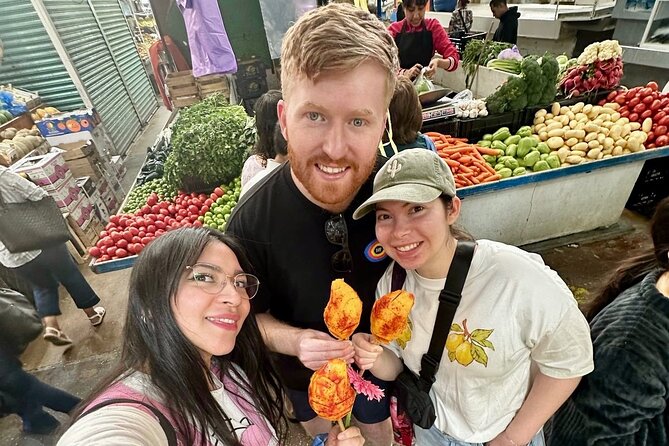
At $65 per person, this is not the cheapest way to eat sweet bread in Mexico City. You could buy Pan de Muerto from a bakery for much less. The value comes from the instruction, the cultural setting, the social contact, the ingredients, the tasting, and the finished bread you take away.
The three-hour duration gives the class enough room to feel like an activity rather than a quick demonstration. You have time to learn the stages, prepare the bread, and enjoy the chocolate. Cooking classes can feel poor value when they rush from mixing to tasting, but this one is built around a complete process.
The included equipment also matters. You do not need to pack baking tools or buy supplies for a single session. Recipes add lasting value because you can recreate the bread later. If you are planning to make Pan de Muerto at home, those take-home materials may justify part of the cost on their own.
The price is easier to recommend for people who value local contact and hands-on learning. It is less compelling for someone who only wants a food sample or has already taken several Mexican baking classes. You are paying for time and guidance, not just the ingredients.
The class also supports local commerce, which adds a small but meaningful benefit. Your money goes toward a local experience instead of only toward a packaged attraction. That does not make the price automatically right for everyone, but it gives the activity a clearer purpose.
Who will enjoy this three-hour class
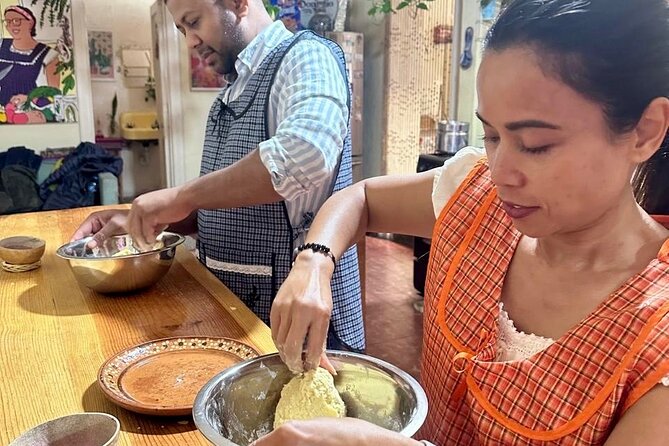
I would recommend this for people who like cooking, food traditions, and relaxed cultural activities. It suits beginners because the class starts with basic ingredients and covers each main stage. You do not need to arrive as an experienced baker.
It also works well for couples, friends, and families who want an activity with something tangible to take home. The bread gives children and first-time cooks a clear project, though the supplied information does not specify a minimum age, so families should confirm that before booking.
You may also like it if you want a break from Mexico City’s major sights. A three-hour kitchen session gives you a different way to understand the city, especially when it begins in an old neighborhood such as Tacuba and connects cooking with local customs.
The class is less suitable if you need strict dietary control. It is not gluten free, and the ingredients are not described as adaptable for other dietary needs. You should ask the provider directly about allergies or substitutions rather than assume the recipe can be changed.
It may also be a poor fit if you dislike group instruction. The group is capped at 10, which is a reasonable size, but it is still a shared activity. More than one language may be used at the same time, which could affect how quickly instructions reach you.
Practical details that can shape your day
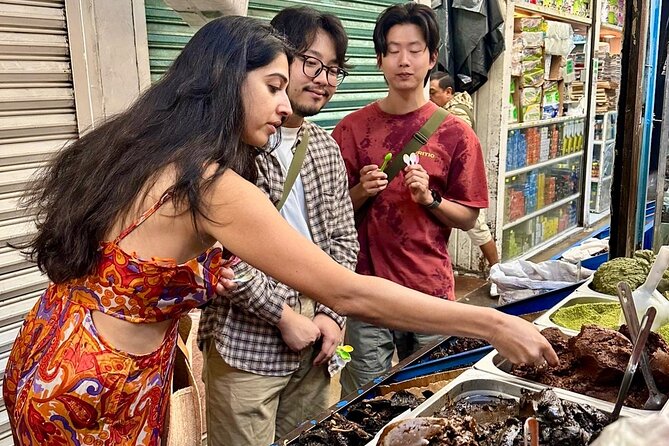
The activity lasts about three hours and starts and ends at Parroquia San Gabriel Arcángel. Since there is no private transportation, allow enough time to reach Tacuba and find the church. The meeting point is near public transportation, but the information does not specify a particular station or route.
Confirmation is usually received at the time of booking. If you reserve within one hour of the start time, confirmation is sent as soon as possible and remains subject to availability. I would avoid a last-minute booking if your Mexico City schedule is tight.
Service animals are allowed. The activity requires good weather, and it also requires a minimum number of participants. If poor weather or an insufficient group causes cancellation, you will be offered another date or experience, or a full refund.
The cancellation rule is straightforward but strict close to departure. Cancel at least 24 hours before the local start time for a full refund. Cancellations or changes within 24 hours are not refunded or accepted.
Is Learn to Cook Mexican Bread worth booking?
I would book this class if you want a small, hands-on introduction to Mexican food culture rather than a simple tasting. The best features are the full bread-making process, the symbolic Pan de Muerto decorations, the orange and anise flavors, the high-cacao chocolate, and the chance to take home both bread and recipes.
I would skip it if you need gluten-free food, private transportation, or a fully private lesson. I would also confirm the teaching language if you are not comfortable sharing instruction in more than one language.
For $65, the class offers fair value when you count the three hours, equipment, snacks, chocolate, recipes, and personal loaf. The real question is not whether the bread costs $65. It does not. The question is whether you want to spend part of your Mexico City visit learning how a meaningful Mexican bread is made, with local hosts in Tacuba. If the answer is yes, this is a thoughtful choice.
FAQ
Where does the bread-making experience start?
It starts at Parroquia San Gabriel Arcángel, located at Calz México-Tacuba S/N in Tacuba, Miguel Hidalgo, Mexico City.
Where does the activity end?
The activity ends back at the same meeting point, Parroquia San Gabriel Arcángel.
How long does the cooking class last?
The experience lasts approximately three hours.
What will I learn to make?
You will learn to make Pan de Muerto from scratch, including ingredient selection, kneading, shaping, baking, and the bone-shaped decorations.
Is hot chocolate included?
Yes. The experience includes chocolate made with cacao, which is served with the bread.
Can I take anything home?
Yes. You can take home your finished Pan de Muerto, and recipes are included.
Is the experience gluten free?
No. The activity is not gluten free.
What is the cancellation policy?
You can cancel up to 24 hours before the local start time for a full refund. Cancellations or changes made within 24 hours are not refunded or accepted.
Just added around Mexico City
- Ticket to Frida Kahlo Museum (Blue House)★ 5.0 · 3 reviews
- Valle de Bravo: Forest Hiking Adventure★ 4.4 · 3 reviews
- Chapultepec Castle and Anthropology Tour, starting from CDMX★ 5.0 · 3 reviews
- La Roma Private Art Tour★ 5.0 · 3 reviews
- Private Transportation: Pickup and Drop-Off★ 5.0 · 3 reviews
- Grutas de Tulantongo★ 3.0 · 3 reviews
- Mexico City: Relaxing or Decontracting Massage Experience★ 5.0 · 3 reviews
- Mexico City: Local Walking Tour with Mezcal & Wrestling Show★ 5.0 · 3 reviews
Mexican Cooking Classes, compared.
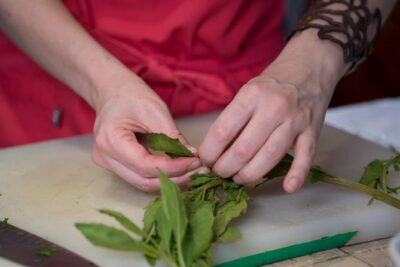
Mexican Cooking Class with Food Market Visit in Mexico City
Read our review →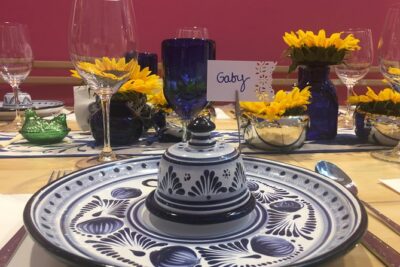
Essence of Mexico: Authentic Mexican Cooking Class & Market Tour
Read our review →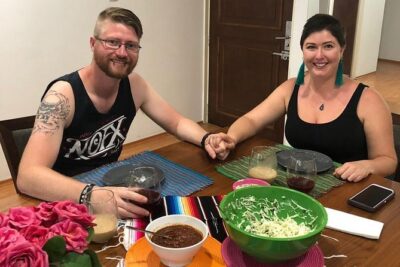
Mexican Cooking Class & Cocktails in Mexico City
Read our review →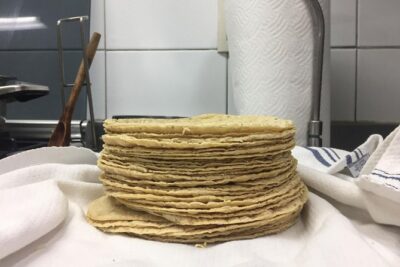
Private Mexican Cooking Class with Gastronomic Historian, Lucia
Read our review →
3h Cooking Class in Mexico City: 8 Recipes & Bottomless Drinks
Read our review →Browse the lists this tour appears in