
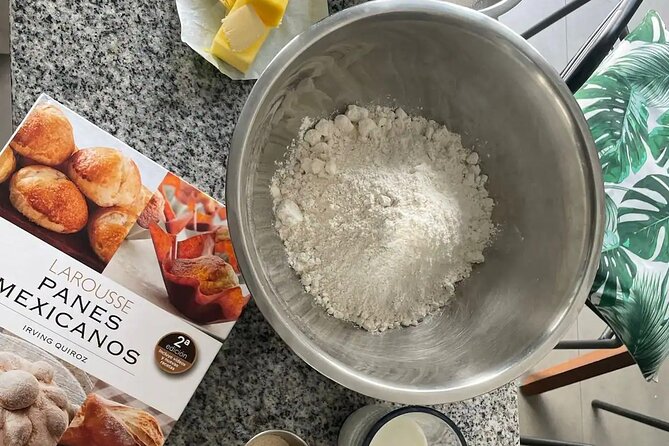
Reviewed · MEXICAN COOKING CLASSES
Mexican Bread Interactive Master Class
Mexican bread is more than a sweet snack here. It is part of the daily coffee ritual, family table, and Day of the Dead season. This hands-on class puts you in the middle of that tradition, with a professional baker guiding you through the work instead of simply handing you a finished pastry.
I like the small group size of up to 12 and the calm outdoor terrace, which should make it easier to follow each step and ask questions. I also like the cultural side of the class, especially the chance to learn why Pan de Muerto matters. The main consideration is the seasonal menu: you get Concha from February through September and Pan de Muerto only in October and November.
In This Review
- Key points
- Baking Mexican Bread in Condesa
- What Elizabeth Adds to the Class
- Concha Season, February Through September
- Pan de Muerto in October and November
- A Peaceful Terrace for the Tasting
- Why the Two-and-a-Half-Hour Length Works
- Is $71.82 a Fair Price?
- Who Will Enjoy This Bread Class?
- Booking, Cancellation, and Practical Details
- My Verdict: Book It for the Bread and the Meaning
- FAQ
- Where does the Mexican Bread Interactive Master Class meet?
- Where does the activity end?
- How long does the class last?
- How much does the experience cost?
- Which language is offered?
- How many people can join the class?
- Which Mexican breads can you make?
- Can I cancel for a full refund?
Key points
- Bake on a Mexico City terrace: The class takes place in an outdoor setting where you can work, eat, and enjoy coffee away from the city streets.
- Learn with Elizabeth: Her friendly, cheerful teaching style and clear explanation of each process are central to the experience.
- Make a seasonal Mexican favorite: Choose from Concha during much of the year or Pan de Muerto during October and November.
- Connect bread with culture: The class covers Mexican food customs and social traditions, not just measurements and technique.
- Keep the group personal: A maximum of 12 people allows for more direct help than a large demonstration class.
- Plan around a 2.5-hour visit: The time is long enough for instruction, baking, and eating your bread with coffee.
Baking Mexican Bread in Condesa
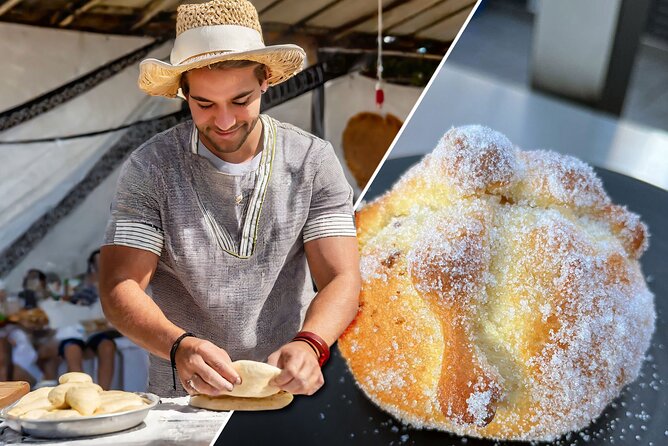
The meeting point is at Cto. Interior Mtro. José Vasconcelos 76 in Colonia Condesa, Cuauhtémoc. The area is near public transportation, which matters in Mexico City, where a simple cross-town trip can take longer than expected.
I would allow extra time to find the exact entrance. The information gives a precise street address, but it does not provide a detailed arrival procedure, landmark, or instructions about which part of the building to enter. Your mobile ticket confirms the booking, so keep it easy to access when you arrive.
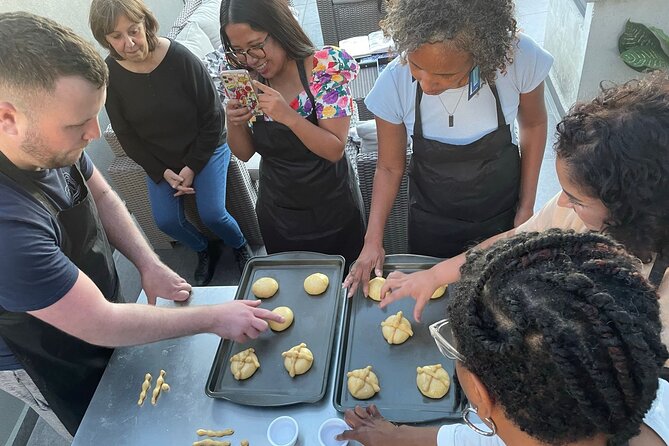
Once the class begins, the focus shifts quickly to Mexican sweet bread. You are not sitting through a long lecture before touching the dough. The format is designed around active participation, with a professional baker explaining the process as you work.
That structure suits people who learn best by doing. You can watch a technique, try it yourself, and ask for help when your dough or shaping does not look quite right. Since the group is limited to 12, the setting should feel more personal than a large cooking demonstration.
More Mexican cooking classes:
- Mexican Cooking Class with Food Market Visit in Mexico City
★ 5.0 · 506 reviews - Essence of Mexico: Authentic Mexican Cooking Class & Market Tour
★ 5.0 · 289 reviews - Mexican Cooking Class & Cocktails in Mexico City
★ 5.0 · 134 reviews
What Elizabeth Adds to the Class
Elizabeth receives the strongest praise in the available feedback, and the details are useful. She is described as cheerful, welcoming, and careful to explain the meaning of each process. That last point is important because baking classes can sometimes rush through the cultural material.
Here, Elizabeth also connects bread with Mexican food culture and social customs. You will learn not only how to make the bread, but why these foods belong in particular settings and seasons.
I like that balance. A recipe gives you something practical to take home, while the cultural explanation helps you understand what you are eating in Mexico City bakeries and cafés. The class is therefore a better fit for someone who wants context along with a finished pastry.
The experience provider is What To Do In Mexico City. English is offered, so you can follow the instruction without needing to rely on translation. The information does not identify other languages, so English is the safe choice when planning.
Concha Season, February Through September
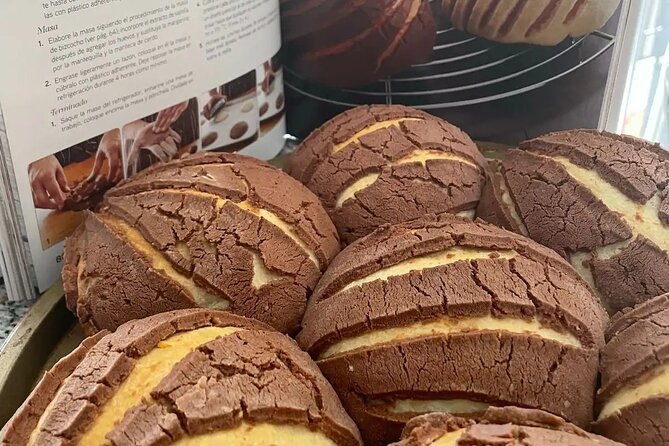
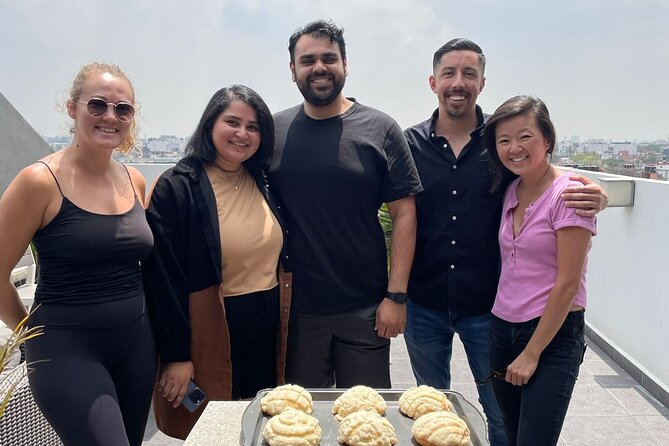
From February through September, the listed dessert is Concha. This is one of Mexico’s best-known sweet breads, recognized by its light, crisp-looking sugar topping and shell-like pattern.
The class gives you a chance to make this familiar bread rather than simply buy one from a bakery. That is useful because the process helps you notice the contrast between the soft bread and the sweet topping. It also connects directly to the Mexican habit of enjoying sweet bread with a hot cup of coffee.
The concha option is especially practical for a first baking class. It is a well-known Mexican favorite, and you can continue looking for it during the rest of your Mexico City visit. You may also spot versions in bakeries after the class, giving you a useful point of comparison between your own work and a professionally baked example.
The exact recipe, flavors, and equipment are not specified, so I would not book this expecting a particular filling or a long list of pastries. The confirmed focus is the Concha itself, with instruction from the baker and time to eat what you make.
Pan de Muerto in October and November
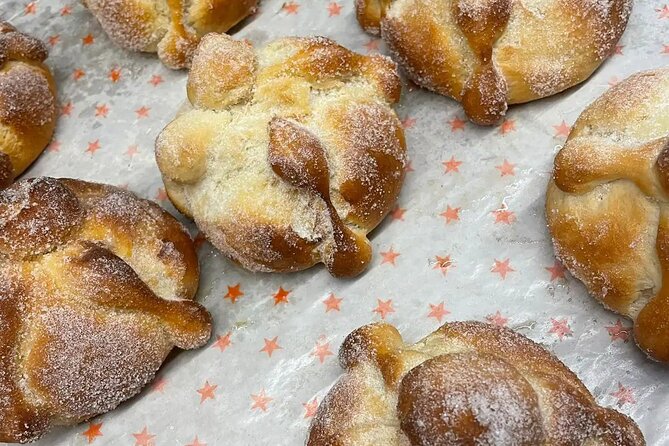
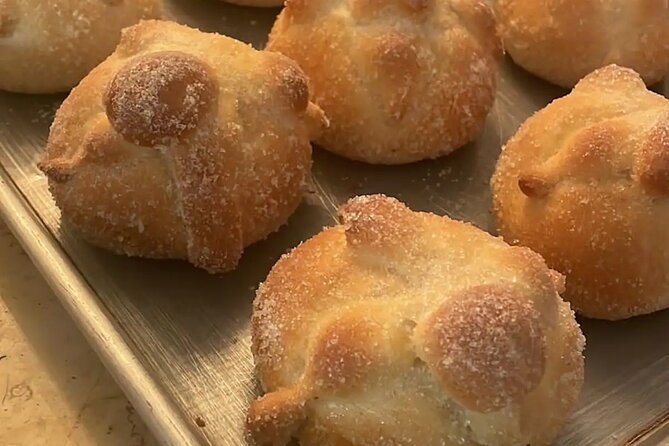
If you visit in October or November, the class changes to Pan de Muerto. This bread is closely tied to Day of the Dead, one of Mexico’s most meaningful annual traditions.
The name means bread of the dead, and its place on Day of the Dead altars and family tables gives the baking session a clear cultural purpose. The class promises to explain the secrets of this special bread and the tradition around it, making this the most seasonally distinctive version of the experience.
I would choose these months if you want the strongest connection between the recipe and the calendar. You are not just making a decorative sweet bread. You are learning about a food that appears during a major period of remembrance and family observance.
The timing also creates a limitation. Pan de Muerto is available only during October and November according to the supplied menu. If you book outside those months, you should expect the Concha option from February through September instead. The information does not specify the menu for January or December, so ask before booking if your visit falls in one of those months.
A few more Mexico City half-days to weigh up
- Private Mexican Cooking Class with Gastronomic Historian, Lucia
★ 5.0 · 110 reviews - Mexican Churros Master Class
★ 5.0 · 91 reviews - Mexico City: Mexican Cooking Class
★ 4.8 · 85 reviews - 3h Cooking Class in Mexico City: 8 Recipes & Bottomless Drinks
★ 5.0 · 59 reviews
A Peaceful Terrace for the Tasting
The class takes place on a tranquil outdoor terrace in Mexico City. That setting changes the pace of the activity. You get a place to work with your hands, then sit down with coffee and taste the bread you have made.
The terrace is not presented as a sightseeing stop with a city panorama, so do not book this mainly for views. Its value is the atmosphere. Baking can be messy and focused, and an open-air setting gives the session a more relaxed feel than a crowded indoor room.
The final coffee and bread portion is important. It lets you judge the result while it is still connected to the work you just completed. You can also talk with the baker and other participants, which helps the class feel social without making it a general food tour.
The details do not state how many pieces each person makes, how coffee is prepared, or whether other drinks are available. I would think of coffee as part of the tasting, not as a full meal. If you need lunch or have dietary requirements, confirm what can be provided before you reserve.
Why the Two-and-a-Half-Hour Length Works
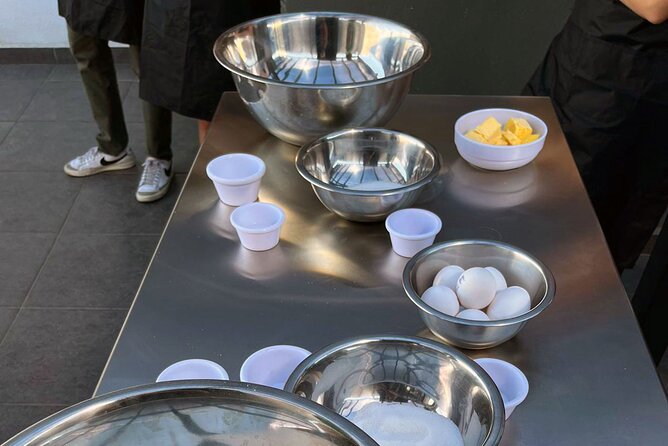
The class lasts about 2 hours and 30 minutes. That is a useful middle ground. It gives you more than a quick demonstration, but it does not take up an entire day of sightseeing.
You need time to hear the explanation, handle the dough, shape the bread, and eat the finished result. A shorter class could feel rushed, especially for first-time bakers. This length allows the activity to remain the main event while leaving room for a museum, market, or neighborhood walk afterward.
I would keep the rest of your schedule flexible around the start and end. The duration is approximate, and baking involves steps that do not always follow a strict clock. The activity ends back at the meeting point, so you will not need to arrange a separate return transfer.
This is not the right choice if you want to cover several Mexican dishes in one session. The stated focus is bread, with Concha or Pan de Muerto as the featured dessert. For a short food activity, that narrow focus is a benefit because you can spend proper time on one tradition.
Is $71.82 a Fair Price?
At $71.82 per person, the class costs more than buying a Concha or Pan de Muerto at a bakery. You are paying for instruction, participation, cultural explanation, the terrace setting, coffee, and the time of a professional baker.
The value depends on what you want from the morning or afternoon. If you only want to taste Mexican bread, a bakery visit will cost less and let you sample more varieties. If you want to understand the process and make the bread yourself, the price is easier to justify.
The maximum group size of 12 helps. A hands-on class loses value when too many people must share the instructor’s attention. Here, the smaller cap gives Elizabeth more room to explain a step or help you correct your shaping.
I would also count the cultural information as part of the price. Learning why Pan de Muerto belongs to Day of the Dead or why Concha is paired with coffee gives the food more meaning than a recipe alone. That context is particularly useful if you plan to visit Mexico City during October or November.
The class is booked an average of 26 days in advance, so it is sensible to reserve ahead, especially for seasonal Pan de Muerto dates. That advance-booking pattern also suggests you should not assume a last-minute place will be available.
Who Will Enjoy This Bread Class?
I would recommend this experience to several types of visitors:
- Food-focused visitors who want to learn by making, not only eating.
- Couples and friends looking for a shared activity with a finished treat at the end.
- Families with older children who can follow instructions and safely participate, though the supplied details do not set an age range.
- Baking beginners who want guided instruction rather than an advanced pastry course.
- Cultural learners who care about the customs behind Mexican food.
- Repeat Mexico City visitors who have already seen major sights and want a slower local activity.
It is less suitable if you want a full meal, a large bakery tour, or a broad cooking lesson covering savory Mexican dishes. It may also disappoint people who expect a detailed rooftop city view, since the terrace is described mainly as a peaceful place to bake and eat.
The English-language format makes it easier to follow the practical instruction. The class also works well for solo visitors because the small group and shared work create a natural way to meet people without requiring a full-day social tour.
Booking, Cancellation, and Practical Details
You receive confirmation at the time of booking, and the ticket is mobile, so you do not need a printed voucher. Public transportation is nearby, but Mexico City traffic can be slow, so I would not cut your arrival time close.
Free cancellation is available if you cancel at least 24 hours before the local start time. Changes or cancellations inside that 24-hour window are not accepted and are not refunded. The activity also requires a minimum number of participants. If that minimum is not reached and the class is canceled, you are offered another date or experience, or a full refund.
The class ends where it starts, which simplifies your plans. Since the address is in Condesa, you can pair the activity with other neighborhood stops, but the supplied details do not promise any additional guided sightseeing.
My Verdict: Book It for the Bread and the Meaning
I would book the Mexican Bread Interactive Master Class if you want a focused, social food activity with real participation. The strongest reasons are Elizabeth’s warm teaching style, the small group limit, and the link between each bread and Mexican customs.
The best booking choice depends on the calendar. Pick October or November for Pan de Muerto and the clearest Day of the Dead connection. Choose February through September for Concha and a classic coffee pairing.
At $71.82, this is not a bargain bakery snack. It is a fairer deal for someone who values instruction, cultural context, and the pleasure of eating something made by hand. If that sounds like your kind of afternoon, reserve early and arrive ready to work.
FAQ
Where does the Mexican Bread Interactive Master Class meet?
It meets at Cto. Interior Mtro. José Vasconcelos 76, Colonia Condesa, Cuauhtémoc, 06140 Ciudad de México, CDMX, Mexico.
Where does the activity end?
The activity ends back at the meeting point.
How long does the class last?
The class lasts approximately 2 hours and 30 minutes.
How much does the experience cost?
The listed price is $71.82 per person.
Which language is offered?
The class is offered in English.
How many people can join the class?
The activity has a maximum of 12 travelers.
Which Mexican breads can you make?
The listed menu includes Pan de Muerto from October through November and Concha from February through September.
Can I cancel for a full refund?
Yes. You can cancel for a full refund if you cancel at least 24 hours before the experience start time. Cancellations or changes made less than 24 hours before the start are not accepted or refunded.
Just added around Mexico City
- Ticket to Frida Kahlo Museum (Blue House)★ 5.0 · 3 reviews
- Valle de Bravo: Forest Hiking Adventure★ 4.4 · 3 reviews
- Chapultepec Castle and Anthropology Tour, starting from CDMX★ 5.0 · 3 reviews
- La Roma Private Art Tour★ 5.0 · 3 reviews
- Private Transportation: Pickup and Drop-Off★ 5.0 · 3 reviews
- Mexico City: Relaxing or Decontracting Massage Experience★ 5.0 · 3 reviews
- Grutas de Tulantongo★ 3.0 · 3 reviews
- Mexico City: Local Walking Tour with Mezcal & Wrestling Show★ 5.0 · 3 reviews
Mexican Cooking Classes, compared.
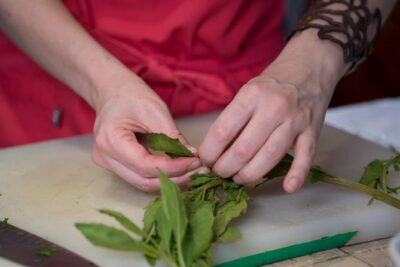
Mexican Cooking Class with Food Market Visit in Mexico City
Read our review →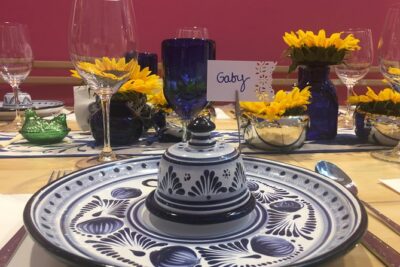
Essence of Mexico: Authentic Mexican Cooking Class & Market Tour
Read our review →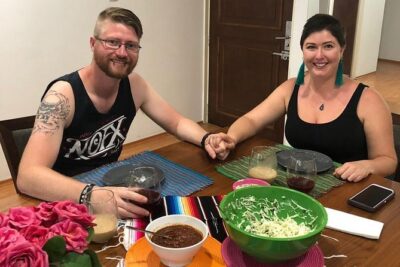
Mexican Cooking Class & Cocktails in Mexico City
Read our review →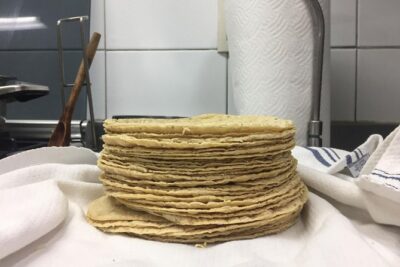
Private Mexican Cooking Class with Gastronomic Historian, Lucia
Read our review →
3h Cooking Class in Mexico City: 8 Recipes & Bottomless Drinks
Read our review →Browse the lists this tour appears in