
Reviewed · MEXICAN COOKING CLASSES
Mexico City: Authentic Mexican Cooking Class & Market Tour
Mexico City’s best food lessons often begin before you reach the stove. Here, you walk through Mercado de Medellín, tasting native-corn quesadillas, Oaxacan chocolate, seasonal fruit, and even crickets or chinicuil worms before returning to a stylish Roma Norte studio for a four-course meal.
I like the direct link between market and kitchen, and I like the tiny group size, limited to seven people. Guides such as Pame, Mariana, Lorena, and Kristel bring warmth and context to the food, not just recipes. The main drawback is the $204 price, which is a serious splurge for a half-day activity, especially if you do not drink alcohol or have nut allergies.
In This Review
- Key points to know before booking
- Starting with coffee and Agua Fresca in Roma Norte
- Walking to Mercado de Medellín
- Native corn, cacao, fruit, and a few brave bites
- Back at the studio for four courses
- Mextlapiques and the unusual tamal without masa
- White mole, a celebration dish from central Mexico
- Pastel de elote and chocolate to finish
- Beer, mezcal, wine, and the value of the $204 price
- Practical details that can affect your day
- Who will enjoy this class most
- Should you book Aura Cocina Mexicana?
- FAQ
- How long does the Mexico City cooking class and market tour last?
- How much does the experience cost?
- Where does the experience meet?
- Is hotel pickup included?
- How many people are in the cooking class?
- Which languages are offered?
- What food and drinks are included?
- Are children allowed?
- Is the class suitable for people with nut allergies or mobility impairments?
Key points to know before booking
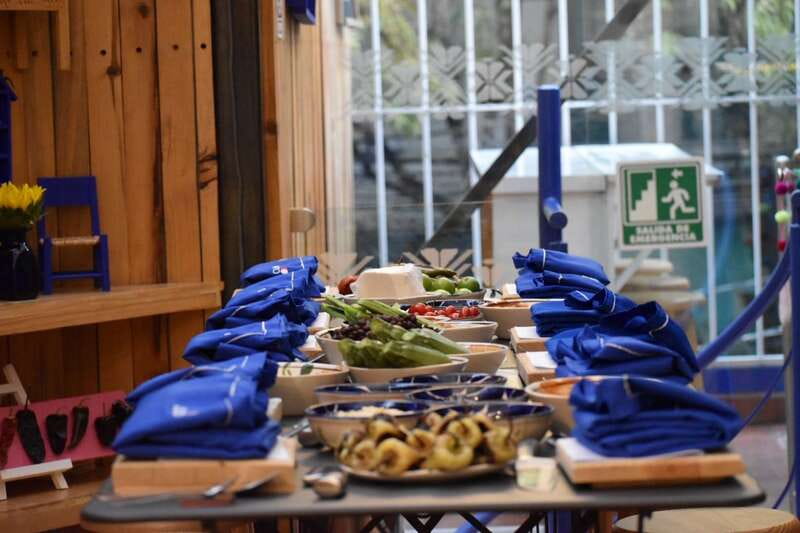
- Mercado de Medellín comes first: You taste ingredients where local shoppers buy them, then use that food knowledge in class.
- The group is capped at seven: That gives you a real task at the counter instead of watching a chef do everything.
- The menu reaches beyond tacos: You prepare sopes, vegetable mextlapiques, white mole, and pastel de elote.
- The tastings are adventurous: Expect native corn, raw cacao, seasonal fruit, handmade chocolate, and optional insects.
- The drinks are part of lunch: Agua fresca, Mexican craft beer, Oaxacan mezcal, and wine from Valle de Parras are included.
- Plan for an urban meeting point: There is no hotel pickup, and Medellín street numbers are not in sequence.
Starting with coffee and Agua Fresca in Roma Norte
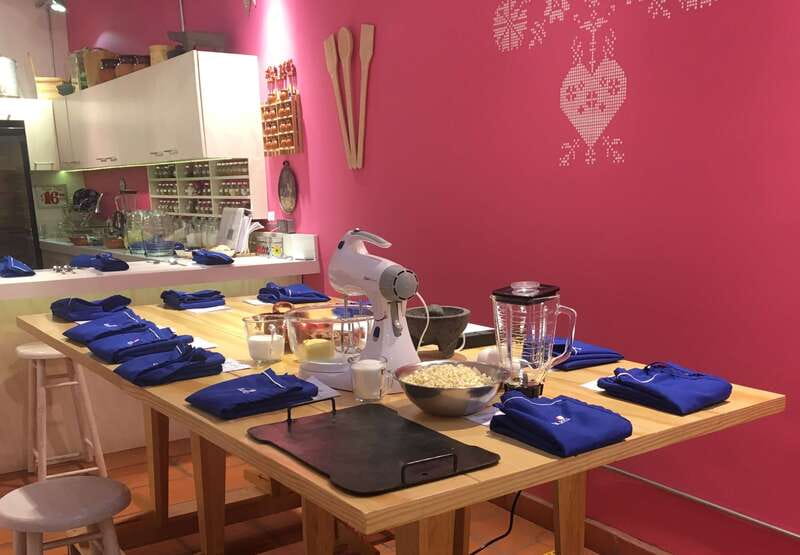
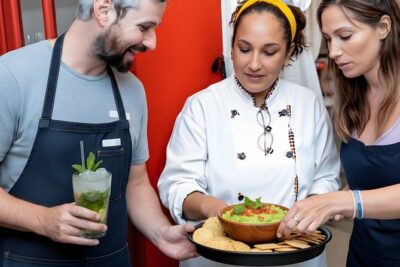
Your morning begins at Aura Cocina Mexicana, a contemporary cooking studio on Medellín Street in Roma Norte. The welcome is simple and useful: Agua Fresca, coffee made from selected Mexican beans, or a special infusion while the chef sets the stage for the meal.
This introduction matters because Mexican cooking can seem like a long list of unfamiliar ingredients if you meet the food only at the plate. The class begins with the bigger picture, explaining how Mexican cuisine developed and how ingredients connect to regional traditions.
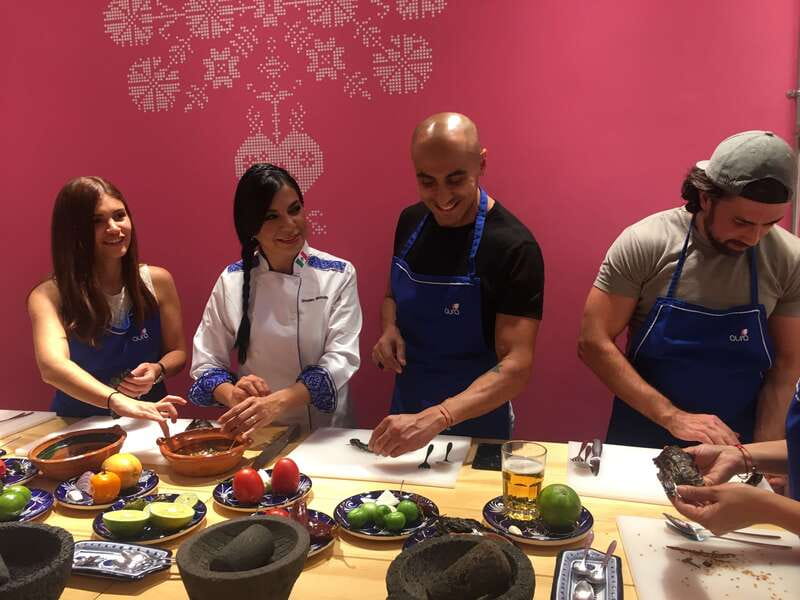
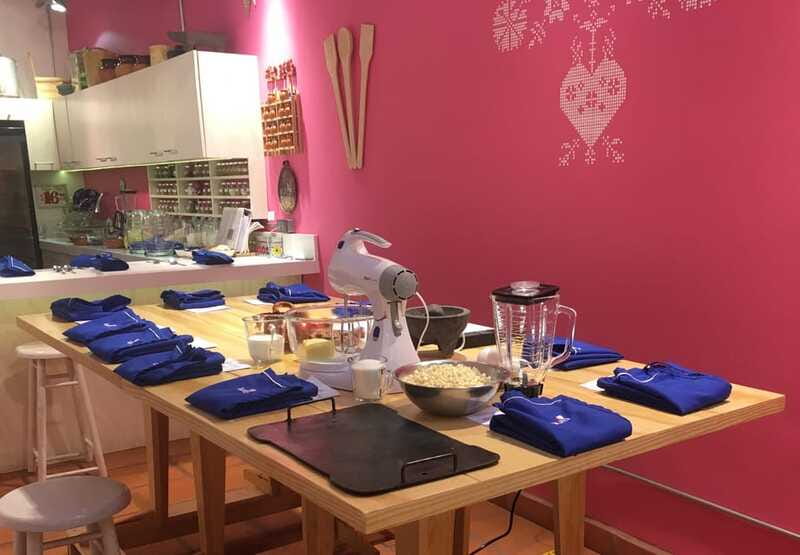
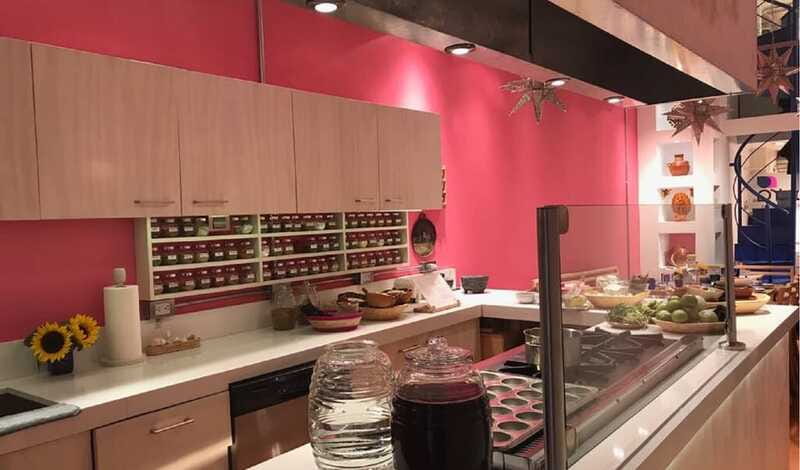
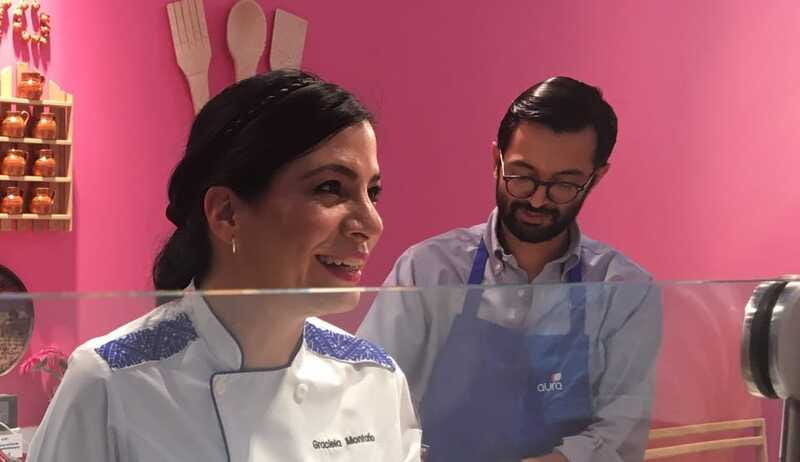
The studio is designed to feel intimate rather than industrial. With no more than seven participants, you should have room to work and a chance to ask questions. Several instructors have been praised for their energy and teaching style, with Pame especially noted for making sure every person takes part. That is important in a hands-on class. You do not want to pay a premium and spend four hours standing behind somebody else’s chopping board.
The exact chef may vary. Pame, Mariana, Lorena, Pamela, and Kristel have all led sessions, and the teaching team includes assistants. Expect instruction in English or Spanish.
More Mexican cooking classes:
- Mexican Cooking Class with Food Market Visit in Mexico City
★ 5.0 · 506 reviews - Essence of Mexico: Authentic Mexican Cooking Class & Market Tour
★ 5.0 · 289 reviews - Mexican Cooking Class & Cocktails in Mexico City
★ 5.0 · 134 reviews
Walking to Mercado de Medellín
The market is within walking distance of the studio, so the transition from kitchen to neighborhood is part of the experience. You get a look at Roma Norte beyond its cafes and polished restaurants, with a local market serving as the food pantry for the area.
Mercado de Medellín is one of the main markets in Roma Norte. Your guide explains how it is organized, what its different halls offer, and how the market fits into daily life in the neighborhood. This is not a drive-by sightseeing stop. You move through the stalls and pause for tastings, so comfortable shoes are sensible.
The market visit also gives the class a clear purpose. Instead of learning about Mexican ingredients as museum pieces, you see them in their working setting. A chili stand becomes a lesson in how different peppers affect a sauce. A tortillería becomes a practical look at native corn and the traditional nixtamalization process.
Native corn, cacao, fruit, and a few brave bites
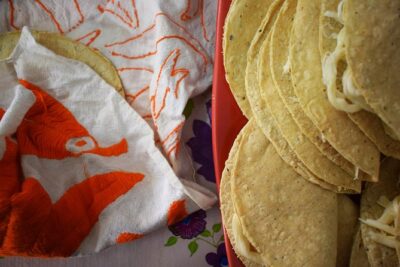
One of the strongest parts of the outing is the organic tortillería. You taste quesadillas made with native corn while watching how nixtamalization turns corn into a more useful dough for tortillas and other foods. The process is central to Mexican cooking, and seeing it in action makes the later dishes easier to understand.
At the chili stand, you learn about different varieties and how the same pepper can change a dish depending on how it is handled. The class also includes a look at 100 percent raw cacao and handmade chocolate from Oaxaca. This helps separate Mexican chocolate from the sweeter commercial style many people know at home.
The fruit tasting shifts the focus to seasonal produce. Depending on availability, you might try mamey, chicozapote, or tuna, the cactus fruit often called prickly pear in English. Handcrafted ice cream rounds out this part of the visit.
Then come the insects. You may be offered crickets, chicatana flying ants, and chinicuil worms. The point is not shock value alone. These foods have a place in Mexican cooking, and trying them gives you a more open view of the country’s food traditions. Still, nobody should feel pressured to prove anything. If you are unsure, ask your guide what is being served and how it is prepared.
The market stop is one reason this activity feels more substantial than a standard cooking lesson. You are not only learning a recipe. You are seeing ingredients in context, tasting them before they are transformed, and hearing how local food connects to older traditions and present-day shopping habits.
Back at the studio for four courses
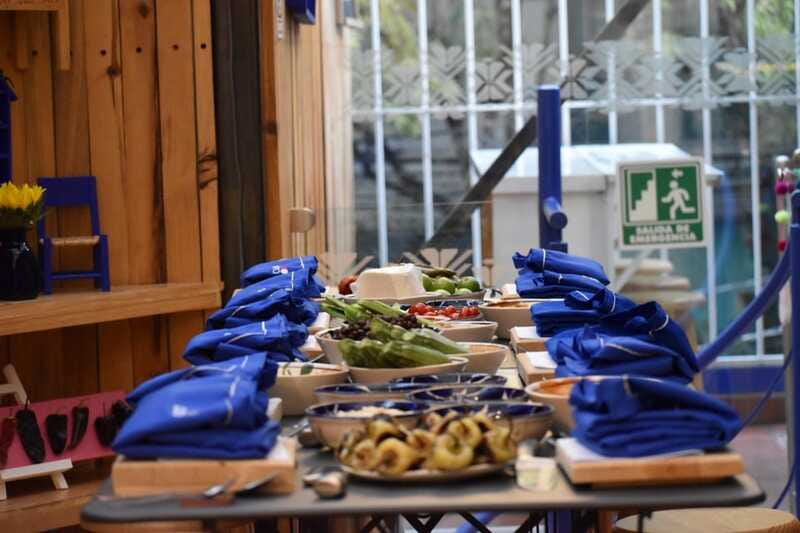
After the market, you return to the studio and begin the cooking portion. The menu is substantial, and the class is structured as a four-course lunch. You work through the dishes with the chef and assistants, then sit down to eat what the group has prepared.
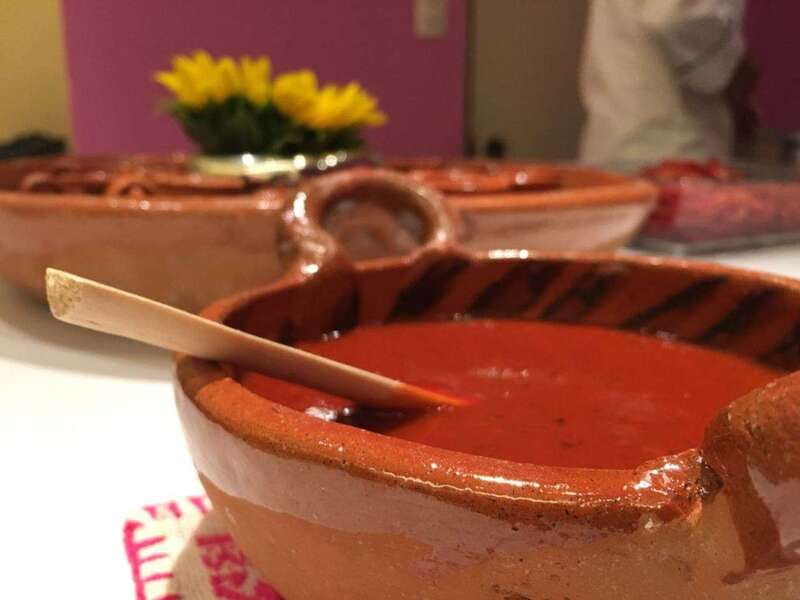
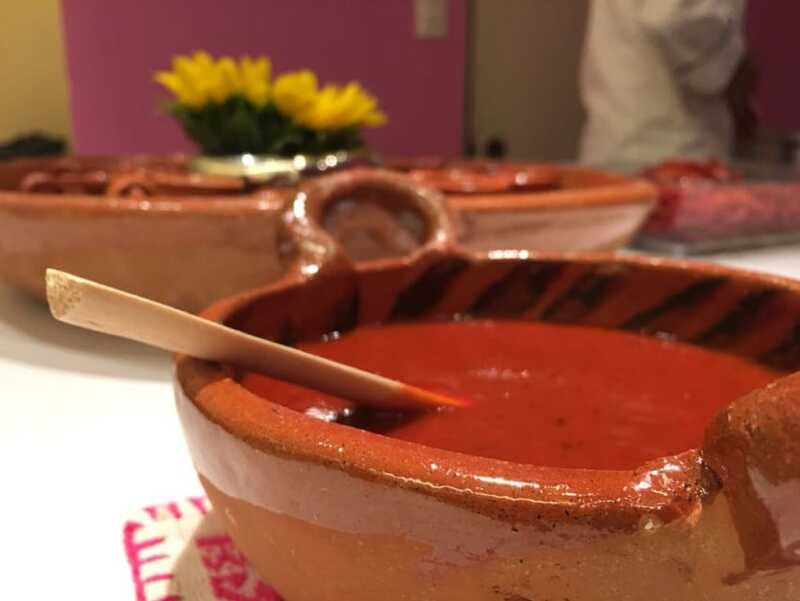
The first course centers on Mexican antojitos, or small savory foods, with street-food-style sopes and two salsas. One is a red molcajete sauce, and the other is a green sauce. This is a smart opening lesson because salsa is where technique and personal taste meet. You learn how ingredients work together and how the same meal can move from mild to hot.
The sopes also give you a feel for the texture of masa and the shape of a classic street snack. The exact amount of work assigned to each person can depend on the group, but the small format makes it possible for everyone to take part. If you want more responsibility, speak up early.
A few more Mexico City half-days to weigh up
- Private Mexican Cooking Class with Gastronomic Historian, Lucia
★ 5.0 · 110 reviews - Mexican Churros Master Class
★ 5.0 · 91 reviews - Mexico City: Mexican Cooking Class
★ 4.8 · 85 reviews - 3h Cooking Class in Mexico City: 8 Recipes & Bottomless Drinks
★ 5.0 · 59 reviews
Mextlapiques and the unusual tamal without masa
The second course is mextlapiques, a pre-Hispanic preparation that resembles a tamal but does not use masa. The class makes a vegetable version covered with hierbabuena sauce.
This may be the most distinctive dish on the menu. Many cooking classes stick to familiar tacos or guacamole because those dishes are easy to explain. Mextlapiques offer a different lesson in how food can be wrapped, cooked, and seasoned without relying on the ingredients you expect.
The vegetable filling also makes this part of the menu approachable for people who prefer not to eat meat. One participant particularly praised the tamal for being simple but full of flavor. You should expect the class to explain the dish’s pre-Hispanic roots, though the supplied details do not specify the exact cooking equipment or wrapping material used in your session.
White mole, a celebration dish from central Mexico
Next comes white mole, a traditional dish associated with Mexico’s central region and celebrations. Its pale color comes from ingredients such as white pine nuts, almonds, peanuts, blonde raisins, and chile guero.
The sauce can be served with chicken, mushrooms, or panela cheese. That flexibility matters if your group includes different dietary preferences, though you should clarify your needs when booking. The recipe contains several nuts, so this class is not suitable for anyone with a nut allergy.
White mole is also a useful reminder that mole is not one single dark sauce. It can be pale, nutty, sweet, savory, spicy, or all of these at once. You learn how a mixture of modest ingredients becomes a sauce with enough character for a special-occasion plate.
This is one of the dishes that may push you beyond your normal home cooking. The good news is that the class is built around confidence. The chef guides you through the steps, and printed recipes let you try the dishes again after returning home.
Pastel de elote and chocolate to finish
Dessert is pastel de elote, a soft corn cake or cornbread, paired with water-based chocolate. Corn appears here in a completely different form from the tortillas and sopes, showing how widely the ingredient can be used.
The cornbread has become a favorite part of the meal for several people, including one person who normally does not care for cake. That makes sense: pastel de elote is not simply a standard Western dessert with Mexican decoration. Its corn flavor gives it a distinct texture and taste.
The water-based chocolate pairing keeps the ending connected to the market tastings, especially the raw cacao and Oaxacan chocolate. It also provides a less heavy finish than a cream-based dessert might.
Beer, mezcal, wine, and the value of the $204 price
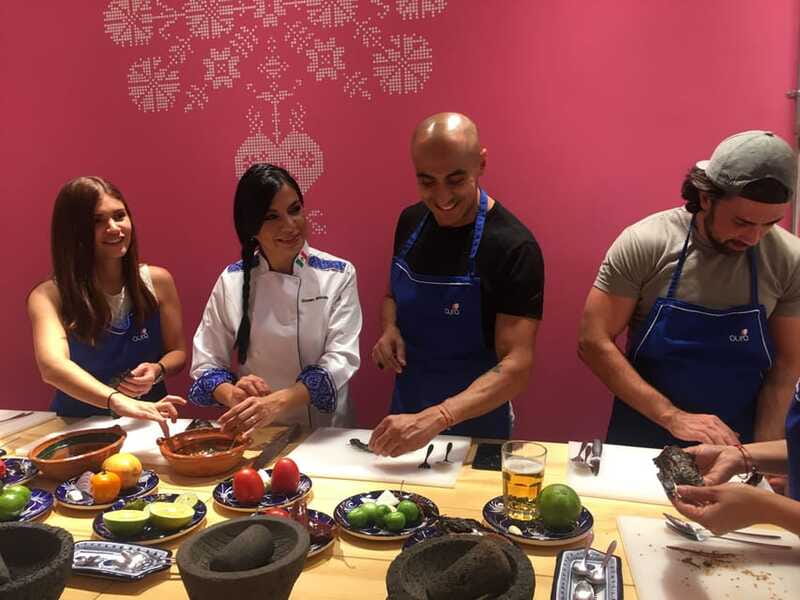
At $204 per person, this is not a budget cooking class. The cost includes the market walk, professional chef guide, all ingredients, printed recipes, the four-course lunch, and alcoholic drinks. You also get a small group, which changes the quality of the instruction.
The drinks include agua fresca, Mexican craft beer, mezcal from Oaxaca, and premium red or white wine from Valle de Parras. If you enjoy pairing drinks with food, that adds real value. You are not paying separately each time a beer, mezcal pour, or glass of wine appears.
If you do not drink alcohol, the value is less clear. The activity still includes the market access, tastings, class, ingredients, and meal, but part of the package will not matter to you. I would compare it with the cost of a good restaurant meal plus a private or small-group class before booking.
The experience also lasts 4.5 hours, although one participant reported spending more than five hours there. Allow extra time in your day. A market tour can run long when the group is engaged and the chef is explaining ingredients, and you do not want to rush off to a fixed afternoon appointment.
Practical details that can affect your day
The meeting point is Medellín 191a in Roma Norte, between Chiapas and Tapachula streets. The street numbers are not sequential, so use the cross streets rather than relying only on the number.
Hotel pickup and drop-off are not included. You need to reach the studio yourself, and the market is visited on foot. Since mobility impairments are listed as a reason the activity may not be suitable, ask before booking if walking through the market or moving around the studio could be difficult.
An apron is provided for the cooking session. Ingredients, equipment, and printed recipes are included, so you do not need to bring cooking supplies. Children under 12 are not accepted, making this better for adults and older teenagers who can take part in the work.
The class accepts English and Spanish speakers. Cancellation is free up to 24 hours before the start time, and you can reserve now and pay later if that option is available at booking. Those policies are useful, but they should not be the main reason you choose the class. The food and teaching are the real value.
Who will enjoy this class most
I would choose this experience if you want Mexican food explained through ingredients, technique, and place. It suits you especially well if you enjoy small groups, tasting unfamiliar foods, and learning dishes that are not the usual tourist menu.
It is also a good fit for couples and friends who want a shared activity rather than another restaurant meal. The structure gives you plenty to talk about, and the final lunch rewards the work without turning the class into a formal culinary exam.
Food-focused visitors will get the most from the market section. You will see native corn, chilis, cacao, fruit, chocolate, and insects in one morning, then learn how several of those ideas fit into a meal. People who mainly want to eat and not cook may find the four-course preparation too long.
The class is not suitable for children under 12, people with nut allergies, or people with mobility impairments. Those restrictions are not minor details. White mole includes several nuts, and the market visit requires walking and navigating a working market.
Should you book Aura Cocina Mexicana?
Book it if $204 fits your budget and you want more than a basic taco lesson. The combination of Mercado de Medellín, native-corn tortillas, unusual tastings, white mole, mextlapiques, and guided drink pairings gives you a full picture of Mexican food in a single half-day.
I especially like that the class does not stop at familiar dishes. You get a taste of older food traditions, everyday market shopping, regional ingredients, and recipes you can take home. Guides such as Pame and Lorena have also shown the kind of friendly, hands-on teaching that makes a small class work well.
Skip it if you are looking for a cheap activity, dislike market walking, have a nut allergy, or prefer a passive food tour. For everyone else, this is a costly but well-rounded way to spend a morning in Roma Norte, with enough practical cooking to justify the price and enough tasting to keep it fun.
FAQ
How long does the Mexico City cooking class and market tour last?
The stated duration is 4.5 hours. You should allow additional time in case the market visit or cooking session runs longer than planned.
How much does the experience cost?
The price is $204 per person. It includes the market tour, chef guide, ingredients, printed recipes, four-course lunch, and alcoholic beverages.
Where does the experience meet?
The meeting point is Medellín 191a in Roma Norte, Mexico City. The studio is between Chiapas and Tapachula streets because Medellín street numbers are not in sequence.
Is hotel pickup included?
No. Hotel pickup and drop-off are not included, so you need to make your own way to the studio.
How many people are in the cooking class?
The class is limited to seven participants. This allows for a more hands-on format than a large demonstration class.
Which languages are offered?
The experience is offered in English and Spanish.
What food and drinks are included?
You prepare and eat four courses, including sopes with two salsas, vegetable mextlapiques, white mole, and pastel de elote. Drinks include agua fresca, Mexican craft beer, Oaxacan mezcal, and red or white wine from Valle de Parras.
Are children allowed?
Children under 12 are not suitable for this activity.
Is the class suitable for people with nut allergies or mobility impairments?
No. The activity is listed as unsuitable for people with nut allergies and people with mobility impairments.
More Shopping Tours in Mexico City
- Teotihuacan without obligatory stops. No shops or restaurants.
★ 5.0 · 527 reviews - Mastering Mexican Salsas Cooking Class and Market Tour
★ 5.0 · 35 reviews - Market Tour and Home Cooking Class in Mexico City with Margarita
★ 5.0 · 30 reviews - Medellín Market Tour, Cooking Class and 3-course Mexican Feast
★ 5.0 · 26 reviews
More Market Visits in Mexico City
- Xochimilco: Market, Food and Nature ¡All included! Tour
★ 4.9 · 107 reviews - Ticket Museum Frida Kahlo and tasting in Coyoacan Market
★ 5.0 · 40 reviews - Frida Kahlo VIP-Walk, Market and Churros Museum Tickets Included
★ 5.0 · 38 reviews - Mexican Street Tacos Hands-on Cooking Class and Market Tour
★ 5.0 · 37 reviews
Just added around Mexico City
- Mexico City: Hop-on Hop-off City Tour by Turibus 2-Day Pass★ 4.0 · 10 reviews
- Anthropology Museum, Chapultepec Castle & Cable Car Tour★ 4.5 · 10 reviews
- Multi-Variety Mole Class in a Condesa home or art gallery rooftop★ 5.0 · 10 reviews
- PRIVATE TOUR Colonial Town Taxco and Cuernavaca from CDMX.★ 5.0 · 10 reviews
- Private Round-Trip Transportation to Teotihuacan Pyramids★ 5.0 · 10 reviews
- Teotihuacan and My Grandma’s Food Tour★ 5.0 · 10 reviews
- El Centro Street Food Walking Tour★ 5.0 · 10 reviews
- Private Walking Tour Legends and Events Historic Center CDMX★ 4.8 · 10 reviews
Mexican Cooking Classes, compared.
Mexican Cooking Class with Food Market Visit in Mexico City
Read our review →
Essence of Mexico: Authentic Mexican Cooking Class & Market Tour
Read our review →
Mexican Cooking Class & Cocktails in Mexico City
Read our review →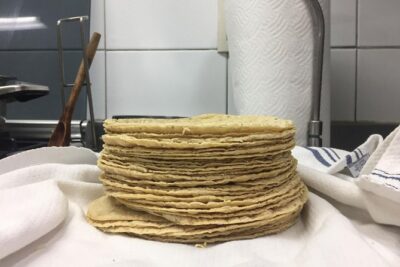
Private Mexican Cooking Class with Gastronomic Historian, Lucia
Read our review →
3h Cooking Class in Mexico City: 8 Recipes & Bottomless Drinks
Read our review →Browse the lists this tour appears in