
Reviewed · MEXICO CITY
Mexico City: Gay Tales
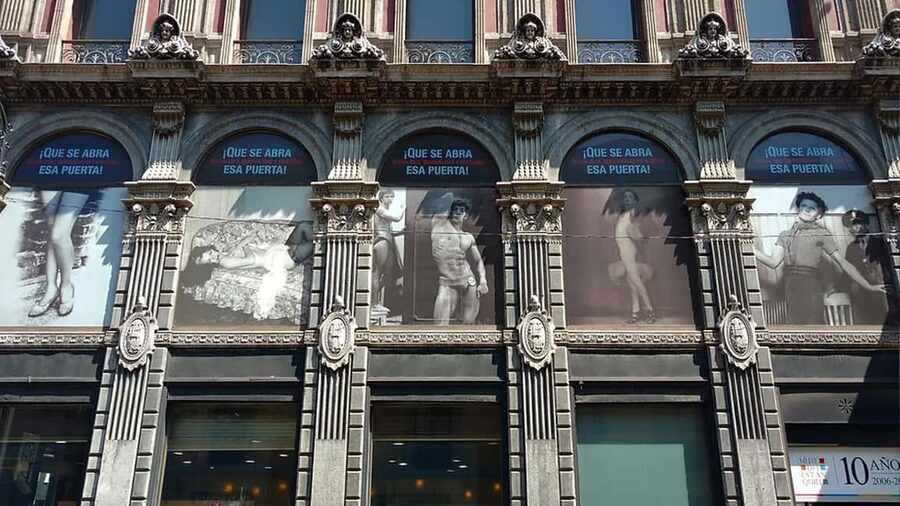
Mexico City’s grandest central avenue has a second story, one told through secret meeting places, coded spaces, and bold acts of self-expression. This three-and-a-half-hour walk follows LGBTQ+ history along Madero Street and into nearby museums, shops, churches, theaters, and former bathhouses.
I like the way the tour connects famous buildings with lesser-known stories, especially the 1901 cross-dressing ball of the 41 and the first trans man recognized as a colonel by the Mexican army. I also like that you leave with a digital LGBTQ+-focused map and extra videos and sources, so the walk does not end when the guide says goodbye.
The main drawback is the amount of walking. The route covers several central landmarks on foot, and it is not suitable for people with mobility impairments or children under 18. Bring good shoes, sun protection, and patience for Mexico City weather.
In This Review
- Key points on Mexico City’s LGBTQ+ walking route
- Why this walk adds a new layer to Mexico City’s center
- Starting at Tacuba and the former Bethlemitas chapel
- Casa de los Azulejos and the meaning of public space
- Pastelería Ideal and a door into censorship
- The Borcegui and the famous shoes of the 41
- Walking Madero Street and its forgotten venues
- La Casa del Pavo and the backstage door of a theater
- The Palace of the Countship and public restrooms
- Finishing at the Estanquillo Museum
- Is $79 a fair price?
- Who should book this experience?
- Practical details before you go
- Should you book Mexico City: Gay Tales?
- FAQ
- How long does the Mexico City: Gay Tales tour last?
- What language is the tour conducted in?
- Where does the tour begin?
- Where does the tour finish?
- What is included in the experience?
- Are food and drinks included?
- Is the tour suitable for children?
- Is the route suitable for people with mobility impairments?
- What should I bring?
Key points on Mexico City’s LGBTQ+ walking route
- The 1901 ball of the 41: See replicas of the high-heeled shoes linked to one of Mexico’s most famous early public LGBTQ+ scandals.
- Madero Street’s coded past: Learn how gay men interpreted monuments, restrooms, theaters, and other public places in the 19th and 20th centuries.
- A former military academy: Visit the Museo del Ejército y Fuerza Aérea Mexicanos, where the story of a trans man accepted as a colonel comes into focus.
- Old entertainment venues: Pass the first pornographic cinema, one of the last gay cinemas, an old bathhouse, and the former National Theatre’s backstage meeting place.
- Stories beyond the walk: Take home a digital map, videos, sources, and other material for further reading.
- A focused English tour: The experience is led in English, with Carlos among the guides who have led this historical route.
Why this walk adds a new layer to Mexico City’s center
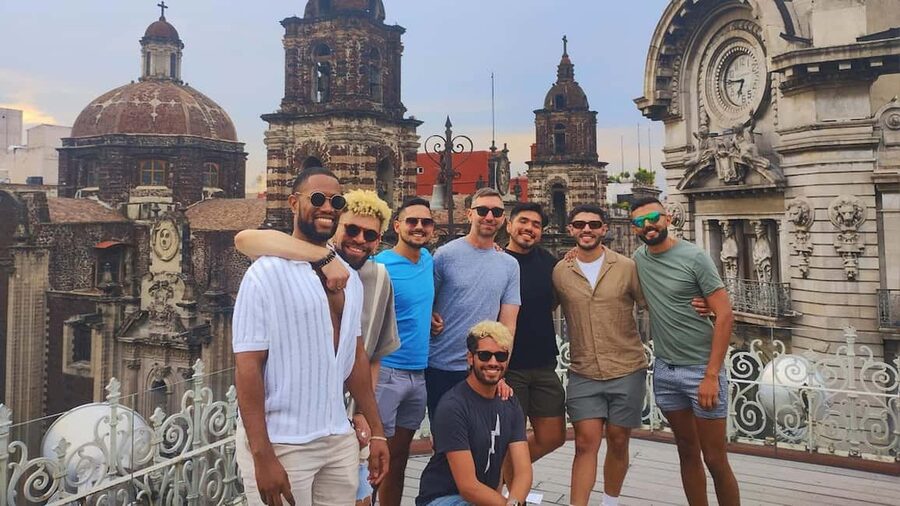
You could spend days in Mexico City’s Historic Center looking only at grand facades and famous monuments. This tour asks you to look again. A military museum, a department store, a bakery, a footwear shop, and a busy pedestrian street all become part of a wider story about identity, censorship, desire, and survival.
That is the value here. You are not simply ticking off attractions. You are learning how LGBTQ+ people used ordinary city spaces and how later generations remembered, misunderstood, or erased those connections.
The tour concentrates on the area inside the old 16th-century city limits. Much of the route runs along or close to Madero Street, one of the capital’s most important historic thoroughfares. Since the stops are fairly close together, the guide can keep returning to the same central question: how did a gay community exist in a city where public attitudes and official rules often worked against it?
The answers are not presented as a single tidy tale. You hear about public censorship, private encounters, theater culture, coded behavior, cross-dressing, bathhouses, and the movement of the community in the 1950s. That mix makes the walk feel grounded in real places rather than separated from daily city life.
A few more Mexico City half-days to weigh up
- Gay Side of History through Plazas & Temples
★ 4.5 · 53 reviews - Discover Mexico City’s (CDMX) Gay (LGBTQ) Hotspots Guided Tour
★ 5.0 · 3 reviews
Starting at Tacuba and the former Bethlemitas chapel
Meet outside the main entrance to the MIDE Museum, at C. de Tacuba 17. The spot is curbside and one block from Allende Metro station, so it is practical if you are already exploring the Historic Center.
The first major stop is the Museo del Ejército y Fuerza Aérea Mexicanos, housed in the former Capilla de Bethlemitas. Plan on about 25 minutes here for a visit and guided explanation. The building gives the tour an early sense of place: this is not a walk limited to nightlife districts or modern gay venues.
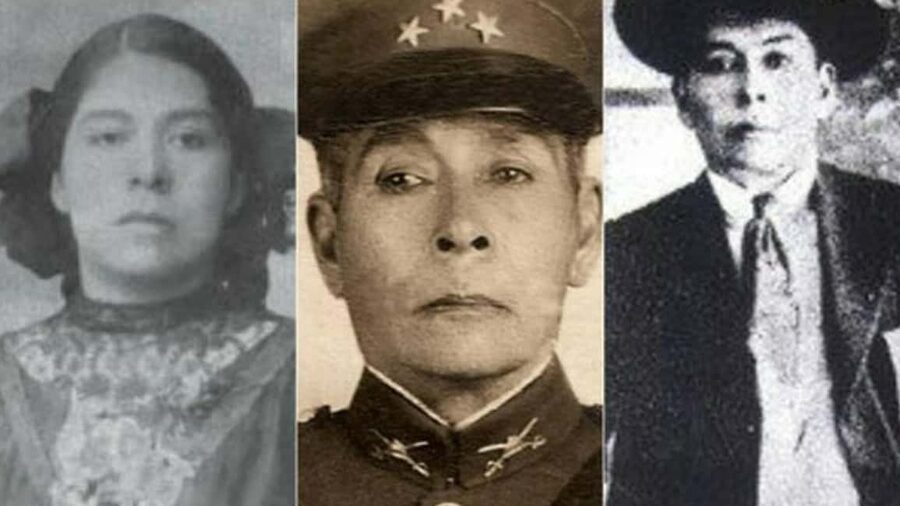
The guide tells the story of the first trans man who was unsuspectedly recognized as a colonel by the army. It is an unusual piece of military and gender history, and it shows why this tour can add something that a standard city walk usually misses.
You should expect interpretation rather than a long, formal museum visit. The focus is on the LGBTQ+ connection and on how the site fits into the larger story. Photography is allowed, but the tour asks you to treat the places and their history with respect.
Casa de los Azulejos and the meaning of public space
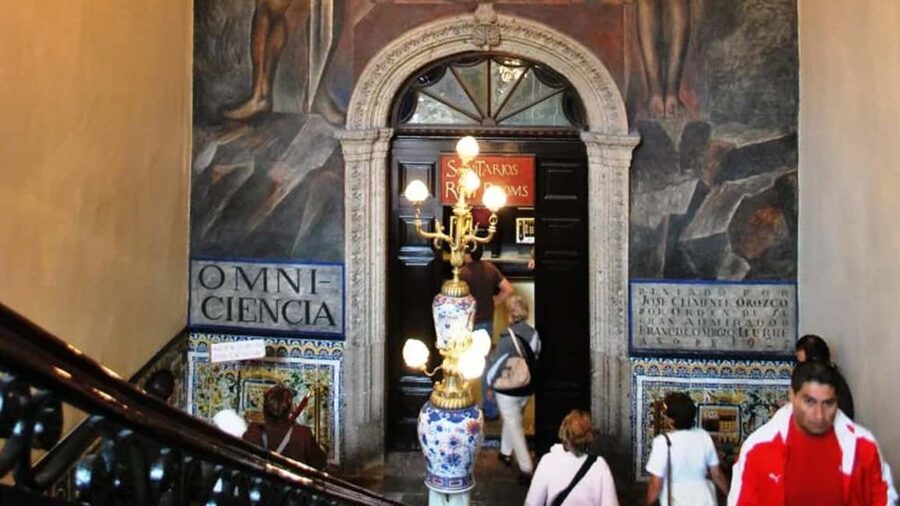
The next stop is Casa de los Azulejos, one of central Mexico City’s best-known buildings. You have about 20 minutes for photos, a visit, and the guide’s explanation.
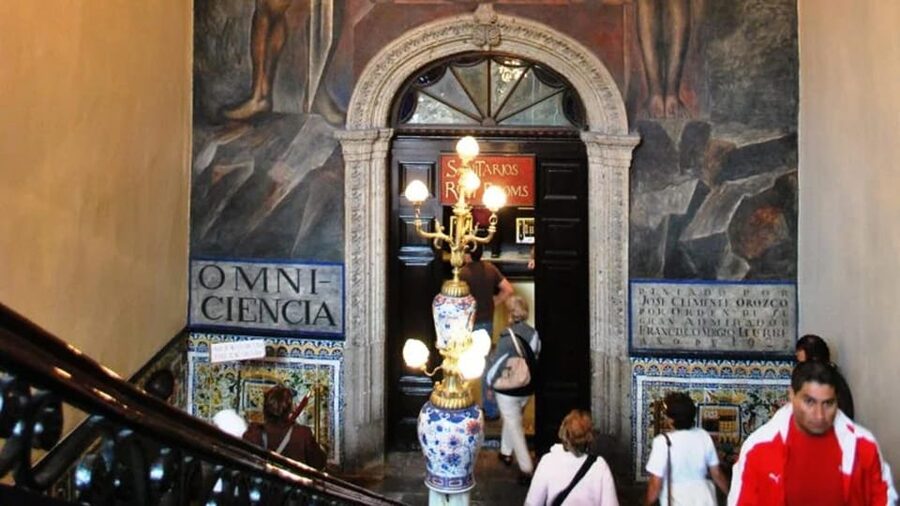
The appeal here is not just the blue-and-white tile facade. The building helps the tour shift from individual stories to the way gay men interpreted public spaces at the turn of the 20th century. Monuments, entrances, restaurants, shops, and restrooms could all take on meanings that were not written on any official plaque.
That is an important lesson for this kind of history. A place does not need to be labeled LGBTQ+ to have played a role in LGBTQ+ life. The guide’s job is to explain those connections without turning every old building into a claim it cannot support.
You will also hear about the old term cruising lizards, referring to gay men who sought encounters in the Historic Center during the 19th and 20th centuries. The language belongs to the period and may sound strange today, so listen for the social context rather than treating it as a modern label.
Pastelería Ideal and a door into censorship
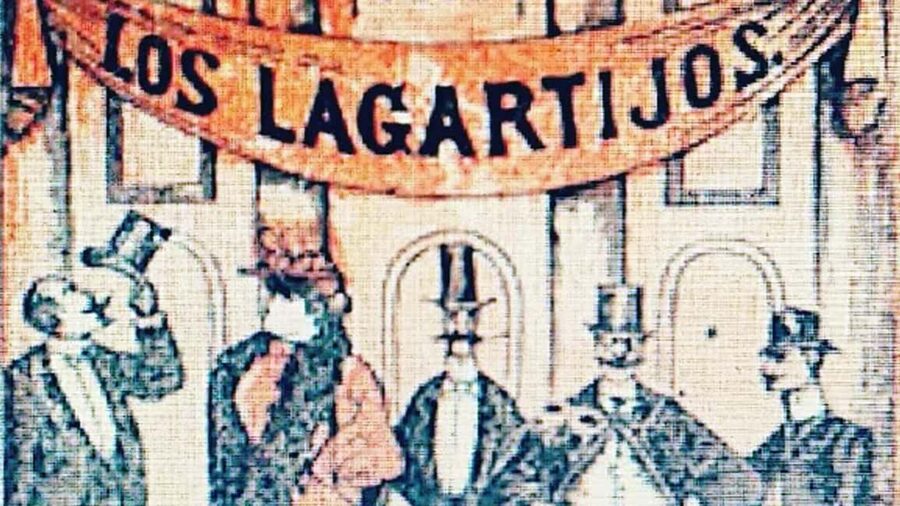
Pastelería Ideal is the third stop, with around 25 minutes set aside for a visit and explanation. The bakery is a useful reminder that historic buildings often have more than one life.
Here, you enter through a bakery into a former convent. The tour connects the site to the story of the favorite seminarist of the chief inquisitor, a detail that reveals how religion, power, secrecy, and male desire could overlap in Mexico City’s past.
The route also takes you to the former office of censorship against publications considered immoral. That stop helps explain why an experience like this is necessary. Official records and public institutions often preserved one version of the city while suppressing another.
You will not need to be a specialist in church or colonial history to follow the discussion. The guide links the building to the wider question of who had the power to define acceptable behavior. It is one of the more thought-provoking sections of the walk, though anyone seeking a purely light sightseeing tour may find the subject matter serious.
A completely different day out, same corner of Mexico City:
- Teotihuacan, Guadalupe Shrine & Tlatelolco Day Tour with Lunch
★ 5.0 · 11,603 reviews - Xochimilco, Coyoacan and Frida Kahlo with Optional Lunch
★ 4.5 · 7,320 reviews - Balloon flight + Breakfast in cave + Pyramids + Pick up CDMX.
★ 5.0 · 6,335 reviews - Teotihuacan pyramids morning or afternoon without tourist traps
★ 5.0 · 6,186 reviews
The Borcegui and the famous shoes of the 41
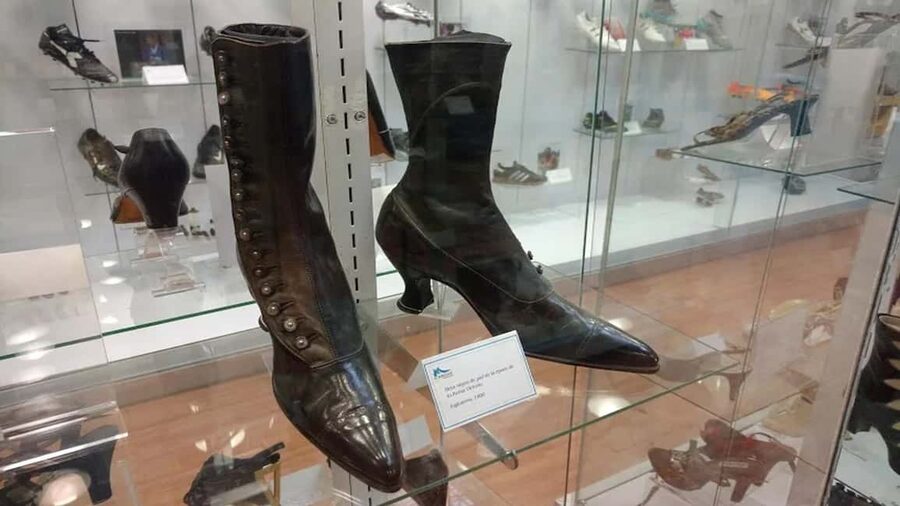
At the Footwear Museum, The Borcegui, the tour turns to one of the most recognizable episodes in Mexican LGBTQ+ history. Allow about 20 minutes for this stop.
You see replicas of high-heel shoes associated with the cross-dressing ball known as the 41 in 1901. The event became famous because authorities raided a gathering of men, many dressed in women’s clothing. The number 41 became a lasting reference in Mexican public culture, and the story still carries weight because it shows how the state and the press could expose and shame people for their private lives.
The shoes make the story tangible. Instead of hearing only a date and a name, you see an object linked to performance, clothing, and public fear. The tour uses the display to discuss how cross-dressing and male same-sex relationships were viewed at the time.
This is also where the guide can separate myth from memory. A good explanation matters, since stories surrounding the 41 have been retold for generations. Carlos, one of the guides associated with the experience, received especially strong praise for presenting this period clearly and accurately. You should expect a storyteller who explains how each site fits into the larger picture, not a guide who simply recites dates.
Walking Madero Street and its forgotten venues
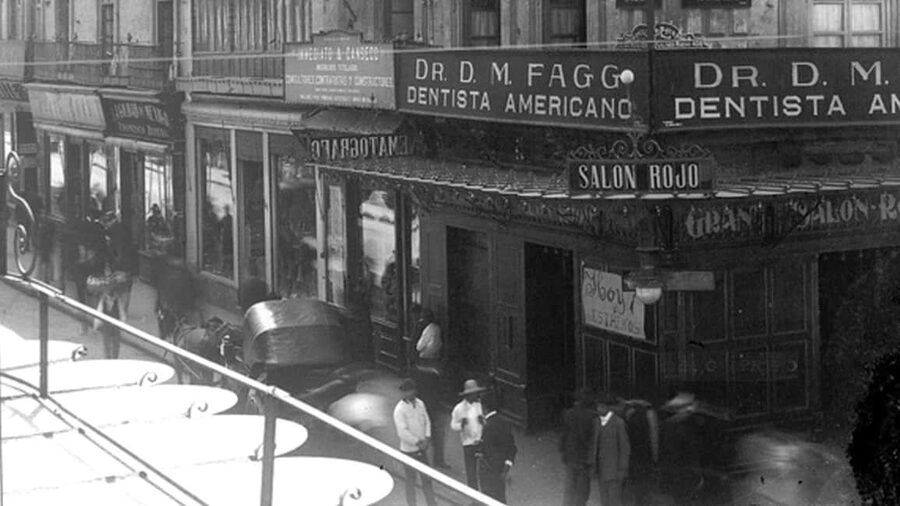
The longest single section takes place on Avenida Francisco I. Madero, with about 45 minutes devoted to stops, photos, and commentary. Madero is now one of the defining pedestrian streets in the Historic Center, but the tour asks you to picture its earlier roles.
Along the avenue, you pass the site of the first pornographic cinema, the first bathhouse, and the office associated with Dr. Fagg. These references can be blunt, and the tour deals with adult themes. They are included because they show how commercial entertainment, private bathing, medical language, and public morality shaped gay life in the city.
You also walk past one of the last remaining gay cinemas. The point is not simply to admire an old facade. It is to consider how cinemas could serve as meeting places, especially when other public spaces were unsafe or unavailable.
The guide also explains the Pools’ Circuit Trolley and the bathhouses along the route. These details show how people created patterns of movement through the city. A public space might be ordinary to one person and highly significant to another.
Madero is busy, so keep your attention on the guide and the group. The central location is convenient, but it also means crowds, street noise, and frequent pauses. Comfortable shoes are essential, and sunglasses, a hat, and sunscreen are sensible in the open sections.
La Casa del Pavo and the backstage door of a theater
La Casa del Pavo receives another 45-minute section. Here, the tour focuses on the old National Theatre and the backstage door where gay men met in a bar.
That detail carries unusual importance. The bar helped bring people together and contributed to the growth of what became the largest LGBTQ+ community in the country. It is a story about social networks rather than a single famous person. A doorway, a bar, and a theater could provide the connection needed for a community to form.
I like this part because it moves beyond the idea that LGBTQ+ history is only about repression or scandal. The tour also shows organization, friendship, pleasure, and the search for company. Those everyday parts of community life are easy to lose when history focuses only on arrests, raids, or censorship.
The setting also makes the point that theater culture mattered. Backstage areas, performers, workers, and audiences created spaces where different forms of identity could be seen and discussed. The guide connects those local details to the later movement of the community during the 1950s.
The Palace of the Countship and public restrooms
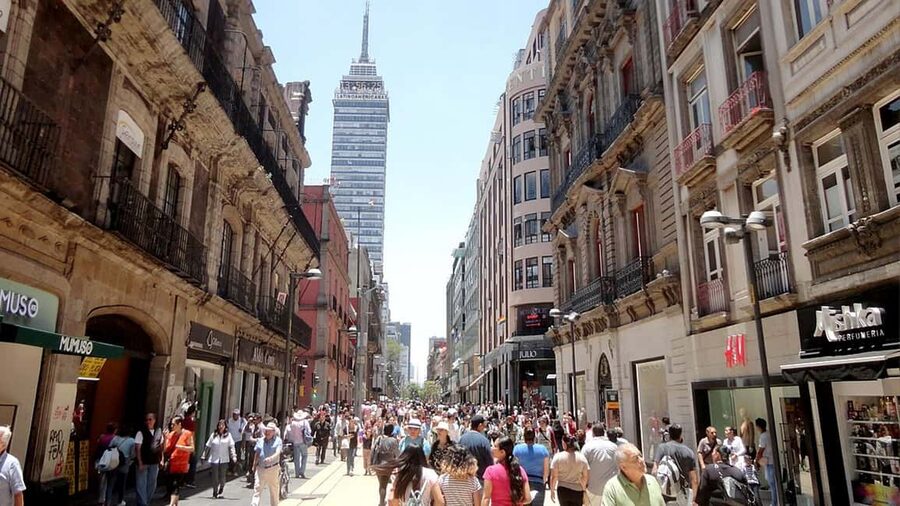
The Banamex Culture Palace is the final major stop, with about 30 minutes for a guided visit and photos. The building itself is described as a jewel, but the LGBTQ+ story here is more unexpected.
The palace still has restrooms that became famous across the country through a store chain. The tour explains why these were considered especially popular cruising spaces. This is a useful example of how ordinary facilities could gain a coded reputation, even when the surrounding institution had no LGBTQ+ purpose.
This section may be more interesting to you if you enjoy social history. The subject is not grand architecture alone. It is the way people read a city and found opportunities for connection inside places designed for entirely different reasons.
The guide also returns to the interpretation of monuments and sites by gay men around the turn of the 20th century. That idea ties together several earlier stops. The city had an official face, but residents could give its corners a private meaning.
Finishing at the Estanquillo Museum
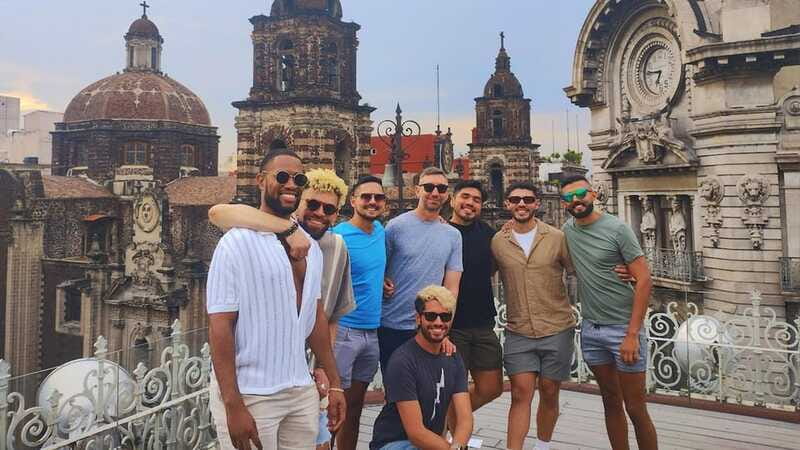
The walk ends at the Estanquillo Museum. No extended museum visit is specified as part of the final stop, so think of it as the point where the route wraps up rather than a full final exhibition tour.
The ending works well geographically. You have moved through a compact part of the Historic Center and finished near another cultural institution. From here, you can continue exploring on your own, though the tour’s main work is already done: it has taught you to read the streets differently.
The digital LGBTQ+-focused map is especially useful after the walk. You also receive videos, sources, and other material to enjoy later. That follow-up content improves the value of the $79 price, since you are not paying only for three and a half hours of commentary. You are also getting a tool for continuing the subject at your own pace.
Is $79 a fair price?
At $79 per person, this is not a bargain-priced general city walk. You are paying for a specialist subject, an English-speaking guide, museum-related visits, and a route built around connections that would be difficult to spot on your own.
The price makes more sense if LGBTQ+ history is a key reason you are visiting Mexico City, or if you have already seen the major central sights and want a different way to understand them. The digital map and extra sources add lasting value.
It is less compelling if you want a fast overview of Mexico City’s architecture, food, or major landmarks. The tour spends time on historical interpretation, adult subjects, censorship, and coded social behavior. Those topics are the point, but they will not suit every schedule or interest.
The small sample of published feedback points to the same strengths I see in the description: storytelling and clear explanations. One verified booking from Japan praised the leader’s storytelling and the fun of seeing the city through a gay historical lens. Another, from Mexico, singled out Carlos for accurate, understandable explanations and his willingness to share information. Those are the qualities that matter most on a tour like this.
Who should book this experience?
I would recommend it to adults who want to connect Mexico City’s buildings with LGBTQ+ history, especially visitors interested in social history, queer history, theater, censorship, or the changing use of public space.
It also suits repeat visitors. If you have already walked Madero Street, this route gives familiar places a new meaning. You will recognize the facades, but you will pay closer attention to doors, restrooms, cinemas, theaters, and former institutions.
The tour is conducted in English, so you should be comfortable listening to historical explanations for several hours. It involves significant walking and is not suitable for people with mobility impairments. Children under 18 cannot join.
Book it if you want a focused, adult history walk with a strong guide at the center. Skip it if you prefer a short, light introduction to downtown or if long periods on foot are difficult.
Practical details before you go
Wear comfortable walking shoes. The route includes city streets and several visits, and the three-and-a-half-hour duration leaves little room for uncomfortable footwear.
Pack sunglasses, a sun hat, and sunscreen. Be ready for changing weather, since parts of the experience take place outdoors. Photography is allowed, but use good judgment inside historic and cultural sites.
Food and drinks are not included, so eat beforehand or plan a stop afterward. The meeting point is outside the MIDE Museum’s main entrance at C. de Tacuba 17, one block from Allende Metro station.
You can cancel up to 24 hours before the start for a full refund. A reserve-now, pay-later option is also available, which helps if your Mexico City plans are still shifting.
Should you book Mexico City: Gay Tales?
Book this tour if you want to see the Historic Center through stories that official city tours often leave out. The route is compact but packed with material, from the 41 ball and the military colonel to old cinemas, bathhouses, censorship offices, and coded public spaces.
The strongest reason to go is the guide. Carlos has been praised for clear, accurate storytelling, and that skill is crucial here. The buildings alone will not explain their LGBTQ+ connections.
At $79, it is best treated as a specialist cultural experience rather than a cheap sightseeing walk. For adults who value LGBTQ+ history and do not mind a serious, lengthy walk, it offers a thoughtful way to understand central Mexico City. For everyone else, the price and subject may be harder to justify.
FAQ
How long does the Mexico City: Gay Tales tour last?
The tour lasts three and a half hours.
What language is the tour conducted in?
The live tour guide conducts the experience in English.
Where does the tour begin?
The meeting point is outside the main entrance to the MIDE Museum, curbside, at C. de Tacuba 17. It is one block from Allende Metro station in Mexico City’s Historic Center.
Where does the tour finish?
The tour finishes at the Estanquillo Museum.
What is included in the experience?
The price includes the walking tour, a guide, a digital LGBTQ+-focused map of the Historic Center, and a collection of videos, sources, and resources for later use.
Are food and drinks included?
No. Food and drinks are not included.
Is the tour suitable for children?
No. The experience is not suitable for children under 18.
Is the route suitable for people with mobility impairments?
No. The tour involves significant walking and is not suitable for people with mobility impairments.
What should I bring?
Bring comfortable shoes, sunglasses, a sun hat, and sunscreen. Be prepared for changing weather conditions. Photography is allowed, with respect for the sites and their history.
Just added around Mexico City
- Ticket to Frida Kahlo Museum (Blue House)★ 5.0 · 3 reviews
- Valle de Bravo: Forest Hiking Adventure★ 4.4 · 3 reviews
- La Roma Private Art Tour★ 5.0 · 3 reviews
- Private Transportation: Pickup and Drop-Off★ 5.0 · 3 reviews
- Chapultepec Castle and Anthropology Tour, starting from CDMX★ 5.0 · 3 reviews
- Mexico City: Relaxing or Decontracting Massage Experience★ 5.0 · 3 reviews
- Grutas de Tulantongo★ 3.0 · 3 reviews
- Mexico City: Local Walking Tour with Mezcal & Wrestling Show★ 5.0 · 3 reviews