
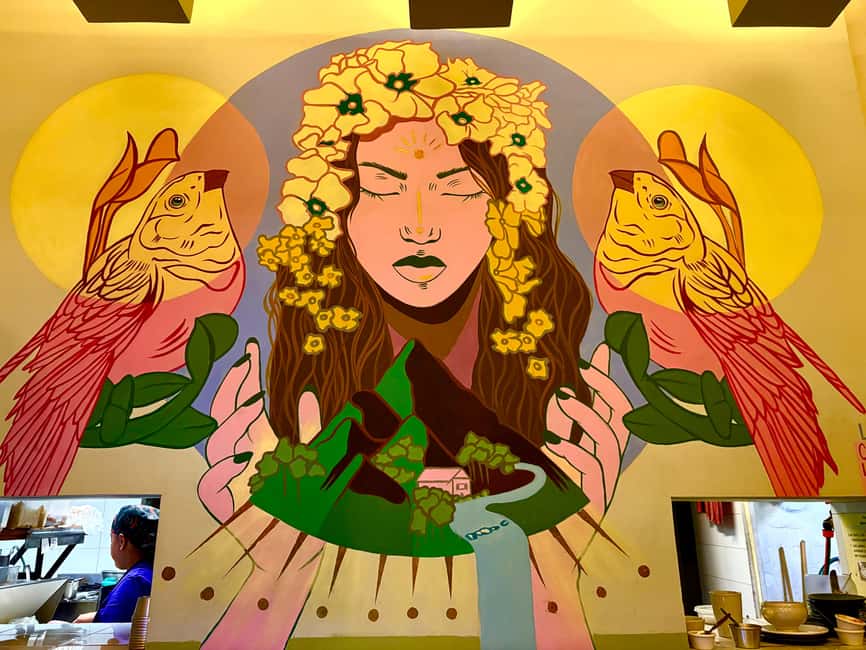
Reviewed · ROMA & CONDESA NEIGHBOURHOOD TOURS
Mexico City: Roma and Condesa Neighborhoods Walking Tour
Mexico City’s Roma and Condesa neighborhoods are best understood on foot, one leafy avenue, old mansion, coffee shop, market stall, and small gallery at a time. This tour gives you a useful introduction to the city’s most fashionable districts without reducing them to a list of photo stops. The local feel is the main attraction.
I like the way the route mixes architecture with everyday life, especially markets, bakeries, parks, bookstores, vinyl shops, and community spaces such as Huerto Roma Verde. I also like the guides’ flexibility. Laila, Jorge, David, and Desiree have adjusted walks around food interests, art, music, and shopping.
The main drawback is simple: this is a serious walking tour. One person covered about six miles, and the three-hour schedule can run longer when the guide adds food stops or extra places. Bring good shoes and do not book it if you want a short, tightly timed stroll.
In This Review
- Key things to know before you book
- Starting at Centro Cultural Bella Época
- Roma and Condesa through architecture and street life
- Mexico Park: a green pause in Condesa
- Markets, community spaces, and everyday Mexico City
- Río de Janeiro Plaza and the final stretch
- What the three-hour format really means
- The guides make the biggest difference
- Is $58 a fair price?
- Who should book this neighborhood walk?
- Should you book the Roma and Condesa walking tour?
- FAQ
- How long does the Roma and Condesa walking tour last?
- Where does the tour meet?
- Which neighborhoods does the tour visit?
- What languages are available?
- Are food and drinks included?
- Does the tour include transportation?
- Is the tour wheelchair accessible?
- What should I bring?
Key things to know before you book
- Expect a neighborhood orientation, not a landmark checklist: The tour explains how Roma and Condesa work, from parks and cafés to markets, galleries, and nightlife.
- Plan for plenty of walking: The official duration is three hours, but the route can cover several miles and may last longer with an enthusiastic guide.
- Food advice is part of the value: Guides can point you toward tacos, churros, bakeries, ice cream, vegetarian and vegan choices, and higher-end restaurants.
- The route can follow your interests: You may spend more time with art, architecture, local food, music, shops, or community spaces.
- Mexico Park and Río de Janeiro Plaza anchor the walk: These named stops add green space, architecture, and a sense of how the districts are laid out.
- You pay for the guide, not the extras: The $58 price includes the walk and recommendations, but meals, drinks, transport, and personal purchases cost extra.
Starting at Centro Cultural Bella Época
The meeting point is outside Centro Cultural Bella Época. This is a sensible place to begin because you start in a cultural setting rather than at a generic street corner. From there, the guide leads you into Roma and Condesa, two adjacent districts with different moods but plenty of overlap.
Your guide may be Laila or Leila, Jorge, David, Desiree, or Dessiree, depending on the day. The supplied information lists Spanish, English, French, and German as available languages. The strongest part of the guiding style is the personal welcome. Several guides have asked what you want to see before setting out, then adjusted the route to suit those interests.
That matters in a neighborhood tour. Roma and Condesa can easily become a long parade of attractive cafés and restored buildings. A good guide gives those places meaning, then helps you decide which ones are worth returning to later. You might say you care most about coffee, Mexican design, art, music, or food, and the route can lean in that direction.
The tour is listed as wheelchair accessible, though you should still confirm the day’s exact route if accessibility is especially important to you. Streets, markets, and individual businesses can vary.
More Roma and Condesa neighbourhood walks:
- Polanco Food Tour: The Bestselling Food Adventure in Mexico City
★ 5.0 · 881 reviews - Colonia Roma Food Tour
★ 5.0 · 838 reviews - Mexico City: 3–Hour Polanco Food Tour
★ 4.9 · 101 reviews
Roma and Condesa through architecture and street life
The first part of the walk includes several short visits of about 10, 15, and 15 minutes. The exact sites are not named in the schedule, and that is worth knowing. You are not being promised a fixed set of famous buildings. Instead, these early stops appear designed to introduce the neighborhoods through selected architecture, shops, galleries, or local spaces.
The guide’s explanation is more useful than a quick photograph. You learn how the districts combine older architecture with newer restaurants, design stores, art spaces, and residential streets. This is also where you can begin asking practical questions: where to eat near your hotel, which streets are good for an evening walk, or where to find a bakery or café in the morning.
The districts are often described as chic and fashionable, but the tour does not limit itself to expensive places. You may pass traditional markets, street art, independent bookstores, Mexican jewelry and fashion shops, antiques, and shops selling records or interiors. That mix helps you see why Roma and Condesa appeal to both residents and visitors.
I would pay close attention to the guide’s comments about places that are easy to miss. The best discoveries here are often low-profile galleries, small food counters, or a community project tucked behind an unassuming entrance. You may not remember every building, but you will leave with a better map of where to return.
Mexico Park: a green pause in Condesa
Mexico Park receives about 20 minutes on the listed route. It is an important stop because it gives the walk breathing room after the denser streets and commercial activity. The park helps explain Condesa’s appeal: tree-lined paths, open space, and a place where the neighborhood’s polished side meets ordinary daily life.
Your guide can place the park within the wider story of Roma and Condesa, while pointing out nearby restaurants, cafés, and streets worth exploring later. This is also a good moment to take photos without treating the entire tour as a photo session.
Do not expect a long rest break. Twenty minutes passes quickly, and the walk continues. If you have limited mobility, need frequent pauses, or are traveling with young children, tell the guide at the start. The overall pace has been flexible for some bookings, but the route still involves moving through large sections of the neighborhoods.
Markets, community spaces, and everyday Mexico City
A later 30-minute visit gives the tour room to slow down. This may be where markets, food stops, or special local places receive more attention. The schedule leaves this section open, so the exact experience can change with the day, the guide, and your interests.
Markets are one of the most useful parts of the walk. They give you a chance to see ordinary shopping and local food beyond the polished restaurant scene. You might encounter fruit, snacks, prepared food, crafts, or seasonal items. One guide introduced guests to indigenous fruits, while another included a weekend fair and churros.
Huerto Roma Verde is another especially worthwhile possibility. It is described as a community space with a market area, community garden, and other activities. A stop there gives you a different view of Roma, one based on community work and environmental projects rather than coffee and design shops.
Food is often woven into this part of the route, but meals are not included. You may choose to buy churros, hot chocolate, tacos, ice cream, or something else along the way. Churrería El Moro has appeared as a stop, and one evening route included a restaurant where a grasshopper dish was available. These purchases are optional, so budget extra if you want to taste as you walk.
More walking tours in Mexico City:
- Historic Downtown Walking Tour
★ 5.0 · 1,289 reviews - Mexico City: Historic Downtown Walking Tour
★ 4.8 · 1,039 reviews - Frida Kahlo VIP [Museum Tickets Included] Walk, Markets & Churros
★ 5.0 · 982 reviews - Walking Tour of the Historic Center of Mexico City
★ 5.0 · 870 reviews
Río de Janeiro Plaza and the final stretch
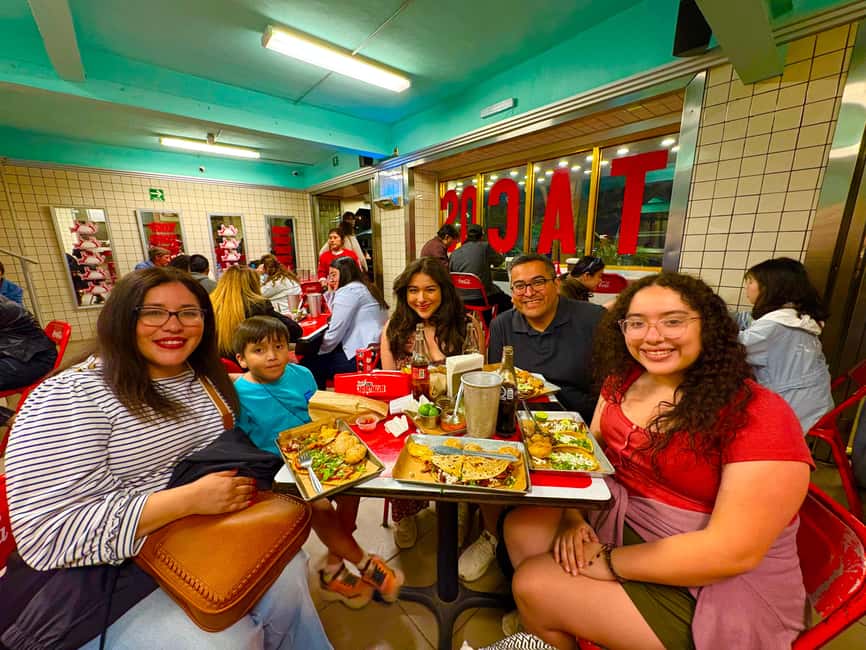
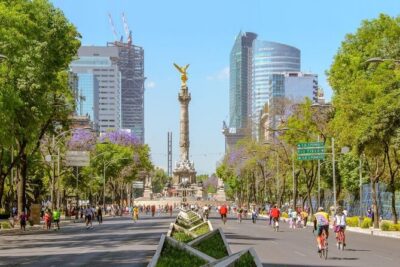
Río de Janeiro Plaza receives about 20 minutes. Like Mexico Park, it works as both a destination and a reference point for understanding Roma. The plaza offers another chance to pause, take in the surrounding buildings, and ask the guide what to explore next.
The final section is less about checking off a monument and more about tying the neighborhood together. By this point, you have seen how parks, markets, restaurants, galleries, shops, and residential streets sit close to one another. The guide can point you toward places for the rest of your day, from a quiet lunch to a livelier evening.
The tour includes recommendations for vegetarian, vegan, and haute cuisine restaurants, as well as bakeries, cafés, bars, and nightlife. You also get suggestions related to music, records, Mexican design, jewelry, fashion, and art. If you want a restaurant booking or a specific shop, ask early rather than waiting until the last few minutes.
What the three-hour format really means
The official duration is three hours, with starting times depending on availability. In practice, timing can be loose. One booking lasted about two hours, another about four, and one person reported walking roughly six miles in two hours. These differences suggest that the experience depends heavily on the route and the guide.
That flexibility can be a strength. Laila has spent extra time with guests and adapted routes around a bakery, a restaurant, or a particular interest. Jorge has also extended a walk beyond the stated length. If you enjoy an unhurried neighborhood visit, this personal approach is a plus.
It can also be a weakness if you have tickets for something else. I would leave a generous buffer after the scheduled finish, especially if you hope to stop for food or the group becomes interested in a gallery or market. Wear comfortable walking shoes, carry water in a reusable bottle, and dress for changing weather. Mexico City conditions can shift during the day, and much of the experience takes place outdoors.
Transport to and from Roma and Condesa is not included. You need to reach the meeting point outside Centro Cultural Bella Época yourself, and you pay for any onward transport.
The guides make the biggest difference
The most praised part of this experience is the guiding. Laila and Leila are described as warm, flexible, and attentive to personal interests. Jorge is noted for arriving early, explaining the neighborhoods clearly, and speaking very good English. David is praised for keeping the walk entertaining while discussing architecture, culture, and local life. Desiree and Dessiree are also described as friendly guides who help the route feel personal.
That consistency matters more than a long list of stops. Roma and Condesa are easy enough to walk through on your own, but harder to understand quickly. A guide can help you distinguish a place worth returning to from a place that simply looks good in a photograph.
The experience seems especially strong for first-time visitors staying in or near these neighborhoods. You can use the walk to build a three-day food list, find a morning coffee stop, locate music and nightlife, or decide which galleries and parks deserve another visit. It is also useful if you are already staying locally but feel unsure where the districts begin and end.
Do keep expectations realistic. The route is personal and may change, so you should not assume you will visit every shop, gallery, market, or restaurant named in the general description. Ask for your priorities at the start, and you will have a better chance of shaping the time around them.
Is $58 a fair price?
At $58 per person, this is not the cheapest way to walk around Roma and Condesa. You can explore the streets and parks without paying an admission fee. The price makes more sense if you value a local guide, language support, tailored recommendations, and a fast introduction to a large area.
You are also paying for saved time. Finding a good bakery, a worthwhile gallery, a pleasant park route, and food places that suit your diet can take several days of trial and error. A guide can give you that working knowledge in one outing.
The value is lower if you already know Roma and Condesa well, dislike walking several miles, or plan to spend the entire day inside restaurants and shops on your own. Remember that food and drinks are extra. A few snacks can be inexpensive, but a restaurant meal or shopping stop will raise the day’s total.
Free cancellation up to 24 hours before the tour and a reserve-now, pay-later option make the booking less rigid. Starting times vary, so check the available schedule before planning the rest of your day.
Who should book this neighborhood walk?
I would choose this tour if you are visiting Mexico City for the first time, staying in Roma or Condesa, or want practical local advice more than formal sightseeing. It suits curious walkers who enjoy architecture, food, art, independent shops, markets, and unscripted discoveries.
It is also a good choice for couples, solo visitors, and small groups with different interests. The guide can help balance one person’s love of restaurants with another’s interest in galleries, parks, records, or Mexican design.
I would hesitate if you need a fixed itinerary, a short distance, or a guaranteed list of named attractions. The walk is flexible, and that means the exact stops can change. Since meals are not included, it is best to think of this as an orientation with optional tasting, not a food tour.
Should you book the Roma and Condesa walking tour?
Book it if you want to get your bearings fast and then spend the rest of your Mexico City visit returning to places that caught your attention. The combination of markets, Mexico Park, Río de Janeiro Plaza, art spaces, bakeries, community projects, and food advice gives you a useful feel for both neighborhoods.
The strongest reason to go is the guide’s personal knowledge and willingness to adjust the route. The strongest reason to skip it is the walking distance and uncertain finish time. For most visitors who can walk comfortably and have room in their schedule, $58 buys a helpful local introduction rather than just three hours of sightseeing.
FAQ
How long does the Roma and Condesa walking tour last?
The advertised duration is three hours. Actual tours can be shorter or longer depending on the route, guide, and stops, so leave extra time afterward.
Where does the tour meet?
The meeting point is outside Centro Cultural Bella Época.
Which neighborhoods does the tour visit?
The walk visits Roma and Condesa in Mexico City, including stops such as Mexico Park and Río de Janeiro Plaza.
What languages are available?
Guided tours are available in Spanish, English, French, and German.
Are food and drinks included?
No. Meals and beverages are not included, so you pay separately for churros, hot chocolate, tacos, restaurant meals, or other purchases.
Does the tour include transportation?
No. Transportation to and from the neighborhoods is not included.
Is the tour wheelchair accessible?
Yes, the activity is listed as wheelchair accessible. Since routes and stops can vary, confirm the specific route if you have accessibility needs.
What should I bring?
Wear comfortable walking shoes, bring a reusable water bottle and camera, and dress for the weather. Conditions can vary during the day.
Just added around Mexico City
- Mexico City: Hop-on Hop-off City Tour by Turibus 2-Day Pass★ 4.0 · 10 reviews
- Anthropology Museum, Chapultepec Castle & Cable Car Tour★ 4.5 · 10 reviews
- Multi-Variety Mole Class in a Condesa home or art gallery rooftop★ 5.0 · 10 reviews
- PRIVATE TOUR Colonial Town Taxco and Cuernavaca from CDMX.★ 5.0 · 10 reviews
- El Centro Street Food Walking Tour★ 5.0 · 10 reviews
- Private Round-Trip Transportation to Teotihuacan Pyramids★ 5.0 · 10 reviews
- Teotihuacan and My Grandma’s Food Tour★ 5.0 · 10 reviews
- Private Walking Tour Legends and Events Historic Center CDMX★ 4.8 · 10 reviews
Roma & Condesa Neighbourhood Tours, compared.
Polanco Food Tour: The Bestselling Food Adventure in Mexico City
Read our review →
Michelin Taco Bike Tour: Roma Norte & Condesa /All-Inclusive.
Read our review →
Roma & Condesa Private & Personalized Walking Tour
Read our review →
Cheerful Introduction Walking Tour in Roma, Condesa & Juarez
Read our review →Browse the lists this tour appears in