
Reviewed · PUEBLA & CHOLULA DAY TRIPS
Puebla Architecture Walking Tour
Puebla’s architecture tour packs a lot into three hours, from the cathedral’s soaring towers to the glittering Rosario Chapel and the crooked lanes of Sapos Alley. You get a useful introduction to the city’s many building styles without spending half the day in a vehicle.
I like the excellent mix of major sights and local corners, especially the Candy Street, artist neighborhoods, and Parian handcraft market. I also like the crossword: it gives you a reason to listen closely instead of simply following a guide from one doorway to the next.
The main drawback is the pace. With the cathedral, chapel, several neighborhoods, a market, and more than 5,000 catalogued historic buildings in the wider tour area, three hours can feel full. You will get an overview rather than a slow, detailed study of every stop.
In This Review
- Key points to know before you book
- Start at Puebla’s main square
- Look inside Puebla Cathedral
- See the gold-covered Rosario Chapel
- Follow Candy Street into Puebla’s sweet side
- Explore artist neighborhoods and Sapos Alley
- Browse the Parian handcraft market
- Solve the Puebla city crossword as you walk
- What the three-hour format means
- Is $59 a fair price?
- Who will enjoy this Puebla walk most?
- Should you book the Puebla Architecture Walking Tour?
- FAQ
- Where does the Puebla Architecture Walking Tour begin?
- How long does the tour last?
- What languages are available?
- Is the tour private?
- Is the tour wheelchair accessible?
- Are entrance fees included?
- Is transportation from my hotel included?
- Can I cancel for a refund?
Key points to know before you book
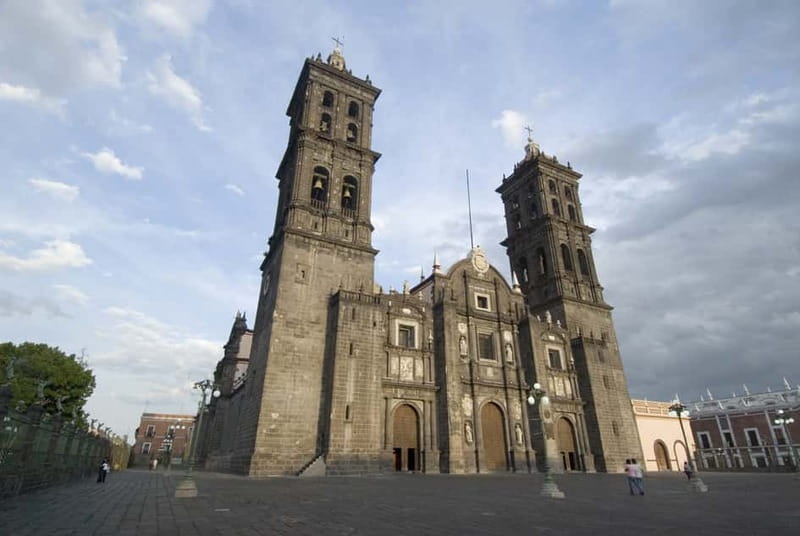
- The cathedral is the grand opening sight: See Puebla’s gilded cathedral, famous for its high towers and extensive interior art.
- Rosario Chapel brings Mexican Baroque to life: Gilded stucco fills this ornate chapel, once regarded as the eighth Wonder of the World.
- The route mixes famous sites with everyday streets: Candy Street, Sapos Alley, artist neighborhoods, and the Parian market give the walk local flavor.
- The crossword makes the tour more active: You solve clues using facts learned along the way, a nice touch for families and curious adults.
- You get a private three-hour tour: Spanish and English are available, and entrance fees are included in the $59 price.
- Guide quality matters here: Ronnie and Guadalupe are among the guides who have led the experience, with clear explanations and an open approach to questions.
Start at Puebla’s main square
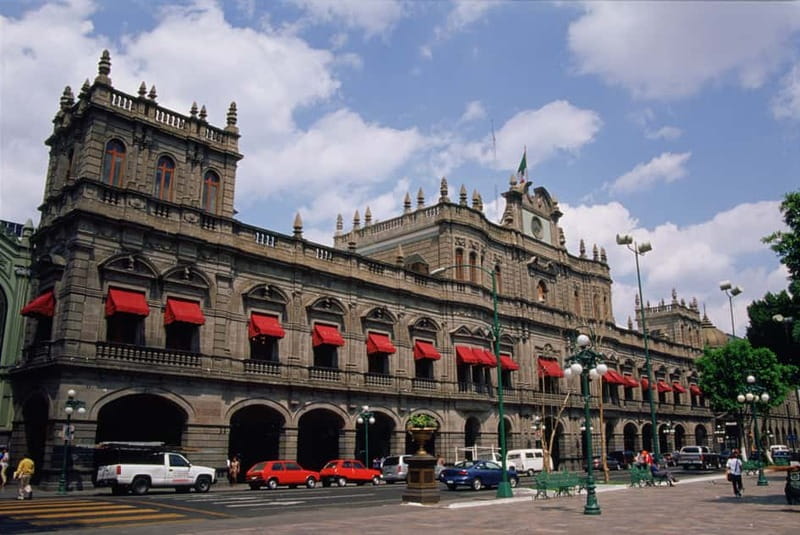
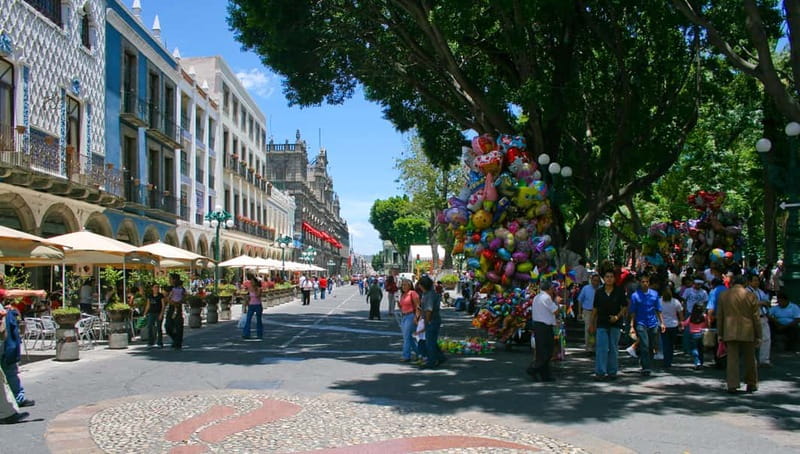
The walk begins at Av. Juan de Palafox y Mendoza 14, Portal Hidalgo. At the visitor center, look for the Tip Tours & DMC booth. This central meeting point is useful because you start in the heart of Puebla’s historic district, not at an outlying transport stop.
Your guide uses the main square as a first lesson in the city. From here, you begin to see why Puebla received UNESCO recognition as a Human Heritage City. The value of this opening is not just the square itself. It gives you a reference point for the streets, churches, and civic buildings that follow.
Expect the guide to explain the architectural styles and construction methods found across the center. The tour catalogue includes more than 5,000 buildings, so the point is not to memorize them all. Instead, you learn how to notice differences in façades, ornament, materials, and religious design as you walk.
That broad view suits a first visit. If you are already an architecture specialist, you may want a longer private conversation about individual buildings. For most people, though, the opening helps turn a pleasant walk into a readable city lesson.
More Puebla and Cholula day trips:
- Puebla, Cholula & Tonantzintla Day Trip with Optional Lunch
★ 4.5 · 1,702 reviews - From Mexico City: Puebla, Cholula and Tonantzintla Day Trip
★ 4.3 · 1,191 reviews - Puebla and Cholula Day Trip from Mexico City
★ 4.0 · 274 reviews
Look inside Puebla Cathedral
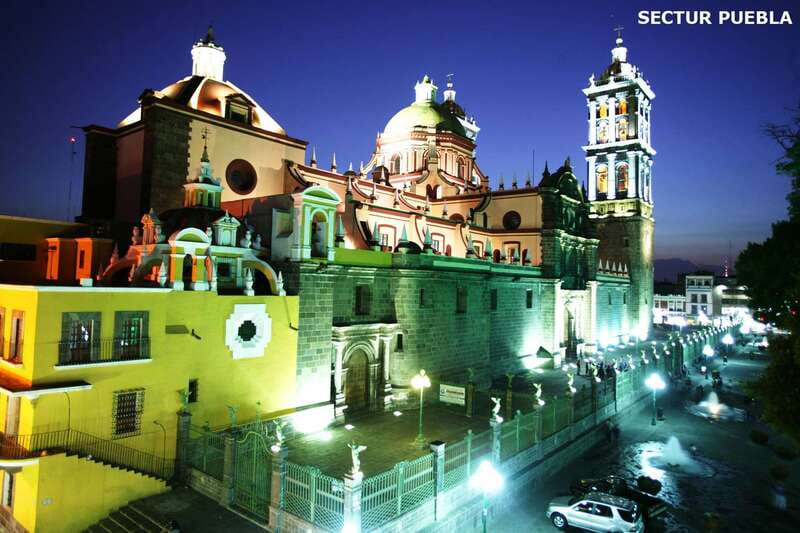
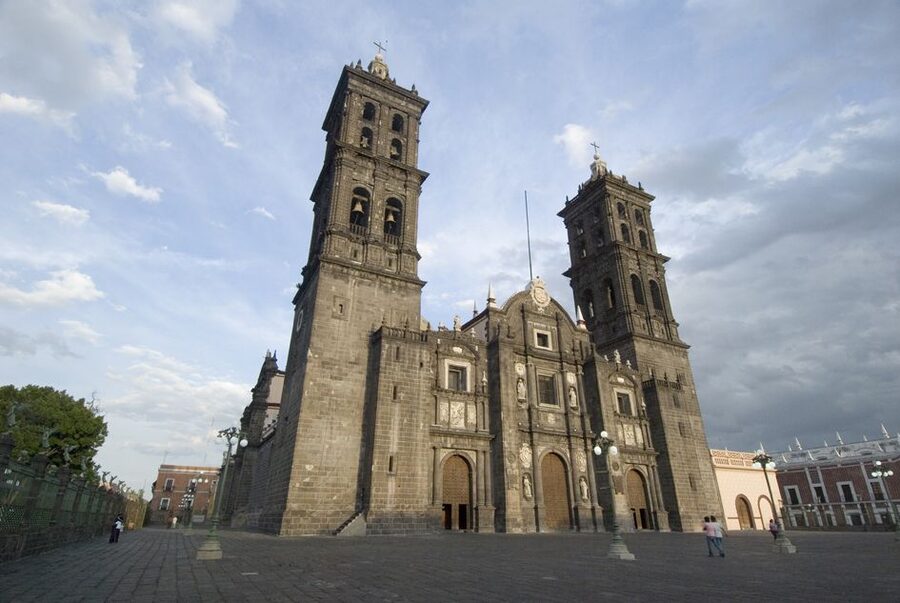
The cathedral is the tour’s largest set piece. Construction took more than 300 years, and the building contains a large collection of sculptural and pictorial work, along with gilded details that reward a close look.
The cathedral’s towers are described as the highest on the continent, a detail that gives the exterior real drama before you even enter. Inside, the guide helps connect the building’s scale with Puebla’s religious and artistic importance.
I would pay attention to the contrast between the solid exterior and the decorated interior. A quick photograph from outside cannot show the full effect of the artwork and ornament inside the temple. This is one of the stops where the entrance fee matters, since you are not just looking at a façade from the street.
The cathedral visit also gives the guide a chance to explain how a major religious building can reflect several periods of construction. Three centuries is a long time for any project. Styles and techniques can change during that span, and Puebla’s cathedral lets you see how a building can gather those changes rather than presenting one neat architectural moment.
Because the tour covers several sites afterward, do not expect an extended cathedral lecture. You will get the key facts and a guided look, then move on. If the cathedral is your main reason for visiting Puebla, allow yourself another visit later so you can study the interior at your own pace.
See the gold-covered Rosario Chapel
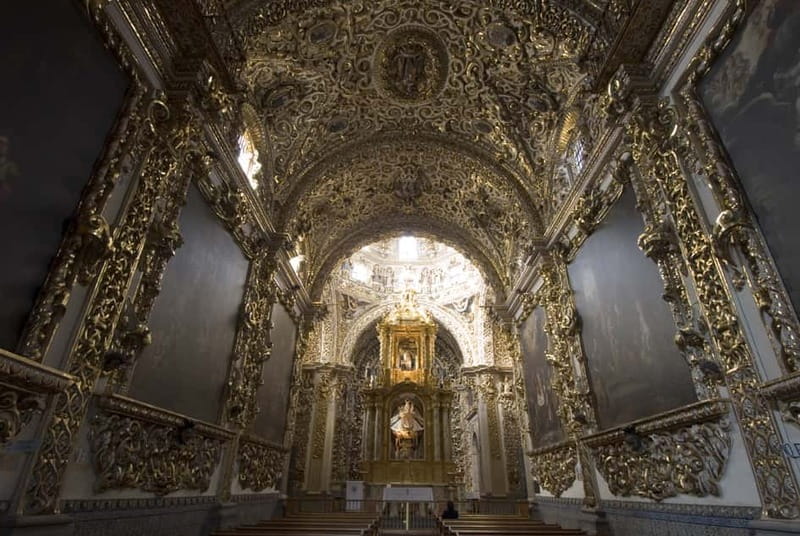
The next major religious stop is the Rosario Chapel, one of Puebla’s strongest examples of Mexican Baroque. Its gilded stucco gives the interior a glowing, almost theatrical appearance.
This is a small chapel with a large visual effect. Baroque design often aims to overwhelm the eye with ornament, movement, and detail. Here, the gilded surfaces and sculptural decoration show that style at full strength. The chapel was once regarded as the eighth Wonder of the World, which tells you how powerful its reputation has been.
Your guide’s role is especially useful here. Without explanation, you might simply see gold, figures, and elaborate decoration. With context, you can begin to understand how the chapel’s design worked as religious art, not just as lavish decoration.
The Rosario Chapel is also a good counterpoint to the cathedral. The cathedral impresses through height, scale, and long construction. The chapel works through concentration. One feels monumental; the other feels packed with detail.
This stop may be less comfortable for anyone who prefers open spaces or a quiet, uncluttered interior. The decoration is the point, but it can be visually intense. Give yourself time to look at the whole room first, then focus on small sections as your guide explains them.
Follow Candy Street into Puebla’s sweet side
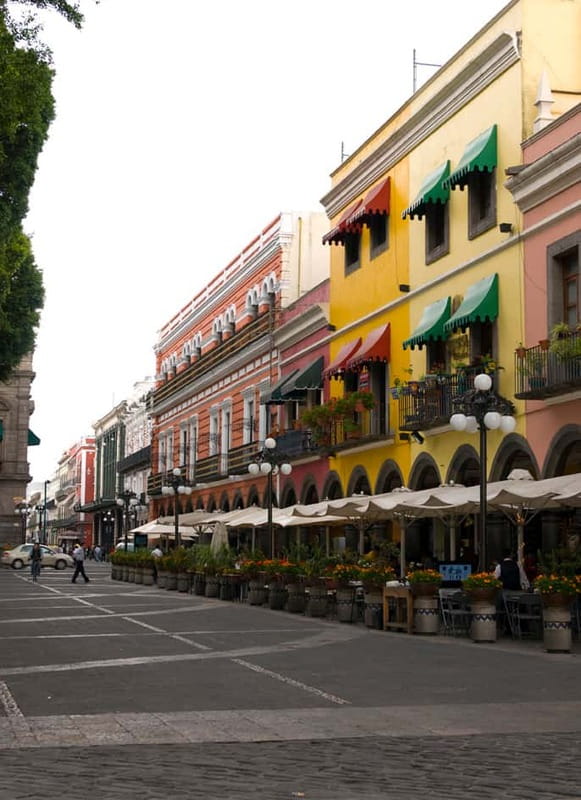
The route then leaves the biggest religious buildings and enters the more playful part of central Puebla. Candy Street is one of the city’s memorable named streets, and its presence adds a welcome change of mood after the formal cathedral and chapel.
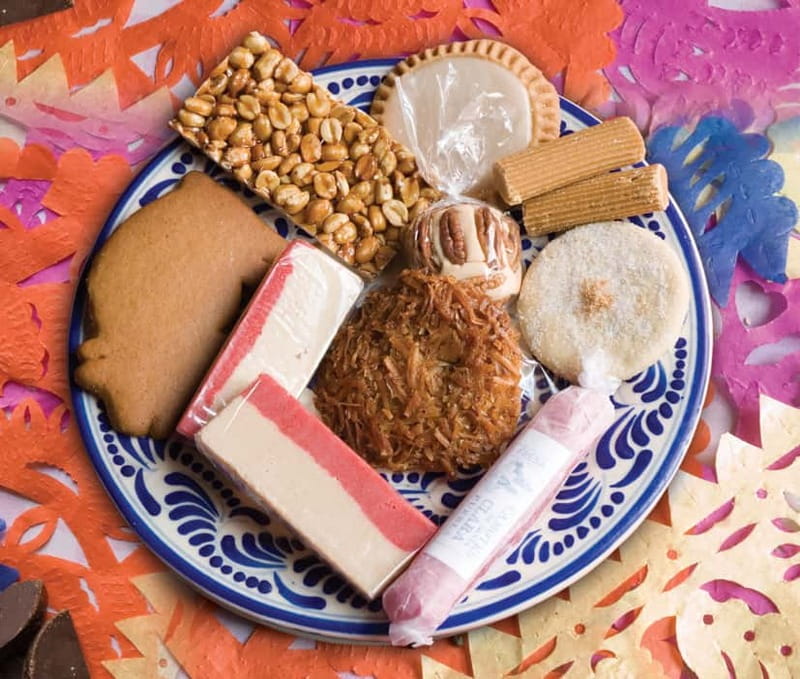
The supplied details do not promise a tasting session, so think of this as a street and neighborhood stop rather than a food tour. You will learn about the area as part of Puebla’s urban character, while the name itself points to the city’s long association with sweets and traditional shops.
This is where the walking format earns its keep. You move through the city at street level, seeing how the historic center works beyond its famous monuments. Doorways, façades, narrow passages, and shopfronts all become part of the lesson.
I like this section because it prevents the tour from becoming a procession of churches. Puebla’s architecture is not limited to grand religious sites. Smaller streets and commercial areas help you see how design fits ordinary city life.
More walking tours in Mexico City:
- Historic Downtown Walking Tour
★ 5.0 · 1,289 reviews - Mexico City: Historic Downtown Walking Tour
★ 4.8 · 1,039 reviews - Frida Kahlo VIP [Museum Tickets Included] Walk, Markets & Churros
★ 5.0 · 982 reviews - Walking Tour of the Historic Center of Mexico City
★ 5.0 · 870 reviews
Explore artist neighborhoods and Sapos Alley
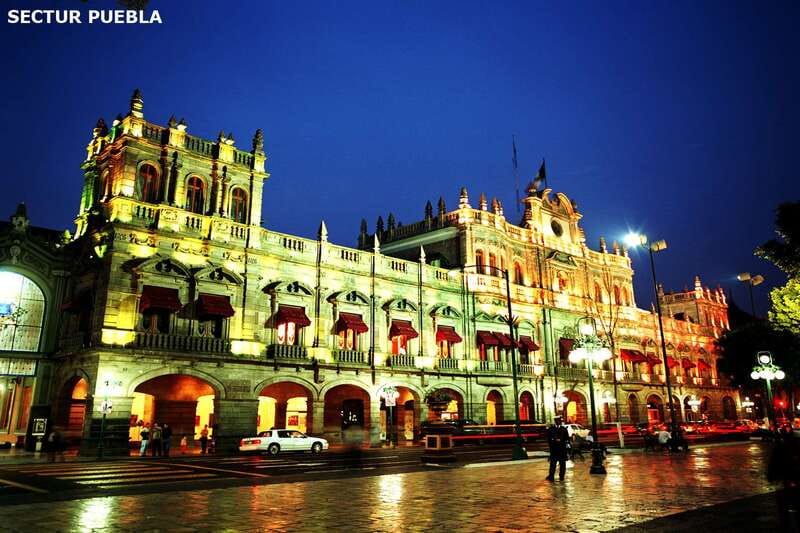
The walk continues through artist neighborhoods and Sapos Alley. These areas give you a different view of Puebla, with more intimate streets and a stronger sense of local character than the cathedral precinct.
Sapos Alley is known for its intricate, irregular feel. The name itself is distinctive, and the narrow route adds variety to the walk. Rather than simply pointing out a building and moving on, the guide can use the alley to show how a historic district is made of connected spaces: lanes, corners, façades, and small gathering places.
The artist neighborhoods also broaden the tour’s focus. You are not only studying old construction. You are seeing how older areas remain part of the city’s cultural life. The details provided do not specify individual artists or studios, so you should not expect a fixed gallery program. The value is in exploring the area and understanding its place within the historic center.
This portion may appeal most to you if you enjoy atmosphere and street detail. It may be less satisfying if you want a strict list of landmark interiors. The tour is designed to show a range of Puebla, not to spend every minute inside formal monuments.
Browse the Parian handcraft market
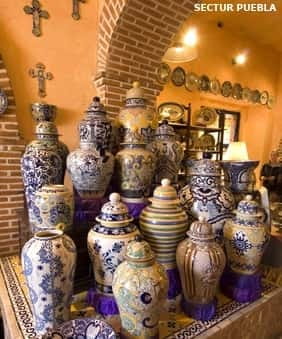
The Parian handcraft market adds another practical stop to the route. Markets help make a city easier to understand because they show how local design becomes something people buy, use, and take home.
The market is included as part of the walking experience, but shopping is not listed as a separate activity. You can look at the stalls, learn about the handcraft setting, and decide for yourself if anything deserves space in your luggage.
I would treat the Parian as a chance to pause and absorb the change from churches and historic façades to handmade goods. The tour does not promise a dedicated shopping period, so keep your expectations sensible. If you want to browse every stall or compare prices, you will likely need to return on your own.
That is not a weakness. A guided introduction can help you identify the market and understand where it fits in the city. You can then come back later, without a group waiting for you.
Solve the Puebla city crossword as you walk
The crossword is the tour’s most unusual feature. You use facts from the guide’s explanations to complete it as you walk through the historic center.
This small activity changes how you pay attention. Instead of hearing a name or date and letting it drift away, you have a reason to remember it. It also gives children and adults who like puzzles something to do between major stops.
The crossword should not be the main reason to book the tour, but it is a smart addition. A walking tour can sometimes blur into a stream of information. The puzzle creates a simple thread that links the cathedral, chapel, streets, and market.
You will need to listen carefully. The activity depends on information shared during the tour, so it is not just a handout to complete independently. If your group includes different ages or interests, the puzzle may help keep everyone involved.
What the three-hour format means
Three hours is enough time to see the main sights listed, but the schedule is clearly active. You move between religious buildings, streets, neighborhoods, and the market, with explanations along the way.
That makes this a good first look at Puebla rather than a full architectural study. I would choose it early in a Puebla visit, then return to the places that caught your attention. The cathedral, Rosario Chapel, and Parian market can all deserve more time than the group schedule allows.
The private group format improves the experience. You are not placed into a large public group, and the guide can respond to your questions more directly. Past guides have included Ronnie and Guadalupe. Ronnie has been praised for clear communication and a friendly manner, while Guadalupe has led an informative and enjoyable walk. Guide assignments can change, so treat those names as examples rather than a guarantee.
Spanish and English are offered. That matters because the tour depends on explanations, not just sightseeing. Ask questions as you go. The guide’s willingness to explain details is a central part of the value.
The walk is listed as wheelchair accessible, but the route includes historic streets, alleys, and several different sites. If you use a wheelchair, confirm the practical route details when booking, especially for narrow sections or access within individual buildings.
Is $59 a fair price?
At $59 per person, the tour is not the cheapest way to stroll around Puebla. You can see many exterior sights on your own for little or no cost. The price becomes easier to justify when you count the guide, entrance fees to the visited sites, private group format, and the three hours of organized interpretation.
The strongest value comes from the cathedral and Rosario Chapel. Paying separately for entry and trying to piece together the architecture on your own may save money, but it also means doing the research and managing the route yourself.
You are also paying for selection. Puebla has more than 5,000 buildings in the tour catalogue, and you cannot make sense of that many choices in one visit. A guide helps narrow the field to a route that includes major monuments and smaller areas.
I would call the price reasonable for a private introduction, especially if two or more people in your party want the same language and pace. Solo visitors on a tight budget may prefer a self-guided walk. Families, first-time visitors, and people who want context with their sightseeing are more likely to find the fee worthwhile.
Transportation from your hotel is not included. Plan your own way to Portal Hidalgo, and remember that insurance is also not part of the price.
Who will enjoy this Puebla walk most?
I would recommend the tour to you if you want a clear introduction to Puebla’s historic center and like moving between different kinds of sights. It suits visitors who want architecture explained in plain language rather than only photographed.
The private format works well for couples, families, and small groups with their own questions. The crossword gives children or puzzle fans an extra reason to stay involved, though the buildings and art remain the main attraction.
This is also a strong choice for anyone who wants both grand monuments and ordinary historic streets. The route does not stop at the cathedral. It includes Candy Street, artist neighborhoods, Sapos Alley, and the Parian market, so you get a broader sense of the center.
I would think twice if you want a slow, specialist-level study of one building. The route covers many stops in three hours. It is also less suitable if shopping is your main goal, since the market is part of a wider tour rather than a dedicated buying session.
Reservations must be made at least 24 hours before the tour date. You can cancel up to 24 hours in advance for a full refund, and the reserve-now, pay-later option lets you hold a place without paying immediately.
Should you book the Puebla Architecture Walking Tour?
Book it if you want a lively, well-organized first look at Puebla, with the cathedral and Rosario Chapel balanced by Candy Street, Sapos Alley, artist neighborhoods, and the Parian market. The crossword makes the learning more active, and the private format gives you room to ask questions.
Skip it if you prefer to wander alone, spend a long time inside one monument, or avoid a fairly full three-hour schedule. At $59, the tour makes the most sense when you value entrance fees, a bilingual guide, and a route that brings together Puebla’s major architecture and smaller streets.
For most first-time visitors, I would schedule it near the beginning of your stay. Use the tour to learn the city’s layout and identify the buildings you want to revisit. That way, three busy hours become a useful map for the rest of your time in Puebla.
FAQ
Where does the Puebla Architecture Walking Tour begin?
It begins at Av. Juan de Palafox y Mendoza 14, Portal Hidalgo. At the visitor center, find the Tip Tours & DMC booth.
How long does the tour last?
The tour lasts three hours.
What languages are available?
The tour is offered in Spanish and English.
Is the tour private?
Yes. The activity is arranged for a private group.
Is the tour wheelchair accessible?
Yes, it is listed as wheelchair accessible.
Are entrance fees included?
Yes. Entrance fees to the sites visited during the tour are included.
Is transportation from my hotel included?
No. Transportation from your hotel to the meeting point is not included.
Can I cancel for a refund?
You can cancel up to 24 hours before the tour for a full refund. Reservations must be made at least 24 hours before the tour date.
Just added around Mexico City
- Ticket to Frida Kahlo Museum (Blue House)★ 5.0 · 3 reviews
- Valle de Bravo: Forest Hiking Adventure★ 4.4 · 3 reviews
- Chapultepec Castle and Anthropology Tour, starting from CDMX★ 5.0 · 3 reviews
- La Roma Private Art Tour★ 5.0 · 3 reviews
- Private Transportation: Pickup and Drop-Off★ 5.0 · 3 reviews
- Mexico City: Relaxing or Decontracting Massage Experience★ 5.0 · 3 reviews
- Grutas de Tulantongo★ 3.0 · 3 reviews
- Mexico City: Local Walking Tour with Mezcal & Wrestling Show★ 5.0 · 3 reviews
Puebla & Cholula Day Trips, compared.
Puebla, Cholula & Tonantzintla Day Trip with Optional Lunch
Read our review →

From Puebla: Cholula and Atlixco Magical Towns Tour
Read our review →
Puebla: Cholula Magical Town Tour by Double-Decker Bus
Read our review →
Hiking Excursion to the Iztaccíhuatl Volcano from Puebla
Read our review →Browse the lists this tour appears in