
Reviewed · TEOTIHUACáN PYRAMID TOURS
Teotihuacan Adventure: Private Tour & Lunch from Mexico City
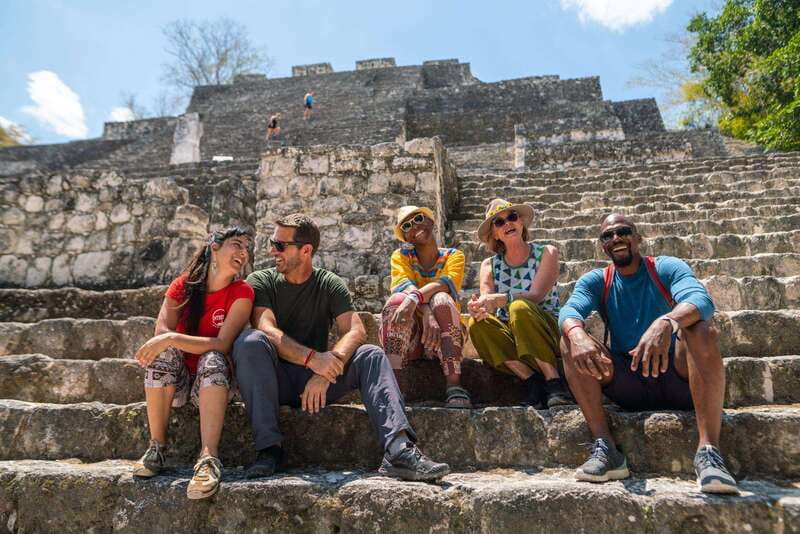
Teotihuacan is the star here, but the best part of this day is the way it links the pyramids with ordinary local life. You travel by public electric bus, walk the Avenue of the Dead, then sit down for cactus-based food at a family home rather than simply checking off an archaeological site.
I like the small private-group format, capped at 12 people, and I like the chance to learn how cactus is used in Mexican cooking. Guides such as Evelyn and Julio have helped make the day personal and informative. The main drawback is the long transport time and roughly 6 kilometers of walking, so this is not an easy outing.
In This Review
- Key points to know
- Why the public-bus route matters
- Starting at the House of Tiles
- The Moon Pyramid and Teotihuacan’s ceremonial center
- Walking the Calzada de los Muertos
- The Sun Pyramid from ground level
- A traditional village and two family projects
- What the food portion is really like
- Is $440 per person good value?
- The 7.5-hour schedule and its trade-offs
- Who should book this experience?
- Should you book the Teotihuacan Adventure?
- FAQ
- How long does the Teotihuacan tour last?
- Where does the tour start?
- Where does the tour finish?
- Is transportation included?
- Can I climb the pyramids?
- How much walking is involved?
- Are vegetarian, vegan, or gluten-free meals available?
- Are drinks included?
- How many people can join the private group?
- Is the Teotihuacan entrance fee included?
Key points to know
- Public electric buses connect the city and the pyramids: You get a more local, lower-impact ride, but the journey takes about 1.5 hours each way.
- The route covers both major pyramids: You begin at the Moon Pyramid, then walk the Calzada de los Muertos to the Sun Pyramid.
- A family meal is part of the cultural exchange: Expect traditional regional food and cactus products, not a polished restaurant setting.
- The tour is limited to 12 people: This gives you a better chance to ask questions and talk with your guide.
- You cannot climb the pyramids: Plan on viewing and walking around the monuments from ground level.
- Come ready to walk: Six kilometers in the sun can feel like a lot, especially after the long ride back.
Why the public-bus route matters
Many day trips from Mexico City treat Teotihuacan as a quick drive to a famous monument and a quick drive back. This outing takes a different path. You meet at the Casa de los Azulejos, the House of Tiles, in the Centro Histórico, then use local public transport for the journey toward the archaeological site.
That choice has two effects. First, it keeps the day connected to the city and its residents. You are not sealed inside a private coach from start to finish. Second, it adds time and a little uncertainty to the day. The bus ride takes about 1.5 hours each way, so three hours of the 7.5-hour schedule are spent in transit.
I see that trade-off as central to the tour. If you want the fastest possible route to Teotihuacan, a direct vehicle will be more efficient. If you like seeing how a city and its suburbs connect, and you value public transport and community-based tourism, the bus ride is part of the point.
The experience provider describes the buses as electric, giving the route an environmental angle. You are also supporting two sustainable family projects during the day. That does not turn the outing into a carbon-free excursion, but it does make the transport and local visits feel more purposeful than a standard coach tour.
More ways to reach the Teotihuacán pyramids:
- Teotihuacan, Guadalupe Shrine & Tlatelolco Day Tour with Lunch
★ 5.0 · 11,603 reviews - Teotihuacan pyramids morning or afternoon without tourist traps
★ 5.0 · 6,186 reviews - Teotihuacan Early Access Guided Tour with optional Lunch
★ 4.5 · 6,138 reviews
Starting at the House of Tiles
The Casa de los Azulejos is an easy-to-recognize meeting point on Avenida Francisco I. Madero 4. Its blue-and-white tiled exterior makes it one of the more memorable landmarks in central Mexico City, and the location is convenient if you are already exploring the historic center.
The tour finishes at Palacio de Bellas Artes, so you do not return to the original meeting point. That is useful if you plan to continue sightseeing in the center after the excursion. It also means you should think about where you want to be later in the day, rather than assuming you will end up beside your hotel.
The morning may include local markets and food samples before the pyramid visit. The food stops can be generous, with several tastings before lunch. I would keep breakfast light, since one of the strongest features of the day is the amount of food built into the experience.
This early food element gives the outing a local flavor, but it may also feel like a lot if you prefer to eat on your own schedule. Ask your guide what is coming before accepting every sample. You can enjoy the variety without arriving at the main meal already full.
The Moon Pyramid and Teotihuacan’s ceremonial center
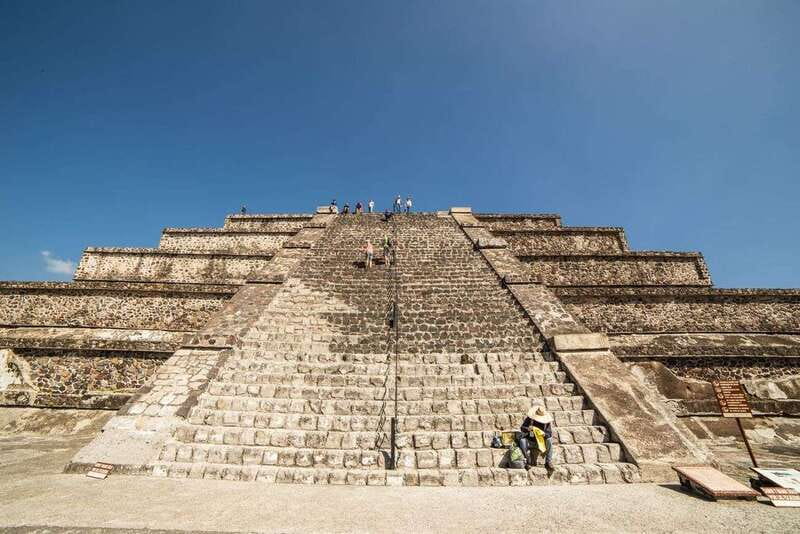
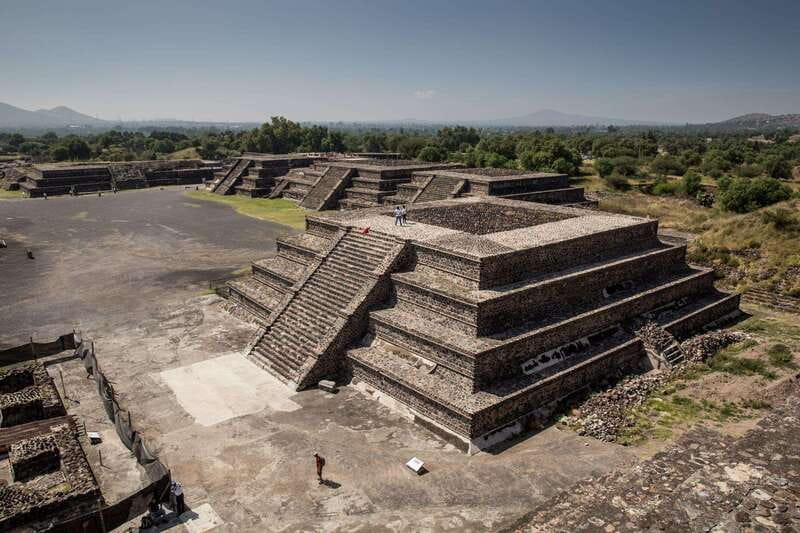
After the bus ride, the guided visit begins at Teotihuacan, with the Moon Pyramid as the first major stop. The pyramid sits at the northern end of the Calzada de los Muertos and frames the long ceremonial avenue ahead.
You cannot climb the pyramids on this tour. That rule matters because some older photographs and past travel accounts show people standing on the upper levels. Here, you will view the monuments from the permitted paths and platforms, with your guide explaining what you are seeing.
The Moon Pyramid is a good starting point because it lets you take in the broad design of the site before walking through it. From this area, the scale of Teotihuacan becomes clear. The ceremonial road, plazas, and monumental buildings were arranged on a huge urban plan, not scattered randomly across a hill.
The supplied tour information does not promise a specialist archaeology lecture, so your experience will depend partly on how actively you ask questions. If you want more detail about construction, religion, art, trade, or the people who lived here, tell your guide early. One useful lesson from the day is to keep asking. A private format gives you more room to steer the conversation than a large group tour.
Walking the Calzada de los Muertos
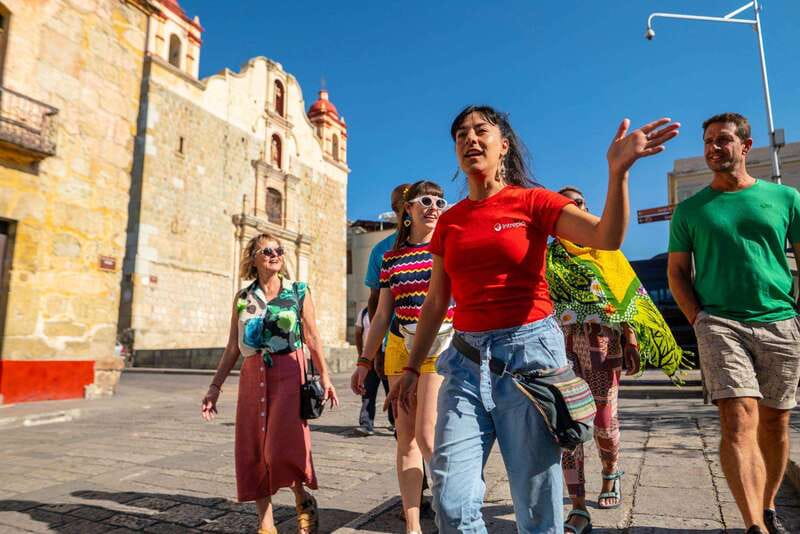
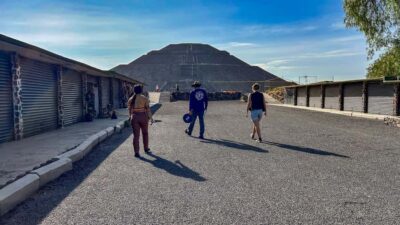
The Calzada de los Muertos is the physical backbone of the visit. You walk along this broad avenue from the Moon Pyramid toward the Sun Pyramid, crossing a site that once served as a major ceremonial and urban center.
The name can mislead you. It refers to the avenue’s later interpretation and does not mean you are walking through a cemetery in the modern sense. Your guide can help separate popular labels from what archaeologists understand about the site.
This is also where the 6-kilometer walking total becomes real. The distance includes movement through the archaeological complex and village or family-project stops, so you should expect plenty of time on your feet. The route can feel strenuous if you are not used to walking, particularly in direct sun or after a long morning.
Wear comfortable shoes and bring water, even though drinks are not included. A hat and sun protection make practical sense, too. The site is open and expansive, and there are few ways to shorten the walking once the guided visit is underway.
A few more Mexico City half-days to weigh up
- Xochimilco, Coyoacan and Frida Kahlo with Optional Lunch
★ 4.5 · 7,320 reviews - Puebla, Cholula & Tonantzintla Day Trip with Optional Lunch
★ 4.5 · 1,702 reviews - Teotihuacan & Basilica Guadalupe Tour with lunch
★ 4.5 · 493 reviews - Mexico City: Guided Volcano Trek with Lunch
★ 4.7 · 242 reviews
The Sun Pyramid from ground level
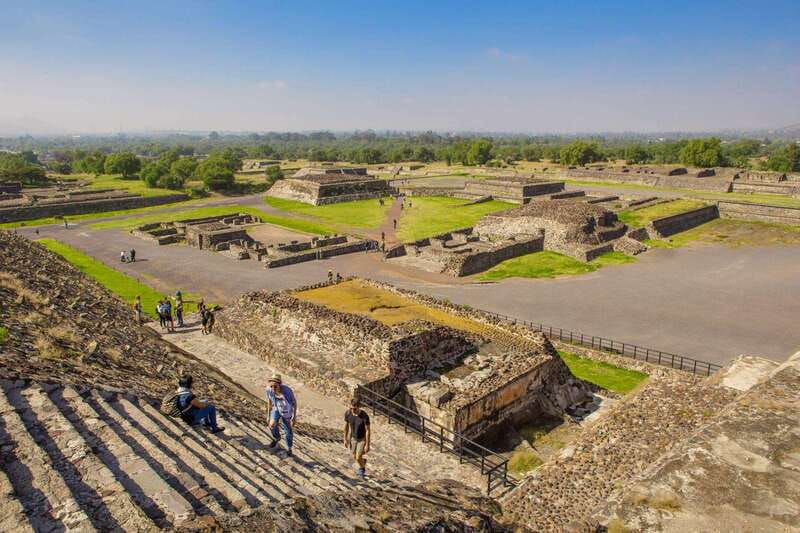
The Sun Pyramid is Teotihuacan’s largest and most famous monument, and reaching it on foot gives you a better sense of the site’s scale than arriving beside it by vehicle. You approach along the avenue, with the pyramid growing larger as you get closer.
Because climbing is not allowed, the visit focuses on the monument’s size, setting, and construction rather than a view from the top. That is a limitation if your main goal is a high panorama. It is also a chance to pay attention to the wider plan of Teotihuacan instead of treating the pyramid as a lookout platform.
The guided visit lasts about two to three hours according to the day’s reported pacing. That is enough time for a serious overview, though not enough to inspect every corner of the archaeological zone. The guide’s role matters here. A strong explanation can turn a series of large stones into a story about planning, labor, ceremony, and daily life.
Julio has led the pyramid portion for some departures, while other recorded guide teams include Pili, Poncho, and Eduardo. Names and assignments can vary, but the English-language guide is included. The private-group setup should make it easier to pause, clarify a point, or ask for a slower pace when needed.
A traditional village and two family projects
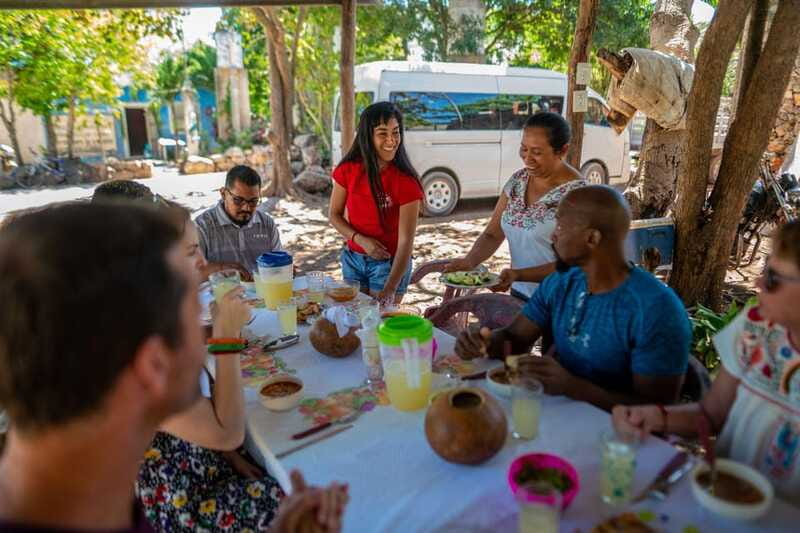
The day then shifts from ancient monuments to present-day community life. You visit a traditional village and two sustainable family projects, including a home where you learn about cactus and its place in Mexican food.
This is the part that gives the trip its strongest human scale. Teotihuacan can feel so large and formal that it is easy to forget the surrounding communities. A family visit puts food, work, and local customs back at the center of the day.
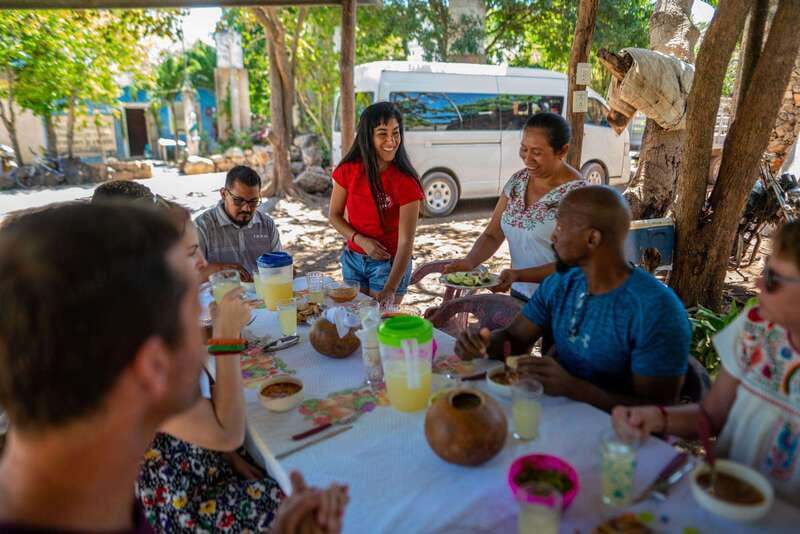
You may taste cactus products and hear how the plant is used in regional cooking. The meal is served in a local family’s home, not a standard tourist dining room. That setting can be warm and direct, but it may also feel less polished. One person described feeling uncomfortable when a family member served the meal and then left the table, while the guide continued speaking with the hosts. That kind of moment shows why expectations matter.
Think of this as a community visit with a meal, not a restaurant experience. The food may be simple regional cooking, such as soup, a main dish, rice, and cactus preparations. It may not match the idea of a large celebratory feast. The value lies in the setting and conversation, though the exchange can feel sales-oriented at the family project where products are offered.
You are not required to buy anything based on the information provided. Still, if you dislike sales presentations, ask your guide to explain what each stop involves before you begin. A clear explanation can make the visit feel more comfortable and respectful for everyone.
What the food portion is really like
Food is woven through the day, not saved for one final lunch. The morning may bring market tastings, followed by cactus samples and the family meal later on. One account described eating three times before midday, so pacing yourself is wise.
The included lunch is a valuable part of the price because it gives you access to a household setting that you would not easily arrange alone. Vegetarian, vegan, and gluten-free options are available when requested in advance. Drinks are not included, so plan to pay separately for beverages.
The food is regional and straightforward rather than designed for fine dining. That distinction is important. You are paying for the connection to local foodways and the family visit, not for a formal menu or a carefully staged culinary performance.
I would ask the guide what each dish contains, especially if you have allergies or strict dietary needs. The tour can handle several dietary preferences, but advance notice is required.
Is $440 per person good value?
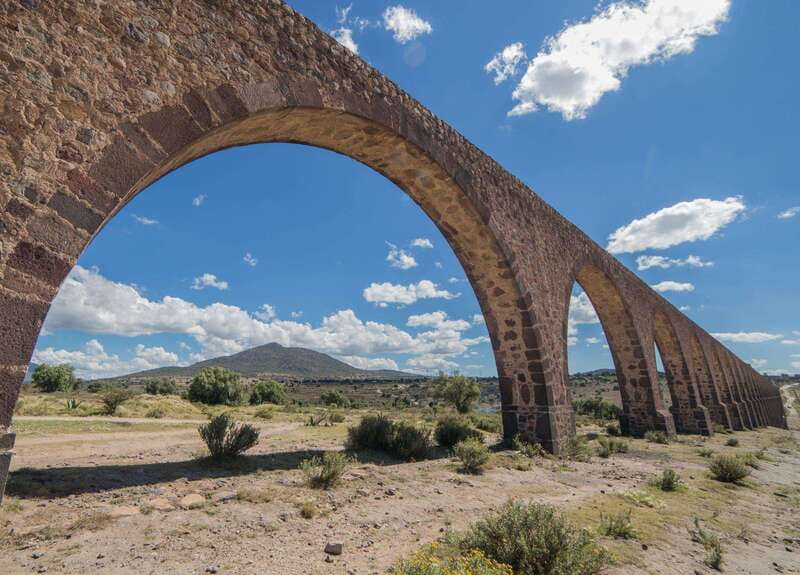
At $440 per person, this is an expensive day trip. The price needs to be judged against what is included: an English-speaking guide, public transport for the full day, the Teotihuacan entrance fee, the guided archaeological visit, two sustainable family projects, cactus samples, and lunch in a local home.
The private-group format is the biggest value factor. You are not simply paying for a seat on a bus and a ticket to the pyramids. You are paying for a guide who can adjust the conversation, explain the cultural stops, and help the transport and family visits make sense.
Still, the price will not suit every budget. If your only goal is to see Teotihuacan, a simpler public-bus visit or standard group excursion should cost less. You might also prefer a lower-priced option if you want more time inside the archaeological zone and less time on community visits.
This tour makes financial sense for you if you value a guide, local transport, food, and a small group more than the quickest or cheapest route. It makes less sense if you want a pure archaeology tour or a luxury vehicle.
The 7.5-hour schedule and its trade-offs
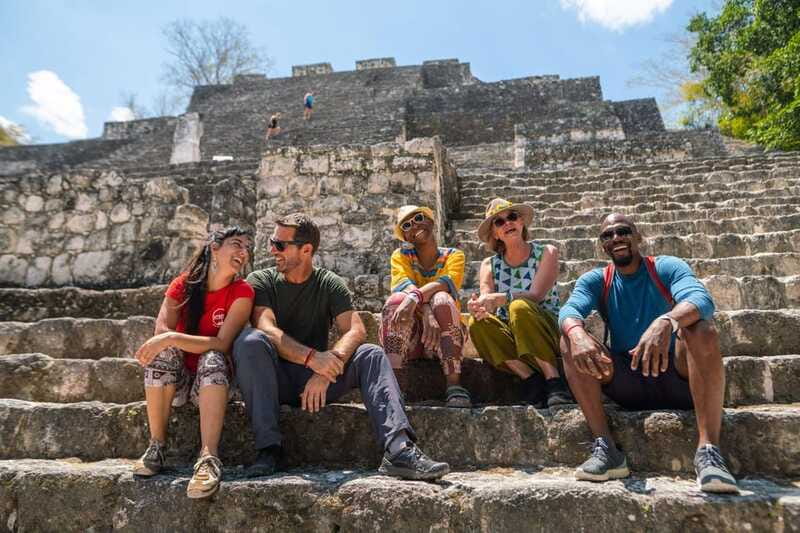
The schedule is full but manageable for someone with medium fitness. The morning begins in central Mexico City, followed by about 1.5 hours on the bus, two to three hours at Teotihuacan, village and family-project visits, lunch, and another 1.5-hour ride back.
The return journey can feel long after the walking and meal. One account found the combined travel time tiring, and that is a fair warning. You should not book this day immediately before a flight, a long evening event, or another demanding activity.
On the other hand, the schedule lets you see three different sides of the region in one outing: Mexico City’s central meeting point and markets, the ancient city of Teotihuacan, and present-day family life. That range is the reason the day feels fuller than a basic pyramid transfer.
The tour finishes at Palacio de Bellas Artes. Since the start and end points differ, you can use the finish as a convenient launch point for an evening in the historic center.
Who should book this experience?
I would recommend this tour for you if you want more than photographs of the pyramids. It suits people who enjoy asking questions, trying regional food, and seeing how public transport and family businesses fit into a destination.
It is also a good choice for couples, families, and small groups who want an English-speaking guide without joining a large bus tour. The maximum group size is 12, though the experience is presented as a private group.
You should think twice if you have limited walking ability, dislike long bus journeys, or want a quiet archaeological visit without food sales and community stops. Six kilometers of walking is a serious part of the day, and there is no pyramid climbing to provide the high view some people expect.
For the best experience, wear sturdy walking shoes, eat a modest breakfast, bring money for drinks, and mention dietary needs before the day begins. Most of all, tell your guide what interests you at Teotihuacan. Ask about engineering, art, trade, religion, or daily life rather than waiting for a standard speech.
Should you book the Teotihuacan Adventure?
Book it if you want Teotihuacan tied to food, public transport, and present-day community life. The strongest features are the personal guide service, the small group, the cactus-focused meal, and the chance to visit a family home.
Skip it if you want the fastest route, the lowest price, or a strictly archaeological tour. The long bus rides and family-project visits will not appeal to everyone. For an active visitor who values local contact and does not mind a full day, though, this is a thoughtful way to see the pyramids and the people who live around them.
FAQ
How long does the Teotihuacan tour last?
The tour lasts 7.5 hours, including transport from Mexico City, the guided visit, village and family-project stops, lunch, and the return journey.
Where does the tour start?
It starts at the Casa de los Azulejos, also called the House of Tiles, at Av. Francisco I. Madero 4 in Mexico City’s Centro Histórico.
Where does the tour finish?
The tour finishes at Palacio de Bellas Artes.
Is transportation included?
Yes. All-day public bus transportation is included. The journey to Teotihuacan takes about 1.5 hours, and the return journey also takes about 1.5 hours.
Can I climb the pyramids?
No. Climbing the pyramids is not allowed on this tour.
How much walking is involved?
The tour covers about 6 kilometers of walking and is recommended for people with at least a medium level of fitness.
Are vegetarian, vegan, or gluten-free meals available?
Yes. Vegetarian, vegan, and gluten-free options are available, but you must provide your dietary requirements in advance.
Are drinks included?
No. Drinks are not included in the tour price.
How many people can join the private group?
The maximum group size is 12 passengers.
Is the Teotihuacan entrance fee included?
Yes. Entrance to the pyramids is included, along with the English-speaking local guide, cactus samples, two sustainable family-project visits, and lunch at a local family’s home.
Just added around Mexico City
- Ticket to Frida Kahlo Museum (Blue House)★ 5.0 · 3 reviews
- Valle de Bravo: Forest Hiking Adventure★ 4.4 · 3 reviews
- La Roma Private Art Tour★ 5.0 · 3 reviews
- Private Transportation: Pickup and Drop-Off★ 5.0 · 3 reviews
- Chapultepec Castle and Anthropology Tour, starting from CDMX★ 5.0 · 3 reviews
- Mexico City: Relaxing or Decontracting Massage Experience★ 5.0 · 3 reviews
- Grutas de Tulantongo★ 3.0 · 3 reviews
- Mexico City: Local Walking Tour with Mezcal & Wrestling Show★ 5.0 · 3 reviews
Teotihuacán Pyramid Tours, compared.
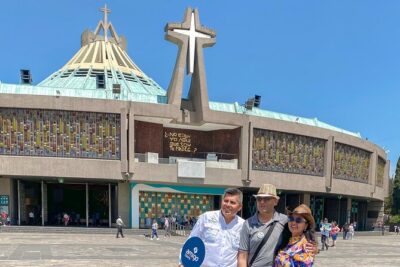
Teotihuacan, Guadalupe Shrine & Tlatelolco Day Tour with Lunch
Read our review →
Teotihuacan pyramids morning or afternoon without tourist traps
Read our review →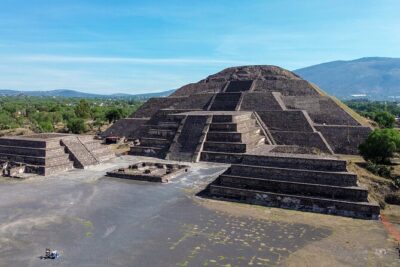
Teotihuacan Early Access Guided Tour with optional Lunch
Read our review →
Teotihuacan, Tlatelolco & Guadalupe Shrine Tour
Read our review →
Teotihuacan Hot Air Balloon Flight from Mexico City / Volare
Read our review →
Balloon flight + pick up in CDMX + Breakfast in Cave + Teotihuacan
Read our review →
Browse the lists this tour appears in