
Reviewed · CITY TOURS
Turibus Hop On Hop Off Mexico City Tour
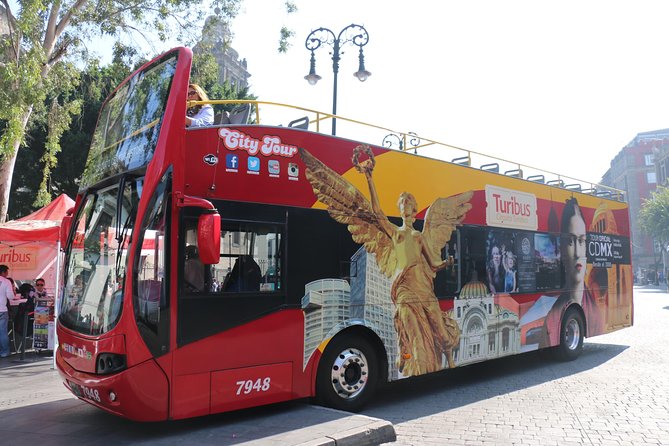
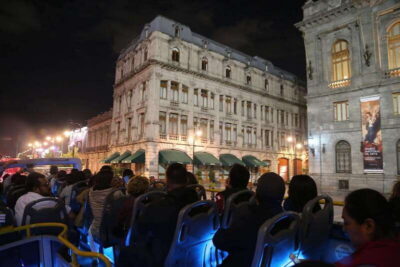
Mexico City is too large for a quick checklist, and the Turibus open-top ride gives you a useful first look without wrestling with taxis or unfamiliar public transit. From the Zócalo to Coyoacán, Polanco, Reforma, and the Basilica, you can see far more than you would on foot in three hours.
I like the freedom to build your own route, and I like having both an open upper deck and an air-conditioned lower level. The main catch is service reliability: traffic, demonstrations, Sunday street closures, and changing operating plans can affect routes and wait times. The current notice says only the Historic Downtown Route is operating from 9 a.m. to 7 p.m. until further notice, so check the active schedule before you count on all four routes.
In This Review
- Key points to know before you board
- Why this bus can make sense in Mexico City
- The Historic Center route, from Reforma to the Zócalo
- Polanco and Chapultepec, with museums and upscale streets
- The South route to Coyoacán and UNAM
- The Basilica route and the Plaza de las Tres Culturas backup
- How to plan your stops without wasting the day
- Open deck views, audio, and practical comfort
- Delays, Sundays, and the current operating warning
- Is the ticket good value?
- Who should book the Turibus tour?
- Final booking advice
- FAQ
- How long does the Turibus Mexico City tour last?
- How many routes are included?
- Is the ticket valid for one or two days?
- Is the audio commentary available in English?
- Can I ride on the open top of the bus?
- Are meals and drinks included?
- Does the Basilica route always reach the Basilica?
- Can I cancel for a full refund?
Key points to know before you board
- Four distinct routes: Cover the Historic Center, Polanco, South, and Basilica areas with one ticket when those routes are operating.
- A useful first-day overview: Reforma, Chapultepec, museums, markets, Coyoacán, UNAM, and the Zócalo all appear on the route network.
- Audio commentary on board: Pick up the supplied headphones and follow the digital commentary in your selected language.
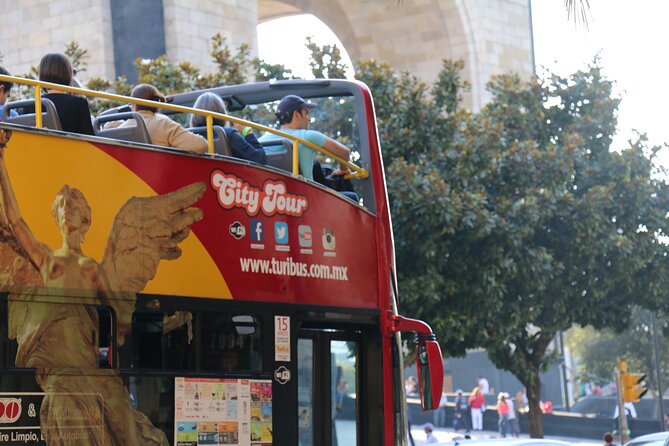
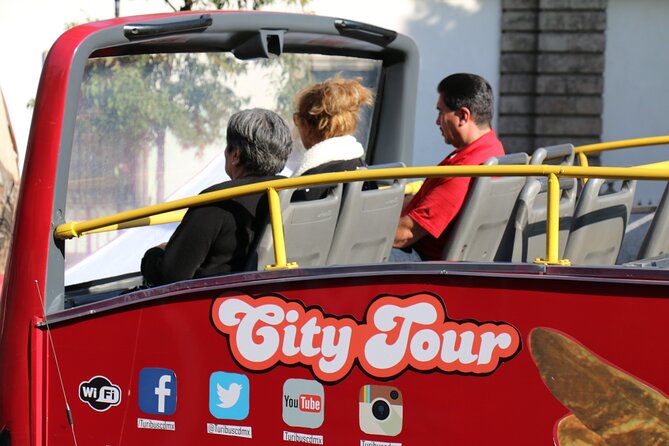
- Open air or air conditioning: The upper deck gives you better views, while the lower level is a sensible fallback in heat or rain.
- Timing can change: Ciclotón Sundays, road closures, public events, traffic, and demonstrations may cause route changes or fewer buses.
- Discount booklet included: The Mexico City coupon booklet can add value if you use its offers during your stay.
Why this bus can make sense in Mexico City
Mexico City spreads across a huge urban area, and its top sights are not gathered in one easy walking district. A bus loop helps you understand the shape of the city before you decide where to spend more time.
The appeal is not simply transport. Reforma gives you grand avenues and major monuments. Chapultepec brings museums and parks into the picture. The South route reaches Coyoacán, the Frida Kahlo Museum, UNAM, and San Ángel. Polanco shifts the mood toward galleries, shopping, and modern museums.
You can show your mobile voucher at an approved stop, board, and choose your position. The tour lasts about three hours if you stay on board, but the real purpose is to hop off, look around, and catch a later bus.
That flexibility matters most if this is your first visit. You can ride the full circuit to get oriented, then return to one or two areas that suit your interests. I would not treat it as a substitute for walking. Use it to connect neighborhoods, then explore on foot once you get off.
A few more Mexico City half-days to weigh up
- Mexico City: Hop-on Hop-off Bus Tour
★ 4.0 · 1,043 reviews - Mexico City: Hop-on Hop-off City Tour by Turibus 1-Day Pass
★ 4.1 · 691 reviews - Private City Tour in Frida Kahlo, Coyoacan, and Xochimilco
★ 5.0 · 626 reviews
The Historic Center route, from Reforma to the Zócalo
The central route is the strongest choice for a short visit, especially because the current operating notice specifically lists it as the active service. It runs from the Auditorio Nacional area through Reforma and into the city center.
The route includes Museo de Arte Moderno, a natural stop if you want Mexican and international modern art, and the La Condesa area, known for cafés, restaurants, and attractive streets. The Fuente de Cibeles stop gives you access to another popular dining and nightlife district.
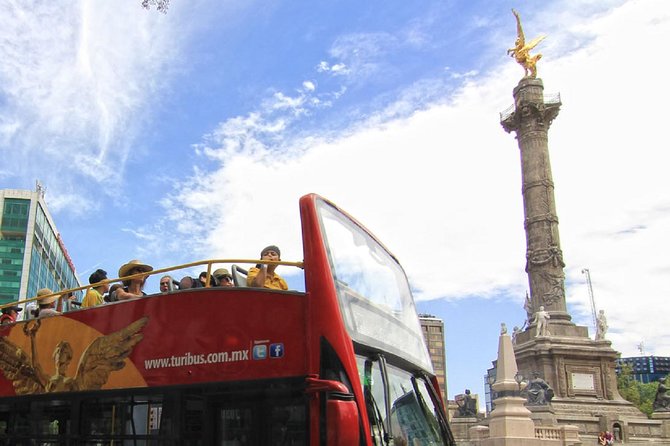
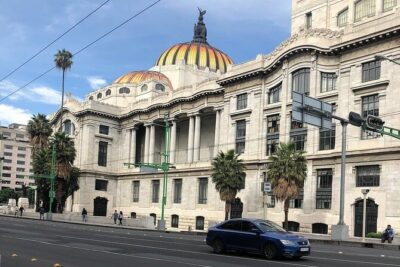
Casa Lamm adds a cultural stop in the Roma and Condesa orbit. The Angel of Independence is one of the clearest landmarks on Paseo de la Reforma, and stops near Reforma 222, the Wax Museum, and the Monument to Cuauhtémoc keep you close to major central sights.
As the bus reaches the center, Av. Juárez brings you toward the historic core. The Zócalo is the essential hop-off point. This huge plaza connects the Metropolitan Cathedral, the National Palace area, and several of the city’s most important civic buildings. You will want time here, not just a quick photograph from the bus.
Plaza Manuel Tolsá, the Franz Mayer Museum, Plaza de la República, and Museo San Carlos offer a useful run of cultural stops. Plaza de la República is home to the Monument to the Revolution, while the Franz Mayer Museum is a good pick for decorative arts and design.
The route also lists Reforma L1, the Angel of Independence again, Paseo de la Reforma near Río de la Plata, and the National Museum of Anthropology. That final museum deserves several hours by itself, so do not try to squeeze it into a rushed three-hour ride.
If you have only one day, I would choose either the Zócalo and central museums or Chapultepec and the Anthropology Museum. Trying to fully visit both will leave you spending more time waiting and crossing the city than looking at art.
Polanco and Chapultepec, with museums and upscale streets
The Polanco route starts near Auditorio, with Bicigratis listed at the first stop, then moves through Calle Arquímedes and Avenida Presidente Masaryk. Masaryk is one of the city’s best-known shopping streets, so this section feels quite different from the older center.
Antara and Museo Soumaya are the major draws. Museo Soumaya is known for its striking modern building and broad art collection, making it one of the most visually memorable stops on the full system. The bus also passes Hipódromo de las Américas and Papalote Museo del Niño.
This route is a good fit for families, art lovers, and anyone who wants a break from colonial plazas and historic monuments. The tradeoff is focus. If your main goal is the Zócalo, Frida Kahlo Museum, or Basilica, Polanco may take valuable time away from those areas.
The Auditorio and Chapultepec side also connects well with Mexico City’s major museum zone. The included audio commentary can help you identify what you are passing, but allow extra time if you hop off for a museum. A bus loop is not a timed museum admission, and traffic can make the next arrival hard to predict.
The South route to Coyoacán and UNAM
The South route is the most rewarding option for visitors who want a more local-feeling day outside the central monument zone. It begins at Fuente de Cibeles and passes Mercado Roma, a useful stop for food and a change of pace.
From there, the route reaches the World Trade Center, Monumental Plaza de Toros México, Avenida de la Paz, Estadio Olímpico Universitario, Perisur, and Avenida Centro Comercial. These stops show the city as a working modern metropolis rather than a string of postcard sights.
The route then moves toward San Ángel, including the Mercado de flores San Ángel and the Alfredo Guati Rojo National Watercolor Museum. The flower market can be a pleasant stop if you want color and everyday city life, while the museum offers a smaller, more specialized cultural visit.
UNAM is the major reason to take this route. Stops include Universum, University City, and the Rectoría de la UNAM. The university campus gives you a chance to see an important part of Mexico City’s modern identity, with public art and major academic institutions spread across a large area.
The final run includes Coyoacán, the Frida Kahlo Museum, and Aguayo. Coyoacán is best explored slowly, with time for plazas, cafés, markets, and side streets. The Frida Kahlo Museum is a major draw, but this bus ticket does not include lunch, drinks, museum admission, or other services not listed.
If you plan to visit the Frida Kahlo Museum, think carefully about time. A hop-on-hop-off ticket provides transportation, not guaranteed entry or a short visit. The South route works best when you give it most of a day and accept that you may see fewer central sights.
A completely different day out, same corner of Mexico City:
- Teotihuacan, Guadalupe Shrine & Tlatelolco Day Tour with Lunch
★ 5.0 · 11,603 reviews - Xochimilco, Coyoacan and Frida Kahlo with Optional Lunch
★ 4.5 · 7,320 reviews - Balloon flight + Breakfast in cave + Pyramids + Pick up CDMX.
★ 5.0 · 6,335 reviews - Teotihuacan pyramids morning or afternoon without tourist traps
★ 5.0 · 6,186 reviews
The Basilica route and the Plaza de las Tres Culturas backup
The Basilica route is the shortest route in the published stop list. It begins at the Zócalo, continues to Garibaldi Plaza, then Tlatelolco and the Basilica, before returning through the Turibus stop at the Palace of the Counts of Miravalle.
Garibaldi Plaza is associated with mariachi music and gives the route a very different character from Reforma or Polanco. Tlatelolco is an important historical and archaeological area, so it is worth more than a quick glance if you decide to get off.
The Basilica of Our Lady of Guadalupe is the route’s main destination. It is one of Mexico City’s most significant religious sites and can be an important stop even if you are not visiting for religious reasons.
There is one clear service warning. If the bus cannot reach the Basilica for reasons outside the operator’s control, the route may instead go to Plaza de las Tres Culturas. That is not necessarily a poor alternative, but it is a different visit, so confirm the route on the day.
How to plan your stops without wasting the day
The bus is most useful when you group nearby sights rather than trying to cover every stop. I would pick one main area and one secondary area.
For a classic first day, ride the Historic Center route and get off at the Zócalo, Plaza Manuel Tolsá, or the Franz Mayer Museum. You can then continue toward Reforma and Chapultepec if service and time allow.
For museums, combine the Anthropology Museum with the Chapultepec and Polanco section. Give yourself enough time for the museum, and treat the bus as your connection between areas.
For Frida Kahlo and UNAM, choose the South route early. Coyoacán and the Frida Kahlo Museum can easily become the main event, while UNAM and San Ángel work as additional stops rather than quick add-ons.
The route guide included with the ticket should help you identify stops, and the coupon booklet may reduce the cost of selected local experiences. Its value depends on how many offers fit your plans. I would not buy the tour solely for the coupons, but they can make the ticket more worthwhile if you already intend to use them.
Open deck views, audio, and practical comfort
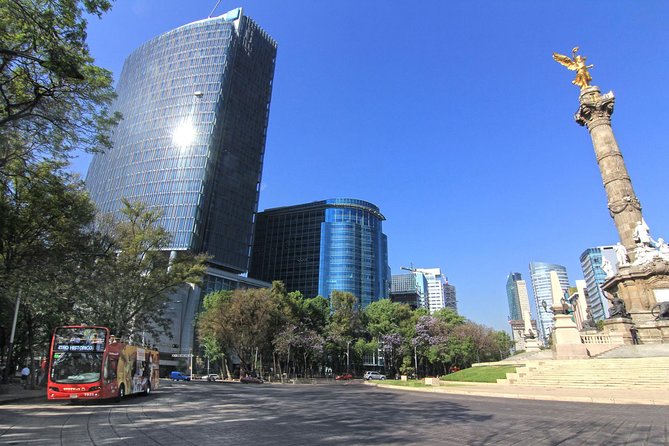
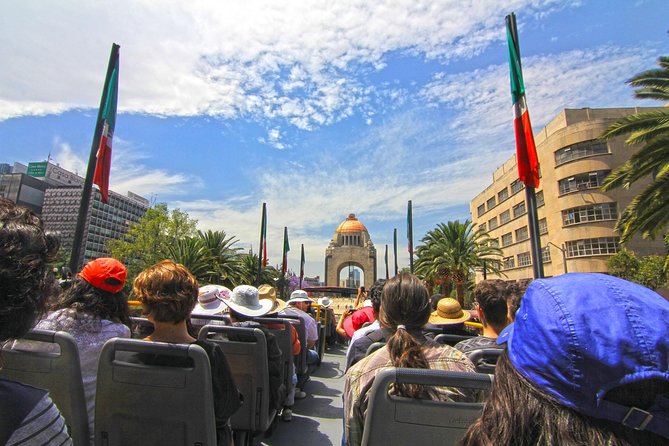
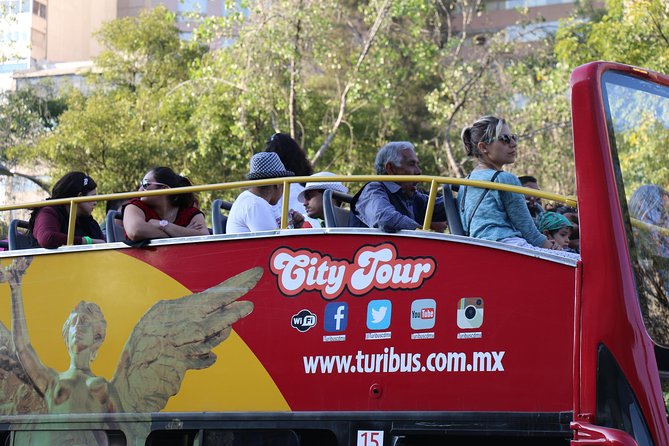
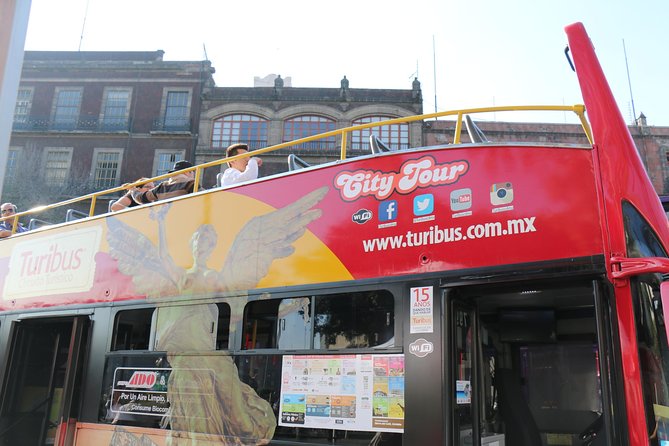
The upper deck is the best place to see Reforma’s monuments, city streets, and larger buildings. It also gives you a clearer view when the bus moves through open areas. Bring protection from sun and be ready for changing weather.
The lower level is air-conditioned and more comfortable when the weather turns unpleasant. It may also be preferable if you want a steadier ride or need a break from direct sun.
The digital audio system is multilingual, and English is offered. You receive headphones at the ticket office. This is not a private guided tour, so you should expect recorded commentary rather than a guide walking beside you and answering questions.
That format keeps the price of a city overview reasonable, but it also means the experience depends on traffic and your own planning. You get the setting and the basic context. The deeper experience comes after you step off.
Delays, Sundays, and the current operating warning
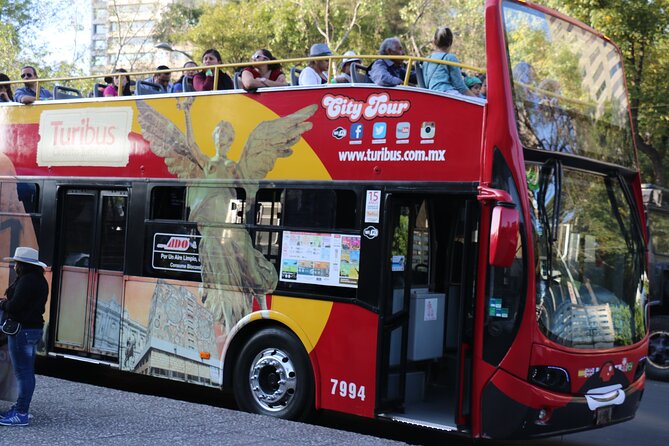
Mexico City traffic can be heavy, and the operator warns that route changes, bus delays, and reduced frequency may occur without advance notice. Public celebrations, demonstrations, road closures, and special events can all affect the service.
On Sundays from 8 a.m. to 2 p.m., the Ciclotón closes some streets for cycling, and the buses use alternate roads on certain routes. If you want a smooth, predictable circuit, avoid building a tight museum schedule around that Sunday window.
The most important current note is that the service is operating only the Historic Downtown Route from 9 a.m. to 7 p.m. until further notice. The tour description covers four routes, but operating conditions can change. Check which routes are actually running before booking and again before setting out.
This is also why I would avoid planning a final airport connection or a timed reservation around a hop-on-hop-off bus. Use it as flexible sightseeing transport, not as a guaranteed point-to-point service.
Is the ticket good value?
No price is provided here, so the best way to judge value is by use. The ticket makes more sense if you plan to ride several sections, hop off at multiple places, and use the coupon booklet. It is less compelling if you only want a single short transfer.
You are paying for convenience, orientation, the audio system, and access to a broad route network. You are not paying for meals, drinks, museum entry, or personal guiding. Those costs remain yours.
The tour can also save energy. Mexico City’s size means that moving between the Historic Center, Polanco, and Coyoacán takes planning. A single ticket gives you a simple framework, though not always a fast one.
The rating supplied for this experience is 3 out of 5 from 347 reviews, which points to a mixed experience overall. That fits the practical picture: the route coverage and freedom are useful, but delays and changing service can reduce the value on a badly timed day.
Who should book the Turibus tour?
I would recommend it to first-time visitors who want a broad city introduction, families who prefer an easy overview, and anyone who feels uneasy about navigating several neighborhoods by taxi or public transit.
It also suits you if you like choosing stops as you go. The ability to ride upstairs, switch to air conditioning, and end at any stop gives the day a relaxed structure.
I would be more cautious if you have only a few hours and need guaranteed arrival times. I would also think twice if your main plan is one museum with a timed entry, since bus frequency and traffic may work against a strict schedule.
Final booking advice
Book this tour if you want a flexible city sampler and you are willing to accept Mexico City traffic. Make the Historic Center route your priority, then add Polanco, South, or Basilica only after confirming that those routes are operating.
For the best value, use the bus to connect neighborhoods, not to replace every walking visit. Choose two or three meaningful stops, leave room for delays, and treat the audio commentary as an introduction. If you need dependable timing or a detailed personal guide, this is not the right tool. If you want a broad first look with minimal transit stress, it can be a practical start.
FAQ
How long does the Turibus Mexico City tour last?
The sightseeing ride takes approximately three hours if you remain on the bus. You can extend your day by getting off at stops and boarding another passing bus.
How many routes are included?
The ticket covers the Historic Center, Polanco, South, and Basilica routes when those routes are operating.
Is the ticket valid for one or two days?
The booking options may include one or two days, but the additional operating information says tickets are valid for one operating day. Check the selected option and current terms before booking.
Is the audio commentary available in English?
Yes. The tour offers English, and the digital audio system is multilingual. Headphones are provided at the ticket office.
Can I ride on the open top of the bus?
Yes. You can choose the open upper deck or the lower air-conditioned level.
Are meals and drinks included?
No. Lunch, beverages, museum admission, and other services not specifically listed are not included.
Does the Basilica route always reach the Basilica?
Not always. If the bus cannot reach the Basilica for reasons outside the operator’s control, the route may go to Plaza de las Tres Culturas instead.
Can I cancel for a full refund?
Yes, if you cancel at least 24 hours before the experience start time. Cancellations within 24 hours are not refunded, and changes within that period are not accepted.
Just added around Mexico City
- Mexico City: Hop-on Hop-off City Tour by Turibus 2-Day Pass★ 4.0 · 10 reviews
- Anthropology Museum, Chapultepec Castle & Cable Car Tour★ 4.5 · 10 reviews
- Multi-Variety Mole Class in a Condesa home or art gallery rooftop★ 5.0 · 10 reviews
- PRIVATE TOUR Colonial Town Taxco and Cuernavaca from CDMX.★ 5.0 · 10 reviews
- Private Round-Trip Transportation to Teotihuacan Pyramids★ 5.0 · 10 reviews
- Teotihuacan and My Grandma’s Food Tour★ 5.0 · 10 reviews
- El Centro Street Food Walking Tour★ 5.0 · 10 reviews
- Private Walking Tour Legends and Events Historic Center CDMX★ 4.8 · 10 reviews
City Tours, compared.

Private City Tour in Frida Kahlo, Coyoacan, and Xochimilco
Read our review →

Puerto Vallarta: City Tour, Tequila and Coffee Factory Tour
Read our review →
Mexico City Layover Tour: Downtown City Sightseeing
Read our review →Browse the lists this tour appears in