
Reviewed · TEOTIHUACáN PYRAMID TOURS
Unlock Teotihuacan Pyramids: Private Tour & Delicious Local Lunch
Teotihuacan is more than a quick photo stop outside Mexico City. This eight-hour outing links the ancient ceremonial city with modern village life, local crafts, agave drinks, and a home-cooked meal. The pyramids provide the big spectacle, but the family visit gives the day its human scale.
I like two things here. First, your guide stays with you through the metro, bus, archaeological site, and village stops, so you are not left to puzzle out Mexico’s transport system alone. Second, lunch in a family home, often featuring dishes such as pozole or nopales, offers a warmer look at daily life than a restaurant near the ruins. The main caution is the six kilometers of walking in strong sun, along with a long public-transport journey each way.
In This Review
- Key details before you book
- From Casa de los Azulejos to the open countryside
- The museum puts Teotihuacan in context
- Walking the Calzada de los Muertos
- The Moon Pyramid and its broad views
- The Pyramid of the Sun and the long avenue
- San Juan Teotihuacan and the local craft stops
- Lunch in a family home
- How much value do you get for $220?
- Who should book this Teotihuacan day trip?
- Practical advice for a smoother day
- Should you book it?
- FAQ
- How long does the tour last?
- Where does the tour start?
- Where does the tour end?
- Is transportation included?
- Can I climb the Teotihuacan pyramids?
- Is lunch included?
- Are special diets available?
- Is the tour suitable for children?
Key details before you book
- A full day beyond Mexico City: Allow about eight hours, with roughly 90 minutes of countryside travel to Teotihuacan.
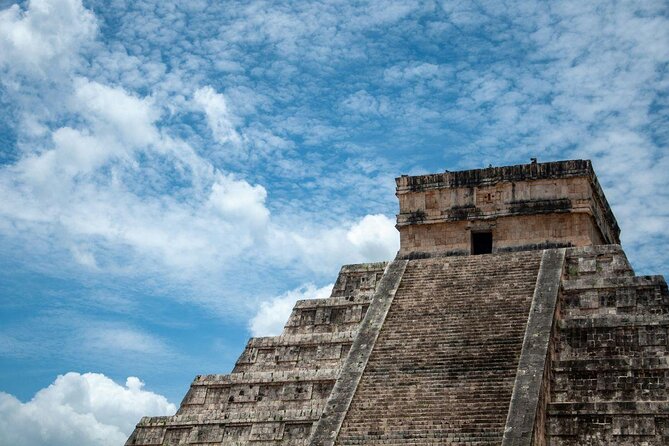
- The pyramids are now ground-level sights: Current tour information says climbing the pyramids is not allowed, despite older descriptions of people reaching the summits.
- Lunch takes place in a local home: Vegetarian, vegan, and gluten-free meals are available if you request them ahead of time.
- Public transport is part of the experience: Fares are included, though some departures have used a minibus instead.
- The guide matters: Roy, Rodrigo, Leon, Nathan, Ulysses, and Cesar have all led this route, with praise for their English, humor, care, and historical explanations.
- Bring cash for village stops: Obsidian crafts, cactus products, pulque, mezcal, tequila, and other local goods may be offered for purchase.
From Casa de los Azulejos to the open countryside
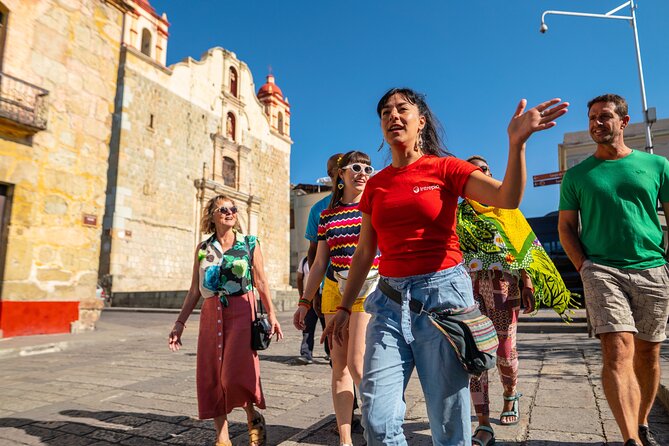
Meet at Casa de los Azulejos in central Mexico City at 8:30 a.m. The blue-and-white tiled building is easy to recognize, and the location is close to major sights in the Centro Histórico. The tour ends near Palacio de Bellas Artes, which is handy if you want to continue sightseeing there.
The journey begins with local transport toward the North Bus Station, followed by a countryside bus ride of about 90 minutes. This is not the fastest way to reach Teotihuacan, but it is part of the point. You see the city thin out and the towns change as you move toward the archaeological zone.
Your English-speaking guide handles the practical side of the journey and adds bits of Mexico City context along the way. Guides named Roy, Rodrigo, Leon, Nathan, Ulysses, and Cesar have led this experience at different times. The strongest descriptions focus on guides who were friendly, calm, funny, and careful about keeping the group together.
One practical wrinkle: the advertised plan uses public buses, but some groups have been taken in a minibus instead. That can happen when group size or transport conditions call for it. If riding local transport is one of your main reasons for booking, ask about the day’s arrangement before setting out.
More ways to reach the Teotihuacán pyramids:
- Teotihuacan, Guadalupe Shrine & Tlatelolco Day Tour with Lunch
★ 5.0 · 11,603 reviews - Teotihuacan pyramids morning or afternoon without tourist traps
★ 5.0 · 6,186 reviews - Teotihuacan Early Access Guided Tour with optional Lunch
★ 4.5 · 6,138 reviews
The museum puts Teotihuacan in context
The archaeological visit begins at the on-site museum. This is a useful first stop because it gives you a visual introduction before you walk into the enormous ceremonial center. Reconstructions of houses show how people lived, while objects found in the archaeological zone help explain the work, beliefs, and daily routines behind the monumental stone.
Teotihuacan was already an ancient city by the time the Aztecs encountered it. The Aztecs called it the City of the Gods, a name that reflects the scale and mystery of the place, not the identity of its original builders. Your guide explains this distinction and helps separate established archaeological evidence from later Aztec interpretation.
That context matters. Without it, the broad avenue and massive platforms can blur into a succession of stones. With a guide, the layout begins to make sense as a planned urban and ceremonial center.
Walking the Calzada de los Muertos
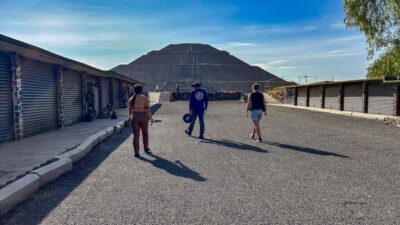
From the museum, you enter the ancient city and follow the Calzada de los Muertos, or Avenue of the Dead. The straight ceremonial route gives Teotihuacan its powerful sense of order. The scale is hard to grasp in photographs, so walking it is essential.
Expect broad open spaces, hard sun, and little shade. A hat, sunscreen, water, and comfortable shoes are practical choices. The route includes stairs and uneven surfaces, and the full day involves around six kilometers of walking.
The guide’s role here is more than reciting dates. Guides praised on this route have explained the architecture without forcing a religious interpretation, while also allowing room for the site’s spiritual effect. That balance works well. You can learn about construction, symbolism, and urban planning without being told what you must feel.
Vendors may approach near the archaeological site with water, hats, jewelry, and small souvenirs. They are part of the setting, though you should not feel obliged to buy. Carrying a little Mexican cash makes later village purchases easier.
The Moon Pyramid and its broad views
The Pyramid of the Moon anchors the northern end of the ceremonial avenue. It is smaller than the Pyramid of the Sun, but its position gives it a commanding relationship with the entire site. From the area in front, you can look south along the avenue and see how the monuments were arranged.
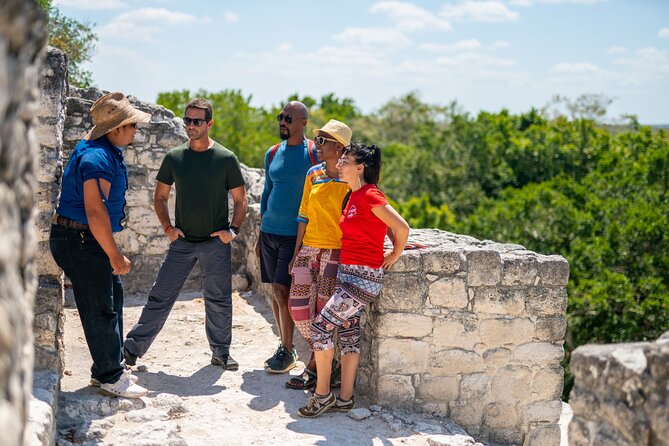
The tour spends about an hour on this section, using the pyramid and nearby structures to explain Teotihuacan’s architecture and purpose. The guide can point out how the buildings were designed to frame movement and ceremony rather than simply serve as isolated monuments.
Current information says you cannot climb the pyramids. This is important because some older accounts of this experience describe climbing both the Moon and Sun pyramids, and one description even refers to reaching a third structure. Do not book this tour expecting that activity. You can still walk around the monuments, study the stonework, and enjoy the long views from the permitted areas.
A few more Mexico City half-days to weigh up
- Xochimilco, Coyoacan and Frida Kahlo with Optional Lunch
★ 4.5 · 7,320 reviews - Puebla, Cholula & Tonantzintla Day Trip with Optional Lunch
★ 4.5 · 1,702 reviews - Teotihuacan & Basilica Guadalupe Tour with lunch
★ 4.5 · 493 reviews - Mexico City: Guided Volcano Trek with Lunch
★ 4.7 · 242 reviews
The Pyramid of the Sun and the long avenue
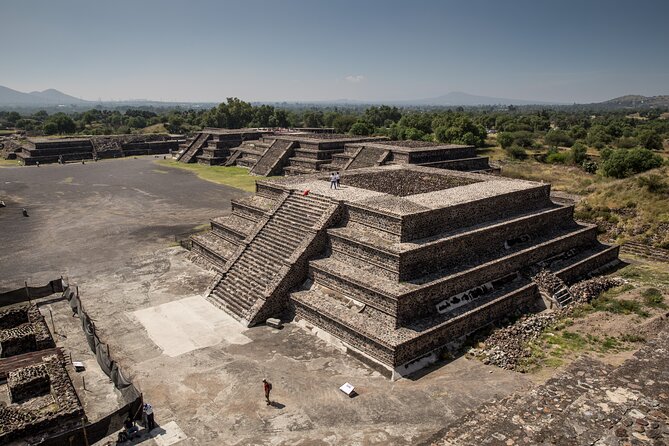
The Pyramid of the Sun is the largest structure on the route, rising about 206 feet, or 63 meters. Its size gives the ancient city its drama, but the surrounding avenue is just as important. The monument makes most sense when you see it as part of the wider plan.
The walk from the Moon Pyramid along the Avenue of the Dead takes time, and the sun can make the distance feel longer. This is where a moderate fitness level becomes more than a polite suggestion. You should be comfortable walking several kilometers, standing outdoors, and handling stairs and uneven ground.
The payoff is the view across the site. Even from the ground, the scale of Teotihuacan comes through. The guide connects the Sun Pyramid to the city’s ceremonial design and explains why the Aztec name City of the Gods has lasted.
Some descriptions of the outing refer to getting to the top of the Sun Pyramid or another pyramid. That is no longer a promise you should rely on. Regulations can change, and the current details for this experience specifically say pyramid climbing is not permitted.
San Juan Teotihuacan and the local craft stops
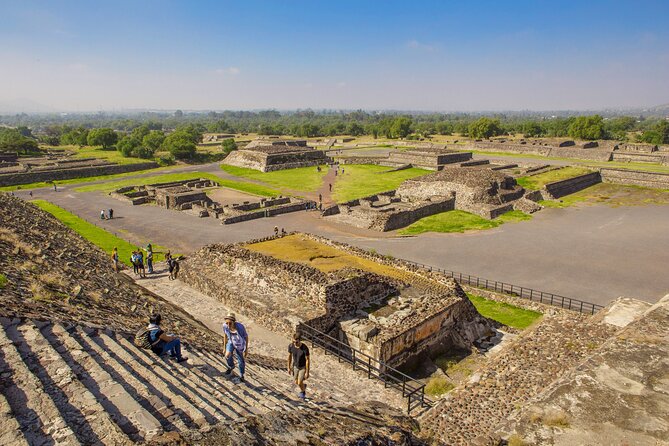
After the archaeological site, the day shifts from ancient stone to present-day village life around San Juan Teotihuacan and San Martin de las Piramides. This change is one of the tour’s best features. You see that Teotihuacan is not only an isolated ruin, but also part of a living region where families work with agave, cactus, and obsidian.
A visit to a local obsidian worker or family-run craft business shows how the black volcanic glass is shaped into jewelry, carvings, and decorative pieces. Obsidian has a long connection with the region, and meeting a craftsperson makes the material more than a souvenir on a stall.
The tour also includes tastings that have varied by departure, including pulque, mezcal, tequila, local beer, cactus candy, and other agave or cactus products. These stops can be enjoyable and informative, especially when the person demonstrating the products explains local farming and production.
They can also feel commercial. One stop may present many samples and invite you to buy jars, bottles, candy, or crafts at prices that seem high. You do not have to purchase anything. Treat the tasting as an optional part of the cultural visit, and bring cash only if you genuinely want a souvenir.
The included stops are described as two family-run businesses, giving you a look at local work beyond the main archaeological entrance. This is a stronger reason to choose this outing over a basic transport-and-ruins package, but it also means the day has a sales component. A good guide, such as Cesar or Rodrigo, can keep that part comfortable and explain what you are seeing without pressure.
Lunch in a family home
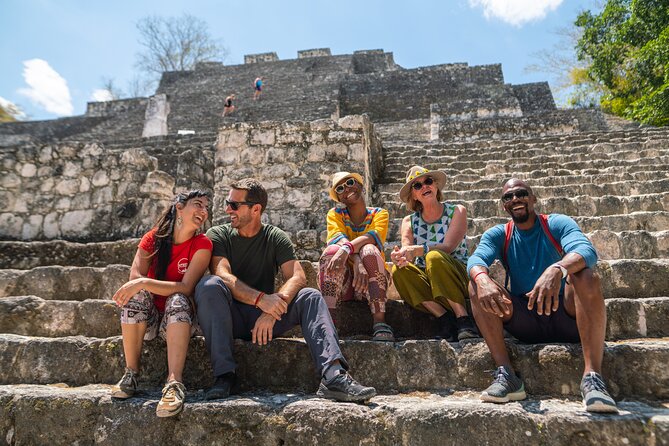
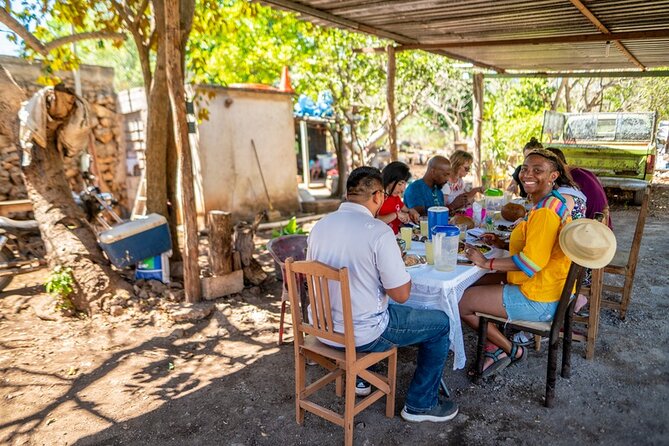
The day ends with lunch at a local family’s house. This is not a polished dining room or a themed restaurant. You sit down to a homemade meal and have a chance to talk with the people who prepared it.
Dishes described on the tour include pozole blanco, chicken, rice, nopales, and horchata. Cactus is not just a plant to photograph here. Nopales are a familiar food in Mexico, and the tour uses cactus products to connect the ancient region with modern cooking and local identity.
Vegetarian, vegan, and gluten-free options are available when requested in advance. Drinks and extra food are not included, so clarify what is covered if you have a larger appetite or special needs.
The family meal is the part I would value most after the exertion of the ruins. It slows the day down and gives you a chance to ask about ordinary life in the area. There have been occasions when the interaction with the family felt limited, so expectations should stay realistic. This is a hosted meal, not a guaranteed long conversation with every member of the household.
Still, the setting gives the trip a personal finish. Eating pozole or nopales in a home after seeing the pyramids helps connect the archaeological site to the communities around it.
How much value do you get for $220?
At $220 per person, this is not a budget way to see Teotihuacan. You are paying for an English-speaking guide, admission, included public-transport fares, a full day of coordination, village visits, tastings, and lunch. The price also buys the ease of having one person manage the route from central Mexico City and back.
For a simple visit to the pyramids, you could spend less by arranging transport independently. The extra value here lies in the explanation and the local stops. If you want only the ruins and prefer to set your own pace, this tour includes more than you need.
I find the price easier to justify for a first visit, a solo visitor who does not speak Spanish, or anyone who wants to combine archaeology with food and craft traditions. A small group of no more than 12 people also allows more direct contact with the guide than a large coach tour.
The word private suggests a highly personal arrangement, but the published maximum is 12 people, so check whether your departure is exclusive to your party or simply limited in size. That distinction matters if you expect a guide dedicated only to you.
Who should book this Teotihuacan day trip?
This suits you if you want history explained in clear English, prefer not to manage Mexico’s intercity buses alone, and like meeting local producers. It is also a good match for families with older children, since the minimum age is six, provided everyone can handle the walking and heat.
Solo visitors may appreciate the built-in company and the guide’s help with transport. Couples and friends who want a full day with several kinds of experience will find more variety here than on a standard pyramid transfer.
You should think twice if you dislike early starts, long transit rides, commercial tastings, or fixed schedules. The itinerary leaves little room for lingering at one pyramid or wandering independently through the town.
The tour is also not a good fit if climbing the pyramids is central to your plans. Current rules prohibit it, even though older descriptions of this route say otherwise.
Practical advice for a smoother day
Wear shoes with solid grip and bring a light layer. The site can be hot in the sun, while the top of the open archaeological area can feel windy and cool, especially in the morning.
Carry water, sunscreen, a hat, and some cash. You may want cactus candy, obsidian art, local drinks, or other handmade goods, and cash is useful at small family businesses.
Tell the operator about vegetarian, vegan, or gluten-free needs before the tour. Do not wait until lunch, since the meal is prepared in advance.
The start point is Casa de los Azulejos at 8:30 a.m. The listed end point is Palacio de Bellas Artes. Hotel pickup and drop-off are not included, so plan your own route to the meeting point.
Free cancellation is available up to 24 hours before the start time. Changes or cancellations made less than 24 hours ahead are not accepted for a refund.
Should you book it?
Book this tour if you want Teotihuacan explained by a local English-speaking guide and you value the combination of ruins, public transport, crafts, tastings, and a homemade lunch. The strongest guides, including Roy, Rodrigo, Leon, Nathan, Ulysses, and Cesar on different departures, have made the day feel safe, social, and well organized.
Skip it if you want a short, independent pyramid visit or a guaranteed climb. At $220, the value comes from the wider cultural program, not simply from admission to the archaeological zone.
For a first day trip from Mexico City, I would choose it for the family meal and village connections as much as for the pyramids. Just set out with comfortable shoes, a flexible attitude about transport, and realistic expectations about the tasting stops.
FAQ
How long does the tour last?
The experience lasts approximately eight hours, beginning at 8:30 a.m. in central Mexico City.
Where does the tour start?
The meeting point is Casa de los Azulejos, at Avenida Francisco I. Madero 4 in the Centro Histórico.
Where does the tour end?
The listed ending point is Palacio de Bellas Artes on Avenida Juarez in central Mexico City.
Is transportation included?
Yes. Public-transport fares are included, with travel by metro and public buses described as part of the experience. Some departures have used a minibus instead.
Can I climb the Teotihuacan pyramids?
No. The current tour information says climbing the pyramids is not allowed.
Is lunch included?
Yes. The tour includes a homemade lunch at a local family’s home. Drinks and extra food are not included.
Are special diets available?
Vegetarian, vegan, and gluten-free options are available if you provide the dietary details in advance.
Is the tour suitable for children?
The minimum age is six. All participants should also have a moderate fitness level because the day includes about six kilometers of walking and can be strenuous.
Just added around Mexico City
- Mexico City: Hop-on Hop-off City Tour by Turibus 2-Day Pass★ 4.0 · 10 reviews
- Anthropology Museum, Chapultepec Castle & Cable Car Tour★ 4.5 · 10 reviews
- Multi-Variety Mole Class in a Condesa home or art gallery rooftop★ 5.0 · 10 reviews
- PRIVATE TOUR Colonial Town Taxco and Cuernavaca from CDMX.★ 5.0 · 10 reviews
- El Centro Street Food Walking Tour★ 5.0 · 10 reviews
- Private Round-Trip Transportation to Teotihuacan Pyramids★ 5.0 · 10 reviews
- Teotihuacan and My Grandma’s Food Tour★ 5.0 · 10 reviews
- Private Walking Tour Legends and Events Historic Center CDMX★ 4.8 · 10 reviews
Teotihuacán Pyramid Tours, compared.
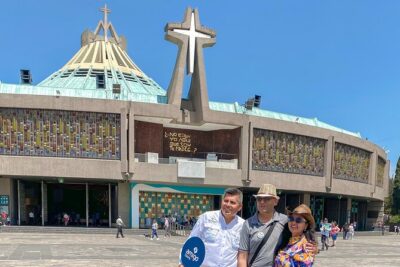
Teotihuacan, Guadalupe Shrine & Tlatelolco Day Tour with Lunch
Read our review →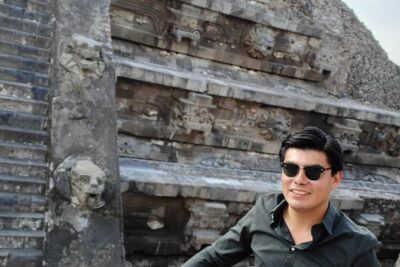
Teotihuacan pyramids morning or afternoon without tourist traps
Read our review →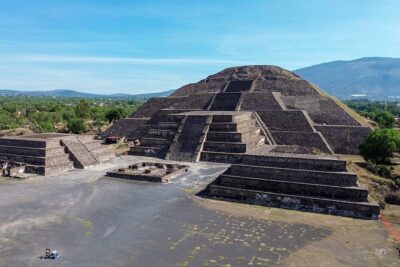
Teotihuacan Early Access Guided Tour with optional Lunch
Read our review →
Teotihuacan, Tlatelolco & Guadalupe Shrine Tour
Read our review →
Teotihuacan Hot Air Balloon Flight from Mexico City / Volare
Read our review →
Balloon flight + pick up in CDMX + Breakfast in Cave + Teotihuacan
Read our review →
Browse the lists this tour appears in