
Reviewed · MEXICAN COOKING CLASSES
Mexico City: Mexican Salsas Cooking Class and Market Tour
Mexico City’s salsa culture gets its proper stage here: a market tasting walk followed by a hands-on class where you prepare 10 different salsas and eat them with tacos. You begin at Aura Cocina Mexicana in Roma Norte, then head to Mercado de Medellín for native corn quesadillas, cacao, chilies, unusual snacks, fruit, and ice cream.
I like the small group, limited to seven people, because the chef can adjust the heat to suit each person. I also like that the class covers several methods, including roasting, frying, cooking, and making raw sauces. The main consideration is the length: four and a half hours, with plenty of food and drink, may feel like too much if you want only a quick cooking lesson. Nut allergies, mobility limits, and children under 12 are also concerns.
In This Review
- Key points at a glance
- Starting at Aura Cocina Mexicana in Roma Norte
- Mercado de Medellín, one bite at a time
- Insects, native fruit, and a cold finish
- Making ten sauces with ten different moods
- Tacos, appetizers, and a proper salsa test
- What the small group changes
- Is $186 a fair price?
- Who should book this class?
- Practical details before you go
- Should you book the salsa class?
- FAQ
- Where does the Mexican salsa cooking class meet?
- How long does the experience last?
- How many people are in the cooking group?
- Which languages are available?
- What foods do you taste during the market tour?
- Which salsas do you prepare?
- What is served with the salsas?
- Are drinks included?
- Is the class suitable for children or people with allergies?
Key points at a glance
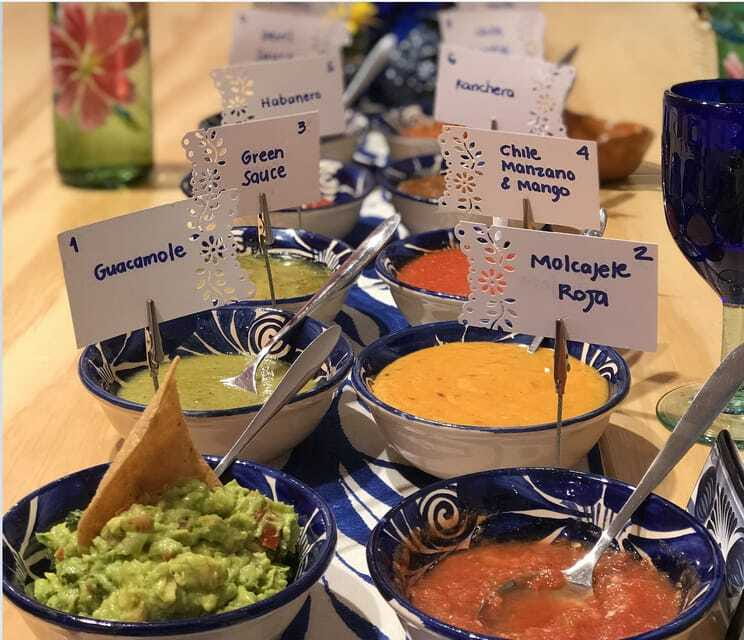
- Ten salsas in one class: Prepare guacamole, molcajete sauce, green sauce, ranchera sauce, habanero sauce, chipotle sauce, and four other Mexican favorites.
- Mercado de Medellín tasting tour: Try native-corn quesadillas, raw cacao, Oaxacan chocolate, seasonal fruit, insects, and hand-made ice cream.
- Heat levels can be adjusted: Chef Pame is especially praised for adapting the salsa spice to each person.
- A genuine small-group format: No more than seven participants share the studio, chef, ingredients, and meal.
- A full lunch with drinks: Match the sauces with tacos and appetizers, then add agua fresca, mezcal, and Mexican craft beer.
- Recipes go home with you: Printed recipes turn the class into a useful Mexico City souvenir rather than a meal that ends at the table.
Starting at Aura Cocina Mexicana in Roma Norte
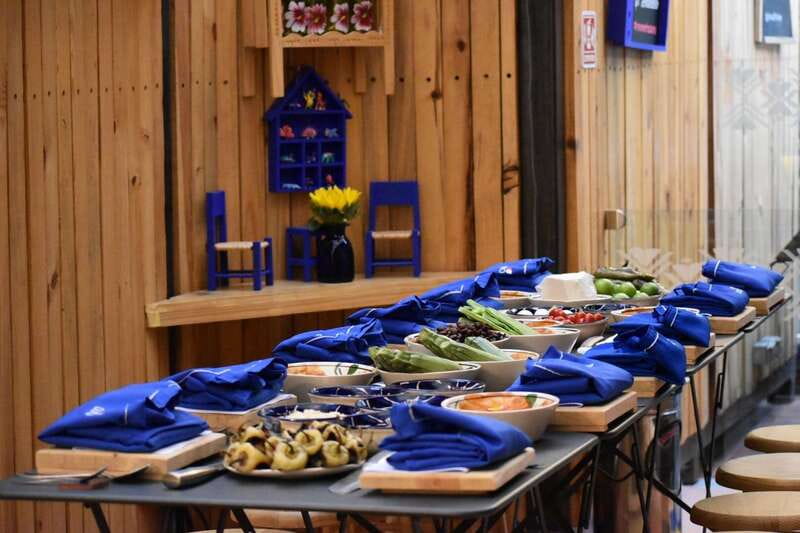
The meeting point is easy to describe but worth checking carefully. Find Medellín Street between Chiapas Street and Tapachula Street, and look for Aura Cocina Mexicana’s blue shopfront at Medellín 191A. Street numbers do not rise in a neat order, so rely on the blue frontage rather than assuming the numbers will guide you.
The class begins in a contemporary studio in Roma Norte. You meet the chef over agua fresca, a fruity non-alcoholic drink that gives you an early taste of Mexican hospitality without starting the day with alcohol. Coffee made from selected Mexican beans or a special infusion is also available while the group settles in.
This opening matters because the class is not just a recipe demonstration. The chef talks about Mexican food and its background before the group heads to the market. That short introduction gives you a frame for what comes next: corn is not simply an ingredient, chilies are not all about heat, and salsa is not one standard red sauce poured over everything.
The instructors have included Pame, Lorena, and Krystel. Pame receives particular praise for her work with chilies and for giving each person a suitable spice level. That is useful in a group setting, since one diner may enjoy a strong habanero kick while another prefers a gentler version.
More Mexican cooking classes:
- Mexican Cooking Class with Food Market Visit in Mexico City
★ 5.0 · 506 reviews - Essence of Mexico: Authentic Mexican Cooking Class & Market Tour
★ 5.0 · 289 reviews - Mexican Cooking Class & Cocktails in Mexico City
★ 5.0 · 134 reviews
Mercado de Medellín, one bite at a time
The walk to Mercado de Medellín brings you into a local market setting rather than a staged food hall. The guide explains the market’s history and the role of its halls, then moves through selected stalls and tasting stops.
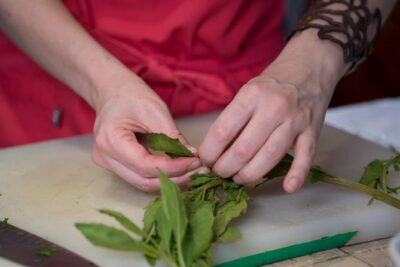
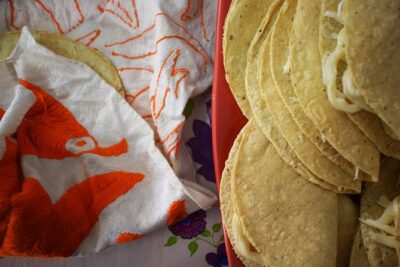
At an organic tortillería, you taste quesadillas made from native corn and see the traditional nixtamalization process. Nixtamalization treats corn before grinding it into masa, and it is central to the flavor and texture of many Mexican corn foods. Seeing the process helps you understand why a fresh tortilla can taste so different from a packaged one.
The quesadilla stop is especially useful for anyone who thinks Mexican cooking begins with a supermarket tortilla. Here, the tortilla itself gets attention. You are not just eating a filling wrapped in corn. You are sampling a food with a long production method and a distinct connection to local corn varieties.
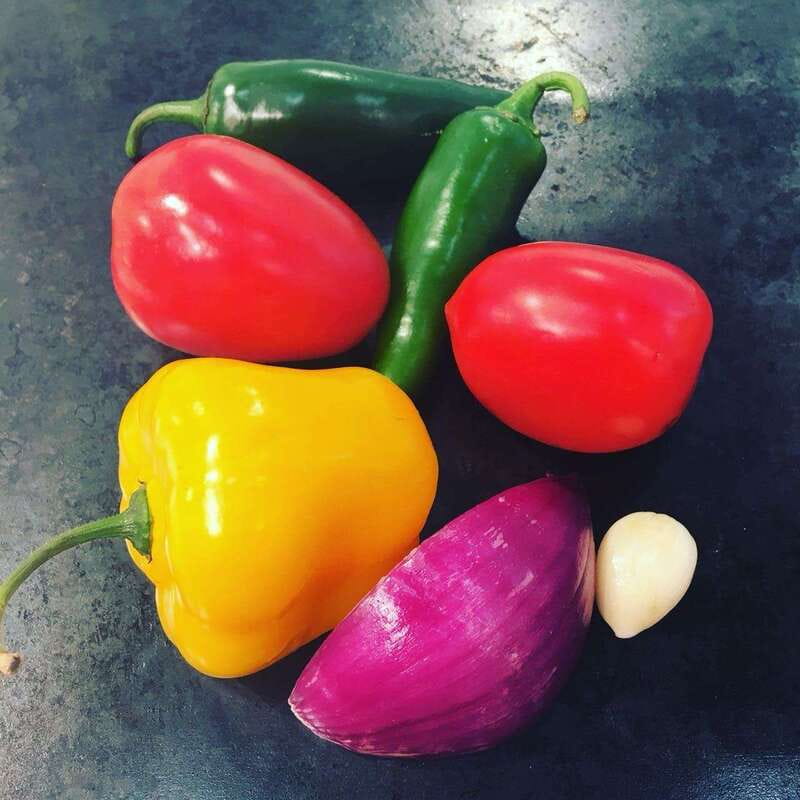
A chili stand provides another practical lesson. The guide introduces different chili types, which helps separate flavor from heat. Some chilies bring smoke, fruit, earth, or a raisin-like sweetness. Others bring a sharp burn. That distinction becomes important later, when you make ten sauces and decide how much heat belongs in your own bowl.
The cacao tasting moves in a different direction. You try 100 percent raw cacao and hand-made artisanal chocolate from Oaxaca. The contrast lets you notice the difference between a very pure cacao flavor and a prepared chocolate product. It is a small tasting, but one that gives the market visit more range than a standard taco stop.
Insects, native fruit, and a cold finish
The market tour includes some food choices that may test your comfort zone. You can encounter crickets, chicatana, which are flying ants, and chinicuil, a type of worm. These are presented as flavors to discover, not as a forced stunt, but you should expect the guide to include them in the tasting conversation.
I like this part because it treats Mexican food as broader than the familiar dishes found on tourist menus. Still, you should be honest with yourself before booking. If insects are a hard no, this portion may not be enjoyable, even though the rest of the tour offers plenty of other foods.
Seasonal native fruits may include mamey, chicozapote, and tuna. Their names alone do not tell you much, and tasting them is the best way to learn their differences. You also stop for hand-crafted ice cream, which gives the market walk a sweet, cool finish before returning to the studio.
Because the experience runs for four and a half hours, the market section is not a quick photo stop. You spend time tasting and hearing explanations, then return to the kitchen with a better sense of the ingredients. Wear comfortable shoes and clothes. The market walk and the cooking session both reward practical dress.
Making ten sauces with ten different moods
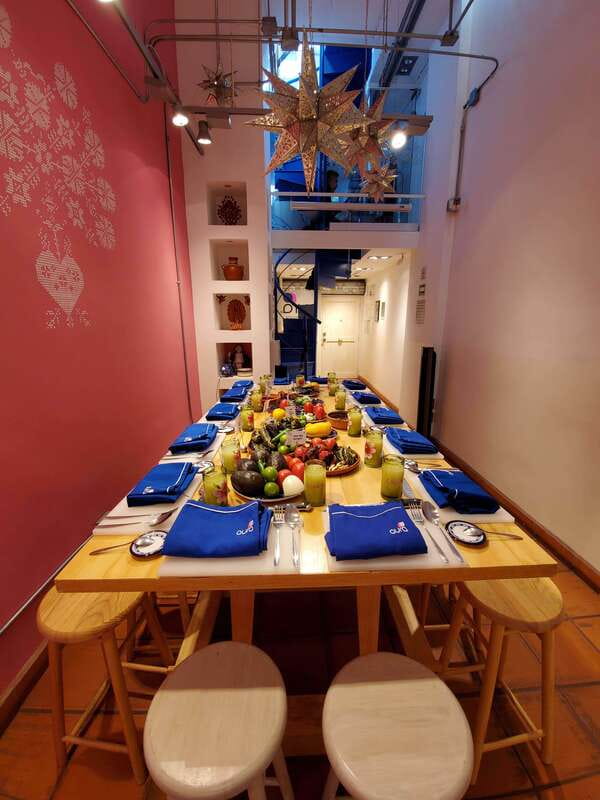
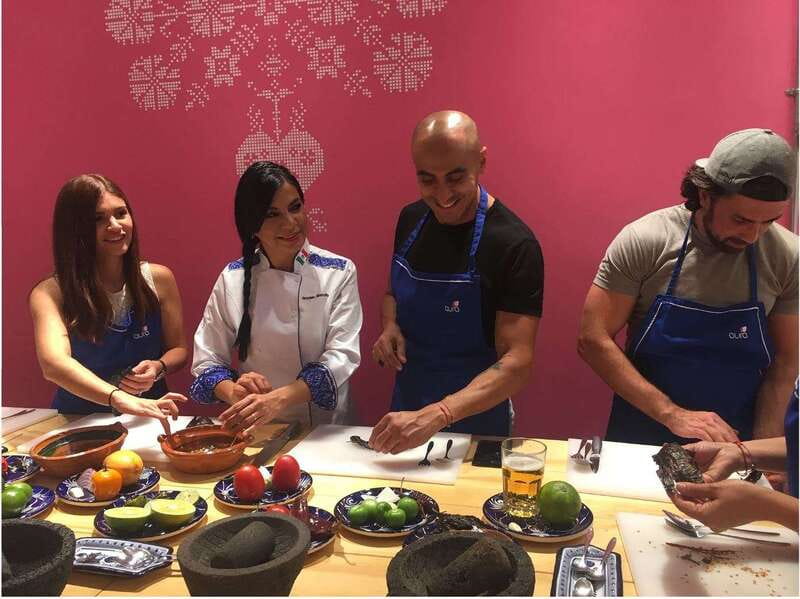
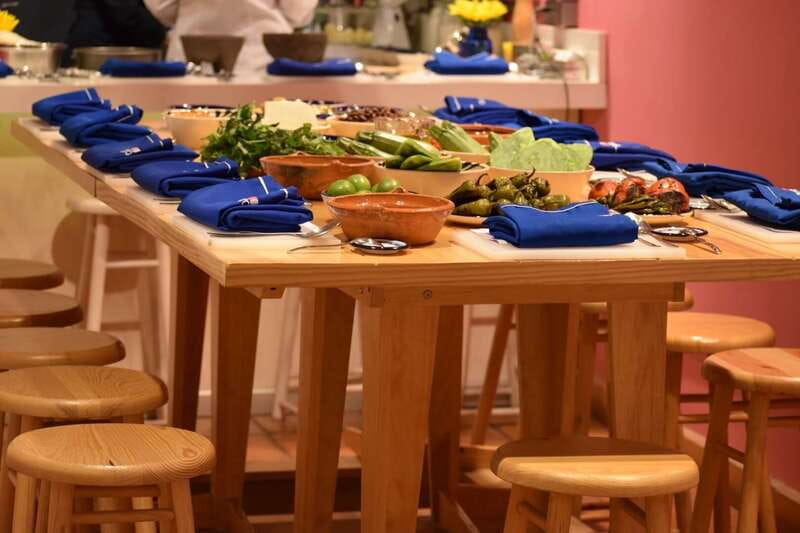
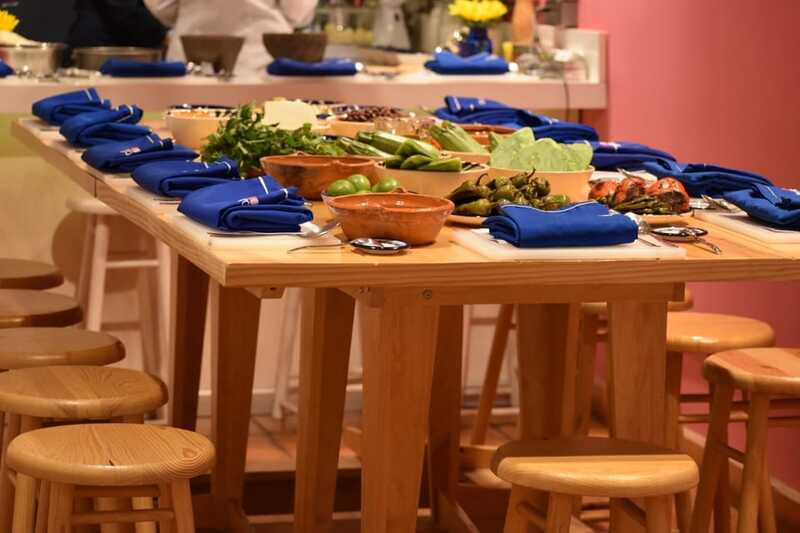
Back at Aura Cocina Mexicana, the hands-on portion begins. You prepare ten sauces using several techniques: roasting, cooking, frying, and combining ingredients raw. This range is the heart of the class. It shows that salsa is a method as much as a recipe.
The lineup includes:
- Traditional guacamole
- Red molcajete sauce
- Green sauce
- Ranchera sauce
- Mango and chile manzano sauce
- Habanero sauce
- Devil’s sauce
- Chile morita with nuts sauce
- Chipotle sauce
- Salsa borracha, or drunken sauce
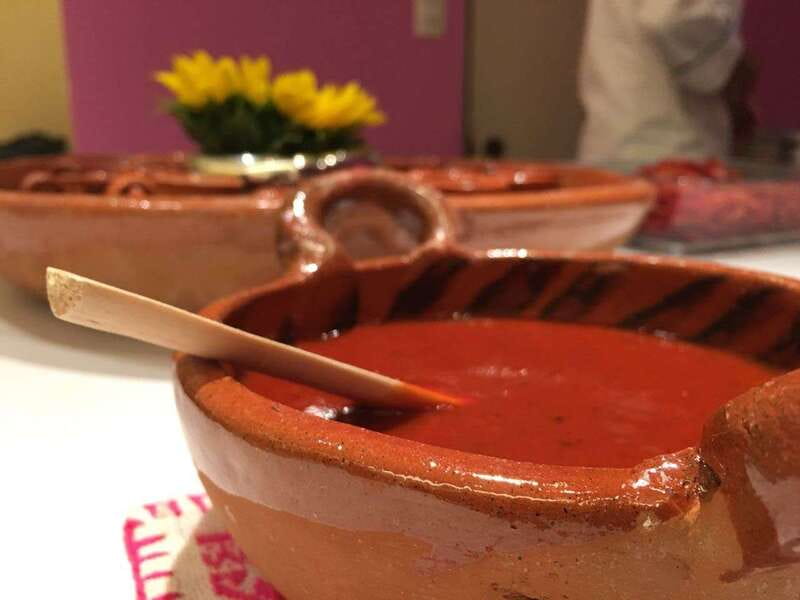
The sauces give you a good survey of Mexican flavor. Guacamole is fresh and creamy. A molcajete sauce points toward roasted ingredients and a stone-ground texture. Green sauce brings a different balance from red sauce, while ranchera sauce fits the familiar cooked tomato style.
The fruit-based mango and chile manzano sauce shows that salsa can be sweet, sharp, and hot at once. Habanero and devil’s sauce are for people who want a stronger kick, though the chef can adapt the level. Chile morita with nuts and chipotle bring smoky notes, while salsa borracha adds another traditional direction.
The class is useful because you can watch how the same broad ingredients change under heat. Roasting can bring out a darker flavor. Frying can add depth and body. Raw preparation keeps ingredients bright and direct. You leave with more than ten names on a page. You gain a working sense of why a sauce tastes the way it does.
An apron is provided, which is a small but welcome touch. You will still want comfortable clothing, especially if you plan to walk around Roma Norte afterward. The kitchen is intended for participation, so do not book this expecting to sit quietly while a chef does all the work.
A few more Mexico City half-days to weigh up
- Private Mexican Cooking Class with Gastronomic Historian, Lucia
★ 5.0 · 110 reviews - Mexican Churros Master Class
★ 5.0 · 91 reviews - Mexico City: Mexican Cooking Class
★ 4.8 · 85 reviews - 3h Cooking Class in Mexico City: 8 Recipes & Bottomless Drinks
★ 5.0 · 59 reviews
Tacos, appetizers, and a proper salsa test
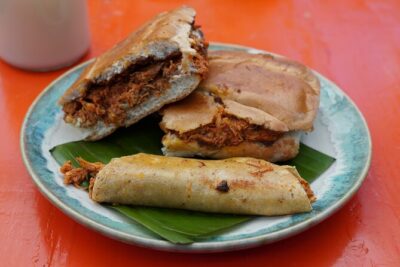
Once the sauces are ready, you eat them with street-food tacos and appetizers. Fillings can include cochinita pibil, cecina, roasted potatoes, scrambled eggs, sautéed mushrooms, cactus leaves, zucchini, fried beans, and quesadillas.
This variety is one of the strongest parts of the meal. You can see how one salsa changes when paired with pork, eggs, vegetables, beans, or cheese. The point is not merely to eat ten sauces in a row. It is to learn which flavors work with which fillings.
Cochinita pibil gives you a hearty meat pairing, while cecina offers another savory option. Roasted potatoes, eggs, mushrooms, cactus leaves, zucchini, beans, and quesadillas make the meal friendlier to different tastes. The menu includes enough range that you are not limited to a single type of taco.
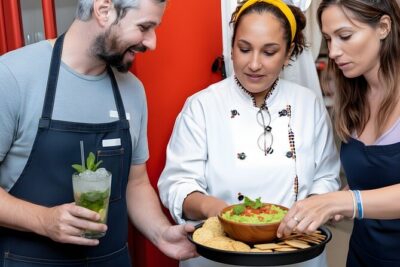
Drinks include agua fresca, artisanal mezcal, and Mexican craft beer. The agua fresca is the non-alcoholic choice, while mezcal and beer make the meal more festive. Since both alcohol and a large meal are included, plan the rest of your day gently. This is not the best lead-in to a tightly scheduled museum visit across town.
The meal also gives the class a family-style feel. The cooking school is family owned, and the kitchen team is part of the service. You sit down to eat what the group has made, rather than receiving a separate restaurant plate that hides the work behind it.
What the small group changes
Seven participants is a useful limit for this type of activity. A salsa class can become frustrating when too many people crowd around one work surface or wait for a turn with the ingredients. Here, the chef has a better chance to answer questions and keep an eye on spice preferences.
I would especially value the small group if I wanted to improve my cooking rather than collect a few holiday photos. You can ask why a sauce is roasted, how a chili affects the flavor, or what filling suits it best. The chef can also adjust the heat, which makes the tasting more comfortable for people with different tolerances.
The published feedback gives a clear picture of the teaching style. Pame is described as funny, friendly, and especially strong on chilies and salsas. Lorena led another class that began with a snack and food background before moving to the market and kitchen. Krystel was praised for making the session interactive and for explaining technique, history, and culture.
Those details suggest that the guide matters here. The core food plan remains the same, but the tone can change with the person leading it. You should expect English or Spanish instruction, and you may want to confirm your preferred language when booking.
Is $186 a fair price?
At $186 per person, this is not a budget cooking class. The value depends on how you use the four and a half hours. You receive a chef guide, market tour, ingredients, printed recipes, lunch, beer, and mezcal. You also get a guided tasting of foods that would be difficult to arrange with the same context on your own.
I think the price makes more sense if you want a full food experience rather than a single cooking lesson. The market visit and tastings add time and content, while the small group gives the session a more personal scale. Ten recipes also make the printed materials more useful after you return home.
The price may feel high if you mainly want to learn one basic salsa or eat tacos. You could spend less at a market and restaurant, but you would not get the guided route, ingredient explanations, kitchen practice, and recipe pack in one organized experience.
No hotel pickup or drop-off is included. You need to make your own way to Medellín Street in Roma Norte, so allow time to find the blue storefront and account for the irregular street numbering.
Who should book this class?
I would choose this experience for an adult or older teenager who enjoys food, likes asking questions, and wants to cook rather than just watch. It suits someone visiting Mexico City who wants a neighborhood market, a practical activity, and a substantial meal in one morning or afternoon.
It is also a good fit for cooks at different levels. Beginners can learn the basic logic of salsa preparation, while more experienced home cooks can compare roasting, frying, raw blending, and chili combinations. The printed recipes make it easier to repeat the dishes at home.
The experience is less suitable for children under 12. It is also not suitable for people with nut allergies, since one of the sauces uses nuts and the food environment may include them. People with mobility impairments should avoid booking because the experience includes walking through the market and moving through a cooking studio.
Spice tolerance deserves a separate note. The chef can adapt the sauces to different heat levels, but the class is still built around chilies. If you dislike spicy food, tell the chef early and take advantage of the adjustments rather than trying to prove something with a habanero.
Practical details before you go
The total duration is four and a half hours, with starting times depending on availability. Since the class includes a market walk, food tastings, cooking, lunch, and alcoholic drinks, keep your schedule open around it.
Wear comfortable shoes for the market and comfortable clothing for the kitchen. An apron is provided, but you should still dress for active food preparation.
Free cancellation is available up to 24 hours before the experience for a full refund. You can also reserve now and pay later, which helps if your Mexico City plans are still changing.
The activity is offered in English and Spanish. The group size is limited to seven participants, and the chef guide, market tour, ingredients, recipes, lunch, beer, and mezcal are included. Hotel transportation is not.
Should you book the salsa class?
Book it if you want to understand Mexican food through ingredients, technique, and eating. The strongest reasons are the small group, the ten-salsa format, the market tastings, and the chance to adjust the spice level. You also leave with recipes you can use, not just a full stomach.
Skip it if you want a short, inexpensive lesson, cannot eat nuts, have mobility limits, or dislike the idea of tasting insects and hot chilies. For everyone else, $186 buys a long and well-filled food experience, especially valuable if you want a guided introduction to Mexican markets and home-style salsa making in Roma Norte.
FAQ
Where does the Mexican salsa cooking class meet?
Meet at Aura Cocina Mexicana, Medellín 191A, on Medellín Street between Chiapas Street and Tapachula Street in Roma Norte. Look for the blue shopfront because the house numbers do not ascend in order.
How long does the experience last?
The experience lasts four and a half hours.
How many people are in the cooking group?
The group is limited to seven participants.
Which languages are available?
The class is offered in English and Spanish.
What foods do you taste during the market tour?
You may taste native-corn quesadillas, different chilies, raw cacao, hand-made Oaxacan chocolate, crickets, chicatana, chinicuil, seasonal native fruits, and hand-crafted ice cream.
Which salsas do you prepare?
You prepare traditional guacamole, red molcajete sauce, green sauce, ranchera sauce, mango and chile manzano sauce, habanero sauce, devil’s sauce, chile morita with nuts sauce, chipotle sauce, and salsa borracha.
What is served with the salsas?
The salsas are served with street-food tacos and appetizers. Fillings may include cochinita pibil, cecina, roasted potatoes, scrambled eggs, sautéed mushrooms, cactus leaves, zucchini, fried beans, and quesadillas.
Are drinks included?
Yes. The experience includes agua fresca, artisanal mezcal, and Mexican craft beer.
Is the class suitable for children or people with allergies?
Children under 12 are not permitted. The experience is not suitable for people with nut allergies or mobility impairments.
More Shopping Tours in Mexico City
- Teotihuacan without obligatory stops. No shops or restaurants.
★ 5.0 · 527 reviews - Mexican Street Tacos Hands-on Cooking Class and Market Tour
★ 5.0 · 37 reviews - Mastering Mexican Salsas Cooking Class and Market Tour
★ 5.0 · 35 reviews - Market Tour and Home Cooking Class in Mexico City with Margarita
★ 5.0 · 30 reviews
More Market Visits in Mexico City
- Xochimilco: Market, Food and Nature ¡All included! Tour
★ 4.9 · 107 reviews - Ticket Museum Frida Kahlo and tasting in Coyoacan Market
★ 5.0 · 40 reviews - Mexico City: Authentic Mexican Cooking Class & Market Tour
★ 4.7 · 39 reviews - Frida Kahlo VIP-Walk, Market and Churros Museum Tickets Included
★ 5.0 · 38 reviews
Just added around Mexico City
- Ticket to Frida Kahlo Museum (Blue House)★ 5.0 · 3 reviews
- Valle de Bravo: Forest Hiking Adventure★ 4.4 · 3 reviews
- Chapultepec Castle and Anthropology Tour, starting from CDMX★ 5.0 · 3 reviews
- La Roma Private Art Tour★ 5.0 · 3 reviews
- Private Transportation: Pickup and Drop-Off★ 5.0 · 3 reviews
- Mexico City: Relaxing or Decontracting Massage Experience★ 5.0 · 3 reviews
- Grutas de Tulantongo★ 3.0 · 3 reviews
- Mexico City: Local Walking Tour with Mezcal & Wrestling Show★ 5.0 · 3 reviews
Mexican Cooking Classes, compared.
Mexican Cooking Class with Food Market Visit in Mexico City
Read our review →
Essence of Mexico: Authentic Mexican Cooking Class & Market Tour
Read our review →
Mexican Cooking Class & Cocktails in Mexico City
Read our review →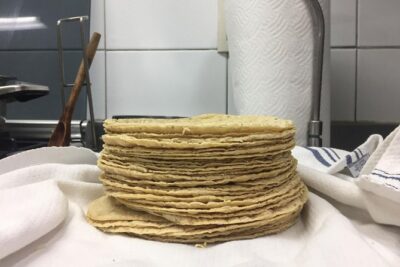
Private Mexican Cooking Class with Gastronomic Historian, Lucia
Read our review →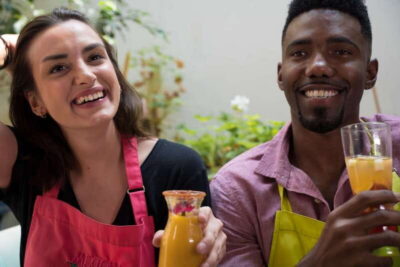
3h Cooking Class in Mexico City: 8 Recipes & Bottomless Drinks
Read our review →Browse the lists this tour appears in