
Reviewed · ANTHROPOLOGY MUSEUM TOURS
Museo Nacional de Antropología – Small Groups
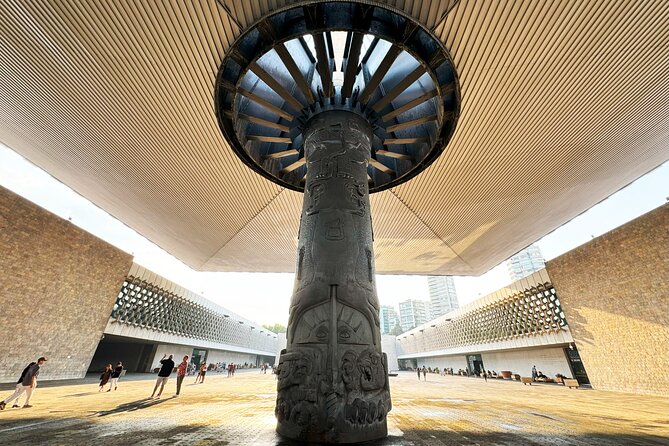
The most useful thing about this tour is its clear plan: instead of wandering through Mexico City’s enormous National Anthropology Museum, you focus on six of its 11 archaeology rooms and use major objects to follow Mesoamerica’s story before the fall of Mexico Tenochtitlan in August 1521. The tour also explains the thinking behind the museum’s design, a detail that helps the building itself make more sense.
I like the maximum group size of six, which gives the visit a calm, personal feel. I also like Raúl’s approach. He is an artist, researcher, and official guide with training in archaeology and history, and his English explanations turn Spanish-only labels into useful context.
The main drawback is time. Three hours sounds generous, but this museum is vast, and the pace can be slow when a guide explains objects properly. One guest spent four hours with Raúl and reached only four rooms, so you should see this as a focused introduction, not a complete museum tour. Admission is also extra at MX$210 per person.
In This Review
- Key points to know before you book
- Why this museum deserves a guided first visit
- The route through six archaeology rooms
- Olmec objects and early Mesoamerica
- Zapotec culture and the movement of ideas
- Teotihuacan and the scale of an ancient city
- Mexica history before August 1521
- Objects made from gold, jade, and obsidian
- Raúl’s guiding style and the English advantage
- Small-group pacing and physical demands
- Price, admission, and what the tour is worth
- Meeting at the museum and planning your visit
- Who should book this museum tour?
- My recommendation
- FAQ
- How long is the Museo Nacional de Antropología small-group tour?
- How many people can join the group?
- Is museum admission included in the tour price?
- What language is the tour offered in?
- Where does the tour start and end?
- Can I cancel for a full refund?
Key points to know before you book
- Six archaeology rooms in three hours: You get a focused route through major cultures rather than a hurried sweep of the entire museum.
- Raúl leads the experience: Expect an English-speaking guide who connects art, archaeology, museum design, and political history.
- Small group, maximum six people: This makes it easier to ask questions and take seated breaks when needed.
- Olmec to Mexica coverage: Objects from Olmec, Zapotec, Teotihuacan, and Mexica cultures form the backbone of the visit.
- Admission costs extra: Buy the museum ticket through the official museum website, not through another seller.
- Look for the guide at the meeting point: The museum entrance can be crowded, and a sign or other clear identifier would make the meeting easier.
Why this museum deserves a guided first visit
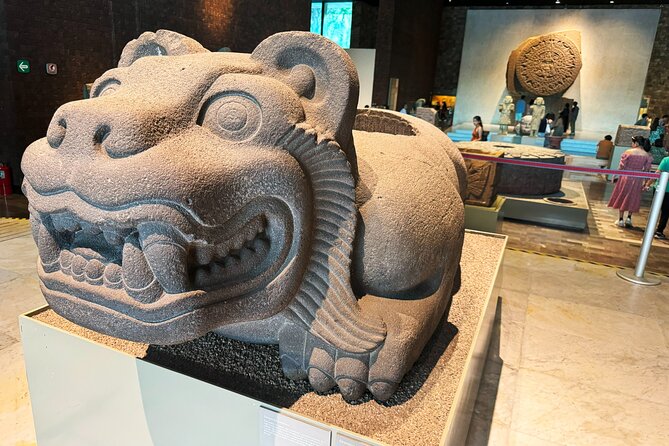
Mexico City’s National Anthropology Museum is not a place you casually skim in an hour. Its archaeology rooms cover major civilizations across Mesoamerica, and the objects range from monumental stone sculpture to finely worked pieces made from gold, jade, and obsidian.
The challenge is not a lack of things to see. It is knowing what deserves your attention and how the objects connect. A guide gives you a route and a story, so you are less likely to spend your energy reading every Spanish label or walking past an important piece without understanding why it matters.
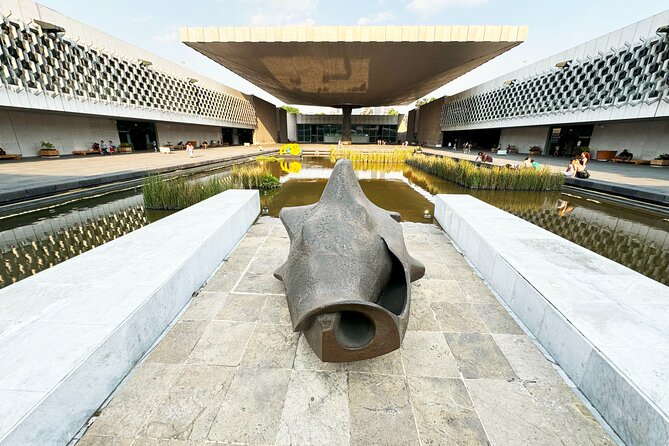
This experience begins with the project behind the museum’s design. That is a useful starting point because the building was created to present Mexico’s Indigenous cultures in a particular way. You will not only look at artifacts. You will also consider how the museum organizes time, culture, and national identity.
Raúl’s role is especially valuable for English speakers. He explains the exhibits in clear English, which matters because the signs are in Spanish. You can still visit independently, but you may miss the links between an object’s material, use, cultural setting, and place in the wider story.
More visits to the Anthropology Museum:
- Chapultepec Castle & Anthropology Museum Tour
★ 4.5 · 1,348 reviews - Anthropology Museum Guided Tour
★ 4.5 · 1,035 reviews - Mexico City: Anthropology Museum Guided Visit
★ 4.4 · 708 reviews
The route through six archaeology rooms
The tour focuses on six of the museum’s 11 archaeology rooms. That choice keeps the three-hour visit manageable, though it also means you will not see every section.
You begin with the cultures that shaped Mesoamerica long before the Mexica ruled the area around Mexico Tenochtitlan. The precise order can depend on the guide’s route and the group, but the stated focus includes Olmec, Zapotec, Teotihuacan, and Mexica material.
Olmec objects and early Mesoamerica
The Olmec material gives you a starting point for understanding early Mesoamerican societies. Rather than treating the Olmec as a brief preface, the guide uses their objects to show how complex social and religious ideas developed over time.
This is where a good explanation matters. Museum displays can make cultures look like isolated chapters, while the tour helps you consider how later societies inherited, changed, or reworked earlier ideas.
You should expect to spend time looking closely at selected pieces instead of trying to see every object in the room. That is one of the trade-offs of a guided visit. You cover less ground, but the objects you do examine receive more attention.
Zapotec culture and the movement of ideas
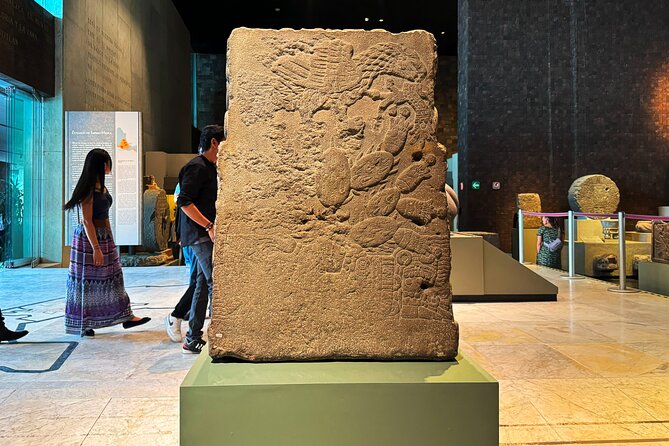
The Zapotec room adds another part of the Mesoamerican picture. The tour uses its objects as evidence of social structure, belief, and artistic skill, helping you see that Mesoamerica was not one single culture with one shared identity.
This section is useful if you plan to visit Monte Albán later. One guest found that the museum tour made a later visit to Monte Albán more meaningful, and that makes sense: seeing museum objects first can give an archaeological site more context.
The guide’s value here is not simply naming the culture or date. It is explaining how to read what you are seeing. Materials, scale, subject matter, and craftsmanship all offer clues about the society that produced an object.
A completely different day out, same corner of Mexico City:
- Teotihuacan, Guadalupe Shrine & Tlatelolco Day Tour with Lunch
★ 5.0 · 11,603 reviews - Xochimilco, Coyoacan and Frida Kahlo with Optional Lunch
★ 4.5 · 7,320 reviews - Balloon flight + Breakfast in cave + Pyramids + Pick up CDMX.
★ 5.0 · 6,335 reviews - Teotihuacan pyramids morning or afternoon without tourist traps
★ 5.0 · 6,186 reviews
Teotihuacan and the scale of an ancient city
Teotihuacan receives attention as one of the major cultures represented in the museum. The collection helps set up a visit to the pyramids, especially if you are planning to go there after your time in Mexico City.
A museum cannot reproduce the feeling of standing beside Teotihuacan’s enormous pyramids, but it can help you recognize the city as more than a collection of famous structures. Objects give you a closer look at the people, beliefs, and systems behind the monumental site.
This is one of the strongest reasons to schedule the museum before a pyramid excursion. You will have a better frame for what you see outside the city, rather than arriving with only the usual postcard view of the ruins.
Mexica history before August 1521
The Mexica rooms bring the story closer to the fall of Mexico Tenochtitlan in August 1521. The tour aims to give you a clear understanding of the cultures that inhabited Mesoamerica before that turning point.
The emphasis is not only on conquest. You also learn about the society that built and maintained a powerful capital, created sophisticated art, and developed complex religious and political systems.
This section may be especially useful if you are exploring central Mexico afterward. It gives you a better basis for understanding the relationship between Indigenous societies and the Spanish invasion, while keeping the focus on the cultures that existed before the fall of the city.
Objects made from gold, jade, and obsidian
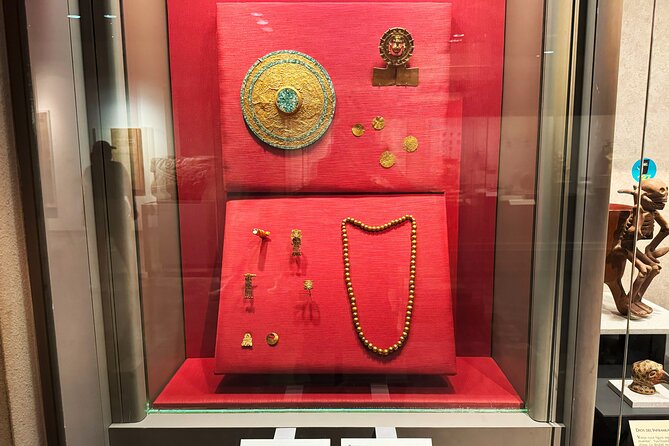
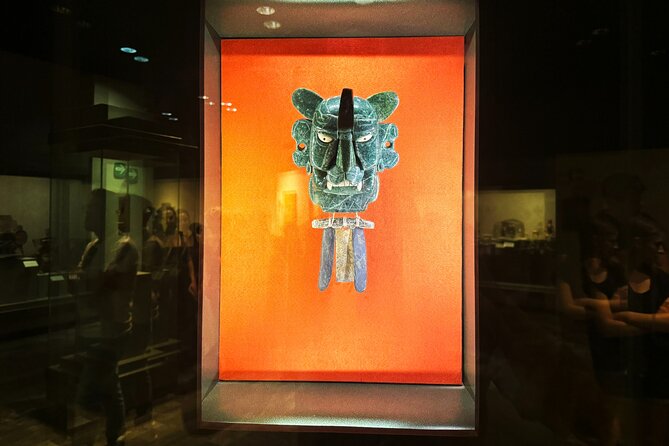
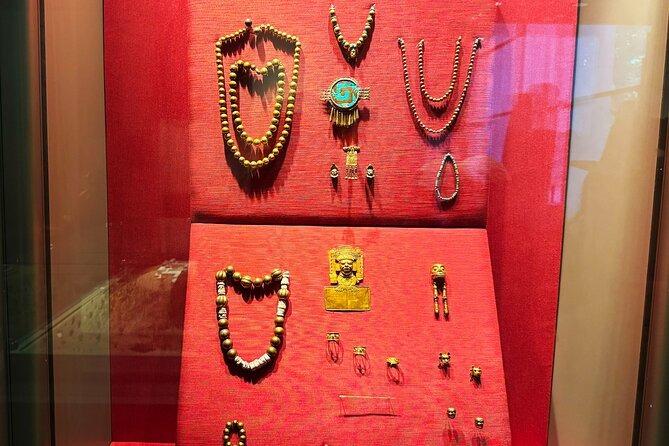
One of the most memorable details connected to this visit is the story of a major theft on December 25, 1985. Some of the museum’s pieces made from gold, jade, and obsidian were stolen that day.
That fact changes the way you look at the collection. These are not simply beautiful objects behind glass. They also carry stories about national heritage, museum security, cultural ownership, and the value placed on ancient materials.
Ask Raúl about this part of the museum’s past. The supplied tour information specifically points to the theft as one of the stories he can tell, and it is exactly the kind of detail you might miss while moving from case to case on your own.
The materials themselves also help you read the exhibits. Gold, jade, and obsidian were not interchangeable decoration. Their appearance, rarity, and practical or ceremonial uses give clues about status and belief. A guide can help you notice those details without turning the visit into a long list of dates.
Raúl’s guiding style and the English advantage
The strongest praise for this experience centers on Raúl’s command of the subject and his ability to explain it in an engaging way. He is described as passionate, detailed, professional, and easy to follow. Those qualities matter more here than a fast delivery or a rehearsed speech.
You can expect a guide who takes the cultures seriously and tries to make the past feel understandable rather than remote. His background as an artist, researcher, official tourist guide, and someone trained in archaeology and history gives him several ways to approach an object.
The English language service is another practical benefit. Because the museum signs are in Spanish, you would otherwise need to translate as you go or accept that some details will remain unclear. Raúl’s English was praised as very good, and the explanations helped make the museum more accessible.
The tour is also independent rather than attached to a large company. That can appeal to you if you prefer a more personal connection with the person leading the visit. It may also mean the experience feels less standardized, which some people like and others may find less predictable.
Small-group pacing and physical demands
With no more than six people, this is far smaller than a typical museum group. You should have more room to ask questions, hear the guide, and stay close to the objects being discussed.
The small size also helps if someone in your group needs a pause. Raúl took seated breaks for a guest who could not stand for long periods and continued explaining the material during those rests. That suggests a considerate pace, though you should still arrive with a moderate level of physical fitness as requested for the activity.
Do not assume that a three-hour museum visit means three easy hours. You will be on your feet for much of the experience, moving through several rooms and stopping often. Comfortable shoes and a willingness to walk at a steady pace will help.
The pace can be a strength or a weakness. If you enjoy careful explanations, the time may pass quickly. If you want to see all 11 archaeology rooms, you may feel restricted. One account of a longer visit with Raúl reached only four rooms in four hours, so the six-room plan should be understood as an ambitious target rather than a promise that every room will receive equal time.
Price, admission, and what the tour is worth
The tour costs $83.63 per person, and the museum admission fee is separate at MX$210 per person. That makes the total cost higher than simply buying a ticket and walking in, so the value depends on how much help you want inside the museum.
I think the price makes more sense for a first visit, an English-speaking visitor, or anyone who wants a clear cultural framework before visiting Teotihuacan or Monte Albán. You are paying for selection, interpretation, and the chance to ask questions in a very small group.
It is less convincing if you already know Mesoamerican archaeology well or prefer to spend an entire day moving at your own pace. An independent visit lets you see more rooms and return to objects that catch your eye.
The extra admission fee is easy to overlook when comparing tours. You should budget for both costs, and you should buy the museum ticket through the museum’s official site. The instructions specifically warn against buying it elsewhere.
Meeting at the museum and planning your visit
The meeting point is the Museo Nacional de Antropología on Avenida Paseo de la Reforma in the Polanco area of Bosque de Chapultepec. The activity ends at the same place, so you do not need to arrange a separate final drop-off.
The museum is near public transportation, which makes the location practical for a Mexico City sightseeing day. Still, give yourself enough time to reach the entrance and find the guide. The building can have hundreds of people around the meeting area, and one useful tip is to look for a clear sign or ask directly for Raúl if you do not spot him right away.
The activity is offered in English and uses a mobile ticket. Confirmation arrives when you book. You can cancel for a full refund up to 24 hours before the start time, but changes or cancellations inside that 24-hour window are not accepted.
The experience is recommended by 94 percent of purchasers and has a 4.7 rating from 33 reviews. Those numbers suggest a reliable choice, but they should not erase the practical limits: the museum is large, admission is separate, and a focused tour cannot cover everything.
Who should book this museum tour?
I would choose this experience if you are visiting the National Anthropology Museum for the first time and want more than labels and room numbers. It is particularly well suited to English speakers, people planning visits to Teotihuacan or Monte Albán, and anyone who likes history explained through a small number of important objects.
It also suits families or mixed-age groups who may benefit from stopping for seated breaks. The maximum of six people gives you a better chance to ask questions without holding up a large crowd.
You may want another option if your priority is total freedom. Independent visitors can stay as long as they like, skip rooms, or spend a full day exploring all 11 archaeology sections. This tour asks you to accept a set route and a guide-led pace.
My recommendation
Book it if you want the museum to prepare you for the rest of your Mexico trip. Raúl’s clear English, strong background, and personal style are the main reasons to choose it, while the small group keeps the experience relaxed and interactive.
Go in knowing that six rooms in three hours is a selective visit, not a complete survey. Add the MX$210 admission fee to your budget, arrive early enough to locate the guide, and keep time afterward if you want to explore more on your own. For a focused introduction to Olmec, Zapotec, Teotihuacan, and Mexica cultures, this is a strong pick.
FAQ
How long is the Museo Nacional de Antropología small-group tour?
The tour lasts approximately three hours.
How many people can join the group?
The group has a maximum of six travelers.
Is museum admission included in the tour price?
No. Admission is separate and costs MX$210 per person. Tickets should be purchased through the museum’s official website.
What language is the tour offered in?
The tour is offered in English.
Where does the tour start and end?
It starts at the Museo Nacional de Antropología on Avenida Paseo de la Reforma in Mexico City and ends back at the meeting point.
Can I cancel for a full refund?
Yes. You can cancel at least 24 hours before the experience start time for a full refund. Cancellations or changes made less than 24 hours before the start time are not accepted.
Just added around Mexico City
- Mexico City: Hop-on Hop-off City Tour by Turibus 2-Day Pass★ 4.0 · 10 reviews
- Anthropology Museum, Chapultepec Castle & Cable Car Tour★ 4.5 · 10 reviews
- Multi-Variety Mole Class in a Condesa home or art gallery rooftop★ 5.0 · 10 reviews
- PRIVATE TOUR Colonial Town Taxco and Cuernavaca from CDMX.★ 5.0 · 10 reviews
- El Centro Street Food Walking Tour★ 5.0 · 10 reviews
- Private Round-Trip Transportation to Teotihuacan Pyramids★ 5.0 · 10 reviews
- Teotihuacan and My Grandma’s Food Tour★ 5.0 · 10 reviews
- Private Walking Tour Legends and Events Historic Center CDMX★ 4.8 · 10 reviews
Anthropology Museum Tours, compared.
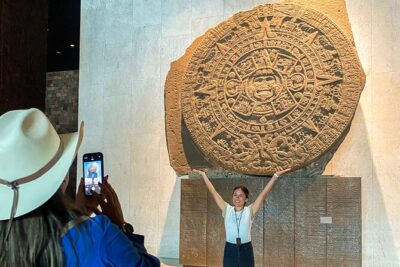
Chapultepec Castle & Anthropology Museum Tour
Read our review →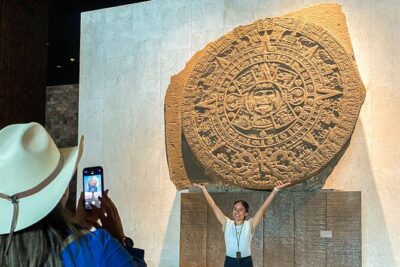
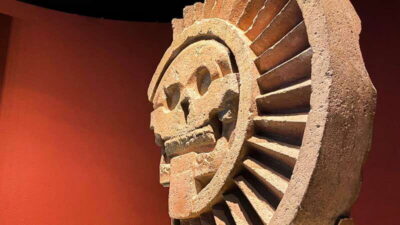
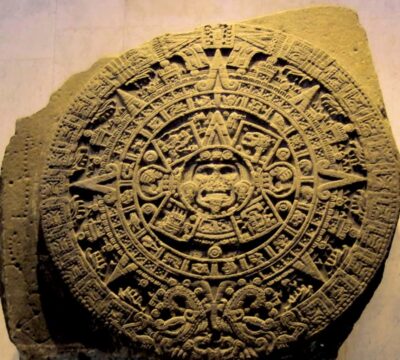
Anthropology Museum Private Experience Walking Tour
Read our review →
5 Hour Tour through Chapultepec, Anthropology Museum and Castle
Read our review →
PRIVATE Tour in Chapultepec Castle and Museum of Anthropology
Read our review →
Teotihuacan & Anthropology Museum, Templo Mayor & City Tour
Read our review →Browse the lists this tour appears in