
Reviewed · MEXICAN COOKING CLASSES
Regional Mexican Cooking Class and Market Tour
The best part of this Mexico City experience is that the market visit and cooking lesson fit together. You see ingredients in their everyday setting, then return to the kitchen and turn them into hand-made tortillas, red mole, and flan. It feels more useful than a class that simply hands you premeasured ingredients.
I especially like the maximum of eight students, which leaves room for questions and hands-on work. I also like the practical finish: digital recipes mean you can try the dishes again at home instead of leaving with only a pleasant memory and a full stomach.
The one thing to consider is the price, $155.36 per person. That is a serious outlay for a four-and-a-half-hour activity, though the market tour, cooking lesson, full lunch, drinks, and personal instruction make the cost easier to justify. You should also plan for a morning start at 9:30 and wear safe kitchen clothing.
In This Review
- Key Points at a Glance
- A Market Morning in Coyoacan
- Starting with Agua Fresca and Mexican Food History
- Making Tortillas, Quesadillas, and Salsa
- Red Rice, Plantain, and the Main Mole
- Flan, Hot Chocolate, and a Long Lunch
- Why the Small Group Matters
- The Real Value of $155.36
- Who Will Get the Most from This Class
- Booking Advice and Cancellation Terms
- Should You Book the Aura Cocina Mexicana Class?
- FAQ
- Where does the cooking class begin and end?
- What time does the class start?
- Is the market tour included?
- What food will I prepare?
- Can I request a vegetarian alternative to chicken in the mole?
- What is included with the meal?
Key Points at a Glance
- Coyoacan Market comes first: Learn about the market’s layout, products, and role in local food culture, with tastings from selected stands.
- Eight students is the limit: The small group allows direct help from the chef rather than a distant demonstration.
- You cook a complete meal: Quesadillas, salsa, red rice, fried plantain, tortillas, red mole, and flan make this a substantial lunch.
- The mole can be adapted: Choose chicken, panela cheese, or mushrooms for the mole rojo, and mention your preference when booking.
- Drinks are part of the meal: Agua fresca, hot chocolate, and a choice of artisanal mezcal, Mexican craft beer, or Mexican wine are included.
- Recipes travel home with you: Digital recipes and cooking techniques give the class value after your Mexico City visit.
A Market Morning in Coyoacan
Your 9:30 am meeting point is Aura Casa Coyoacán, at San Gregorio 3 in Coyoacan. The experience lasts about four hours and 30 minutes, ending back at the same place.
The first outing is to Mercado de Coyoacan, within walking distance. This is not just a quick stop to buy one onion for the class. The guide explains how the market is organized, what its main halls offer, and how its food stalls fit into daily life. You also taste items from selected stands.
That context matters. Mexican cooking can seem like a long list of chiles, grains, fruits, nuts, and herbs when you meet it only on a plate. At the market, your guide can connect those ingredients to the dishes you will prepare later. You get a clearer sense of what is common, what is special, and why a sauce may contain several kinds of dried chile rather than one.
The market portion also adds a local-food element that a kitchen-only lesson cannot provide. The experience has included visits to a tortilleria and street-food vendors, giving you a look at how tortillas and ready-to-eat food are made outside the class setting. The exact flow may vary, but the useful point is that you are not confined to a classroom from start to finish.
Coyoacan itself adds appeal. Its streets and market area give the morning a strong sense of place, and the setting feels more connected to Mexico City life than a cooking studio located far from a neighborhood market.
One practical note: the market is part of a walking itinerary. Wear comfortable shoes and expect some time on your feet. If crowded market aisles are tiring for you, this section may feel less relaxed than the kitchen portion.
More Mexican cooking classes:
- Mexican Cooking Class with Food Market Visit in Mexico City
★ 5.0 · 506 reviews - Essence of Mexico: Authentic Mexican Cooking Class & Market Tour
★ 5.0 · 289 reviews - Mexican Cooking Class & Cocktails in Mexico City
★ 5.0 · 134 reviews
Starting with Agua Fresca and Mexican Food History
Back at Aura Casa Coyoacán, the class begins with a welcome agua fresca. This fruit-based drink is a pleasant way to start, especially before working with the stronger flavors of dried chiles, mole, and mezcal.
The guide then explains the history and development of Mexican cuisine before moving into the recipes. This is one of the class’s strongest features because you are not merely told to combine ingredients. You learn why they are used and how they fit into regional cooking.
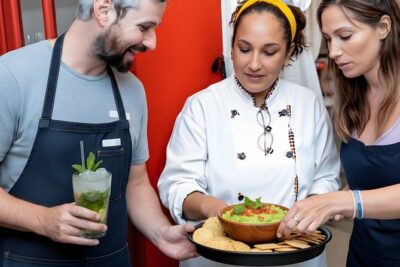
Chef Pame has led classes with a warm, informative approach, explaining both the dishes and their ingredients. Graciela has also taught the class and is known for sharing cultural background along with practical kitchen instruction. Dani and other assistants may help during the session, and the teaching team has shown care with questions, allergies, and special requests.
The guide assigned to your class can vary, so do not book solely because you expect one particular instructor. The important benefit is the teaching format: a professional chef explains the recipes, demonstrates techniques, and gives you time to do the work yourself.
Making Tortillas, Quesadillas, and Salsa
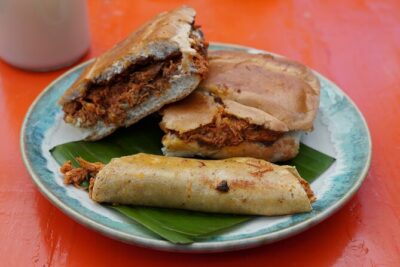
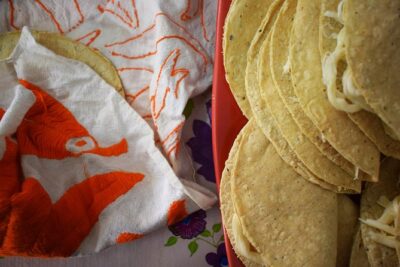
The hands-on cooking begins with staple techniques rather than showy restaurant tricks. You make tortillas by hand, then use them for quesadillas served with Mexican salsa.
This is a valuable part of the class for beginners. Tortillas are easy to eat and familiar to many people, but making them well requires attention to texture, shaping, and cooking time. You get a chance to understand the process instead of treating the tortilla as a finished product that appears from a package.
The salsa is made with a red molcajete sauce. Working with a molcajete gives you a feel for how ingredients are crushed and combined, and it helps explain why a freshly made salsa tastes different from a smooth bottled sauce. The class has also covered more than one salsa in some sessions, so you may get a broader look at how Mexican sauces are built.
Quesadillas are listed as a starter, but do not mistake this for a light tasting. By the time you add the other courses and drinks, the meal is large. If you arrive after a full breakfast, you may regret it. Come hungry, but not so hungry that you cannot concentrate on the instruction.
Red Rice, Plantain, and the Main Mole
The next course is traditional Mexican red rice with fried plantain. This pairing gives the menu a useful contrast: savory rice, sweet plantain, and the more layered chile flavors of the main dish.
Red rice can look simple, but it is a good lesson in building flavor and managing texture. You work through the steps needed to create a proper side dish, not just a garnish. The plantain adds another lesson in timing, since frying changes its texture and sweetness.
The main course is red mole, made with dried pasilla, guajillo, and ancho chiles, plus ingredients such as raisins and almonds or peanuts. Mole is one of the reasons this class is more than a basic taco workshop. You see how several flavors can work together without reducing the dish to simple heat.
Mole rojo is usually served with chicken pieces, but you can request panela cheese or mushrooms. This flexibility is important for vegetarians. The class has also accommodated a sesame allergy and adjusted recipes for diners who needed milder chile flavors. Still, you should state dietary needs and allergies when booking, rather than waiting until the cooking begins.
The menu listed for this version includes hand-made tortillas with the meal. Since the exact class menu can vary, check that your selected date matches the red mole format if that dish is the main reason you are booking.
A few more Mexico City half-days to weigh up
- Private Mexican Cooking Class with Gastronomic Historian, Lucia
★ 5.0 · 110 reviews - Mexican Churros Master Class
★ 5.0 · 91 reviews - Mexico City: Mexican Cooking Class
★ 4.8 · 85 reviews - 3h Cooking Class in Mexico City: 8 Recipes & Bottomless Drinks
★ 5.0 · 59 reviews
Flan, Hot Chocolate, and a Long Lunch
Dessert is flan, the smooth Mexican custard with caramel on top. After the work of making tortillas and mole, flan provides a gentle ending with a clear vanilla and caramel profile.
The class finishes with hot chocolate made with water rather than milk. That detail is worth noting if you expect a creamy European-style chocolate. Mexican hot chocolate has its own character and makes a fitting close to a class centered on traditional ingredients and preparation methods.
You also sit down to eat what you have made. The meal includes alcoholic drinks, with artisanal mezcal, Mexican craft beer, or Mexican wine available for pairing. Agua fresca is served at the beginning, and hot chocolate comes with dessert.
This is not a class where you cook one small dish and then leave for lunch elsewhere. You prepare and eat a four-course meal: quesadillas with salsa, red rice with fried plantain, mole rojo, tortillas, and flan. The lunch is filling enough that you should leave room before arriving.
The shared table is another quiet benefit. A small group creates time for conversation, and classes have brought together people from different countries and age groups. A 13-year-old has attended successfully with a grandparent, so this can work for families with older children who are comfortable following kitchen instructions.
Why the Small Group Matters
Eight students is the stated maximum, and the class may be smaller. One couple had a particularly intimate session with only two students, allowing the staff to adjust the menu and instruction closely to their needs.
Small numbers make a real difference in a cooking class. You are more likely to get a turn at each task, ask about chile substitutions, and receive help before a pan or sauce goes too far. You also have a better chance to understand the process well enough to repeat it at home.
The class is not private by default, so you should still expect to share the kitchen and meal with other participants. That is part of the appeal for many people, but anyone seeking a completely private lesson should confirm arrangements before booking.
Teaching support can include assistants who watch food on the stove while you work on another part of the meal. That keeps the class moving and is helpful when several dishes need attention at once.
The Real Value of $155.36
At $155.36 per person, this experience costs more than a casual Mexico City food walk or a restaurant lunch. The price makes sense only if you value the full package.
You are paying for about four-and-a-half hours, a market tour, a professional chef, all cooking ingredients, a four-course lunch, agua fresca, hot chocolate, and alcoholic drinks. You also receive digital recipes, which give the class a second life after your trip.
The strongest value is the instruction. If you want to learn how to make a salsa, tortilla, rice dish, mole, and flan, you would otherwise need to buy ingredients, find reliable recipes, and spend your own time testing the techniques. The class turns that work into a guided morning.
The price is less attractive if you mainly want to eat. Mexico City offers many less expensive meals, and the market tour alone does not justify the full amount. Book this for the combination of food, teaching, and cultural explanation, not simply for lunch.
The drinks also help the value, particularly if you enjoy mezcal, beer, or wine with your meal. If you do not drink alcohol, the food and instruction remain the main reasons to go.
Who Will Get the Most from This Class
I would recommend this experience to you if food is a major part of your trip and you want more than a restaurant table. It suits first-time cooks because the chef guides you through each recipe, but it also offers enough detail for experienced home cooks who want to understand Mexican ingredients and methods.
It is a good pick for couples, families with older children, and solo visitors who enjoy meeting people around a shared meal. The small class size makes it easier for a solo participant to join in without being lost in a crowd.
Vegetarians should ask for panela cheese or mushrooms instead of chicken in the mole rojo. People with allergies should give clear details in advance. The staff has made thoughtful adjustments, but no cooking activity should be treated as risk-free for a serious allergy.
Wear closed shoes and long sleeves for kitchen safety. Leave scarves, long necklaces, and loose jewelry at the hotel. An apron is supplied.
The class is offered in English, and the meeting point is near public transportation. Service animals are allowed. The walk through the market and the hands-on kitchen work mean this is not a passive sightseeing activity, so think about your comfort with walking, standing, and cooking for several hours.
Booking Advice and Cancellation Terms
This experience is often reserved about 36 days ahead, which suggests that you should not wait until the last minute if your Mexico City dates are fixed. The maximum of eight students is a benefit, but it also means spaces can disappear faster than on large group tours.
You can cancel for a full refund up to 24 hours before the local start time. Changes or cancellations within 24 hours are not accepted for a refund. Keep that deadline in mind if your flight schedule is uncertain.
The start is at 9:30 am, and the activity returns to the meeting point. Plan your transportation with enough time to reach San Gregorio 3 in Coyoacan without rushing into the welcome drink.
Should You Book the Aura Cocina Mexicana Class?
Book it if you want to understand Mexican food by making it, tasting it, and seeing its ingredients at a local market. The strongest reasons are the eight-person limit, the chef-led instruction, the adaptable mole, and the recipes you can use at home.
Skip it if you want a cheap meal, a quick market visit, or a purely private experience. At $155.36, this is a premium half-day activity. For a food-focused visit to Mexico City, though, it offers a satisfying mix of market life, practical cooking, and a generous lunch that you will remember long after the flan is gone.
FAQ
Where does the cooking class begin and end?
It begins at Aura Casa Coyoacán, San Gregorio 3, Coyoacan, Mexico City. The activity ends back at the same meeting point.
What time does the class start?
The class starts at 9:30 am and lasts approximately four hours and 30 minutes.
Is the market tour included?
Yes. The activity includes a walking tour of Mercado de Coyoacan, covering its history, organization, main halls, and food offerings, along with tastings from selected stands.
What food will I prepare?
The listed menu includes quesadillas with Mexican salsa, red rice with fried plantain, hand-made tortillas, red mole, and flan. You then eat the meal you prepared.
Can I request a vegetarian alternative to chicken in the mole?
Yes. Mole rojo is normally served with chicken pieces, but panela cheese or mushrooms are available as alternatives. You should indicate your choice when booking.
What is included with the meal?
The experience includes agua fresca, all cooking ingredients, a four-course lunch, water-based hot chocolate, and artisanal mezcal, Mexican craft beer, or Mexican wine. Digital recipes are also provided.
More Shopping Tours in Mexico City
- Teotihuacan without obligatory stops. No shops or restaurants.
★ 5.0 · 527 reviews - Mexican Street Tacos Hands-on Cooking Class and Market Tour
★ 5.0 · 37 reviews - Mastering Mexican Salsas Cooking Class and Market Tour
★ 5.0 · 35 reviews - Market Tour and Home Cooking Class in Mexico City with Margarita
★ 5.0 · 30 reviews
More Market Visits in Mexico City
- Xochimilco: Market, Food and Nature ¡All included! Tour
★ 4.9 · 107 reviews - Ticket Museum Frida Kahlo and tasting in Coyoacan Market
★ 5.0 · 40 reviews - Mexico City: Authentic Mexican Cooking Class & Market Tour
★ 4.7 · 39 reviews - Frida Kahlo VIP-Walk, Market and Churros Museum Tickets Included
★ 5.0 · 38 reviews
Just added around Mexico City
- Mexico City: Hop-on Hop-off City Tour by Turibus 2-Day Pass★ 4.0 · 10 reviews
- Anthropology Museum, Chapultepec Castle & Cable Car Tour★ 4.5 · 10 reviews
- Multi-Variety Mole Class in a Condesa home or art gallery rooftop★ 5.0 · 10 reviews
- PRIVATE TOUR Colonial Town Taxco and Cuernavaca from CDMX.★ 5.0 · 10 reviews
- El Centro Street Food Walking Tour★ 5.0 · 10 reviews
- Private Round-Trip Transportation to Teotihuacan Pyramids★ 5.0 · 10 reviews
- Teotihuacan and My Grandma’s Food Tour★ 5.0 · 10 reviews
- Private Walking Tour Legends and Events Historic Center CDMX★ 4.8 · 10 reviews
Mexican Cooking Classes, compared.
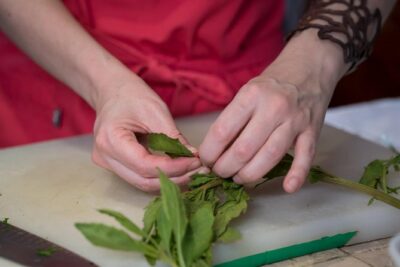
Mexican Cooking Class with Food Market Visit in Mexico City
Read our review →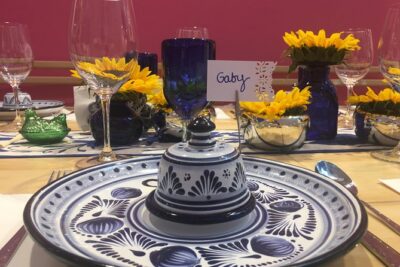
Essence of Mexico: Authentic Mexican Cooking Class & Market Tour
Read our review →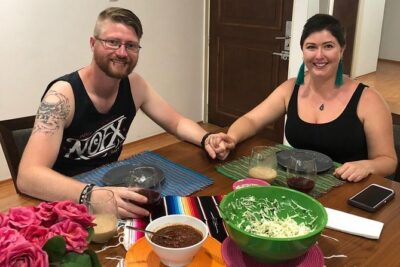
Mexican Cooking Class & Cocktails in Mexico City
Read our review →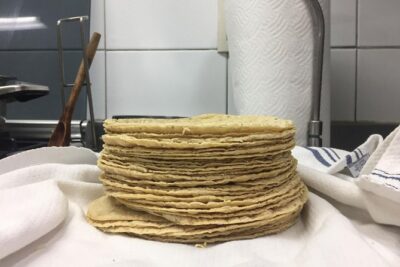
Private Mexican Cooking Class with Gastronomic Historian, Lucia
Read our review →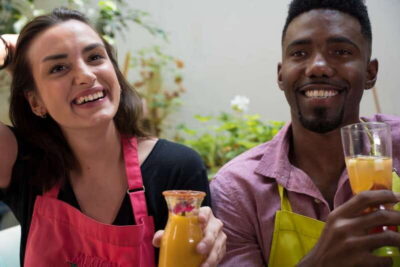
3h Cooking Class in Mexico City: 8 Recipes & Bottomless Drinks
Read our review →Browse the lists this tour appears in