
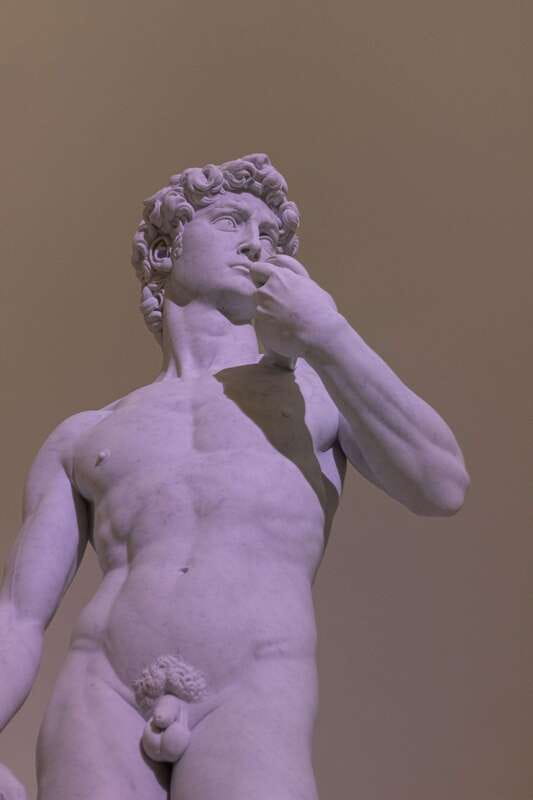
Reviewed · ART & MURAL TOURS
Soumaya: the greatness of Mexican & western art.
The most useful thing about this Soumaya Museum tour is its national focus inside a huge international collection. You will move from Mexican painting and colonial art to Rodin, Van Gogh, Monet, Manet, and other European masters, but the guide helps connect the rooms to Mexico rather than treating the museum as a loose parade of famous names.
I like the chance to see the entire six-floor museum in one organized visit, and I like the small-group format, limited to 10 people. Guides Jose Vicente Figueroa and Francisco have received especially warm praise for clear explanations, humor, patience, and attention to small details in the artwork.
The main consideration is time. Two and a half hours is enough for a guided introduction, not enough for a slow study of every room. If you want to linger over the European collection after the tour, plan to continue on your own.
In This Review
- Key points at a glance
- Meeting at Soumaya in Polanco
- Modernism: where art meets ideas and technique
- Myths and allegories from visible to invisible
- Old Masters, Europe, and the viceroyal period
- From Romanticism to the avant-garde
- Twenty centuries of Mexican art
- Rodin’s era and the sculptural finale
- What the guide changes
- Is 2.5 hours enough?
- Who will get the most from this visit?
- Value, flexibility, and practical planning
- Should you book the Soumaya Museum tour?
- FAQ
- Where does the Soumaya Museum tour begin?
- How long does the guided visit last?
- How many floors does the tour cover?
- Which art periods and sections are included?
- Which artists can I expect to hear about?
- What languages are available?
- Is the tour wheelchair accessible?
- Can I cancel or pay later?
Key points at a glance
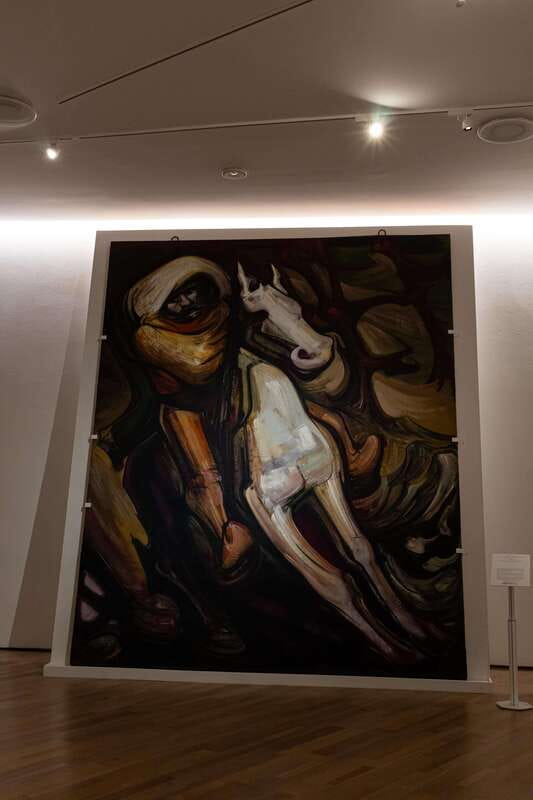
- Six floors in 2.5 hours: The tour covers Modernism, myths and allegories, Old Masters, romanticism, the avant-garde, Mexican art, and Rodin’s era.
- A Mexican lens: The guide gives special attention to Mexico’s artistic development and its connections with Europe.
- A serious list of artists: Expect works associated with Rodin, Van Gogh, Pissarro, Monet, Manet, Rivera, Orozco, Velasco, Correa, De Echave Orio, Juan de Flandes, and Michelangelo.
- Small groups help: With no more than 10 participants, it should be easier to hear the guide and ask questions.
- Good for mixed-age groups: Jose was praised for his patience with children and elderly parents, a useful sign for families visiting together.
- Flexible booking: You can reserve now and pay later, with free cancellation up to 24 hours before the tour.
Meeting at Soumaya in Polanco
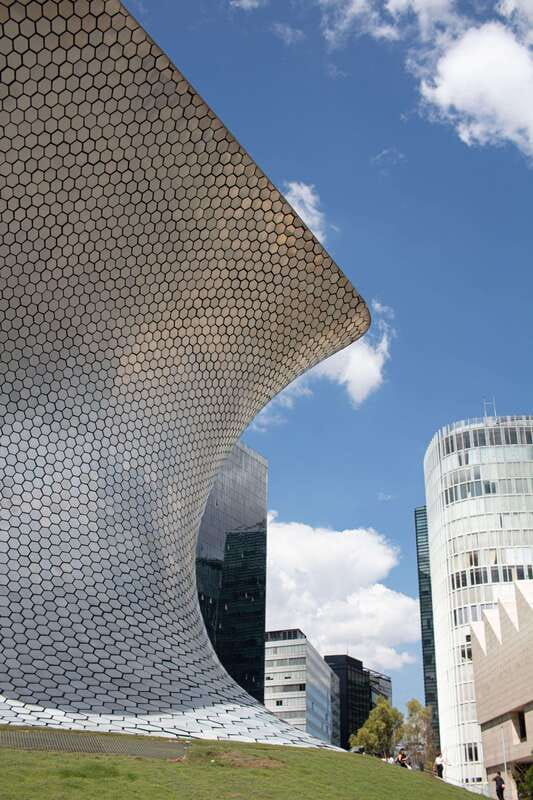
The tour begins at the main gate of Museo Soumaya in Polanco and returns there after the museum visit. That simple arrangement matters because you do not lose time crossing Mexico City between stops.
You should arrive ready to enter the museum and spend most of the next two and a half hours on foot. The experience is wheelchair accessible, and the small group size keeps the visit more personal than a large museum lecture.
The museum is not a small, tidy collection that you can absorb in one quick circuit. Six floors cover several periods and artistic traditions. Without a guide, it can be hard to decide what deserves your attention first, especially when a famous European name appears beside a work that may be less familiar but more important to Mexico’s story.
That is where this tour earns its place. Your guide provides an order to the visit and points out the main works in each room. You are not expected to know art history, and you will not need an academic background to follow the explanations.
More mural and street art walks in Mexico City:
- CDMX: Xochimilco, Coyoacan, Frida Kahlo Museum & Murals Tour
★ 4.4 · 3,025 reviews - Mexico City; ART NACO : Murals & Street Art Bike Tour
★ 5.0 · 284 reviews - Walking Tour – Impressive murals in Historical Center of Mexico City
★ 5.0 · 224 reviews
Modernism: where art meets ideas and technique
One of the first themes is Modernism: Ars & Techné. The title points to the relationship between art as an idea and art as a made object.
This section is a good reminder that museums do not only preserve pictures. They also show changes in materials, methods, artistic training, and the way artists thought about the world around them.
I would pay attention to how the guide explains the difference between looking at a work for its subject and looking at it for its construction. Brushwork, composition, surface, and technical choices can tell you why one painting feels different from another, even when both show similar subjects.
The tour does not try to turn every room into a classroom. Instead, you get the main points and a few details that help you look more carefully. Francisco, one of the guides associated with this experience, was praised for sharing amusing facts and drawing attention to curious details in historical paintings. That style can make a large collection easier to remember.
Myths and allegories from visible to invisible
The next theme, Myths & Allegories: From the Visible to the Invisible, asks you to read images on more than one level. A figure may represent a person in a story, but also an idea such as virtue, power, death, love, or faith.
This is the kind of room where a guide adds real value. You can admire the colors and figures on your own, but symbols are not always obvious to a modern eye. A short explanation can change the way you read the whole painting.
I like this part for families and first-time museum visitors. Children can look for strange creatures, dramatic gestures, and hidden clues, while adults can follow the cultural meaning behind them. A good guide keeps both levels moving without assuming that everyone wants a long lecture.
The national focus also matters here. Mexico inherited many European religious and artistic traditions, then adapted them through its own institutions, artists, and social history. This tour uses those connections to show that Mexican art did not develop in isolation.
Old Masters, Europe, and the viceroyal period
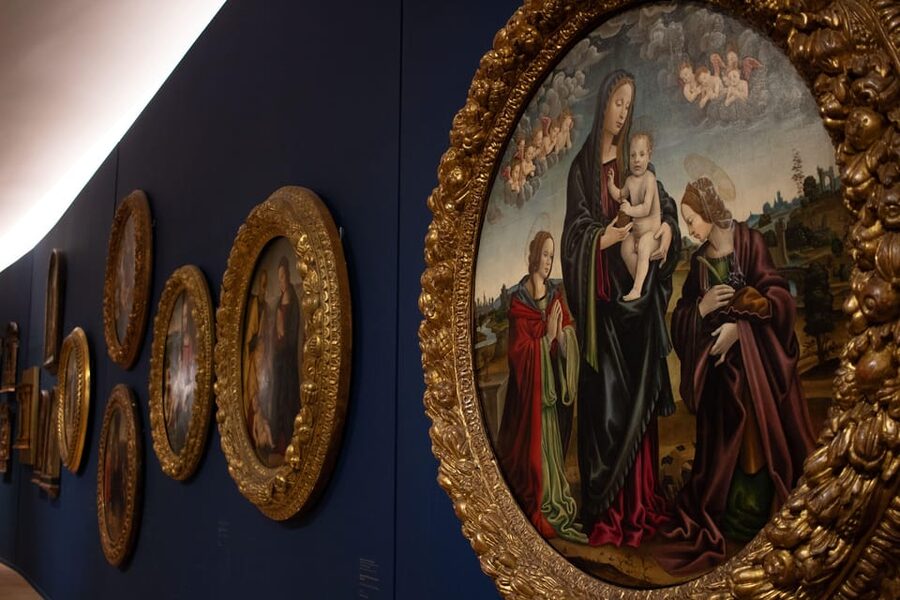
The Old Masters: Europa & Viceroy section brings together European art and the period when Spanish rule shaped Mexico. The presence of artists such as Juan de Flandes, De Echave Orio, and Michelangelo gives the guide plenty to discuss, from religious imagery to artistic influence.
This part may appeal most to visitors who want historical context, not just recognizable names. The important question is not simply who painted a work. It is also how European models reached Mexico, how local artists used them, and how religious art functioned in the viceroyal period.
You might find that the European works are visually familiar, while the Mexican connections are less familiar. That contrast is useful. It helps you see Mexico as an active participant in artistic exchange, not merely a place receiving outside ideas.
The collection is large enough that you will probably not stop for equal time at every painting. That is sensible. A guide who tried to explain everything would spend the whole tour on one floor. Instead, expect a selection of major pieces and a national-based explanation of why they matter.
A completely different day out, same corner of Mexico City:
- Teotihuacan, Guadalupe Shrine & Tlatelolco Day Tour with Lunch
★ 5.0 · 11,603 reviews - Xochimilco, Coyoacan and Frida Kahlo with Optional Lunch
★ 4.5 · 7,320 reviews - Balloon flight + Breakfast in cave + Pyramids + Pick up CDMX.
★ 5.0 · 6,335 reviews - Teotihuacan pyramids morning or afternoon without tourist traps
★ 5.0 · 6,186 reviews
From Romanticism to the avant-garde
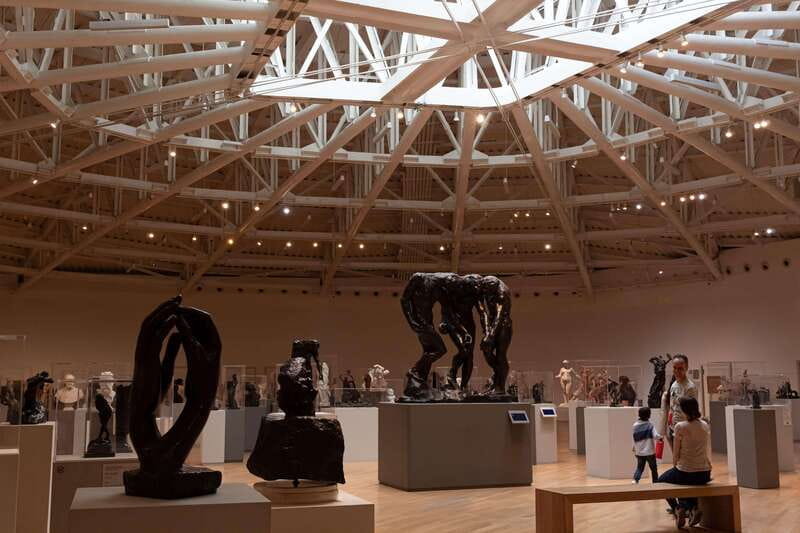
The shift from Romanticism to the avant-garde gives you a chance to watch artistic rules loosen. Artists increasingly changed how they handled emotion, nature, society, color, and form.
Names such as Van Gogh, Pissarro, Monet, and Manet create a strong European thread. You may recognize some of the broader movements, but the guide helps place individual works inside the changes taking place across the art world.
This is also where pacing becomes important. Two and a half hours can pass quickly when you are comparing several styles. I would resist trying to photograph or memorize everything. Listen for the guide’s explanation of what changed from one period to the next, then choose a few works to revisit after the formal tour.
The collection’s range is both its strength and its challenge. You can see a remarkable amount in one visit, but the experience is closer to a guided map than a complete study of European art. If Rodin or the European masters are your main reason for visiting, allow time to explore those floors independently afterward.
Twenty centuries of Mexican art
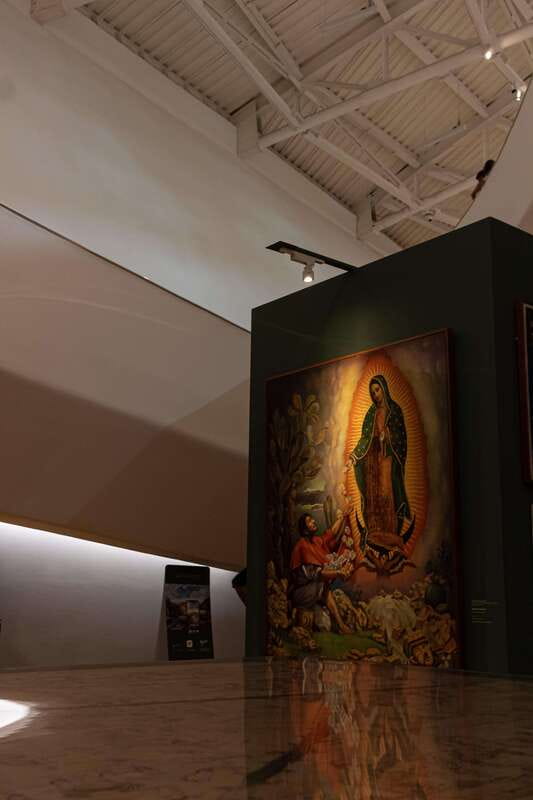
The Mexican art section is the heart of the experience for many visitors. It brings together work from different periods and gives the guide a chance to explain how Mexican identity has been represented and reshaped over time.
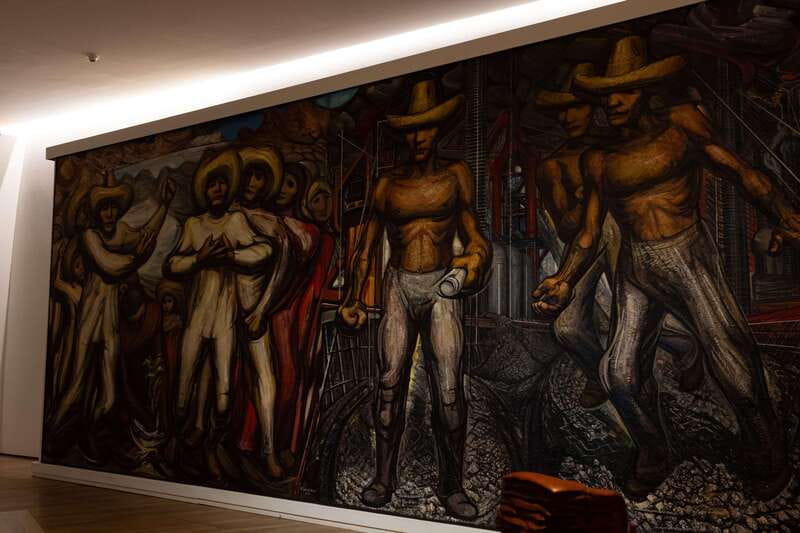
Artists named for this section include Diego Rivera, José Clemente Orozco, José María Velasco, and Correa. Their work opens different windows onto Mexico, from public life and national ideals to the observation of the country’s people and scenery.
The phrase twenty centuries signals a very long story. You are not looking at one single Mexican style. You are moving through different eras, influences, and purposes.
This is the part I would request clearly at the start if Mexican art is your priority. One visitor specifically asked for that focus and found Jose Vicente Figueroa especially effective at guiding the group through the periods of Mexican art. That is practical advice: tell your guide what you most want to understand, since the museum contains enough material to fill many hours.
Jose has also been praised for working patiently with a family that included children and elderly parents. That suggests a calm pace and a willingness to adjust explanations, both useful when your group has mixed interests or different walking speeds.
Rodin’s era and the sculptural finale
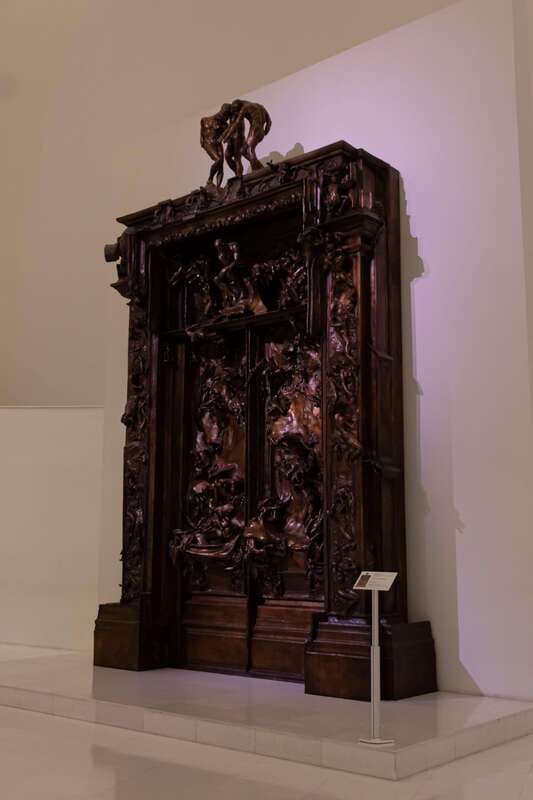
Rodin receives his own major emphasis in the museum’s structure. His work can change the rhythm of the visit because sculpture asks you to move around it, not just face it from one direction.
Look for how the guide discusses the body, gesture, surface, and unfinished-looking passages. Rodin’s work rewards close observation, and a small detail in a hand, face, or pose can carry much of the emotional force.
This section is also a good place to compare sculpture with the painting styles seen earlier. A guide can point out how artists in different media approached movement, drama, and the human figure.
If you are especially interested in Rodin, you may feel that the standard tour moves too quickly. The museum’s full collection is simply too broad for a detailed examination of every sculpture in two and a half hours. The sensible plan is to take notes on the pieces you want to see again, then return to them after the guided portion.
What the guide changes
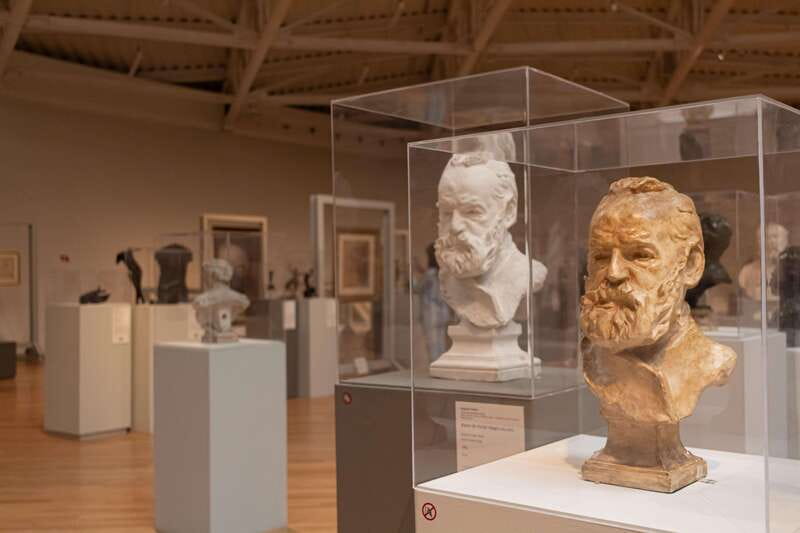
The quality of this experience depends heavily on the person leading it. Jose Vicente Figueroa is the named provider and one of the guides associated with the tour. Jose has been praised for enthusiasm, strong explanations of Mexican art, and patience with families.
Francisco has also received praise for making the tour entertaining while pointing out small, curious details in historical paintings. Those two qualities matter in a museum: information gives you context, while humor and observation keep your attention from fading.
The tour is offered in English, Portuguese, Spanish, German, Italian, and Russian. The supplied information also describes the guide as bilingual, so confirm your preferred language when booking if that matters to your plans.
A small group of up to 10 participants is another plus. You can hear more easily than in a crowded public tour, and it is more realistic to ask a question about a particular artist or period.
Is 2.5 hours enough?
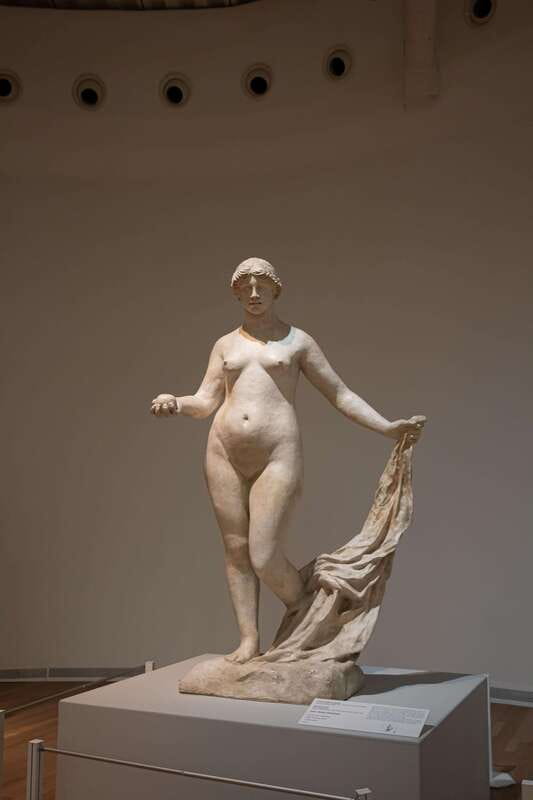
Yes, if you define success as understanding the museum’s main sections and seeing selected works with guidance. No, if you want to examine every floor in detail.
The tour covers:
- Modernism: Ars & Techné
- Myths and allegories
- Old Masters from Europe and the viceroyal period
- Romanticism through the avant-garde
- Twenty centuries of Mexican art
- Rodin’s era
That is a lot of ground. The guide will focus on principal works in each room rather than stop at every object. I see this as the right choice for a first visit, particularly if the museum feels overwhelming when you enter.
You can use the tour as a framework. Afterward, return to the floors that caught your attention. One useful approach is to spend the guided visit listening for names and periods, then choose one Mexican section and one European section for a slower second look.
Who will get the most from this visit?
This tour suits you if you want Mexican art explained within a wider Western tradition. It is also a good choice if you enjoy museums but do not want to read every wall label or prepare before arrival.
Families can benefit from the guide’s ability to keep different ages involved. Jose’s patience with children and elderly parents is particularly relevant for multigenerational groups.
Art students and specialists may find the pace too broad for advanced analysis. The tour gives a strong overview, but the information provided does not promise a technical seminar or access to areas beyond the public museum route.
It also suits visitors who want a clear first introduction to a collection that can otherwise feel scattered. If your priority is only European art, you may prefer to spend the full time exploring those floors at your own pace. The strongest reason to book is the Mexican focus and the connections the guide makes across centuries.
Value, flexibility, and practical planning
No price is provided here, so I cannot judge the exact cost against other museum tours. I can judge what you receive: a 2.5-hour guided visit, a small group capped at 10, a multilingual guide, and coverage of all six floors.
That is potentially good value for someone who would otherwise spend time deciding where to go and what to read. The value is less clear if you already know the collection well or want to spend most of your visit studying a few works silently.
You can reserve now and pay later, which helps if your Mexico City plans are still shifting. Free cancellation is available up to 24 hours before the tour for a full refund. Wheelchair access is provided, though the information does not give further details about the museum route, seating, or assistance, so ask ahead if you need specific arrangements.
Should you book the Soumaya Museum tour?
Book it if you want Mexican art to be the organizing thread through a very broad collection. The strongest guides, especially Jose Vicente Figueroa and Francisco, add context and small visual details that are easy to miss alone.
Book it if you are visiting with family, prefer a small group, or want an introduction rather than an advanced art lecture. The 4.9 rating from 26 ratings suggests a very strong overall response, and the praise centers on guide quality, patience, and clear explanations.
Skip it if your only goal is a quiet, extended study of European paintings or Rodin. In that case, the two and a half hour route may feel too fast. For most first-time visitors to Soumaya, though, the tour gives the museum a useful shape and puts Mexico’s art at the center of the story.
FAQ
Where does the Soumaya Museum tour begin?
The meeting point is the main gate of Museo Soumaya in Polanco, in the State of Mexico, Mexico.
How long does the guided visit last?
The guided tour lasts 2.5 hours and returns to Museo Soumaya at the end.
How many floors does the tour cover?
The tour covers all six floors of the museum.
Which art periods and sections are included?
The route includes Modernism, myths and allegories, European and viceroyal Old Masters, Romanticism through the avant-garde, twenty centuries of Mexican art, and Rodin’s era.
Which artists can I expect to hear about?
Artists named for the experience include Rodin, Van Gogh, Pissarro, Monet, Manet, Juan de Flandes, Rivera, Orozco, Velasco, Correa, De Echave Orio, and Michelangelo.
What languages are available?
Live guides are listed for English, Portuguese, Spanish, German, Italian, and Russian.
Is the tour wheelchair accessible?
Yes, the activity is listed as wheelchair accessible.
Can I cancel or pay later?
You can reserve now and pay later. Cancellation up to 24 hours in advance qualifies for a full refund.
Just added around Mexico City
- Mexico City: Hop-on Hop-off City Tour by Turibus 2-Day Pass★ 4.0 · 10 reviews
- Anthropology Museum, Chapultepec Castle & Cable Car Tour★ 4.5 · 10 reviews
- Multi-Variety Mole Class in a Condesa home or art gallery rooftop★ 5.0 · 10 reviews
- PRIVATE TOUR Colonial Town Taxco and Cuernavaca from CDMX.★ 5.0 · 10 reviews
- El Centro Street Food Walking Tour★ 5.0 · 10 reviews
- Private Round-Trip Transportation to Teotihuacan Pyramids★ 5.0 · 10 reviews
- Teotihuacan and My Grandma’s Food Tour★ 5.0 · 10 reviews
- Private Walking Tour Legends and Events Historic Center CDMX★ 4.8 · 10 reviews
Art & Mural Tours, compared.
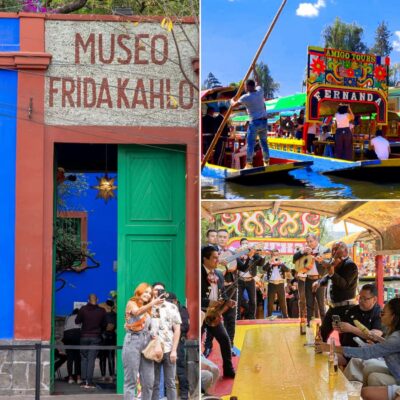
Xochimilco, Coyoacan, Frida Kahlo Museum & Murals Tour
Read our review →
Mexico City; ART NACO : Murals & Street Art Bike Tour
Read our review →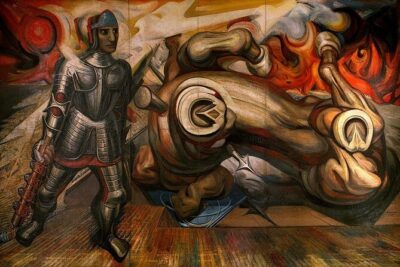
Walking Tour – Impressive murals in Historical Center of Mexico City
Read our review →
La Catrina & Muralism: Diego Rivera’s Legacy & Frida Kahlo
Read our review →
Xochimilco floating gardens, Coyoacan and UNAM murals
Read our review →
Browse the lists this tour appears in