
Reviewed · TEOTIHUACáN PYRAMID TOURS
Teotihuacan: The myth of the gods + secret murals (New route)
Teotihuacan is more than two enormous pyramids. This six-hour tour links the Moon Pyramid, Avenue of the Dead, secret murals, and Quetzalcoatl’s temple into one clear story about a city built centuries before the Aztecs arrived. The early start also gives you a quieter first look at the site.
I like the balance between famous monuments and lesser-known corners such as Palacio de Zacuala, where murals and daily life take center stage. I also like the practical package: private round-trip transport, admission, and a workshop on cochineal and plant pigments are included.
The main caution is the six-hour pace and physical demand. You walk between major areas and the itinerary includes climbing the Moon Pyramid, so this is not a sit-back-and-watch excursion. Lunch is not included, and the morning meeting point can be easy to miss if you arrive in a hurry.
In This Review
- Key points to know before booking
- Why this Teotihuacan route feels different
- Meeting in Tabacalera and setting out at 8:15
- Climbing the Moon Pyramid before the crowds
- Walking the Avenue of the Dead to the Pyramid of the Sun
- Palacio de Zacuala and the murals most visitors miss
- The Citadel and the Temple of Quetzalcoatl
- Cochineal, plant pigments, and the artisan stop
- What is included, and where the value lies
- Who should book this six-hour outing
- Should you book it?
- FAQ
- How long does the Teotihuacan tour last?
- Where does the tour start?
- What time does the tour begin?
- Is transportation included?
- Is the Teotihuacan entrance fee included?
- Is lunch provided?
- Can I cancel for a full refund?
Key points to know before booking
- A quieter start at the Moon Pyramid: The 8:15 a.m. departure is planned to reach this area before the largest crowds.
- Murals beyond the main pyramids: Palacio de Zacuala adds a closer look at homes, religion, and painted decoration.
- A strong mythology focus: The Citadel and Temple of Quetzalcoatl provide the setting for stories about the city’s gods and beliefs.
- A useful artisan workshop: You see how cochineal and plant pigments were used to create color.
- Transport and admission included: Round-trip private transportation and the Teotihuacan entrance fee are covered.
- Small, but not private: The group can reach 19 people, which is more manageable than a large coach tour but still may feel busy around the guide.
Why this Teotihuacan route feels different
Many first visits to Teotihuacan focus on the two giant pyramids, take a few photos, and return to Mexico City. This route gives those monuments their proper place, but it also spends time on the city behind them.
That difference matters. The Pyramid of the Sun is impressive because of its size. The Moon Pyramid helps you understand how the ceremonial center was organized. But Palacio de Zacuala gives you a better sense of ordinary life, painted rooms, religious ideas, and the skill behind Teotihuacan’s murals.
I also like the route’s attention to materials. The final workshop explains how cochineal and plant pigments produced color. That is a small part of the day, only about 30 minutes, but it connects the murals you have just seen with the natural materials used to make them.
The tour title refers to the myth of the gods and a newer route with secret murals. That signals a storytelling-focused visit rather than a simple monument checklist. Guides Jose, Ricardo, and Dani have received particular praise for bringing history and mythology together. The strongest feedback also points to the staff’s warmth and flexibility, including one case where a pickup misunderstanding was handled calmly.
The overall rating is 3.9 from 24 reviews, so I would keep expectations sensible. This is not a flawless, highly polished luxury excursion for everyone. It is a practical cultural outing whose best qualities are its enthusiastic guides, broad range of stops, and included transport.
More ways to reach the Teotihuacán pyramids:
- Teotihuacan, Guadalupe Shrine & Tlatelolco Day Tour with Lunch
★ 5.0 · 11,603 reviews - Teotihuacan pyramids morning or afternoon without tourist traps
★ 5.0 · 6,186 reviews - Teotihuacan Early Access Guided Tour with optional Lunch
★ 4.5 · 6,138 reviews
Meeting in Tabacalera and setting out at 8:15
The tour begins outside Frontón México at Av. de la República 17 in the Tabacalera area of Cuauhtémoc. The start time is 8:15 a.m., and the activity returns to the same meeting point.
Arrive with enough time to identify the exact meeting spot. The pickup information is specific, but any central Mexico City meeting point can involve traffic, pedestrians, and several nearby buildings. A previous pickup misunderstanding was resolved well, yet it is still wiser to double-check the meeting details before leaving your accommodation.
The transportation is private and round trip. That is a real benefit for Teotihuacan, since you avoid arranging separate buses or taxis and can leave the city with your guide already setting the scene. It also makes the day easier for families or small groups carrying water, hats, and snacks.
The group size can reach 19 people. That is not a private tour, despite the private transport, but it is smaller than many standard sightseeing coaches. At a group of that size, stay close when walking between sites and make sure you can hear the guide before moving on.
Climbing the Moon Pyramid before the crowds
The first stop is the Pyramid of the Moon, with about 45 minutes allocated. The plan is to visit and climb the pyramid early, when the area is expected to be less crowded. That timing is one of the smartest features of the route because the Moon Pyramid is a strong place for photographs and for an opening explanation of Teotihuacan.
The pyramid is tied to the northern end of the Avenue of the Dead and helps frame the ceremonial center. From this area, your guide can explain how the major structures relate to one another rather than treating each pyramid as an isolated object.
The climb is also the first physical test. The itinerary specifically includes climbing the Moon Pyramid, and the tour asks for a moderate fitness level. Wear shoes with a secure sole and plan for stairs, sun, and walking over archaeological surfaces. If you have difficulty with stairs, ask the operator in advance what participation options are available. The supplied information does not promise an alternative route or a reduced-climbing version.
I like starting here instead of saving the Moon Pyramid for the end. You see a major monument while your energy is fresh, and the quieter early hour should make it easier to listen and take photos. Just remember that early access does not mean the site will be empty.
Walking the Avenue of the Dead to the Pyramid of the Sun
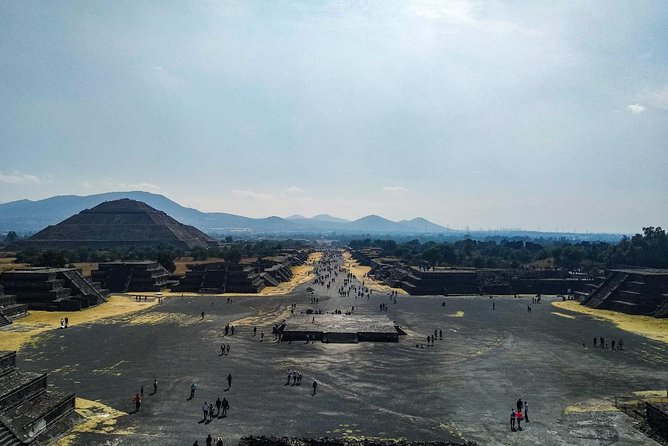
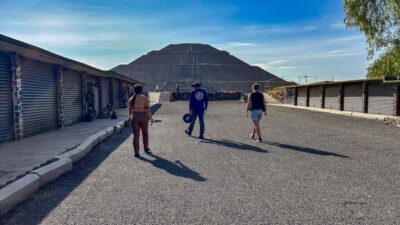
From the Moon Pyramid, you walk along the Avenue of the Dead to the Pyramid of the Sun. This section takes about 45 minutes and includes the entrance ticket.
The walk matters because the avenue gives scale to Teotihuacan. The Sun Pyramid is about 65 meters high, but the broad ceremonial road helps you understand that the city was planned around more than one monumental building. You are not simply ticking off a pyramid. You are moving through the central axis of a major ancient city.
The Pyramid of the Sun is likely the tour’s most visually powerful stop. Its size is immediate, even before the guide adds dates, theories, or mythology. The tour’s highlights include a discussion of the pyramid’s links to the Aztecs and its often-discussed connection with Egypt.
Here, I would listen carefully to how the guide presents those connections. Teotihuacan predates the Aztec empire, and the Aztecs later gave the place its name and interpreted it through their own beliefs. The Egypt comparison is best treated as a topic for discussion about pyramid forms and world cultures, not as proof that Teotihuacan and Egypt shared one direct story. A good guide will separate established history from appealing comparisons.
This is also where the day may feel hottest and most exposed. Bring drinking water and a hat. Lunch is not included, and the operator recommends buying food at the meeting point or nearby convenience stores before setting out. That advice is worth following, since the schedule gives you a full morning of walking and does not include a meal stop.
More mural and street art walks in Mexico City:
- CDMX: Xochimilco, Coyoacan, Frida Kahlo Museum & Murals Tour
★ 4.4 · 3,025 reviews - Mexico City; ART NACO : Murals & Street Art Bike Tour
★ 5.0 · 284 reviews - Walking Tour – Impressive murals in Historical Center of Mexico City
★ 5.0 · 224 reviews - La Catrina & Muralism: Diego Rivera’s Legacy & Frida Kahlo
★ 4.5 · 197 reviews
Palacio de Zacuala and the murals most visitors miss
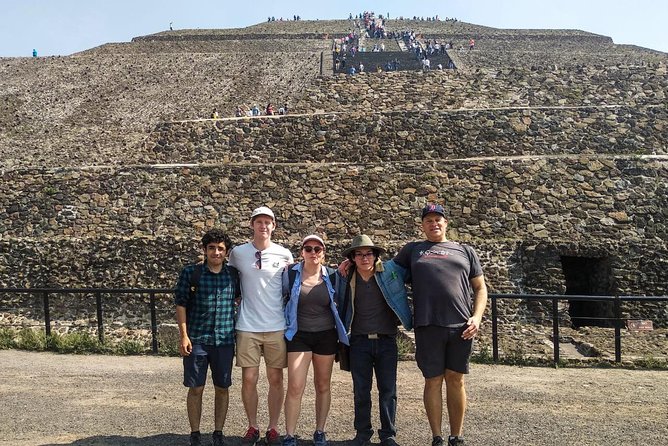
Palacio de Zacuala receives about 45 minutes, making it one of the more valuable stops for anyone who wants more than monumental architecture. It is described as a lesser-known part of Teotihuacan, with attention to how people lived, how they understood religion, and how murals decorated their spaces.
This stop changes the tone of the tour. At the pyramids, the scale can make the ancient city feel distant and abstract. At Zacuala, painted surfaces and residential or palace areas bring the focus closer to people and rooms. You get a better chance to think about daily routines, social life, and religious images rather than only rulers and giant stone platforms.
The murals are also a good reason to choose this route over a basic pyramid visit. Teotihuacan’s painted decoration depended on careful preparation and natural color. That makes the later pigment workshop more than a generic shopping stop. It follows a thread that begins inside the archaeological site.
The word secret in the tour title should not lead you to expect a private chamber or an undisclosed excavation. The useful point is that Zacuala is less familiar than the Sun and Moon pyramids. You still visit an established archaeological area, but the stop gives the guide room to explain details that are easy to miss on a fast circuit.
The Citadel and the Temple of Quetzalcoatl
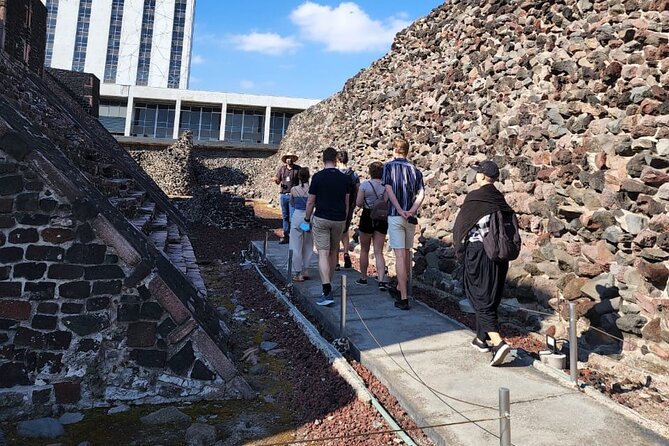
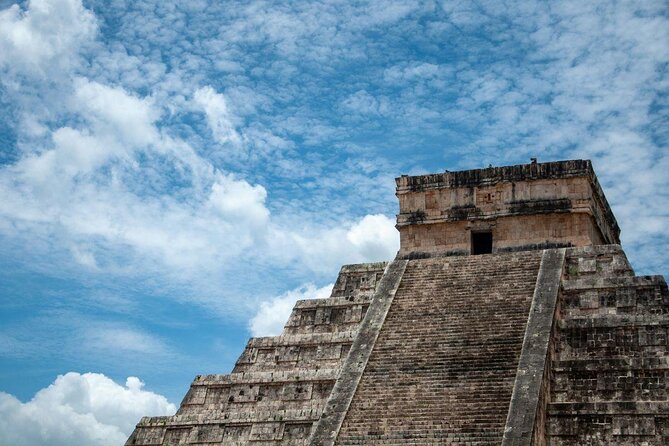
The tour then spends about an hour in the Citadel, where the Temple of Quetzalcoatl is located. This is one of Teotihuacan’s best-preserved areas and the clearest setting for the tour’s mythological theme.
The Citadel is not just another large plaza. It helps show how ceremonial space could be enclosed and organized. The Temple of Quetzalcoatl provides distinctive carved decoration and a direct opening for stories about gods, sacred power, and the beliefs that shaped the city.
I would give this stop your full attention. The stone details are easier to appreciate when the guide points out what you are looking at, and the mythology can otherwise become a blur of unfamiliar names. Ricardo has been praised for providing a historical introduction at each stop, while Jose has been credited with connecting Teotihuacan, the Mexica world, and modern Mexico into one broader story.
That broader connection is useful. Teotihuacan was not simply an isolated ruin waiting to be found. Later peoples gave it meaning, and the Aztecs linked it to their own understanding of the gods. The tour’s approach lets you consider those layers without limiting the visit to construction dates and measurements.
The Citadel is also where the group size matters most. A group of up to 19 can gather around the guide, but sound and sight lines may vary. Stand where you can see the carved details and do not hesitate to move closer when the explanation begins.
Cochineal, plant pigments, and the artisan stop
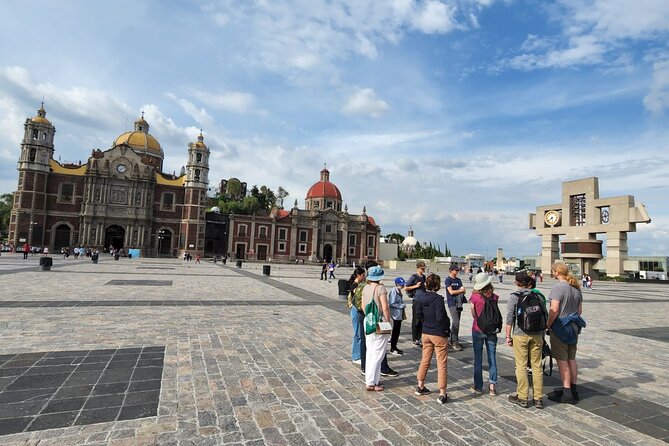
The final scheduled stop lasts about 30 minutes and focuses on grana cochinilla and plant pigments. A local artisan explains how native people obtained colors for painting murals, with attention to cochineal and vegetable sources.
This workshop adds a hands-on, material side to the archaeology. Murals can look like finished art behind glass or barriers, but color begins with ingredients, preparation, and technique. Learning where the pigments came from gives you a more practical understanding of the painted rooms at Zacuala.
The stop also offers a chance to buy souvenirs. Obsidian and silver workshops are listed among the tour highlights, and the artisan component may appeal if you want something more connected to local craft than a standard printed souvenir.
Keep your buying decisions deliberate. Workshops can be interesting even if you do not purchase anything, and the tour does not say that shopping is required. The value here is the explanation of color-making and local craft. If you do buy, treat it as a personal souvenir rather than assuming every item carries archaeological significance.
One strong review described an especially full day that included food tasting and a look at local artisans making onyx sculptures. Those extras should not be treated as guaranteed parts of every departure, since the official schedule specifically promises the pigment workshop, obsidian and silver workshops, transport, and entry. Still, the feedback suggests that the staff may add local touches when traffic and timing allow.
What is included, and where the value lies
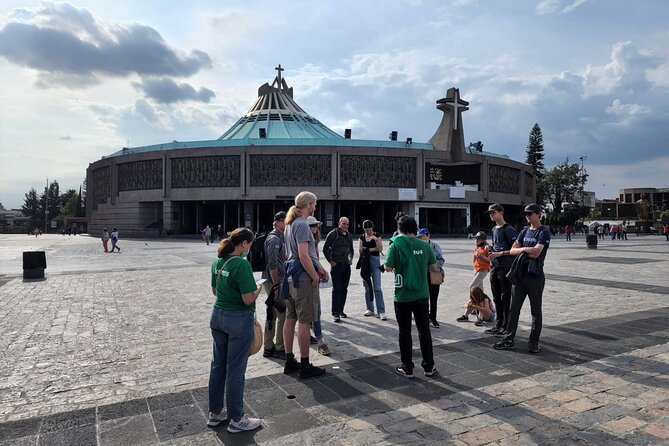
The tour includes private round-trip transportation, the Teotihuacan entrance fee, and the grana cochinilla and plant pigments workshop. It is offered in English and uses a mobile ticket.
That package has solid value even without a listed price. You are paying for more than entry to the archaeological zone. You also receive transport from central Mexico City, a guide-led route through several areas, and interpretation at places that can be confusing without context.
Lunch is not included. Buy food before departure, as recommended, and carry it during the tour. Tips are also separate. Since the guides and driver are central to the experience, bring cash if you feel the service deserves recognition, especially when staff help with timing, explanations, or an unexpected pickup issue.
There is free cancellation up to 24 hours before the start time. Cancellations inside that window are not refunded, and changes are not accepted within 24 hours. The activity also requires a minimum number of participants, so a cancellation by the operator could lead to another date, another experience, or a full refund.
Who should book this six-hour outing
I would choose this tour if you want Teotihuacan explained rather than simply photographed. It suits first-time visitors who want the major pyramids plus murals, mythology, and a short craft lesson in one half-day outing.
It is also a good fit if you prefer an English-speaking guide and do not want to arrange transport yourself. Families may appreciate the included ride and the range of subjects, though the walking, heat, stairs, and lack of included lunch require planning.
History fans should like the layering of themes: the city’s ceremonial planning, its connection to later Aztec interpretations, the Temple of Quetzalcoatl, and the materials behind the murals. You will get the most from it if you enjoy listening to stories and asking questions, not just collecting photographs.
I would be more cautious if you need a slow pace, a guaranteed private guide, or a quiet archaeological visit with no workshop element. A group of up to 19 is moderate rather than intimate, and six hours is enough for a strong overview but not an exhaustive study of every part of the site.
Should you book it?
Book this tour if you want the classic pyramids with a less familiar side of Teotihuacan. The Moon Pyramid, Sun Pyramid, Avenue of the Dead, Zacuala murals, Citadel, and pigment workshop create a well-rounded day, while included transport removes much of the practical hassle.
Before booking, be ready for stairs and sustained walking, bring food from the start point, and confirm the meeting location carefully. If your priorities are clear guiding, mythology, and access to areas beyond the two famous pyramids, this is a worthwhile choice. If you want a relaxed day with little walking or a fully private experience, choose something slower and more flexible.
FAQ
How long does the Teotihuacan tour last?
The tour lasts approximately six hours and returns to the original meeting point in Mexico City.
Where does the tour start?
It starts at Frontón México, Av. de la República 17, Tabacalera, Cuauhtémoc, 06050 Ciudad de México, CDMX, Mexico.
What time does the tour begin?
The scheduled start time is 8:15 a.m.
Is transportation included?
Yes. Private round-trip transportation is included, and the activity ends back at the meeting point.
Is the Teotihuacan entrance fee included?
Yes. The Teotihuacan entrance fee is included.
Is lunch provided?
No. Lunch is not included. Convenience stores are available near the meeting point, and you are advised to buy food to take during the tour.
Can I cancel for a full refund?
Yes, if you cancel at least 24 hours before the experience start time. Cancellations made less than 24 hours before the start are not refunded, and changes inside that period are not accepted.
Just added around Mexico City
- Mexico City: Hop-on Hop-off City Tour by Turibus 2-Day Pass★ 4.0 · 10 reviews
- Anthropology Museum, Chapultepec Castle & Cable Car Tour★ 4.5 · 10 reviews
- Multi-Variety Mole Class in a Condesa home or art gallery rooftop★ 5.0 · 10 reviews
- PRIVATE TOUR Colonial Town Taxco and Cuernavaca from CDMX.★ 5.0 · 10 reviews
- El Centro Street Food Walking Tour★ 5.0 · 10 reviews
- Private Round-Trip Transportation to Teotihuacan Pyramids★ 5.0 · 10 reviews
- Teotihuacan and My Grandma’s Food Tour★ 5.0 · 10 reviews
- Private Walking Tour Legends and Events Historic Center CDMX★ 4.8 · 10 reviews
Teotihuacán Pyramid Tours, compared.
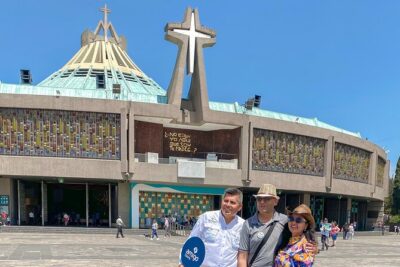
Teotihuacan, Guadalupe Shrine & Tlatelolco Day Tour with Lunch
Read our review →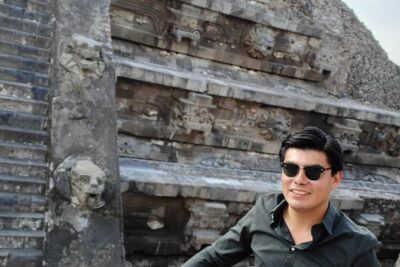
Teotihuacan pyramids morning or afternoon without tourist traps
Read our review →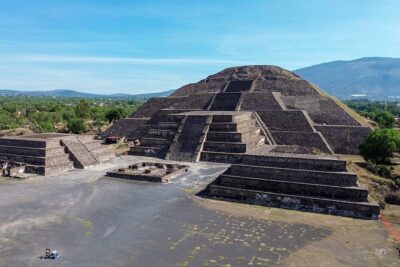
Teotihuacan Early Access Guided Tour with optional Lunch
Read our review →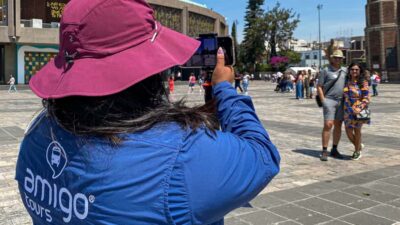
Teotihuacan, Tlatelolco & Guadalupe Shrine Tour
Read our review →
Teotihuacan Hot Air Balloon Flight from Mexico City / Volare
Read our review →
Balloon flight + pick up in CDMX + Breakfast in Cave + Teotihuacan
Read our review →
Browse the lists this tour appears in