
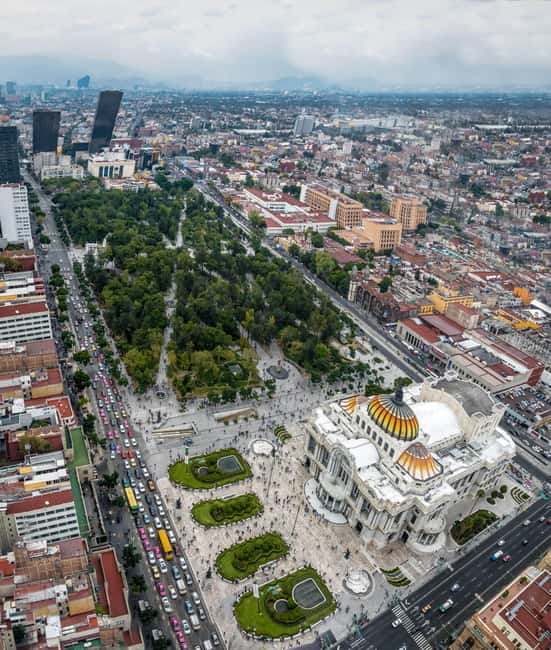
Reviewed · MUSEUMS
Treasures of Mexico City: Palaces and Museums
Mexico City has a remarkable trick up its sleeve: a short walk through the center can take you from viceregal paintings to grand banking halls, gilded mail counters, and Diego Rivera murals. This four-hour walking tour links four major buildings into one clear story about Mexico’s art, architecture, and national growth.
I like the smart route and the fact that museum and monument admission is included in the $42 price. I also like the mix of subjects. You are not spending four hours on paintings alone, and the Post Office Palace adds a wonderfully ornate change of pace. The main consideration is time: four substantial sites in four hours means some visits may feel brisk, especially if you want to study every gallery.
In This Review
- Key points to know before booking
- Why these four buildings make a good Mexico City introduction
- Starting at the National Museum of Art
- Entering the Banamex Culture Palace
- The ornate Post Office Palace
- Finishing at the Palace of Fine Arts
- How the $42 price works out
- What the guide adds
- The cooperative store and what to clarify
- Who should book this walking tour
- Should you book Treasures of Mexico City?
- FAQ
- How long does the tour last?
- Where does the tour meet?
- Where does the tour finish?
- Which places are visited?
- Are entrance tickets included?
- Is a tour guide included?
- Is food included?
- Could the National Museum of Art be closed during the tour?
Key points to know before booking
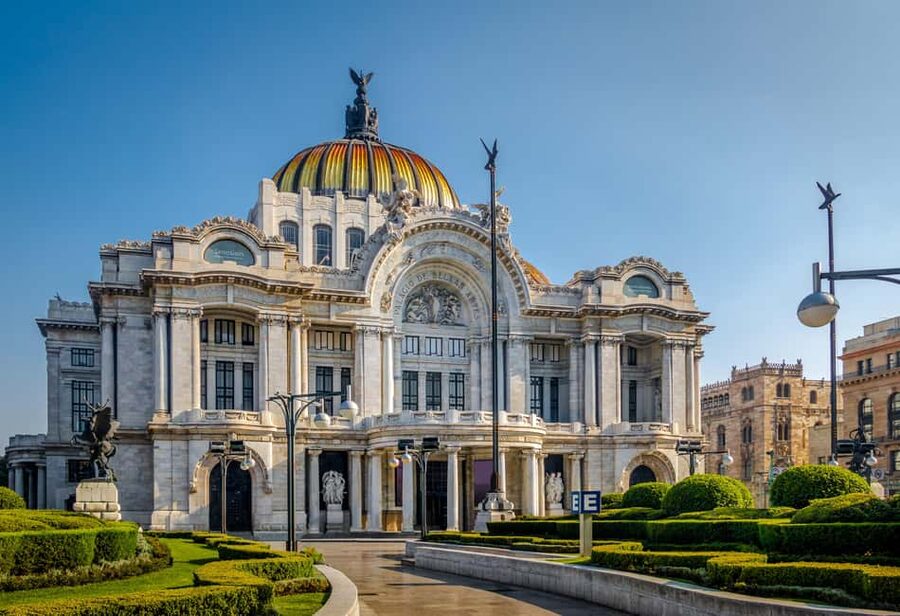
- Four major stops in four hours: MUNAL, Banamex, the Post Office Palace, and the Palace of Fine Arts form the core of the visit.
- A guide gives the buildings a story: The tour connects Mexican art with banking, modernization, architecture, and national identity.
- The Post Office Palace is a visual highlight: Its Art Nouveau, Venetian Neo-Gothic, Baroque, and Neoclassical details make it unlike a standard museum stop.
- Admission is included: Your professional guide leads the visits, and entry tickets to the museums and monuments are covered.
- Barbi earned special praise: The guide was described as driven, passionate, entertaining, and very well informed.
- Meet at the Palace of Fine Arts: Look for the guide wearing a blue shirt, carrying an umbrella, or wearing a backpack.
Why these four buildings make a good Mexico City introduction
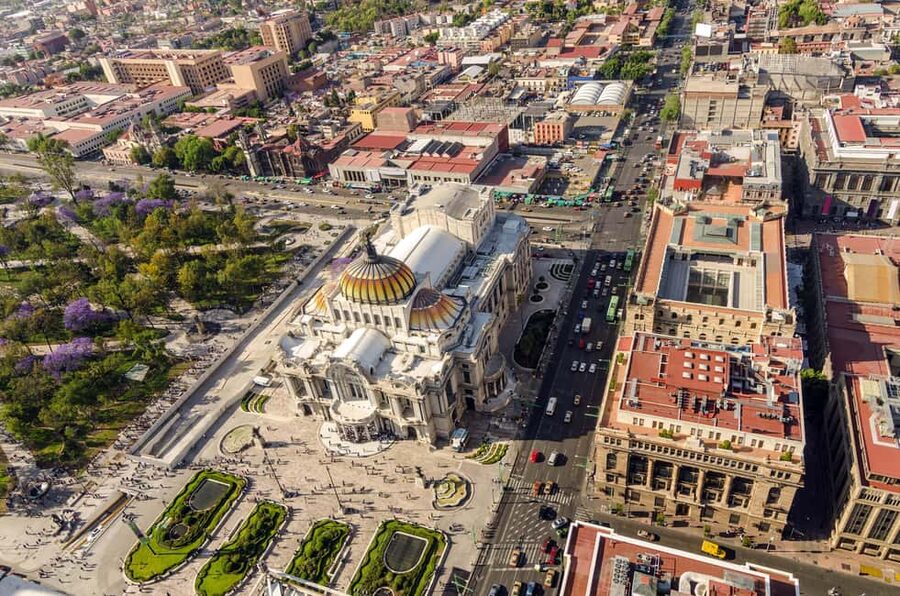
This is not simply a museum crawl. The route puts four different parts of Mexico City’s public life side by side.
At the National Museum of Art, you look at the country through painting and sculpture. At the National Bank of Mexico, you consider money, trade, and modernization. The Post Office Palace turns a working civic building into an architectural lesson. The Palace of Fine Arts then brings art, performance, and national culture together under one famous roof.
I like this approach because it gives you a useful framework for the historic center. Instead of seeing impressive facades as isolated sights, you learn why these buildings mattered. The guide’s job is especially important here. A good explanation can help you notice details that you might otherwise pass without a glance.
The tour is conducted in English or Spanish. Some material is presented in its original language, so you may encounter labels or content that retain their Spanish wording. That can add local character, though it may require a little more attention if you do not read Spanish.
More museums and galleries in Mexico City:
- CDMX: Xochimilco, Coyoacan, Frida Kahlo Museum & Murals Tour
★ 4.4 · 3,025 reviews - Chapultepec Castle & Anthropology Museum Tour
★ 4.5 · 1,348 reviews - Frida Kahlo VIP [Museum Tickets Included] Bike, Markets & Churros
★ 5.0 · 1,072 reviews
Starting at the National Museum of Art
The first main visit is the National Museum of Art, commonly known as MUNAL. Its collection covers Mexican art from the viceregal period through the early twentieth century, giving you a broad look at how artistic tastes and national ideas changed over time.
That time span is useful. You are not seeing one narrow school or one famous painter. Instead, the galleries help explain the movement from colonial artistic traditions toward the modern Mexican art world. The museum is therefore a strong opening stop, since it gives the rest of the tour a cultural foundation.
Expect a guided visit rather than a casual walk through the rooms. Your guide can point out the link between art and the country’s changing political and social life. This is where the tour is likely to feel most traditional, with paintings and historical context taking center stage.
There is one practical warning. The National Museum of Art may close to the public during the tour in extraordinary circumstances. If that happens, this first part of the planned route may change. I would keep your schedule flexible rather than booking a tight connection immediately afterward.
Entering the Banamex Culture Palace
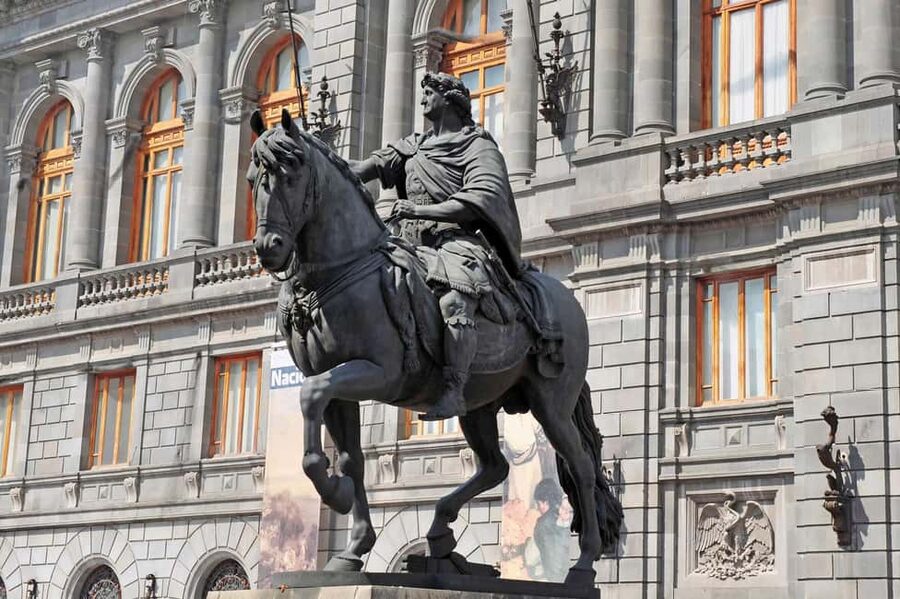
Next comes the Banamex Culture Palace, associated with the National Bank of Mexico. This stop shifts the focus from art to finance, but it does not feel like a random detour.
The building represents Mexico’s economic growth and modernization. Through the guide’s explanation, you learn how banking helped shape the country’s economic course and why this institution became an important part of national life.
I find this one of the more useful parts of the route because many city tours focus only on churches, palaces, and paintings. Money can seem like a dry subject, but the bank gives you another way to understand Mexico City. Grand public buildings often reflect confidence, ambition, and the desire to project stability. Here, architecture and economics meet.
The visit also breaks up the rhythm of the museum. After spending time with works of art, you move into a place tied to commerce and finance. That contrast helps the four stops feel connected without becoming repetitive.
You should not expect a separate shopping or food break at this point. Food and drinks are not included, and the tour is built around walking and guided visits. Carry water if you need it, while keeping in mind that the schedule is designed to continue through the buildings.
The ornate Post Office Palace
The Palacio de Correos de México is likely to be the surprise favorite for many people. It is a working civic building with an extravagant interior, and its design pulls from several styles at once.
The tour description highlights Art Nouveau, Venetian Neo-Gothic, Baroque, and Neoclassical elements. That list sounds academic until you are looking at the mix of columns, gold-colored details, arches, and decorative surfaces in one place. The building feels like a visual time capsule.
I would give this stop your full attention even if you are not an architecture fan. Museums often ask you to focus on framed objects. Here, the building itself is the object. Look up, look across the halls, and notice how the decoration changes from one area to another.
The practical drawback is that ornate places can tempt you to stop for photographs at every turn. You will have a camera opportunity, but the tour still has to keep moving to reach the final stop within four hours. Take a few thoughtful photos and listen to the explanation before rushing on.
Comfortable clothing matters more than formal dress. You will be walking between sites and spending much of the experience on your feet. An umbrella may also be useful, not only because the guide may carry one as a meeting marker, but because weather can change during a city walk.
A completely different day out, same corner of Mexico City:
- Teotihuacan, Guadalupe Shrine & Tlatelolco Day Tour with Lunch
★ 5.0 · 11,603 reviews - Xochimilco, Coyoacan and Frida Kahlo with Optional Lunch
★ 4.5 · 7,320 reviews - Balloon flight + Breakfast in cave + Pyramids + Pick up CDMX.
★ 5.0 · 6,335 reviews - Teotihuacan pyramids morning or afternoon without tourist traps
★ 5.0 · 6,186 reviews
Finishing at the Palace of Fine Arts
The tour ends at the Palace of Fine Arts, beginning and finishing at the same landmark. Its white marble facade is one of Mexico City’s most familiar sights, but the guided visit gives you reasons to look beyond the exterior.
Inside, you may see murals by major Mexican artists including Diego Rivera and Rufino Tamayo. The building also functions as one of Latin America’s most important cultural centers, with exhibitions and performances adding to its role.
As a final stop, it brings together the themes introduced earlier. MUNAL shows the development of Mexican art. Banamex connects the city to finance and modernization. The Post Office Palace demonstrates how public architecture can express ambition. Fine Arts gathers art, architecture, and performance into one powerful ending.
The exact balance between the interior rooms, exhibitions, murals, and architectural explanation will depend on the guide and conditions on the day. You should expect a guided visit, but not necessarily enough time for every hall or display. If Fine Arts is your main priority, consider returning on your own after the tour so you can set your own pace.
How the $42 price works out
At $42 per person, this tour offers fair value if you want several admissions and a guide in one compact outing. Entry tickets to all museums and monuments are included, as is a professional guide in English or Spanish. That removes the need to arrange each site separately.
The strongest value comes from the range. You are paying for four hours that combine art, architecture, civic history, and finance. A self-guided visit may cost less in guiding fees, but it would require more planning and would leave you to connect the buildings yourself.
The price is less attractive if you prefer long, independent museum visits. Four hours is enough for an overview, not an exhaustive study of MUNAL or Fine Arts. You are buying structure and interpretation rather than unlimited time in each gallery.
The tour also uses a separate entrance to skip the line. The information does not specify how long any wait might be, but this can matter at busy times. I would choose this experience early in a Mexico City stay, when a broad orientation to the center can help you decide which places deserve a later return.
What the guide adds
The guide is the difference between a pleasant walk and a useful cultural tour. The strongest comments about this experience focus on the guide’s command of the material, energy, and ability to keep the visit entertaining.
Barbi is the only guide named in the available information. She was described as passionate and driven, with a strong grasp of the subjects. Other feedback also praised the guides for making the locations engaging rather than simply listing dates and architectural labels.
That matters because these buildings cover a lot of ground. You move from colonial art to early twentieth-century culture, then to banking and architecture. Without a clear guide, those subjects could feel disconnected. With good interpretation, you see how each building reflects a different stage of Mexico City’s development.
Still, the guide cannot control every condition. Museum access may change in extraordinary circumstances, and some material is shown in its original language. Go in ready to ask questions and accept that a four-hour overview has limits.
The cooperative store and what to clarify
The experience highlights a visit to a cooperative store featuring Mexican artisans and local art. That could add a more personal, contemporary note to a route otherwise focused on major institutions and monumental buildings.
However, the listed sequence of stops names MUNAL, Banamex, the Post Office Palace, and the Palace of Fine Arts. It does not clearly place the cooperative store in that schedule. If browsing local crafts is important to you, confirm before booking how this stop fits into the four-hour route.
That small check can prevent disappointment. The four grand buildings are clearly the core of the walk, while the artisan store appears as an additional highlight in the description. I would treat it as a possible part of the experience rather than the main reason to reserve.
Who should book this walking tour
I would recommend this tour to a first-time visitor who wants a well-organized introduction to Mexico City’s historic center. It suits you if you enjoy architecture, art, and national history, but do not want to plan several admissions and routes on your own.
It is also a good fit for anyone who likes varied sightseeing. The four stops do not all tell the same story. One centers on art, another on banking, another on decorative architecture, and the last on Mexico’s major cultural institutions.
You may want a different plan if your priority is slow museum study, shopping, food, or a long break. No meals or drinks are included, and the tour is not built around free time. Families and mixed-interest groups may appreciate the range, while dedicated art specialists could find the pace too quick.
Wear comfortable clothes and bring a camera. Meet at the Palace of Fine Arts, using the guide’s blue shirt, umbrella, or backpack as the identifying marker. The meeting point is also the return point, which keeps the logistics simple.
Should you book Treasures of Mexico City?
Book it if you want four landmark buildings explained as parts of one national story, with admissions and a bilingual guide included for $42. The Post Office Palace and Banamex visit give the route more variety than a standard art tour, while MUNAL and Fine Arts provide the major cultural anchors.
Skip it if you need hours alone in each museum or prefer to explore without a fixed pace. For most visitors seeking a compact, informative introduction, the tour offers a sensible use of four hours. If Barbi is guiding your departure, expect an especially spirited presentation based on the strong praise for her passion and command of the subject.
FAQ
How long does the tour last?
The tour lasts four hours, including the guided visits to the listed museums and monuments.
Where does the tour meet?
Meet your guide at the Palace of Fine Arts. Look for someone wearing a blue shirt or carrying an umbrella or backpack.
Where does the tour finish?
The tour returns to the Palace of Fine Arts.
Which places are visited?
The route includes the National Museum of Art, the Banamex Culture Palace, the Palacio de Correos de México, and the Palace of Fine Arts.
Are entrance tickets included?
Yes. Entry tickets to all museums and monuments visited on the tour are included.
Is a tour guide included?
Yes. A professional live guide is included, with tours offered in English or Spanish.
Is food included?
No. Food and beverages are not included in the price.
Could the National Museum of Art be closed during the tour?
Yes. In extraordinary circumstances, the National Museum of Art may not be open to the public during the tour.
Just added around Mexico City
- Ticket to Frida Kahlo Museum (Blue House)★ 5.0 · 3 reviews
- Valle de Bravo: Forest Hiking Adventure★ 4.4 · 3 reviews
- Chapultepec Castle and Anthropology Tour, starting from CDMX★ 5.0 · 3 reviews
- La Roma Private Art Tour★ 5.0 · 3 reviews
- Private Transportation: Pickup and Drop-Off★ 5.0 · 3 reviews
- Mexico City: Relaxing or Decontracting Massage Experience★ 5.0 · 3 reviews
- Grutas de Tulantongo★ 3.0 · 3 reviews
- Mexico City: Local Walking Tour with Mezcal & Wrestling Show★ 5.0 · 3 reviews
Museums, compared.
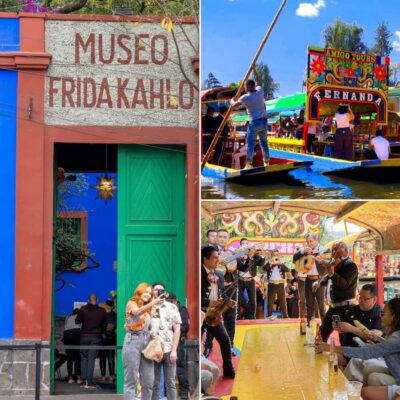
Xochimilco, Coyoacan, Frida Kahlo Museum & Murals Tour
Read our review →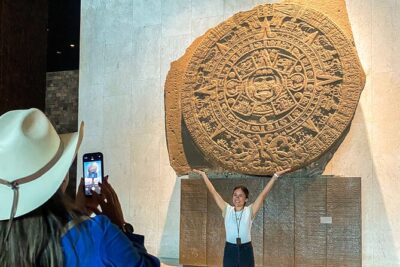
Chapultepec Castle & Anthropology Museum Tour
Read our review →
Frida Kahlo VIP [Museum Tickets Included] Bike, Markets & Churros
Read our review →

Frida Kahlo VIP [Museum Tickets Included] Walk, Markets & Churros
Read our review →
EXCLUSIVE TOUR Frida Kahlo Museum – SMALL GROUPS
Read our review →
Frida Kahlo Museum Entry Ticket w/Digital Guide
Read our review →Browse the lists this tour appears in