
Reviewed · HISTORIC CENTRE WALKING TOURS
Express Historic Center the must in two hours
Mexico City’s Historic Center compresses centuries into a few blocks, and this two-hour walking tour gives you a useful first look without asking you to spend half a day on your feet. You move from the Zócalo and Metropolitan Cathedral to Templo Mayor, Plaza Tolsá, the Palacio Postal, the House of Tiles, and the Palace of Fine Arts.
I like the focus on stories and sensory details, not just dates and building names. I also like the small group limit of 15 people and the practical finish at Alameda Central, where the guide offers ideas for food and further sightseeing. The main drawback is pace: two hours is enough for outside views and lively explanations, but not enough for full visits to the Cathedral, Templo Mayor, or the museums.
In This Review
- Key points at a glance
- Why this short Historic Center walk works
- Zócalo: Mexico City’s great open-air stage
- Metropolitan Cathedral: two centuries in one facade
- Templo Mayor: the ancient city beneath the present one
- Historic streets, daily life, and the National Museum of Art
- Plaza Tolsá and the famous Caballito
- Palacio Postal: marble, letters, and old-city detail
- House of Tiles: a facade with a story
- Fine Arts and Alameda Central: a useful finish
- Guide style and group size
- What $26.76 buys you
- Who should book this walk
- Should you book the two-hour Historic Center tour?
- FAQ
- How long does the tour last?
- What language is the tour offered in?
- Where does the tour start?
- Where does the tour end?
- Is admission to Templo Mayor included?
- How many people can join the tour?
- Can I cancel for a full refund?
Key points at a glance
- Ancient and modern Mexico in one walk: Start at the Mexica heart of the city and finish beside the Palace of Fine Arts and Alameda Central.
- A compact route: The tour covers major sights in about two hours, making it useful on a first day in Mexico City.
- English-language guiding: Expect clear explanations about history, culture, legends, and unusual details without heavy academic language.
- Outside visits are the norm: The Metropolitan Cathedral and major landmark buildings are viewed from outside, and the Templo Mayor admission fee is not included.
- Small-group setting: The maximum group size is 15 people, which should make it easier to hear and ask questions.
- Local help after the walk: The guide gives suggestions for places to visit and food to try in the city.
Why this short Historic Center walk works
Mexico City’s center can feel like several cities placed on top of one another. The Zócalo recalls the Mexica capital, the Cathedral occupies ground tied to the Spanish conquest, and later buildings reflect colonial wealth, the Porfiriato, national pride, and modern city life.
This tour makes that layering the main subject. Instead of taking you to one major indoor attraction and leaving the rest for later, it connects a series of landmarks on foot. You get a broad orientation quickly, then can return to the places that deserve more time.
The language is designed to be clear and entertaining. That matters here because the architecture and historical names can become a blur if the explanation is too technical. Anecdotes, legends, daily-life details, and references to ceremonies help turn a square or facade into a place with a human story.
The route is also sensible for a short visit. It begins near Avenida de la Palma in the Centro Histórico and ends on Avenida Juárez near Alameda Central. You are not returned to the starting point, so the finish works well if you plan to continue toward the Palace of Fine Arts, Alameda, or other central sights.
More walks through the historic centre:
- Historic Downtown Walking Tour
★ 5.0 · 1,289 reviews - Historic Center Food Tour in Mexico City
★ 5.0 · 1,263 reviews - Mexico City: Historic Downtown Walking Tour
★ 4.8 · 1,039 reviews
Zócalo: Mexico City’s great open-air stage
The walk begins at the Zócalo, officially Constitution Square. This enormous plaza is the right place to begin because it gives you the scale of the city before the route narrows into streets and building fronts.
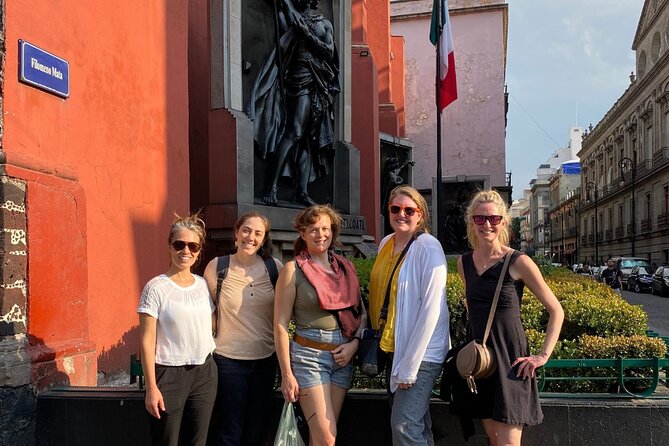
Here, the Mexican flag takes center stage. The square also carries the memory of the Mexica capital, whose temples and ceremonial spaces once occupied this area. The guide uses the setting to help you picture drums, religious ceremonies, military parades, and public celebrations that took place across very different eras.
I would pay attention to the contrast between the open plaza and the dense streets around it. The Zócalo is not just a photo stop. It is the point where ancient power, colonial rule, and the modern nation are placed side by side.
The scheduled stop lasts about 15 minutes. That is long enough for orientation and storytelling, but not for a detailed look at every building around the square. If the plaza is crowded or an event is taking place, listen closely and stay near the guide.
Metropolitan Cathedral: two centuries in one facade
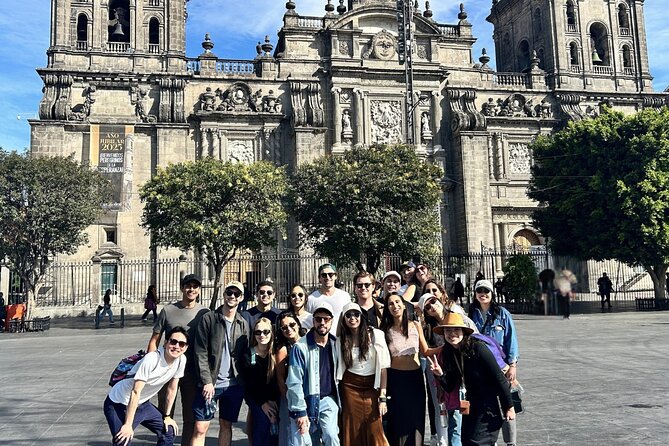
The next stop is the Metropolitan Cathedral, built over more than two centuries. Even from outside, the building gives you plenty to examine: volcanic stone, heavy proportions, and a mix of architectural styles shaped by its long construction.
The guide explains the Cathedral as a meeting point of cultures, religious traditions, and artistic periods. A fragment of the monumental organ may form part of the explanation, though you should think of this as an interpretive moment rather than a full musical performance.
The visit lasts about 10 minutes and admission is free, but the experience is primarily exterior. That is an important distinction if you want to study the interior, chapels, altars, or religious art. You would need to return on your own, if access is available at the time of your visit.
Still, the short stop has value. The Cathedral helps explain how Mexico City’s colonial center was built and how older foundations were absorbed into the city that followed.
Templo Mayor: the ancient city beneath the present one
Near the Cathedral, the route points you toward the Museo del Templo Mayor. This is one of the most important historical turns in the walk. The museum and archaeological site reveal the Mexica ceremonial center that once occupied the area now covered by the modern city.
The story of the discovery is especially memorable. An accidental find revealed the stone disk associated with Coyolxauhqui, the moon goddess. That discovery helped expose a major part of the ancient city and changed the way people understood what lay beneath central Mexico City.
The guide introduces the site and helps you picture how one city was built over another. The phrase about walking upward from another city captures the central idea: modern streets sit above layers of earlier life.
The listed stop is about 15 minutes, and the admission ticket is not included. Do not expect a full museum visit within this tour. If Templo Mayor is high on your list, treat this walk as an introduction and return later with extra time and the separate entrance fee.
That limitation is not a flaw if you want a quick overview. It is a real drawback if you hoped to examine the archaeological remains, museum displays, and Coyolxauhqui in detail during the two-hour outing.
More history walks in Mexico City:
- Walking Tour of the Historic Center of Mexico City
★ 5.0 · 870 reviews - Mexico City Historical Centre Food Tour with 7 Authentic Tastings
★ 5.0 · 723 reviews - Walking Tour in Mexico City for Exploring their Cultural Heritage
★ 5.0 · 245 reviews - Walking Tour – Impressive murals in Historical Center of Mexico City
★ 5.0 · 224 reviews
Historic streets, daily life, and the National Museum of Art
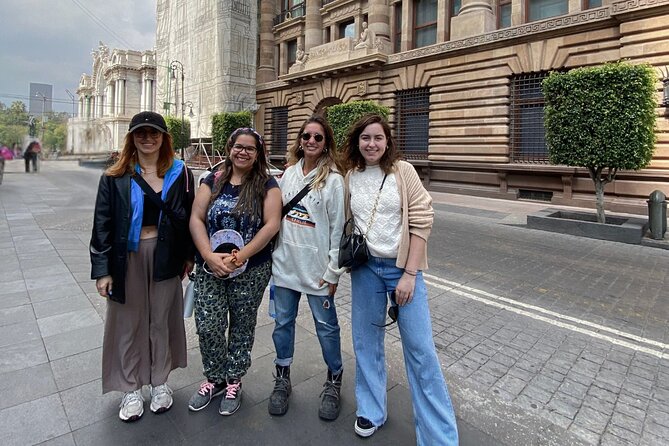
After Templo Mayor, the route continues through streets that carry smaller stories. One stop involves looking into a window connected with everyday life and an important historical event. The description is intentionally anecdotal, and this kind of detail can be a welcome change from grand monuments.
The walk then passes through spaces used for banquets, military parades, and national celebrations. This helps you see the Historic Center as more than a collection of old buildings. These streets and plazas have served as settings for public life, political display, and private gatherings.
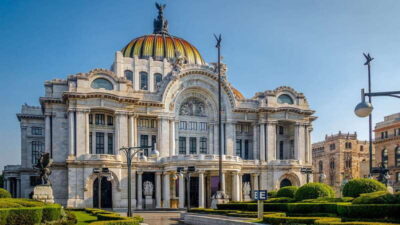
The route reaches the National Museum of Art, known for its grand architecture. The building offers a useful way to discuss the Porfiriato, the period linked with Porfirio Díaz, and the arrival of modern Mexico. The guide also connects painters and public art with the question of national identity.
You will mainly receive an outside view here, not a museum tour. That is worth knowing in advance. The building itself is an excellent architectural stop, while the discussion gives you a reason to return if you want to see the collections.
Plaza Tolsá and the famous Caballito
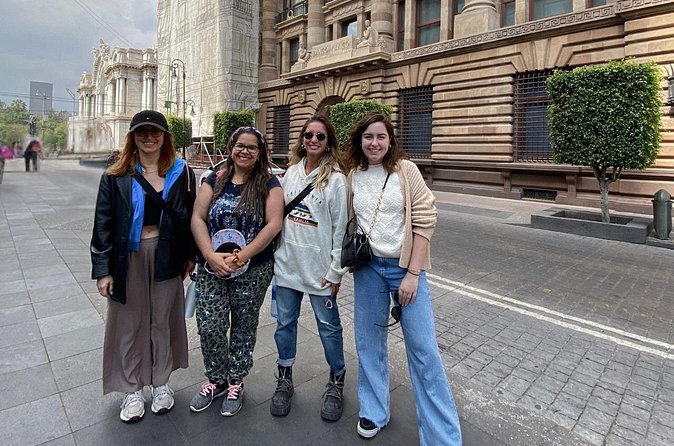
Plaza Tolsá brings the tour into a more formal civic setting. At its center is the bronze statue of Carlos IV, known as the Caballito. The sculpture has survived centuries, political change, and controversy, making it an ideal object for a short, lively explanation.
The guide uses the plaza to recreate the social world of the colonial and early postcolonial elite. References to fans, food smells, and public life help you think about how people used the square more than 200 years ago.
This is a brief stop of about 10 minutes, with no admission fee. You will not get a long art lecture, but you will learn why the statue matters and how public monuments can acquire new meanings as governments and values change.
I like this part of the route because it gives the tour a smaller human scale. After the massive Zócalo, Cathedral, and Templo Mayor, Plaza Tolsá offers a closer look at sculpture, social status, and urban design.
Palacio Postal: marble, letters, and old-city detail
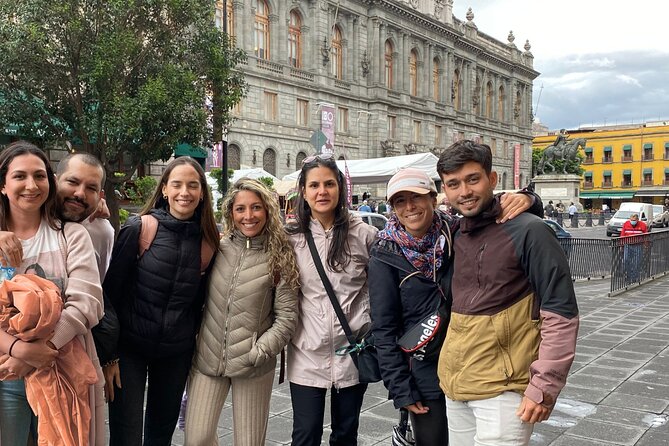
The Palacio Postal is one of the quickest stops, at about five minutes, but it may be one of the most visually satisfying. You look inside one of Mexico City’s most ornate public buildings, where marble, wrought iron, and gilded details frame the old postal service.
The guide invites you to imagine love letters, postcards, and messages sent before digital communication. That simple idea gives the building a practical purpose. It was not built only to impress. It was made for people sending news, money, greetings, and personal words across distance.
Five minutes is enough to appreciate the entrance and hear the basic story, but not enough for a slow architectural inspection. If you enjoy decorative interiors, return later and spend more time looking at the staircases, metalwork, and surfaces.
This is also a good place to keep your camera ready. The interior details reward a quick glance, yet the group will need to keep moving to complete the route.
House of Tiles: a facade with a story
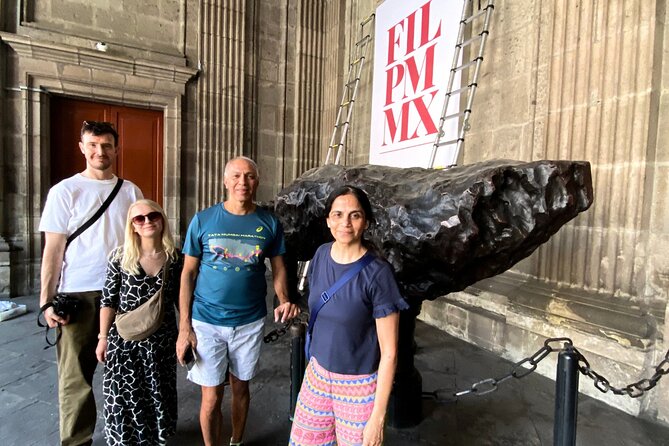
The House of Tiles, or Casa de los Azulejos, brings a different kind of beauty. Its blue and white tile facade is easy to recognize, but the guide goes beyond the photograph by discussing the families who lived there and the origin of the tiles.
The stop lasts about 10 minutes. You will see the facade, hear stories about the building’s residents, and take part in a small tile-focused activity. The sensory approach fits the tour’s larger idea of using sight, sound, touch, and imagination to make the city easier to remember.
The building also shows how private wealth and decorative taste shaped the center. Its appeal is not only the color of the tiles. It is the sense that an ordinary urban block can hold traces of family life, status, craft, and changing ownership.
Again, this is not a complete interior visit. Think of it as a well-chosen introduction, followed by an optional return visit if you want to explore further.
Fine Arts and Alameda Central: a useful finish
The final portion brings you to the Palace of Fine Arts. From outside, you can compare its art nouveau and art deco elements and hear why the building is sinking. The guide also explains why this theater is considered one of the city’s great architectural landmarks.
The sinking problem is not a throwaway curiosity. Mexico City was built on soft lakebed ground, and the city’s weight and changing conditions have affected historic buildings. A short explanation here gives you a better sense of the physical challenges facing the center.
The walk ends under the trees of Alameda Central, described as the first park in the Americas. This is a pleasant place to stop because you are no longer focused only on facades and monuments. You have room to pause, look back at the route, and decide what deserves a second visit.
The guide offers recommendations for places to see and foods to try. That advice can be especially useful after a short orientation walk, when you know the city’s main names but still need help choosing your next stop.
Guide style and group size
TiAPANi promises an English-language guide with expertise in history and culture, but the emphasis is on plain explanations rather than technical terms. That makes the tour a good match if you want context without a formal lecture.
Daniela is the guide associated with the company’s other Mexico City and family outings. Her style, based on the information available, includes keeping children and teenagers involved, answering questions, and adjusting explanations to the group. You should not assume Daniela personally leads every departure, but her approach gives you a useful sense of the company’s tone.
The group limit is 15 people. That is not a private tour, yet it is small enough to make a question possible and easier to stay connected while crossing busy central streets.
WhatsApp assistance is available before and during the tour. That is a practical touch if you need help finding the meeting point or have a question close to departure.
What $26.76 buys you
At $26.76 per person, the price is reasonable if you value a fast orientation and a human explanation of the city. You are paying for about two hours of guiding, not for museum admissions, transportation, meals, or a private vehicle.
The value is strongest on a first day in the Historic Center. A good guide can save you time by explaining which buildings matter and how they connect. You finish with a clearer plan instead of wandering from one facade to the next without context.
The value is weaker if you want long indoor visits. Templo Mayor admission is extra, and the Cathedral, National Museum of Art, Palacio Postal, House of Tiles, and Palace of Fine Arts are not presented as full museum entries. Add the price of any places you plan to revisit.
Tips are optional but appreciated. Food and drinks are not included, so plan to eat before or after the walk rather than expecting a snack stop.
Who should book this walk
I would choose this tour if you have limited time, want an English explanation, or prefer to understand the city before visiting museums on your own. It also suits families because the stories, legends, sensory details, and short stops can hold attention better than a long indoor lecture.
It is a good fit for first-time visitors who want the main landmarks linked into one route. The small group size also helps if you want some contact with the guide without paying for a fully private experience.
You may want a different format if your main goal is archaeological detail, art collections, or the Cathedral interior. In that case, use this walk as an overview and reserve a separate block of time for the sites that interest you most.
Wear comfortable shoes and allow for a walking pace that keeps the schedule moving. The tour requires good weather, and poor weather can lead to a new date or a full refund. You can cancel for a full refund up to 24 hours before the start time, but cancellations or changes inside that window are not refunded or accepted.
Should you book the two-hour Historic Center tour?
Book it if you want a brisk, friendly introduction to Mexico City’s central landmarks, with ancient history, colonial architecture, public art, legends, and local suggestions tied together by a guide.
Skip it if you want to linger inside museums or study archaeological remains in detail. At $26.76, this is best understood as a well-paced orientation walk, not a substitute for full site visits. For many people, that is exactly the point: two hours to get your bearings, learn what you are seeing, and choose where to return.
FAQ
How long does the tour last?
The guided walking tour lasts approximately two hours.
What language is the tour offered in?
The experience is offered in English.
Where does the tour start?
It starts at BBVAC, Avenida de la Palma 12, Centro Histórico de la Ciudad de México, Centro, Cuauhtémoc, Mexico City.
Where does the tour end?
The walk ends at Avenida Juárez 39, Colonia Centro, Centro, Cuauhtémoc, Mexico City, near Alameda Central and the Palace of Fine Arts.
Is admission to Templo Mayor included?
No. Admission to the Museo del Templo Mayor is not included in the tour price.
How many people can join the tour?
The activity has a maximum group size of 15 people.
Can I cancel for a full refund?
Yes. You must cancel at least 24 hours before the experience start time for a full refund. Cancellations or changes made less than 24 hours before the start time are not accepted or refunded.
More 2-Hour Experiences in Mexico City
- 2 Hours and 30 Minutes Salsa Night in México City
★ 5.0 · 18 reviews - 2 hours Lucha Libre Show (mexican wrestling) with transport
★ 5.0 · 14 reviews - 2 Hours of Mexican Muralism with an Art Lover
★ 5.0 · 12 reviews - CDMX Historic Center Walking Tour (2 hours)
★ 5.0 · 6 reviews
Just added around Mexico City
- Ticket to Frida Kahlo Museum (Blue House)★ 5.0 · 3 reviews
- Valle de Bravo: Forest Hiking Adventure★ 4.4 · 3 reviews
- Chapultepec Castle and Anthropology Tour, starting from CDMX★ 5.0 · 3 reviews
- La Roma Private Art Tour★ 5.0 · 3 reviews
- Private Transportation: Pickup and Drop-Off★ 5.0 · 3 reviews
- Mexico City: Relaxing or Decontracting Massage Experience★ 5.0 · 3 reviews
- Grutas de Tulantongo★ 3.0 · 3 reviews
- Mexico City: Local Walking Tour with Mezcal & Wrestling Show★ 5.0 · 3 reviews
Historic Centre Walking Tours, compared.



Muralist Art Semi Private Walking Tour in Mexico City Downtown
Read our review →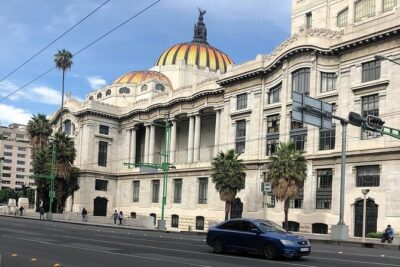
Mexico City Layover Tour: Downtown City Sightseeing
Read our review →
Browse the lists this tour appears in