
Reviewed · HISTORICAL TOURS
LGBTIQ+ History of Mexico private tour
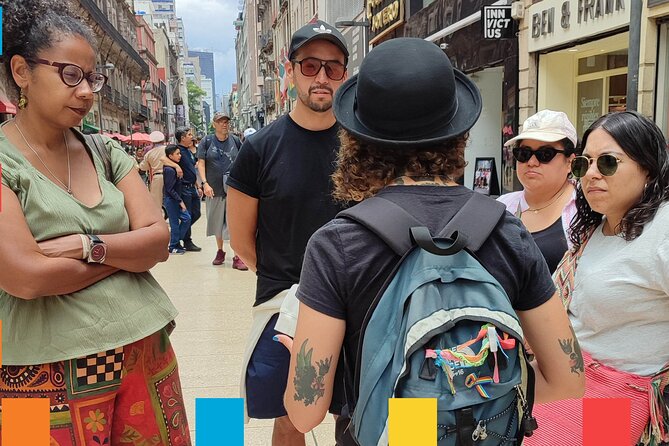
Mexico City’s queer past is not tucked away in a museum. It is written into the Zocalo, colonial churches, old cabarets, revolutionary stories, famous artists, and the streets of the Centro Histórico. This private tour brings those pieces together in a walk of about three to four hours, led in English and focused on people and stories that standard sightseeing often skips.
I like the route for two clear reasons: it connects ancient beliefs with modern queer life, and it uses real places rather than a classroom setting. You move from the Zocalo to the Cathedral, Avenida Francisco I. Madero, Alameda Central, and the Marrakech Salon while your guide explains how ideas about sexuality, gender, power, and public life changed over time.
The main consideration is the amount of walking and standing. The tour covers eight stops, and some discussions take place outdoors. If you need private transport, choose the option that includes it, since transport is not part of every booking.
In This Review
- Key Points Before You Book
- Why This Mexico City Tour Matters
- Starting at the Zocalo with Pre-Hispanic Beliefs
- Coyolxauhqui and Indigenous Views of Gender
- Colonial Mexico at the Metropolitan Cathedral
- Avenida Francisco I. Madero and the Baile de los 41
- La Opera and Diversity During the Revolution
- Modern Mexico in the Centro Histórico
- Alameda Central, Frida Kahlo, Chavela Vargas, and Juan Gabriel
- The Marrakech Salon and Mexico’s First Pride Protests
- What Is Included, and What Is Not
- The Private Format and Guide Experience
- Timing, Price, and Who Will Like It
- Booking and Cancellation Advice
- Should You Book This LGBTIQ+ History Tour?
- FAQ
- Where does the tour begin?
- Does the tour offer hotel pickup?
- Where does the tour end?
- Is transportation included in every booking?
- How long does the experience last?
- Is the tour offered in English?
- Is this a private tour?
- Are food and drinks included?
- Can I cancel for a full refund?
Key Points Before You Book
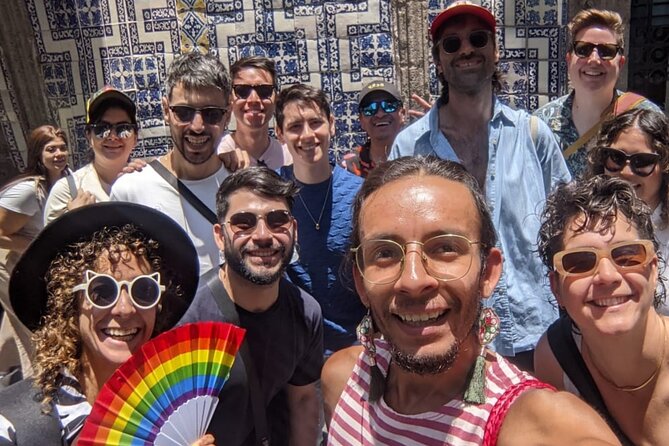
- A private English-language tour: Your group receives the guide’s full attention, with no strangers added to the booking.
- Eight central Mexico City stops: The route links pre-Hispanic, colonial, independent, revolutionary, modern, and Pride-era stories.
- The Baile de los 41 gets proper attention: Avenida Francisco I. Madero is used to explore Mexican dandies, transgender figures, intersexuality, and homosocial life.
- Food and drink are part of the experience: Snacks, bottled water, a queer souvenir, and an alcoholic drink such as pulque are included.
- The route ends at the Marrakech Salon: You are also invited to continue nearby for pulque after the official finish.
- Plan for a long morning or afternoon on foot: The tour lasts about three to four hours and requires considerable walking and standing.
Why This Mexico City Tour Matters
A good history walk changes the way you see a familiar street. This one asks you to look at Mexico City through questions of identity, desire, gender presentation, social rules, and resistance.
The route does not treat LGBTIQ+ life as a recent import. It begins with pre-Hispanic cultures, then follows the effects of colonization, Catholic law, independence, revolution, popular culture, and organized rights movements. That long view matters because it avoids the common mistake of starting queer history with the first Pride march.
I also like the private format. You can ask direct questions without worrying about slowing down a large group. The guide can spend more time on the subjects that interest you most, from colonial punishment to Frida Kahlo or the story of the Baile de los 41.
The price is listed at $93.84 per person. That is not the cheapest way to see the Centro Histórico, but the value depends on what you want from the visit. You are paying for a private guide, a focused subject, snacks, drinks, water, and a souvenir, not simply for a walk between landmarks. The private setting is especially useful if you want context that a general city tour would not provide.
More history walks in Mexico City:
- Historic Downtown Walking Tour
★ 5.0 · 1,289 reviews - Historic Center Food Tour in Mexico City
★ 5.0 · 1,263 reviews - Mexico City: Historic Downtown Walking Tour
★ 4.8 · 1,039 reviews
Starting at the Zocalo with Pre-Hispanic Beliefs

The first stop is the Zocalo, Mexico City’s great central square. The tour opens with an introduction to the Aztecs, Maya, Toltecs, Totonacs, and other native cultures, then considers how their ideas about the cosmos influenced sexuality and gender.
The value here is the starting point. Before discussing colonial law or modern identity, you get a sense of how different societies understood the body and the place of human relationships within the wider world. Your guide can set up themes that return later, including the difference between private behavior, public roles, ritual life, and identity.
You will spend about 20 minutes here, with no admission fee. The Zocalo is also a practical place to begin because it gives you a clear geographic and historical anchor for the rest of the walk.
Coyolxauhqui and Indigenous Views of Gender
The next stop, Coyolxauhqui, continues the conversation about native cultures. The focus is on homosexual practices, sexuality, and gender identity as they were understood before Spanish rule reshaped public and religious life.
This part can be useful if you have only encountered Mexico’s queer past through famous twentieth-century artists. It reminds you that the subject reaches back much further. The guide’s task is not simply to label ancient customs with modern terms, but to help you consider how earlier cultures organized gender and sexuality on their own terms.
The stop lasts around 20 minutes and is free. Since the information is delivered on site rather than through a museum display, listen closely and ask questions. The exact balance of discussion may change depending on your interests and the pace of the group.
Colonial Mexico at the Metropolitan Cathedral
At the Catedral Metropolitana, the tour turns to the colonial period. Here the focus is on the treatment of sexual diversity, the punishment of sodomy, and important figures from that era.
The cathedral is a powerful setting for this discussion. It represents the religious and political structures that shaped colonial life, so the stop places legal and moral rules in a visible public context. You are not only hearing about what people did. You are also looking at who had the power to define acceptable behavior and punish those who crossed the line.
The visit lasts about 20 minutes, and no admission fee is listed. Expect a more serious tone here. Colonial history includes persecution and punishment, and the subject may be difficult at times. That weight is part of the tour’s value, since it shows how public silence and social control developed.
A few more Mexico City half-days to weigh up
- Teotihuacan Private Tour from Mexico City
★ 5.0 · 1,890 reviews - Private Tour: Teotihuacan and Guadalupe Shrine
★ 5.0 · 938 reviews - Private City Tour in Frida Kahlo, Coyoacan, and Xochimilco
★ 5.0 · 626 reviews - Mexico City Custom Private Tour with a Local, Highlights & Hidden Gems
★ 5.0 · 582 reviews
Avenida Francisco I. Madero and the Baile de los 41
Avenida Francisco I. Madero is one of the most important stops on the route. The discussion moves into the first century of independent Mexico and covers transgender heroes, intersexuality, Mexican dandies, and relationships between men in social settings.
The main question is what really happened at the Baile de los 41, the famous gathering that became a major episode in Mexican queer history. This story offers a way to talk about class, reputation, gender expression, public scandal, and the unequal risks faced by people whose private lives became public knowledge.
You will spend about 40 minutes here, which gives the guide time to move beyond a quick anecdote. This is a good place to ask how the event was remembered and why it mattered so much in Mexican public life.
The setting is also a reminder that history happened on ordinary streets. You may be standing in a busy central corridor while hearing about people who lived, dressed, socialized, and took risks in the same broad urban world.
La Opera and Diversity During the Revolution
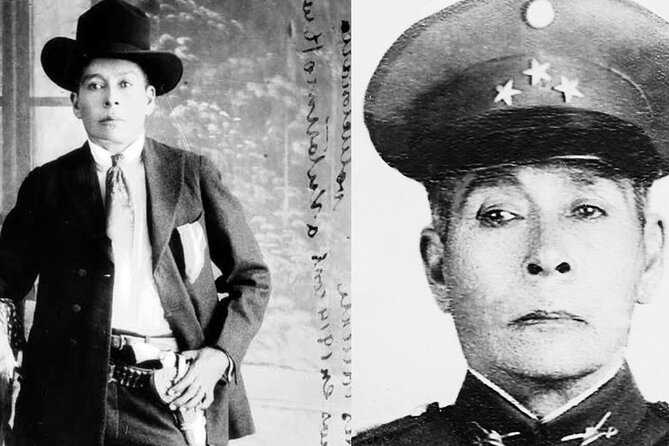
At La Opera, the tour turns to diversity during the Mexican Revolution. The restaurant is the only stop specifically listed with an admission ticket included, and it provides a change from the open-air portions of the walk.
The discussion includes Emiliano Zapata and the first transgender person to be officially recognized, according to the tour’s historical account. These subjects broaden the picture of revolutionary Mexico, showing that gender and sexual identity were part of the period even when official accounts gave them little space.
You will spend about 20 minutes here. Since the tour provides alcoholic beverages, this may also be one of the points where the included drink or another beverage becomes part of the experience. If you do not drink alcohol, confirm the available alternative with the provider before booking.
Modern Mexico in the Centro Histórico
The Centro Histórico section looks at modern Mexico, including the first openly homosexual figures in Mexican history, their artwork, international queer icons, and the beginnings of cruising.
This stop links personal expression with urban life. Art, nightlife, public meeting places, and international influences all helped create new ways for people to recognize one another and form communities. The discussion should help you see the city not only as a collection of old buildings, but as a place where identity was expressed through art, dress, social habits, and movement through public space.
The stop lasts about 30 minutes and is free. If you have an interest in Mexican art or the social history of nightlife, this may be one of the most useful portions of the tour. It also creates a bridge to the better-known cultural figures discussed at Alameda Central.
Alameda Central, Frida Kahlo, Chavela Vargas, and Juan Gabriel
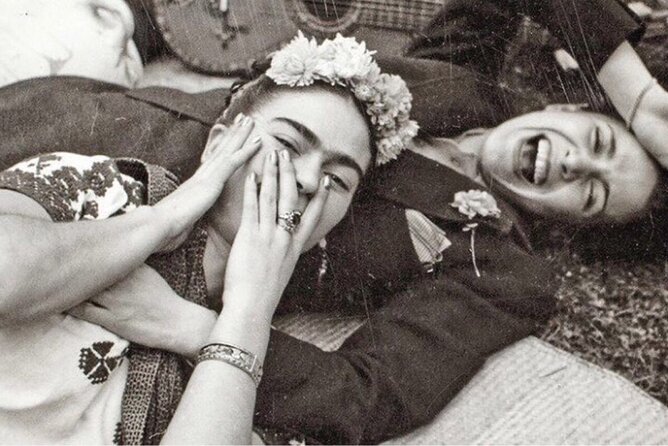
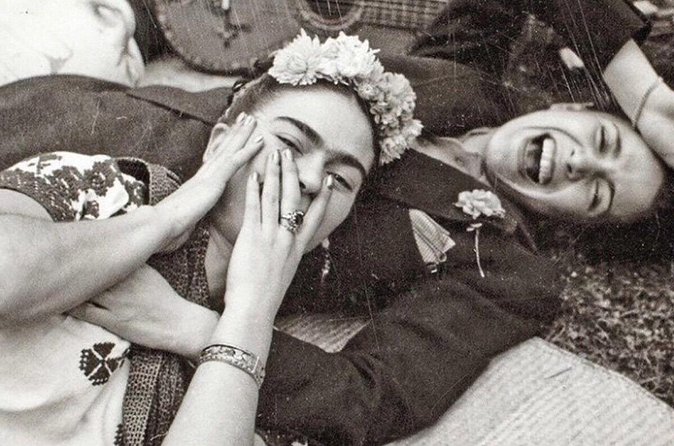
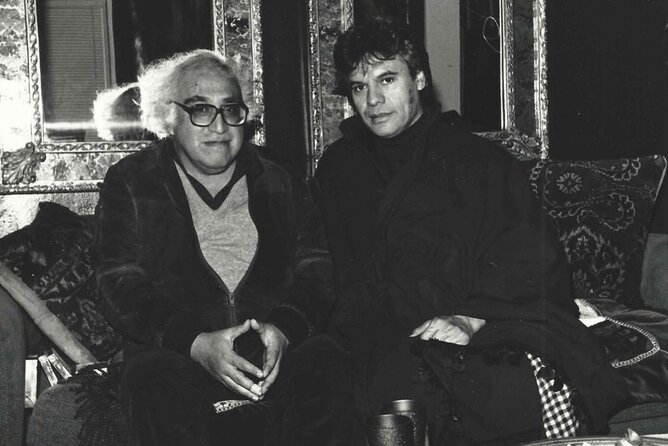
At Alameda Central, the guide introduces some of Mexico’s most famous queer icons and separates public myths from documented stories. Frida Kahlo, Chavela Vargas, and Juan Gabriel are among the figures included.
This is likely to be the most familiar section for many people, but familiarity does not make it shallow. Kahlo’s self-portraits, Vargas’s persona and music, and Juan Gabriel’s immense popularity each raise different questions about gender, performance, fame, and public acceptance.
You will spend about 40 minutes here, the longest scheduled stop. No admission ticket is included, and the tour information does not list a separate entry cost. The stop takes place at Alameda Central, so you should be ready for outdoor conditions and more standing.
I like this part because it gives the tour a strong popular culture connection. You do not need to be an expert in Mexican music or art to follow the discussion. If one figure particularly interests you, tell your guide early so the private format can work in your favor.
The Marrakech Salon and Mexico’s First Pride Protests
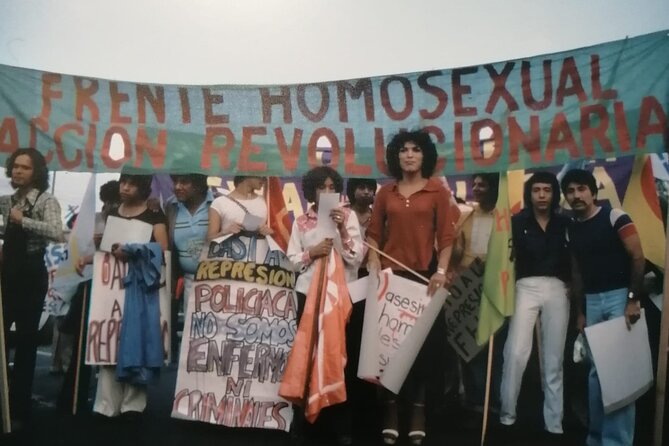
The official route ends at the Marrakech Salon, where the focus shifts to the first Pride protests in Mexico and the people who fought for LGBTIQ+ human rights.
Ending here gives the tour a clear political finish. You have moved from ancient cosmology through colonial punishment, social scandal, art, popular culture, and finally organized activism. The result is a story about change, but not a simple story of steady progress. Public visibility, legal rights, and safety have developed through pressure and persistence.
The official tour ends at República de Cuba 18 in the Centro Histórico. You are invited to continue at a nearby restaurant for pulque if you wish. That extra stop is optional, but it fits the tour well. Pulque is a traditional alcoholic drink, and sharing one after the walk gives you time to keep talking with the guide.
What Is Included, and What Is Not
The tour includes snacks, bottled water, an alcoholic beverage such as a pulque tasting or another drink, and a queer souvenir. These are small additions, but they matter during a walking tour of several hours. You will not need to find a shop for water or stop the discussion simply because you need a quick snack.
Private transportation is included only with the option that specifically offers transportation. Depending on your booking, you either depart from your accommodation or meet at the Museo Archivo de la Fotografía in the Centro Histórico.
The meeting point is República de Guatemala 34. The guide texts the lead traveler the day before to confirm the location, time, and number of people. Check your phone and make sure the lead contact details are correct.
The experience is offered in English and uses a mobile ticket. Service animals are allowed, and the route is near public transportation. Most people can participate, but the stated walking and standing requirement deserves attention if you have mobility concerns.
The Private Format and Guide Experience
This is a private activity, so only your group participates. That changes the feel of the visit. You can ask about a particular artist, challenge a point, request more detail about a period, or keep moving if one topic is less important to you.
The guide named in the available experience feedback is Cami from Frida Tours. Cami is described as attentive, kind, generous with time, and willing to adjust the outing. In one particularly personal account, the experience included a drive through neighborhoods the participant hoped to see and ended in La Zona Rosa, along with tacos al pastor.
Those extras are not listed as standard inclusions, so do not assume every booking will include a neighborhood drive, tacos, or an ending in La Zona Rosa. Still, the account gives you a useful tip: tell the guide before or during the tour what parts of Mexico City matter most to you. A private booking has more room for that kind of personal touch than a fixed group walk.
Timing, Price, and Who Will Like It
The tour takes about three to four hours. That is enough time for a serious introduction, but not enough to cover every person, law, movement, and debate in Mexican LGBTIQ+ history. Think of it as a focused city walk, not a complete academic course.
At $93.84 per person, the cost makes more sense for couples, friends, or families who value privacy and a specialist subject. Group discounts may improve the price for larger private parties. Solo visitors pay more for the private format, but may still find it worthwhile if this is a major reason for visiting Mexico City.
I would recommend it most strongly if you:
- Want queer history placed in the streets and landmarks of the city
- Prefer a private guide to a large group
- Are comfortable walking and standing for several hours
- Have an interest in art, music, nightlife, activism, or social history
- Want an English-language experience that goes beyond standard sightseeing
You may want a different activity if you are seeking museum interiors, a short seated talk, or a route with little walking. The tour covers serious subjects, including discrimination and punishment, so it is best approached with time and attention rather than as a light city stroll.
Booking and Cancellation Advice
The experience is often booked about 92 days ahead, so planning early is sensible, especially if you need accommodation pickup or a particular date. Confirmation is normally received at booking. If you reserve within 20 hours of departure, confirmation comes as soon as possible and depends on availability.
You can cancel for a full refund up to 24 hours before the start time. Changes or cancellations made within 24 hours are not accepted or refunded. The experience also requires good weather. If poor weather forces a cancellation, you are offered another date or a full refund.
Should You Book This LGBTIQ+ History Tour?
Book it if you want Mexico City’s queer past treated as a central part of the city’s story, not as a brief footnote. The route is thoughtfully arranged, the private format gives you room to ask questions, and the stops connect ancient cultures, colonial power, artists, performers, nightlife, and human rights campaigns.
I would especially choose it early in a Mexico City visit. The stories may change how you read the Centro Histórico for the rest of your stay. Just select private transportation if you need pickup, wear comfortable shoes, and leave room in your schedule for the optional pulque stop at the end.
FAQ
Where does the tour begin?
The standard meeting point is the Museo Archivo de la Fotografía at República de Guatemala 34 in Mexico City’s Centro Histórico.
Does the tour offer hotel pickup?
Pickup is offered with the private option that includes transportation. Otherwise, you meet in the Historic Center.
Where does the tour end?
The official tour ends at the Marrakech Salon at República de Cuba 18 in the Centro Histórico.
Is transportation included in every booking?
No. Private transportation is included only in the option that specifically offers transportation.
How long does the experience last?
The tour lasts approximately three to four hours.
Is the tour offered in English?
Yes. The experience is offered in English.
Is this a private tour?
Yes. Only your group participates in the activity.
Are food and drinks included?
Snacks, bottled water, and an alcoholic beverage such as a pulque tasting or another beverage are included. A queer souvenir is also provided.
Can I cancel for a full refund?
Yes, if you cancel at least 24 hours before the experience starts. Cancellations within 24 hours are not refunded. If poor weather causes the tour to be canceled, you are offered another date or a full refund.
Just added around Mexico City
- Ticket to Frida Kahlo Museum (Blue House)★ 5.0 · 3 reviews
- Valle de Bravo: Forest Hiking Adventure★ 4.4 · 3 reviews
- La Roma Private Art Tour★ 5.0 · 3 reviews
- Private Transportation: Pickup and Drop-Off★ 5.0 · 3 reviews
- Chapultepec Castle and Anthropology Tour, starting from CDMX★ 5.0 · 3 reviews
- Mexico City: Relaxing or Decontracting Massage Experience★ 5.0 · 3 reviews
- Grutas de Tulantongo★ 3.0 · 3 reviews
- Mexico City: Local Walking Tour with Mezcal & Wrestling Show★ 5.0 · 3 reviews
Historical Tours, compared.


Mexico City Historical Centre Food Tour with 7 Authentic Tastings
Read our review →
Walking Tour in Mexico City for Exploring their Cultural Heritage
Read our review →
Walking Tour – Impressive murals in Historical Center of Mexico City
Read our review →
Guided walking tour through the most historic parts of the city.
Read our review →Browse the lists this tour appears in