
Reviewed · HISTORICAL TOURS
Mexico City: Queer Mexican History
Mexico City’s Historic Center is usually presented through palaces, churches, and national heroes. This walk adds another layer: the LGBTQ+ people, artists, and activists who helped shape Mexican life. You move from Alameda Central along Francisco I. Madero Avenue to the Zócalo and Templo Mayor, with the past tied to the city you see today.
I like the route because it uses major landmarks as reference points, so the history never feels detached from the street. I also like the warm, personal style reported from guides Mannu and Ada Narcissa, along with the mix of serious history and contemporary queer culture. The main caution is timing: the advertised length is 150 minutes, but one booking was reported as lasting only 30 minutes, so confirm the starting details and duration before you set aside your afternoon.
In This Review
- Key points at a glance
- Why this queer history walk adds something new
- Meeting at Alameda Central with a colorful umbrella
- Hemiciclo a Juárez and the first historical connections
- Alameda Central, the Palace of Fine Arts, and the value of looking around
- Walking down Francisco I. Madero Avenue
- Zócalo and the national story in public view
- Ending near Templo Mayor and La Casa de las Sirenas
- Mannu, Ada Narcissa, and the guide style
- Is $30 a fair price?
- Who should book this experience?
- Practical tips for a smoother walk
- FAQ
- How long is the Queer Mexican History walking tour?
- Where does the tour begin?
- Where does the tour finish?
- What languages are available?
- Are museum tickets, food, or souvenirs included?
- Is the tour suitable for children?
- Should you book the Queer Mexican History walk?
Key points at a glance
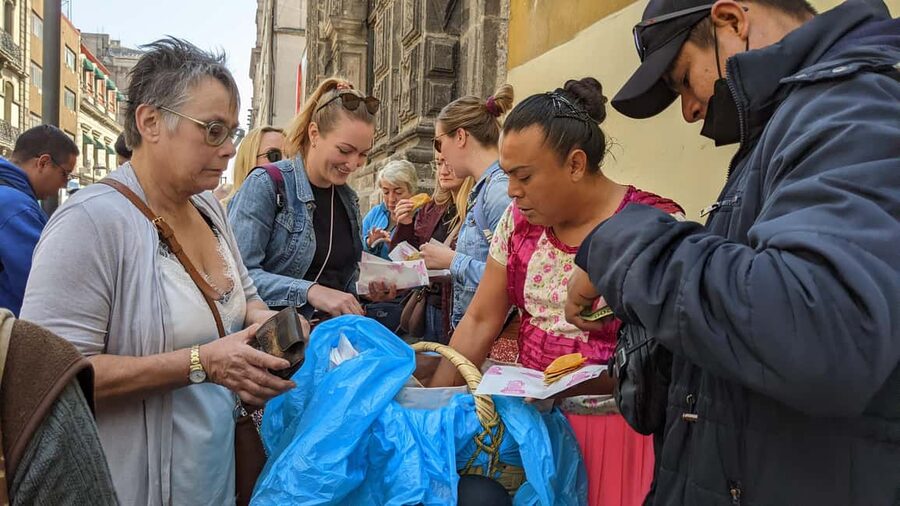
- Queer stories in Mexico City’s best-known center: Connect LGBTQ+ history with Alameda Central, the Palace of Fine Arts, Madero Avenue, the Zócalo, and Templo Mayor.
- Guides with a human touch: Mannu and Ada Narcissa are specifically praised for warmth, clarity, and thoughtful storytelling.
- A small group of up to 10: The limited size should make it easier to hear the guide and ask questions.
- A 150-minute walk: Bring water, sunscreen, and shoes suited to steady city walking.
- History and present-day voices: The tour includes contemporary queer artists and activists, not only figures from the past.
- Good value at $30: For two and a half hours with an English or French-speaking guide, the price is fair if the full route and duration are delivered.
Why this queer history walk adds something new
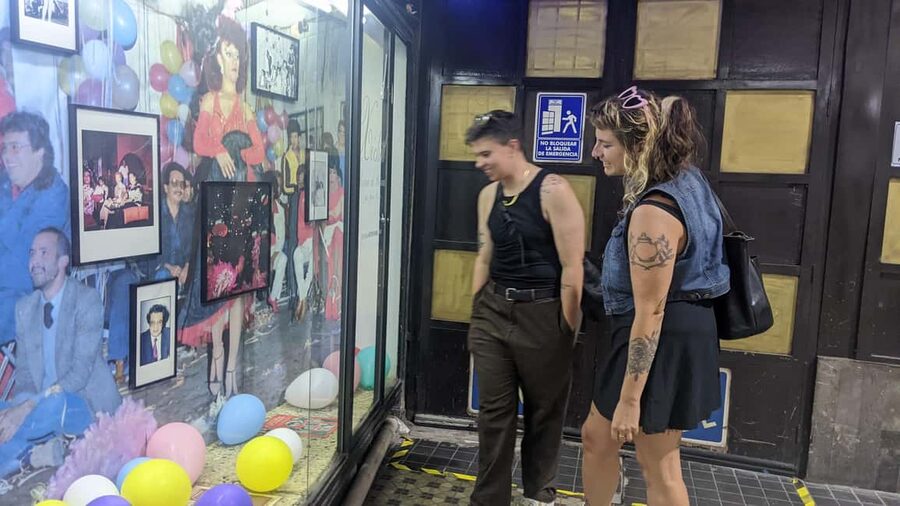
The strength of this experience is its subject. You are not simply touring Mexico City’s monuments and adding a few comments about LGBTQ+ life at the end. The stated purpose is to remember queer people in Mexican history and discuss current artists and activists as part of the city’s continuing story.
That approach matters because the Historic Center can feel very official. Grand buildings and national symbols often tell a story from the viewpoint of presidents, priests, soldiers, and wealthy citizens. A queer history walk asks you to notice who else lived, worked, created, resisted, and changed the city.
I like that the subject is tied to places you can actually see. The guide begins in Alameda Central, continues past major cultural and civic landmarks, and finishes near Templo Mayor. You get a sense of Mexico City as a real place, not a classroom with four walls.
The experience is also more focused than a general city tour. You will not get an attempt to cover every period of Mexican history. Instead, the guide uses a clear theme and follows it through the center. That makes this a strong choice for you if you already plan to visit the Historic Center and want a sharper, less familiar way to understand it.
More history walks in Mexico City:
- Historic Downtown Walking Tour
★ 5.0 · 1,289 reviews - Historic Center Food Tour in Mexico City
★ 5.0 · 1,263 reviews - Mexico City: Historic Downtown Walking Tour
★ 4.8 · 1,039 reviews
Meeting at Alameda Central with a colorful umbrella
The meeting point is at Alameda Central, near the corner of Hidalgo Avenue and Dr. Mora Street. The guide is described as carrying a colorful umbrella, which gives you a simple visual marker in a busy central area.
There are two listed starting-location options connected with Avenida Hidalgo 437, so check the exact meeting point attached to your booking. Do not assume every departure uses the same corner. A few minutes spent checking the location can save you a rushed start.
The tour begins with an introduction before you walk through Alameda Central toward the Hemiciclo a Juárez. This opening should help set the tone and explain how the walk will connect queer Mexican lives with the public spaces around you.
Alameda Central is a practical starting point. It gives the guide room to introduce the theme before the group moves into the denser streets of the center. You can also use this time to adjust your shoes, take a drink of water, and make sure you can hear the guide.
The group is limited to 10 people. That is a useful size for a history walk, since the value depends on spoken detail rather than a dramatic view. A small group should also make it easier to ask about a name, event, or idea that catches your attention.
Hemiciclo a Juárez and the first historical connections
The Hemiciclo a Juárez is the first named stop. Here, the walk into queer and Mexican history formally begins.
The supplied details do not identify every person or historical event discussed at this point, so I would not book this expecting a fixed list of famous figures. Instead, expect the guide to shape the story around important queer people in Mexico’s past and explain how their lives fit into the country’s wider history.
That flexibility can be a strength. A live guide can respond to the group and spend more time on subjects that interest you. The tradeoff is that the exact balance of names, dates, and current issues may vary by guide and departure.
The reviews point to guides Mannu and Ada Narcissa as especially important to the experience. Mannu is described as friendly, welcoming, warm, and humanistic. Ada Narcissa is praised for being kind, well educated, and for showing the group different places. Those comments suggest guides who do more than recite prepared facts.
At the same time, do not confuse a warm presentation with a light subject. Queer history can include exclusion, prejudice, and difficult social realities. The stated aim is to remember people who mattered, not to turn the walk into a string of cheerful anecdotes.
Alameda Central, the Palace of Fine Arts, and the value of looking around
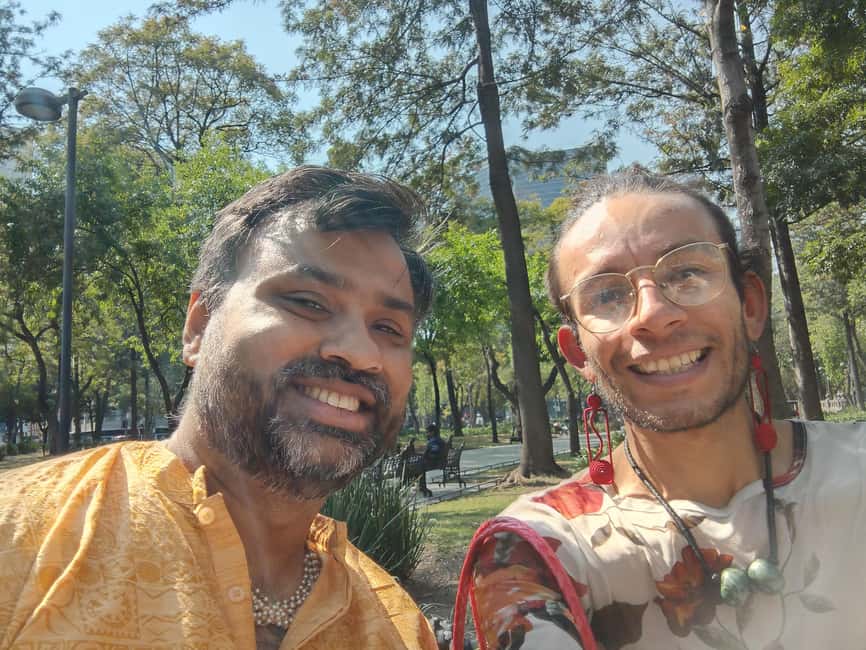
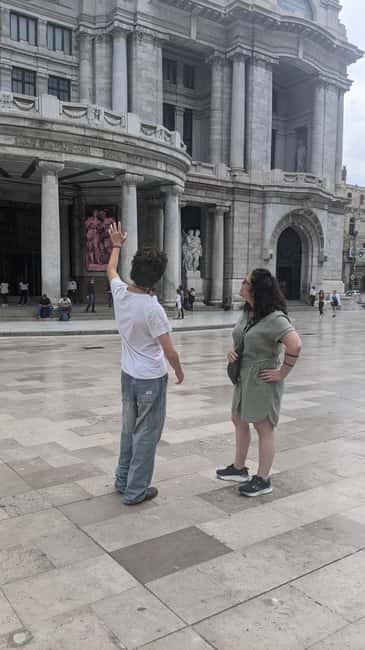
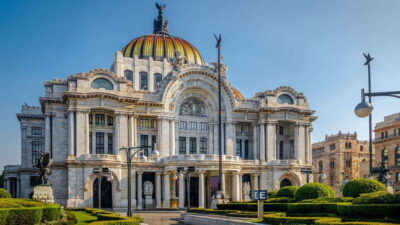
The route includes a guided walk through Alameda Central, with about 35 minutes listed for this portion. The Palace of Fine Arts appears as a sightseeing stop, with about 10 minutes assigned to it.
You should treat these landmarks as visual anchors for the discussion. The guide can point out how public art, civic buildings, and gathering places relate to the lives and ideas being discussed. You are not only hearing names. You are standing in the setting where the city’s public identity is displayed.
The Palace of Fine Arts is also a useful reminder that queer history includes art and culture, not just political activism or personal biographies. The tour specifically includes contemporary queer artists and activists, so the discussion reaches beyond the historic figures who came before.
Do not expect entry into the Palace of Fine Arts based on the information provided. It is listed as a sightseeing stop, and the experience is described as a walking tour. If you want to visit the interior, treat that as a separate plan.
This is one place where comfortable shoes make a real difference. The route is not a quick photo stop followed by a vehicle ride. You will continue on foot through central Mexico City, and the tour lasts around two and a half hours when running as advertised.
A completely different day out, same corner of Mexico City:
- Teotihuacan, Guadalupe Shrine & Tlatelolco Day Tour with Lunch
★ 5.0 · 11,603 reviews - Xochimilco, Coyoacan and Frida Kahlo with Optional Lunch
★ 4.5 · 7,320 reviews - Balloon flight + Breakfast in cave + Pyramids + Pick up CDMX.
★ 5.0 · 6,335 reviews - Teotihuacan pyramids morning or afternoon without tourist traps
★ 5.0 · 6,186 reviews
Walking down Francisco I. Madero Avenue
After Alameda Central and the early stops, the group continues along Avenida Francisco I. Madero toward the Zócalo. This is the most straightforward part of the route geographically, but it is important for the rhythm of the tour.
You move through one of the Historic Center’s main pedestrian corridors while the guide continues the queer history theme. The changing surroundings give you a sense of how a public city space can hold several stories at once. A famous avenue may be presented as national heritage, but the people who used and shaped it had many identities and private lives.
This stretch is also where practical preparation matters most. Wear shoes you can walk in for a sustained period. Carry water, use sunscreen, and bring an umbrella. The tour description specifically recommends a small lunch, which is sensible because 150 minutes is long enough to cross a normal meal period.
Food and souvenirs are not included. You can buy something during the walk if you wish, but budget separately and do not expect the guide fee to cover purchases.
One operational concern deserves attention here. A United States participant reported that a booking finished after 30 minutes rather than lasting the advertised time. That is sharply different from the listed 150-minute duration and from another account describing two and a half hours with Mannu. I would confirm the departure time, meeting point, and expected length before paying, especially if you have another reservation afterward.
Zócalo and the national story in public view
The route reaches the Zócalo, officially Plaza de la Constitución. This is one of Mexico City’s most important public spaces, and it gives the guide a large stage for discussing identity, power, visibility, and change.
The information provided does not promise a specific monument, ceremony, or event at the Zócalo. What you can count on is a sightseeing stop within the wider queer history walk. The value comes from hearing the guide connect the square with the people and movements under discussion.
I like this part of the route because it keeps the tour from becoming tucked away or purely subcultural. Queer Mexican history is presented in the middle of the country’s best-known civic center. That makes the point without needing a slogan: LGBTQ+ lives are part of the public story of Mexico City.
Expect the Zócalo to be a place where the guide may need to project clearly. Stay close to the colorful umbrella and keep the group together. With up to 10 participants, following the guide should be manageable, but this is not the time to drift far away for photos.
Ending near Templo Mayor and La Casa de las Sirenas
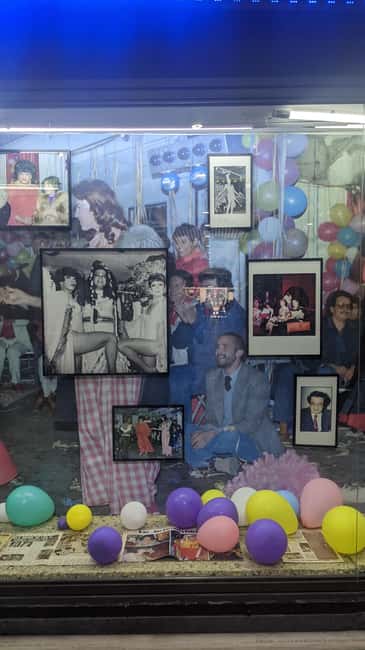
The walking portion finishes behind the Metropolitan Cathedral, near Templo Mayor. The listed final location is La Casa de las Sirenas.
This ending gives the route a striking historical contrast. You finish beside one of the city’s major archaeological and colonial areas, after spending the walk examining queer lives and present-day voices that may not appear in standard accounts of the center.
Templo Mayor Museum is listed as a sightseeing stop, not as an included museum visit. Admission to the museum is not stated as part of the tour, so plan to pay separately if you want to go inside. The same applies to any food or souvenirs along the way.
Finishing near La Casa de las Sirenas may be useful for continuing your afternoon in the Historic Center, but no onward transport or additional activity is included. The experience is built around walking, and it ends there.
Mannu, Ada Narcissa, and the guide style
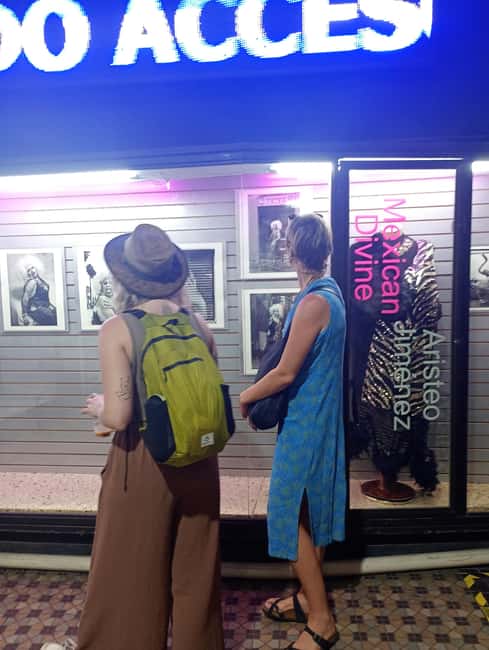
The strongest praise is aimed at the guides. Mannu is singled out for kindness, a welcoming manner, and a mix of serious and funny material. One account describes spending the full two and a half hours with him and receiving both historical and current information.
Ada Narcissa is also named as a guide who was friendly, polite, and able to show different places along the route. Another French-language experience describes the guide as warm and approachable while presenting Mexico City’s queer world.
The tour is offered in English and French. If language matters to you, select carefully at booking because the guide assigned to your departure may affect the tone and ease of the discussion.
A good guide is especially important for this subject. Queer history can be flattened into dates and labels, or treated as an afterthought. The available guide feedback points instead to a personal, humane presentation. That is a major reason the $30 fee can feel worthwhile.
Still, guide-led experiences are not identical every time. Ask questions, listen for context, and remember that the exact people and examples covered may change with the guide.
Is $30 a fair price?
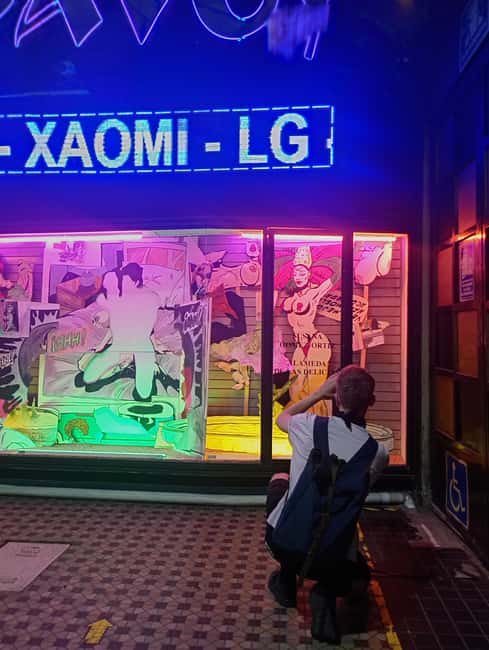
At $30 per person, this is reasonably priced for a 150-minute small-group walking tour in central Mexico City. You are paying for an English or French-speaking live guide, a focused theme, and a route that links several major sites.
The value is strongest if you want interpretation rather than transportation or admission tickets. No food, souvenirs, museum entry, or other purchases are included. You are paying for the conversation and the way the guide connects places to queer Mexican history.
For comparison within your own plans, ask what else you would do with those two and a half hours. If you would otherwise wander the center without context, this walk can give that time a clear purpose. If you want a broad introduction to every major monument, a general Historic Center tour may suit you better.
The rating is 4.7 from 24 reviews, with especially strong marks for warmth, fresh historical material, and the guides’ personal approach. The one short-duration complaint means I would not ignore the practical check on timing. A full 150-minute walk is good value. A 30-minute version would be a very different purchase.
Who should book this experience?
I would recommend this walk to adults and older children who want to see Mexico City through LGBTQ+ history rather than only through conventional national stories. It is specifically not suitable for children under 11.
You should be comfortable walking for two and a half hours, with stops for sightseeing and conversation. This is not a seated lecture, a bus tour, or an attraction with frequent indoor breaks.
It fits especially well into a first or second day in the Historic Center. You will pass major landmarks, so the route can help you understand the area before returning to explore the Palace of Fine Arts, Templo Mayor Museum, or other sites on your own.
You will get the most from it if you are willing to listen and ask questions. The subject includes both historical figures and contemporary artists and activists, so it suits you if you want the past connected to present-day queer life.
Practical tips for a smoother walk
- Wear shoes you already trust for city walking.
- Bring water, sunscreen, and an umbrella.
- Eat a small lunch before the tour or carry money for food, since meals are not included.
- Look for the guide’s colorful umbrella at Alameda Central.
- Confirm the exact meeting point, since it may vary by booking option.
- Check the expected duration, especially because one booking was reported as much shorter than the advertised 150 minutes.
- Keep close enough to hear the guide in the Zócalo and on Madero Avenue.
- Do not litter. It is specifically listed among the prohibited behavior.
FAQ
How long is the Queer Mexican History walking tour?
The advertised duration is 150 minutes, or two and a half hours. One booking was reported as lasting only 30 minutes, so confirm the expected length before you go.
Where does the tour begin?
The meeting point is in the Alameda Central area, at the corner of Hidalgo Avenue and Dr. Mora Street. The listed options also reference Avenida Hidalgo 437, so check the exact location for your booking.
Where does the tour finish?
The walk finishes behind the Metropolitan Cathedral, near Templo Mayor. La Casa de las Sirenas is listed as the final location.
What languages are available?
The live tour guide is available in English or French.
Are museum tickets, food, or souvenirs included?
No. The tour includes the guided walking experience, but food, souvenirs, and any purchases are separate. Templo Mayor Museum is a sightseeing stop, and admission is not listed as included.
Is the tour suitable for children?
The experience is not suitable for children under 11. All participants should also be prepared for a walking tour and bring comfortable shoes.
Should you book the Queer Mexican History walk?
Book it if you want a focused, personal look at Mexico City that brings LGBTQ+ people, artists, and activists into the center of the story. The route is easy to place into a day of sightseeing, the group size is limited to 10, and the $30 price is fair for a full two and a half hours with a live guide.
I would be most inclined to book with Mannu or Ada Narcissa if their names appear for your date, since both are associated with warm and engaging presentations. Just confirm the meeting point and duration before setting your schedule. If you want a standard monument tour or a short photo walk, choose something else. If you want the Historic Center to feel more human and less official, this is a worthwhile choice.
Just added around Mexico City
- Mexico City: Hop-on Hop-off City Tour by Turibus 2-Day Pass★ 4.0 · 10 reviews
- Anthropology Museum, Chapultepec Castle & Cable Car Tour★ 4.5 · 10 reviews
- Multi-Variety Mole Class in a Condesa home or art gallery rooftop★ 5.0 · 10 reviews
- PRIVATE TOUR Colonial Town Taxco and Cuernavaca from CDMX.★ 5.0 · 10 reviews
- El Centro Street Food Walking Tour★ 5.0 · 10 reviews
- Private Round-Trip Transportation to Teotihuacan Pyramids★ 5.0 · 10 reviews
- Teotihuacan and My Grandma’s Food Tour★ 5.0 · 10 reviews
- Private Walking Tour Legends and Events Historic Center CDMX★ 4.8 · 10 reviews
Historical Tours, compared.


Mexico City Historical Centre Food Tour with 7 Authentic Tastings
Read our review →
Walking Tour in Mexico City for Exploring their Cultural Heritage
Read our review →
Walking Tour – Impressive murals in Historical Center of Mexico City
Read our review →
Guided walking tour through the most historic parts of the city.
Read our review →Browse the lists this tour appears in