
Reviewed · ART & MURAL TOURS
Soumaya Museum: the Master of Mexican and Western Art
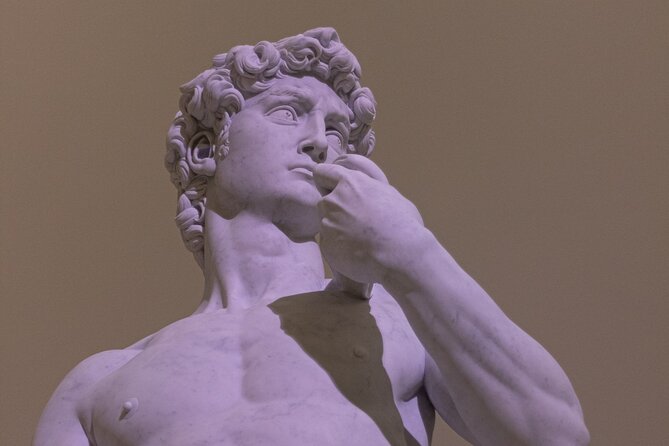
The most striking thing about Museo Soumaya is the range packed into six floors. One visit moves from Old European and New Spain masters to Rodin, Monet, Dalí, Rivera, and even a Leonardo da Vinci, with a bilingual guide helping you connect the pieces instead of wandering through a large collection without a plan.
I like the small group limit of 15 people, which should make it easier to hear the guide and ask a question. I also like the way the tour follows a clear path through six named rooms, with guides such as José and Jesús praised for making a large amount of art easy to follow. The main consideration is the price: the museum admission itself is free, so you are paying $53.68 for the guided interpretation, not the entrance ticket.
In This Review
- Key points about the Museo Soumaya tour
- Why a guide helps inside six floors of art
- Room 1: Modernity, ars and techné
- Room 2: Myths and allegories
- Room 3: Old European and New Spain masters
- Room 4: From Romanticism to the avant-garde
- Room 5: Twenty centuries of art in Mexico
- Room 6: The Rodin era
- What the $53.68 price really covers
- Timing, group size, and the pace of the visit
- The guide can make or break the experience
- Who should book this museum tour?
- Should you book the Soumaya Museum guided visit?
- FAQ
- Where does the Museo Soumaya tour begin?
- Where does the activity end?
- How long does the experience last?
- Is the tour offered in English?
- What is included in the price?
- How large can the group be?
- Can I cancel for a full refund?
Key points about the Museo Soumaya tour
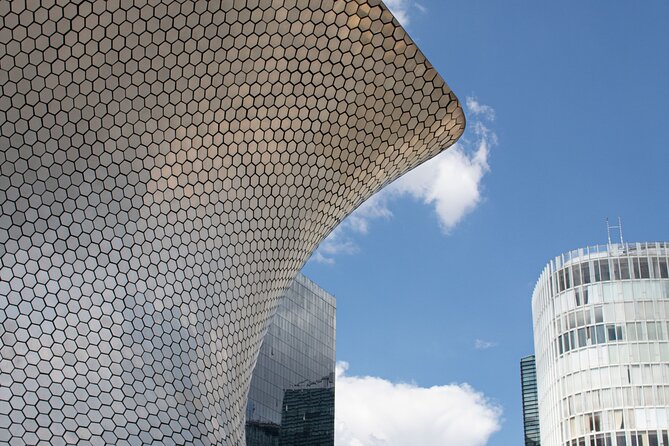
- Six floors, six clear themes: The route covers art from European masters and New Spain through Mexican art, modern movements, and Rodin.
- A bilingual guide leads the visit: José and Jesús have been praised for clear, friendly explanations, though your assigned guide may differ.
- Small group format: The maximum group size is 15, a useful limit inside a large museum.
- Major names in one building: You may see works connected with da Vinci, Rodin, Rivera, Dalí, Monet, and other important artists.
- About two and a half hours: The listed experience lasts approximately 2 hours and 30 minutes, with about two hours devoted to the museum visit.
- Free cancellation: You can receive a full refund if you cancel at least 24 hours before the start time.
Why a guide helps inside six floors of art
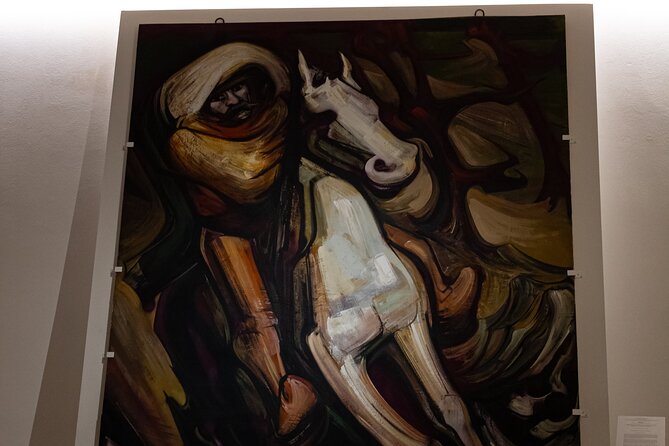
Museo Soumaya can be a lot to take in. Six floors cover a long span of art, and the collection moves across countries, centuries, and styles. Without a plan, you could spend too much time on familiar names and miss the way the museum links Mexican art with European traditions.
This tour gives you a route and a story. The guide leads you through six rooms rather than leaving you to work out the collection on your own. That matters most in a museum where the appeal is not one single masterpiece, but the surprising range of works gathered together.
I would especially value the guide in the rooms that connect art with ideas rather than a single national school. The first room, Modernity: ars and techné, sets up questions about art, making, and modern life. The second, Myths and allegories: from the visible to the invisible, shifts toward symbolic meaning.
A good guide can make those changes easier to grasp. The praise for José centers on the way he linked artists and floors into one readable story. Jesús is also singled out for leading the visit with care and polish. Those details suggest that the quality of the tour depends heavily on the person holding the conversation together.
The bilingual format is useful for English-speaking visitors who want explanations without relying on labels alone. The tour is offered in English, and the included guide is bilingual. If you enjoy asking why a work matters, how styles relate, or what to look for in a piece, that guidance should make the visit more rewarding.
More mural and street art walks in Mexico City:
- CDMX: Xochimilco, Coyoacan, Frida Kahlo Museum & Murals Tour
★ 4.4 · 3,025 reviews - Mexico City; ART NACO : Murals & Street Art Bike Tour
★ 5.0 · 284 reviews - Walking Tour – Impressive murals in Historical Center of Mexico City
★ 5.0 · 224 reviews
Room 1: Modernity, ars and techné
The first room introduces the theme of modernity through art and technique. Based on the title, this section is likely to make you think about how artists create, how tools affect art, and how ideas of progress changed artistic work.
I would treat this opening as a way to get your bearings. Rather than rushing straight to famous names, listen for the guide’s explanation of how the collection is organized. The first room sets the terms for the rest of the visit, especially the movement between craft, technology, artistic invention, and changing ideas of beauty.
The value here is less about checking off one famous painting and more about learning how to read the museum’s collection. If you prefer only instantly recognizable masterpieces, this part may feel less direct. Give it time, though, because the tour is designed to connect each floor.
Room 2: Myths and allegories
The second room, Myths and allegories: from the visible to the invisible, turns toward stories, symbols, and ideas that are not always obvious at first glance. A figure, gesture, object, or setting may carry meaning beyond what you see.
This is where a guide can save you from making a quick guess about a painting or sculpture. Ask about the story behind a work and how artists used familiar myths or allegories to express fear, faith, love, power, or moral lessons. The title promises a room where explanation adds real value.
I like that the tour does not treat art as a string of names and dates. A focus on the visible and invisible gives the guide room to explain how viewers are meant to look. That approach should suit you if you want context, not just a list of artists.
Room 3: Old European and New Spain masters
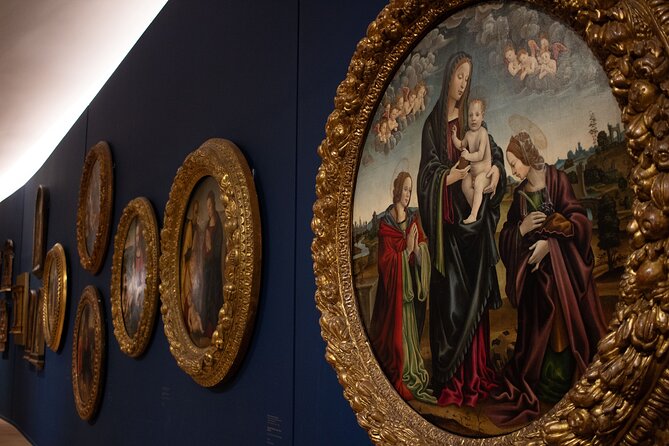
Room 3 brings together Old European and New Spain masters. This is one of the most useful sections for understanding the collection’s broad reach, since it places European traditions beside art connected with New Spain.
The pairing also gives you a chance to notice how artistic ideas moved between places. A guide can point out shared subjects, different approaches, and the way religious or courtly art changed across regions. The information supplied does not identify every artist or work in this room, so you should not expect a fixed list of highlights. Instead, let the guide shape the visit around the most important pieces on the day.
This room may appeal to you most if you enjoy older art and want help reading works that can seem formal or unfamiliar. It may be less exciting if your main interest is twentieth-century painting. The good news is that the route continues into more modern styles.
More museums and galleries in Mexico City:
- Chapultepec Castle & Anthropology Museum Tour
★ 4.5 · 1,348 reviews - Frida Kahlo VIP [Museum Tickets Included] Bike, Markets & Churros
★ 5.0 · 1,072 reviews - Anthropology Museum Guided Tour
★ 4.5 · 1,035 reviews - Frida Kahlo VIP [Museum Tickets Included] Walk, Markets & Churros
★ 5.0 · 982 reviews
Room 4: From Romanticism to the avant-garde
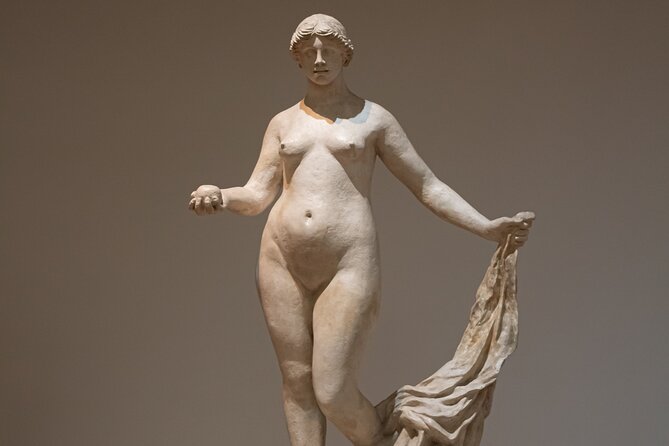
Room 4 follows the shift from Romanticism to the avant-garde. That is a major change in mood and method. Romantic art is often linked with feeling, imagination, and dramatic subjects, while avant-garde artists pushed against accepted rules.
The guide’s job here is to make that change feel gradual rather than abrupt. You should listen for the links between the movements: what artists kept, what they rejected, and why new forms began to seem necessary. A clear explanation can turn a room full of different styles into a sequence of artistic experiments.
This is also the section where the museum’s European and modern holdings may feel most connected. The collection includes works associated with Monet and Dalí, according to the experience details, so you may encounter familiar names within the larger story. The tour does not promise a particular work or guarantee that every famous artist will be a main stop, but the range is a strong reason to book with a guide.
Room 5: Twenty centuries of art in Mexico
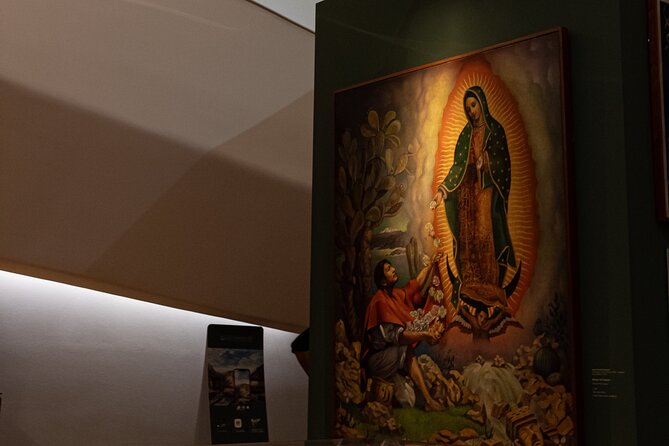
Room 5 focuses on 20 centuries of art in Mexico. That title signals the widest historical span in the visit, from early Mexican traditions through later periods and artistic change.
This room gives the museum a stronger local identity. It is not simply a collection of European art placed in Mexico City. You get a chance to see Mexican art as a long story, then consider how later artists responded to local subjects, older traditions, and international movements.
Rivera is one of the names connected with the museum experience, and a guide can help place his work within Mexico’s wider artistic story. Still, you should allow for a selective visit. Two hours is not enough to study every object across six floors, so the guide will need to choose major works and keep the group moving.
I like this part of the itinerary because it helps balance the European material. If you are visiting Mexico City to understand Mexican culture as well as see famous Western art, Room 5 is essential. If your time in the city is short, the guide’s choices can help you focus on works with the strongest connection to Mexico.
Room 6: The Rodin era
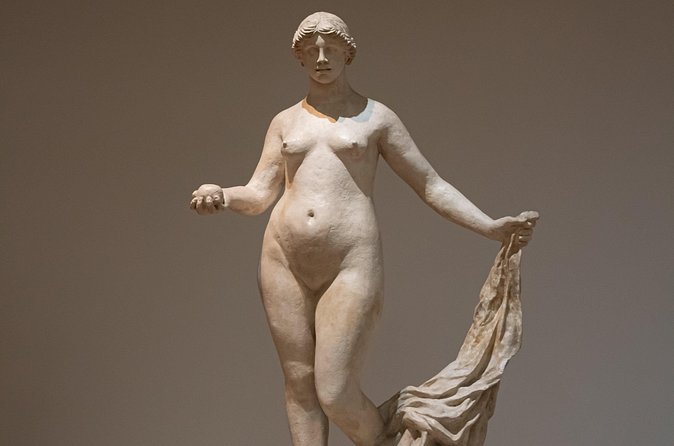
The final room is devoted to Julián and Linda Slim and The Rodin Era. This is likely to be the most concentrated stop for sculpture lovers, especially because Rodin is one of the collection’s major names.
The supplied experience details specifically mention seeing a da Vinci close up, along with Rodin, Rivera, Dalí, and Monet. A Leonardo work can be an emotional high point, but the Rodin material gives the visit its strongest sculptural finish. Look for the guide to explain how Rodin changed the way the human body, movement, surface, and unfinished form could be treated in sculpture.
Ending with Rodin gives the route a clear final chapter. You move from art’s materials and ideas to famous masters, Mexican art, modern movements, and then a focused look at an artist whose work had a major effect on modern sculpture.
The drawback is simple: if Rodin is your main reason for visiting, you may wish for more time than a guided route allows. The experience lasts about two and a half hours, and the museum portion is listed at about two hours. You will get an introduction to the collection, not a slow, private study session.
What the $53.68 price really covers
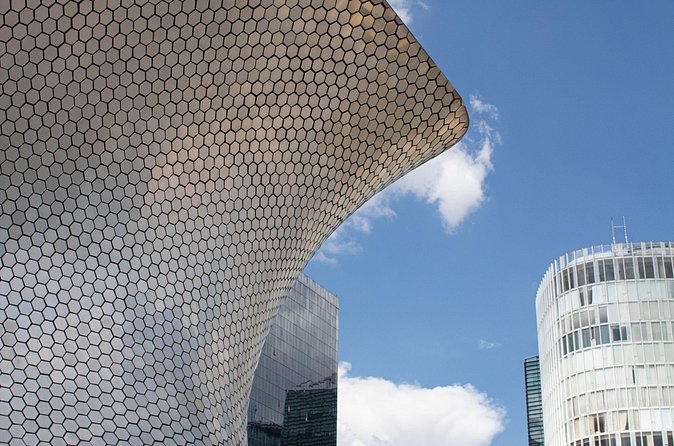
The cost is $53.68 per person. Since admission to Museo Soumaya is listed as free, the charge is best understood as payment for the bilingual guide, the planned route, and the time saved by having someone interpret the collection.
That makes the value question personal. If you already know the museum well, read art history comfortably, and prefer to move at your own speed, you may decide the fee is not necessary. You can visit without paying an admission charge and build your own route.
I think the price makes more sense for a first visit, especially if you want English explanations or have only one short window for the museum. A guide can help you avoid spending half your time figuring out where to go. The group limit of 15 also gives the experience a more focused feel than a large coach-style visit.
The strongest value comes when you use the guide actively. Ask about the connection between European and Mexican art. Ask why a particular work matters. Ask the guide to compare Rodin with another sculptor or explain how the avant-garde changed what counted as art. A silent walk through the rooms would not justify the same fee.
Food and transportation are not included. Plan to reach the museum on your own and eat separately. The starting and ending point is Museo Soumaya at Boulevard Miguel de Cervantes Saavedra in the Granada area of Miguel Hidalgo, Mexico City. The location is near public transportation, which helps if you are building this into a day around the city.
Timing, group size, and the pace of the visit
The full activity takes approximately 2 hours and 30 minutes, while the museum itinerary lists about two hours. Allow the full time rather than scheduling a tight connection afterward.
That pace is useful for a first look at a large collection. You will have enough time to understand all six sections without committing an entire day. You will not have enough time to examine every object closely, reread every label, and return to your favorite work.
The maximum group size is 15 people. That is small enough for the guide’s explanations to remain practical, though the actual group may be smaller or close to the limit. Most people can participate, and the experience is near public transportation.
I would wear comfortable shoes and keep your expectations realistic. The museum covers six floors, and the route has a lot of ground to cover. The available information does not specify elevator arrangements, seating, photography rules, or any special access services, so ask the operator if one of those details matters to you.
The guide can make or break the experience
The clearest praise for this tour centers on the guides. José is described as kind, polite, intelligent, and effective at explaining the museum’s key works. Another detailed account credits José with linking each artist and floor so the collection felt easier to understand.
Jesús is also singled out for a graceful, polished approach. The strongest lesson for you is that the guide is not just there to point at paintings. The guide shapes the whole visit, chooses what deserves your attention, and explains why the collection matters.
Your guide is not guaranteed to be José or Jesús. The experience includes a bilingual guide, but the supplied information does not promise a specific person. Still, those names give you a useful idea of the kind of tour to hope for: clear, warm, lively, and structured.
If your guide asks for questions, take advantage of it. Tell the guide whether you care most about Mexican art, Old Masters, modern painting, sculpture, or famous individual artists. With a group of no more than 15, there is a reasonable chance to make the visit fit your interests.
Who should book this museum tour?
I would choose this experience if you are visiting Museo Soumaya for the first time and want help making sense of its size. It also suits you if English is your preferred language, you enjoy art but do not want to prepare in advance, or you want a guided overview before deciding which rooms deserve a second look.
It is a good match for an art-curious visitor who wants both Mexican and Western art in one visit. The route includes New Spain, Mexican art, European masters, Romanticism, the avant-garde, and Rodin. That range gives you a useful overview of how different artistic traditions meet inside the museum.
You may want to skip the tour if you strongly prefer solitude, need to set your own pace, or plan to spend hours with just one artist. The fixed route and two-hour museum schedule are efficient, but they limit long stops and personal wandering.
The current score is 4.9 from 20 ratings, with a 100 percent recommendation rate. That is a strong signal, though the sample is not large. The praise focuses on clear explanations, friendly conduct, and the ability to make a large collection understandable.
Free cancellation is available if you cancel at least 24 hours before the start time. Changes or cancellations made less than 24 hours before the experience are not accepted for a refund, and cut-off times follow local Mexico City time.
Should you book the Soumaya Museum guided visit?
Book it if you want a structured first visit to a very broad collection, especially with English-language guidance. The combination of six floors, a 15-person maximum, and a guide who can connect da Vinci, Rodin, Rivera, Dalí, Monet, Mexican art, and New Spain gives you more than a simple walk through the building.
Think twice if you only want free museum entry or prefer to study art alone. The $53.68 fee pays for interpretation and organization, not admission, food, or transportation. For the right visitor, that guidance is the point of the purchase. For an independent museum regular, it may be unnecessary.
FAQ
Where does the Museo Soumaya tour begin?
The tour begins at Museo Soumaya, Boulevard Miguel de Cervantes Saavedra, Granada, Miguel Hidalgo, 11529 Ciudad de México, CDMX, Mexico.
Where does the activity end?
The activity ends back at the Museo Soumaya meeting point.
How long does the experience last?
The experience lasts approximately 2 hours and 30 minutes. The museum itinerary itself is listed as about two hours.
Is the tour offered in English?
Yes. The experience is offered in English and includes a bilingual guide.
What is included in the price?
A bilingual guide is included. Food and transportation are not included.
How large can the group be?
The activity has a maximum of 15 participants.
Can I cancel for a full refund?
Yes. You must cancel at least 24 hours before the experience start time to receive a full refund. Changes or cancellations made less than 24 hours before the start time are not accepted for a refund.
Just added around Mexico City
- Mexico City: Hop-on Hop-off City Tour by Turibus 2-Day Pass★ 4.0 · 10 reviews
- Anthropology Museum, Chapultepec Castle & Cable Car Tour★ 4.5 · 10 reviews
- Multi-Variety Mole Class in a Condesa home or art gallery rooftop★ 5.0 · 10 reviews
- PRIVATE TOUR Colonial Town Taxco and Cuernavaca from CDMX.★ 5.0 · 10 reviews
- El Centro Street Food Walking Tour★ 5.0 · 10 reviews
- Private Round-Trip Transportation to Teotihuacan Pyramids★ 5.0 · 10 reviews
- Teotihuacan and My Grandma’s Food Tour★ 5.0 · 10 reviews
- Teotihuacan Pyramids Tour from Mexico City★ 5.0 · 10 reviews
Art & Mural Tours, compared.
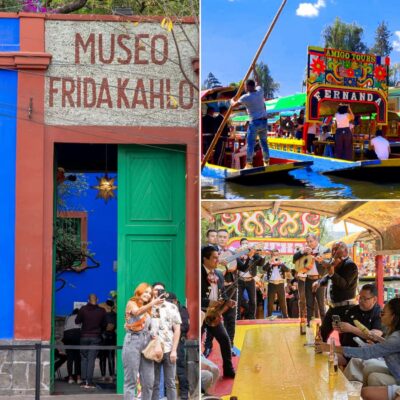
Xochimilco, Coyoacan, Frida Kahlo Museum & Murals Tour
Read our review →
Mexico City; ART NACO : Murals & Street Art Bike Tour
Read our review →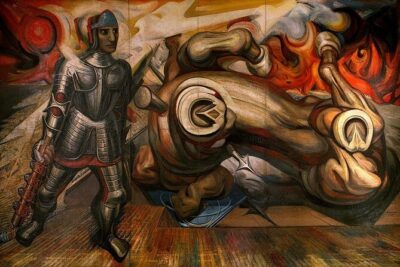
Walking Tour – Impressive murals in Historical Center of Mexico City
Read our review →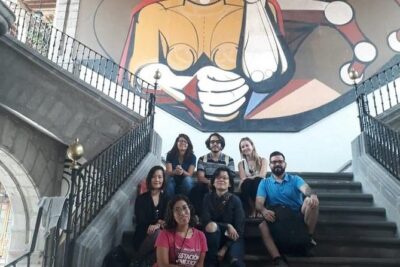
La Catrina & Muralism: Diego Rivera’s Legacy & Frida Kahlo
Read our review →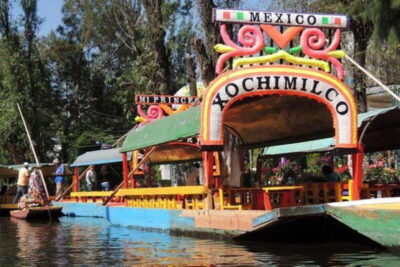
Xochimilco floating gardens, Coyoacan and UNAM murals
Read our review →
Browse the lists this tour appears in